By Steve Bailey | State Manager, Tasmania
This report marks the final chapter of our successful partnership with Bonorong Wildlife Sanctuary and the completed ‘Retirement Village’ that now stretches approximately 600m across the hill of the sanctuary, apart from some finishing touches and a glass of champagne to toast the ‘old devils’ as they arrive at their new home. We will be sure to send you a further update and some pictures as the devils settle in.
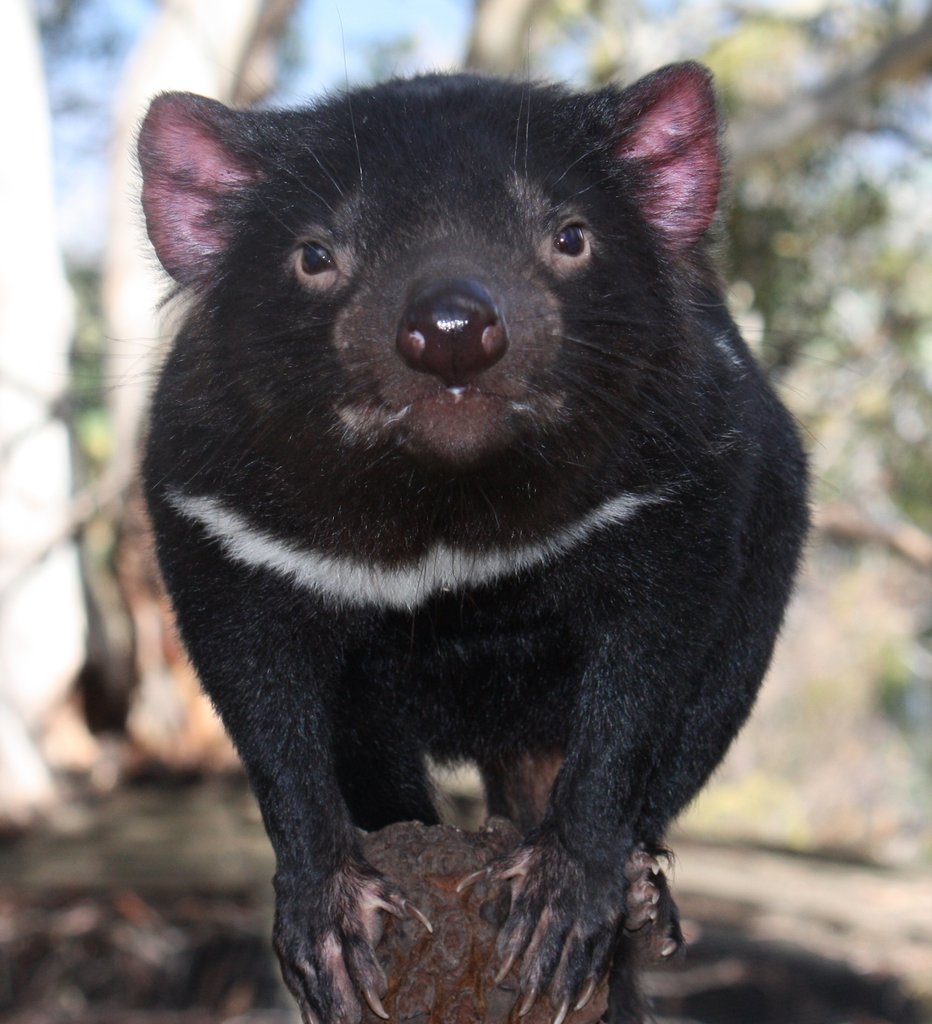
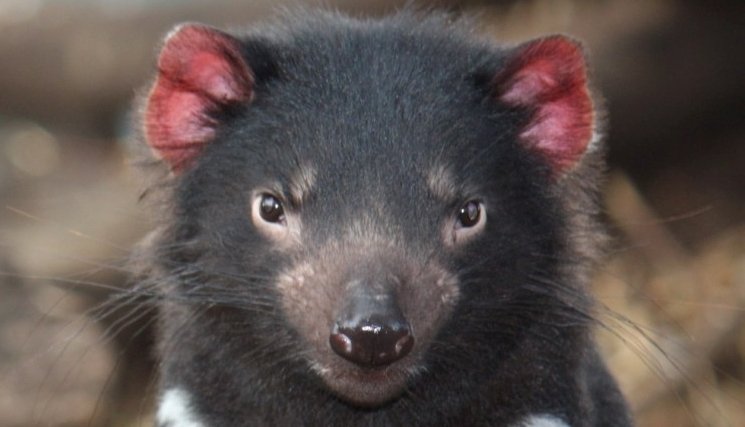
With little advancement being made towards successfully discovering a treatment or cure for the spread of the deadly facial tumour disease, which is still currently decimating the Tasmanian devil population, efforts to save and preserve these iconic creatures have not abated. While the science is still at work, various forms of on-ground activity continue at a grass roots level; activity that sees united sections of the Tasmanian community combine forces to ensure the devil will have a future in this state.
Healthy populations of devils are being quarantined around Tasmania in a variety of locations including a closely monitored group of new arrivals to Maria Island, situated off the East Coast of Tasmania. These devils are being observed to assess their suitability in not only adapting to their new environment, but also to gauge what impact they have upon the existing wildlife species and birdlife on the Island. In other regions extensive devil proof fencing is being erected across country to confine the movement of both healthy and affected devil populations – where neither the two shall mix.
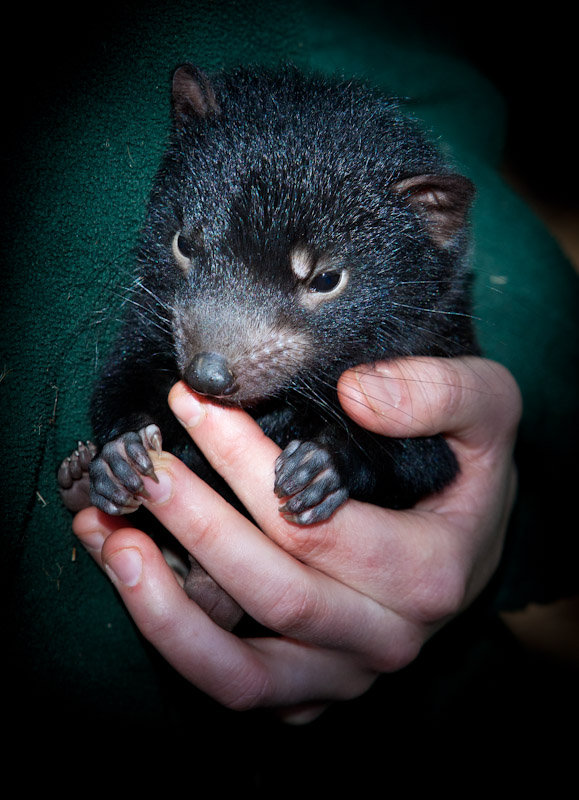
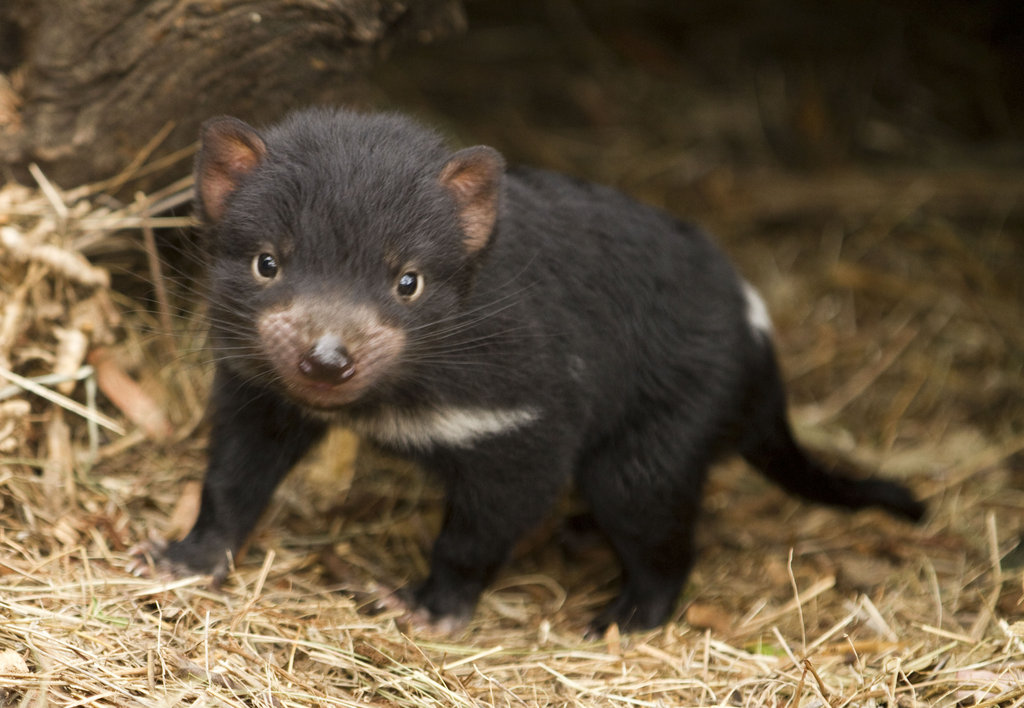
Meanwhile the breeding programs continue and our ageing devils, those that have their best years behind them, are gearing up for residency at their new home. According to Greg Irons from the Bonorong Wildlife Sanctuary, the first arrivals will begin once the final tasks are undertaken and completed in our joint “Taking Care of The Elders’ project.
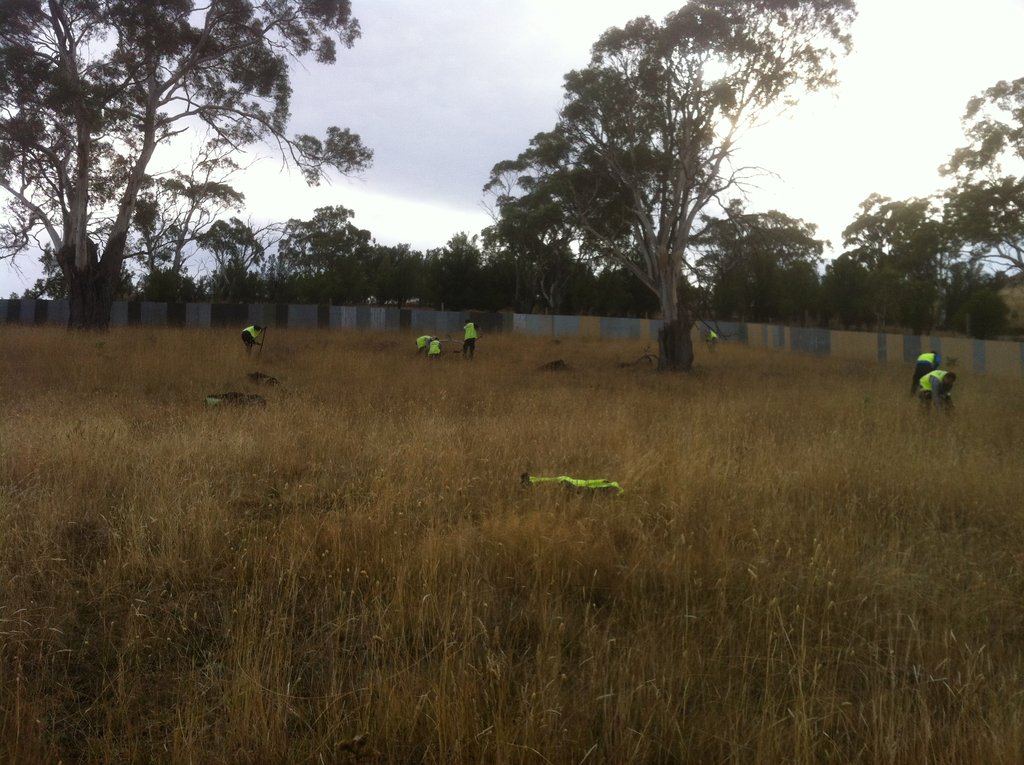
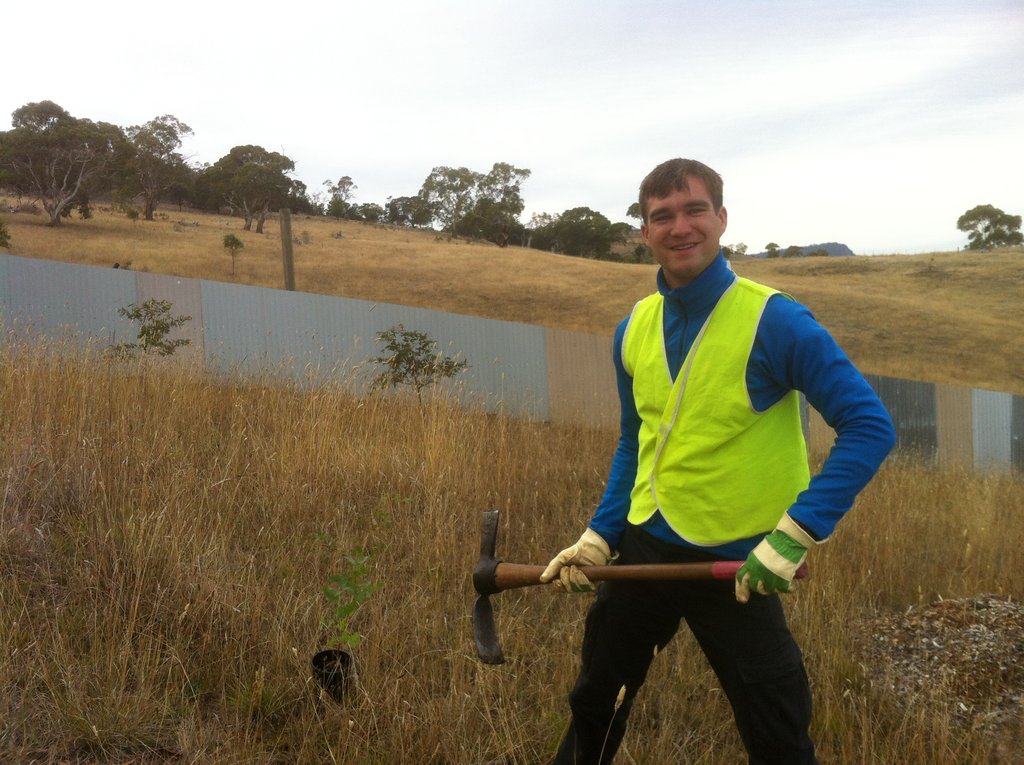
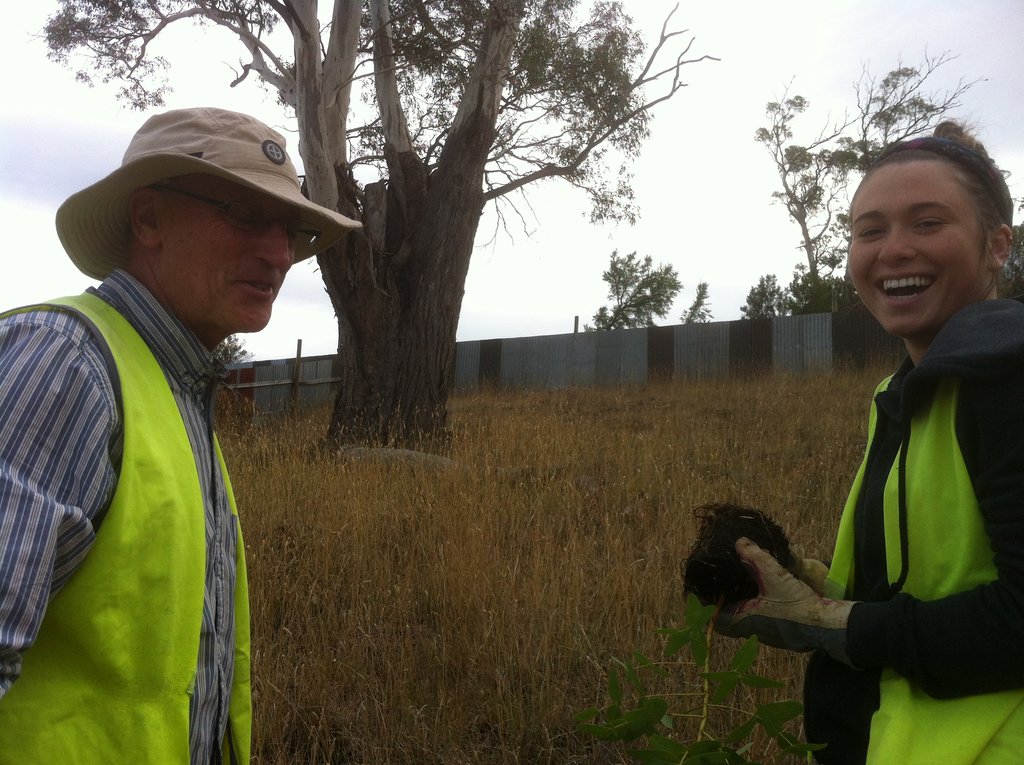
With the months of summer passing, the planting season is now upon us and CVA’s teams of volunteers have commenced re-vegetating the devil enclosure to provide native habitat and shelter through the planting of selected native trees, shrubs and grasses. In addition to the plantings we have been installing an irrigation system. This will allow for healthy plant establishment and naturally, water is an essential commodity for the resident devils.
Finishing touches are all important and none more so than issuing volunteers with cans of paint and brushes – a task that will not only provide a facelift for the secondhand materials used in the structure, but an opportunity to blend into the hillside above Bonorong. This will be followed by an invitation to students from the local high school to ‘get creative’ and demonstrate their artistic skills by adorning the visible walls of the enclosure with depictions of wildlife and the environment as they see it. This will provide a great opportunity for students to learn more about our natural and cultural environment while having fun painting up storm.
Our ‘Taking Care of The Elders’ project has captured the imagination of all involved since we began eighteen months ago – from the donors of project resources to our many volunteer teams. The project has offered an opportunity for people to become involved in not just a topical issue, but one which is dear to us all, and perhaps a little different. We wish to thank you for your generosity and ongoing support in this attempt to provide a sustainable future for this iconic creature that is the Tasmanian devil.
CVA is continuing to develop new opportunities with partners to ensure the ongoing survival of Tasmanian Devils. One of the key devil conservation strategies is the establishment of captive breeding programs that are taking place in a small number of locations across Australia and may be the last vestige of hope for these amazing animals if the wild population does not survive. Many of these programs have to deal with the ever increasing demand for enclosure space, increasing animal husbandry efforts, enclosure maintenance and financial constraints in order to continue expanding the breeding program for successful Tasmanian Devil survival. Importantly these captive populations will form the basis of future reintroductions to replace or supplement wild populations.
With an increasing and urgent need for Tasmanian Devil captive breeding programs and facilities, the Australian Reptile Park in Gosford created Devil Ark in 2011, an intensive Tasmanian Devil breeding program based at a property in the Barrington Tops mountains of NSW. At an altitude of 1,350 metres, the Barrington Tops provides the perfect breeding environment for devils. The Tasmanian-like vegetation and cool, wet and snowy conditions means the devils are at home in this environment. Tasmanian Devils at Devil Ark are kept in a natural environment to maintain their wild behaviour and the keepers intervene as little as possible. These natural behaviours and lack of human conditioning is important if they are to be released into the wild in the future. The Devil Ark program was launched in January 2011 with 44 Tasmanian devils. Following two very successful breeding seasons, the Devil Ark population now stands at 90 devils, with more plans for expansion.
Ian Walker, Director Conservation with Conservation Volunteers Australia says “to house the increasing population of devils at Devil Ark, more enclosures need to be built and existing enclosures require ongoing maintenance and habitat enhancement.
With increasing awareness for the Devil Ark program and public motivation to actively assist we can make a huge difference. Extending the enclosures, ensuring devils can breed and are free of the tumour will be critical for future reintroduction into the wild. CVA is committed to securing the Tasmanian Devil in the wild and we encourage you to get behind the next devil conservation project.”
Thank you for your continued support of the Tasmanian Devil - your help is needed now more than ever as we move to the next phase of our goal to give the Tasmanian Devil a Wild Future.
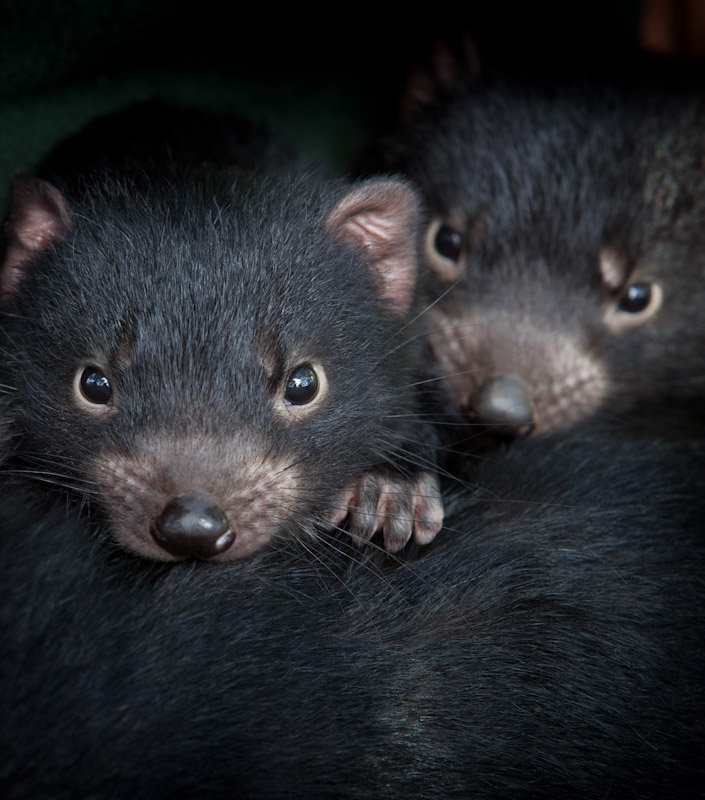
*Photo courtesy Greg Irons
Links:
Project reports on GlobalGiving are posted directly to globalgiving.org by Project Leaders as they are completed, generally every 3-4 months. To protect the integrity of these documents, GlobalGiving does not alter them; therefore you may find some language or formatting issues.
If you donate to this project or have donated to this project, you can receive an email when this project posts a report. You can also subscribe for reports without donating.