By Sara Steffen | Director of Conservation
“Oh no, I found a turtle in the winter. What do I do?!”
It’s a nice, warm, winter day. One that makes you want to stay outside and maybe work in your yard. You decide to work on the water runoff in your yard that you’ve been ignoring all year. So, you get out the shovel and start digging. Uh oh, what was that…a rock? Upon further inspection, you dig a little more and realize that what you hit was a box turtle! Oh no, what do you do?!
Well, if it wasn’t completely dug up and didn’t turn around to look at you, you could simply recover the turtle and allow it to continue bromating (reptile form of hibernation). However, what if you completely dig the turtle up, or it wakes up enough to run away from you? Your conscience is weighing on you, and you feel terrible for disturbing the poor critter. Well, this finally happened to us at Piedmont Wildlife Center.
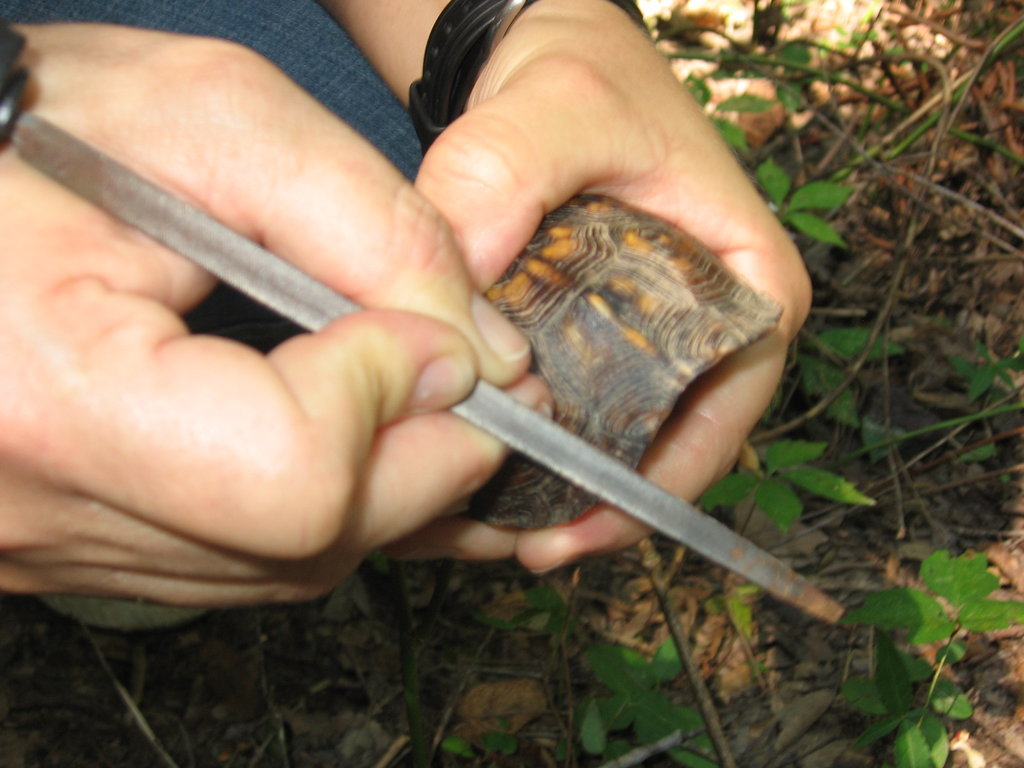
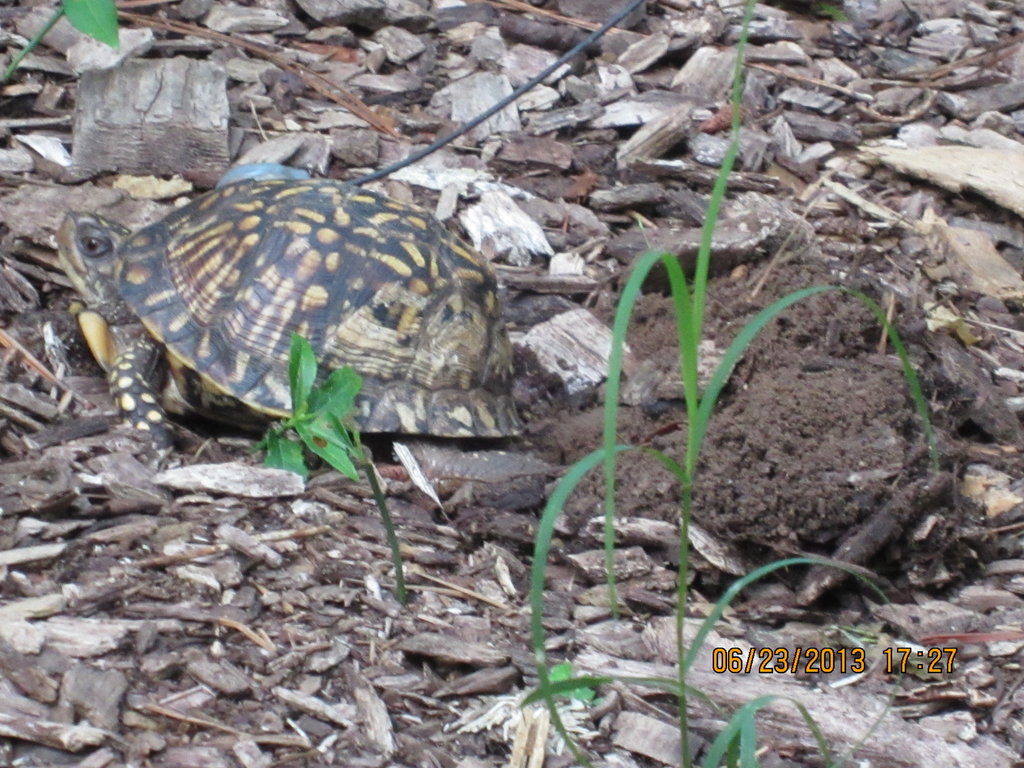
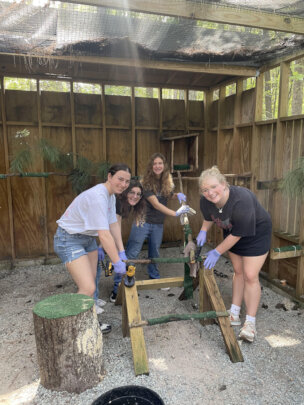
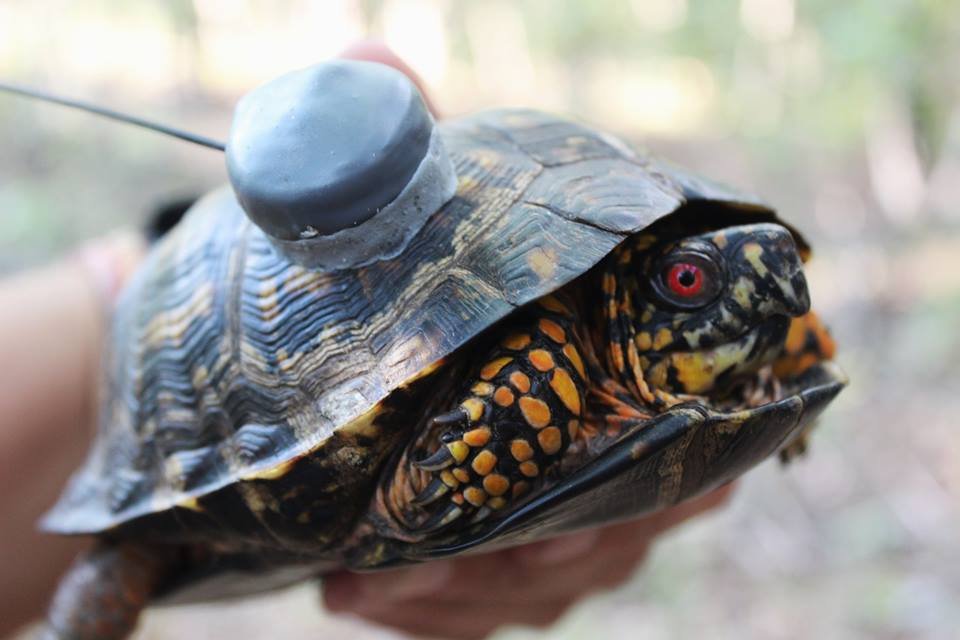
One weekend in early January, a group of volunteers were working hard to erect a new enclosure for our barred owls. While this was occurring, a few other volunteers were digging a drainage ditch to allow water to flow from our newly constructed enclosure. We happened to joke that we needed to be careful not to dig up any critters, especially a box turtle. We were almost finished with our workday, when I hear “ohhh, Sara, guess what we found?” I turn around to look and find Micah holding a box turtle. Not just any box turtle, one of our transmitter turtles, “AKV.” She was awake, looking around. Luckily this day was a warm one – about 60 degrees. It had been a rather warm week as well, so I wasn’t overly concerned about her coming out of brumation. However, box turtles unlike some of our other reptile friends, stay underground throughout the whole winter. So, digging her up obviously was stimulating her metabolism, and with no food in her belly this would affect her health. But HOW does it affect her health? We don’t know yet! Since she wasn’t injured, we decided to put her back exactly where she was and re-buried her with dirt.
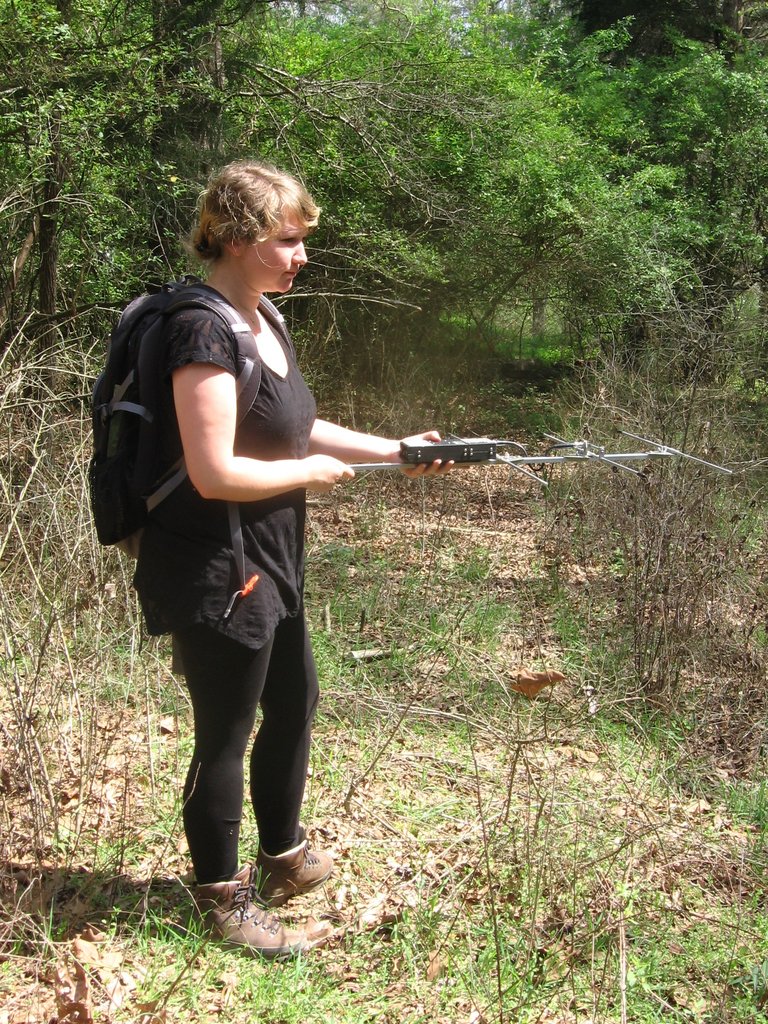
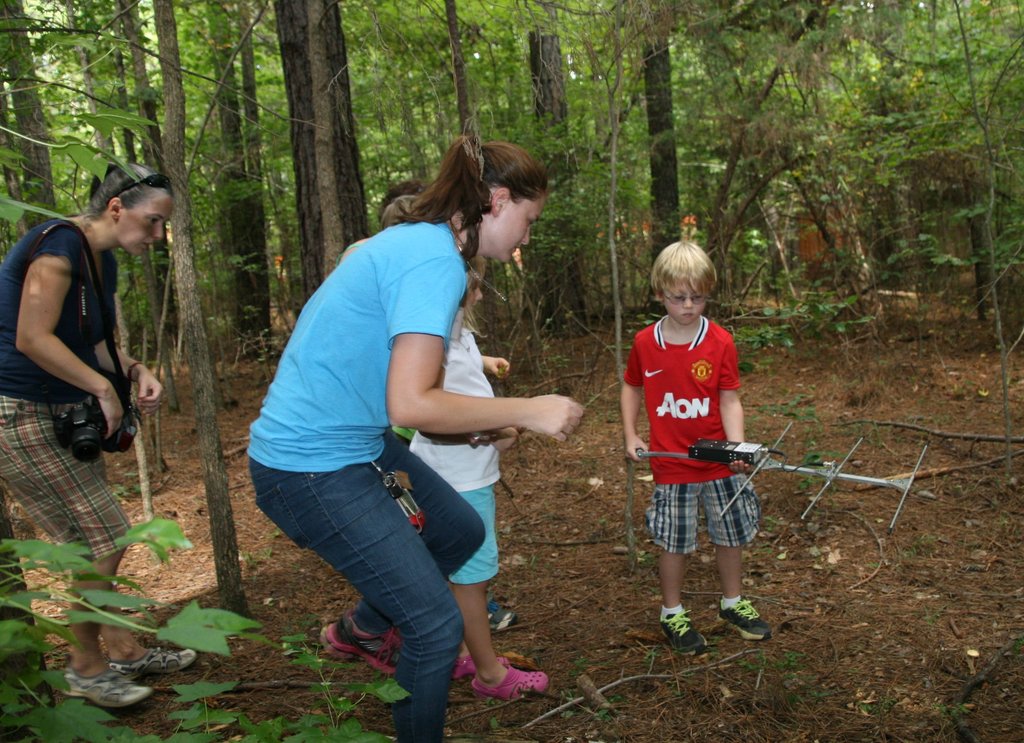
The exciting part about this is that since she has a radio transmitter, we can now monitor her movements to see if she woke up again after that or if she decided to brumate elsewhere. We’ve been monitoring her movements, and she has stayed right where we left her. Once she awakens this Spring, we’ll continue monitoring her to see if this mid-winter excitement had any effect on her health. Oftentimes, box turtles will awaken from brumation with upper respiratory symptoms if they were unhealthy prior or during the winter months.
This may not be the best course of action for every turtle (or other reptile) that is found in the winter. However, the best rule of thumb, especially if you just happen to see a reptile in the winter, is to leave it alone. Prior to “AKV” being dug up, she was actually out walking around the first week of January. It was a warm week, but that is not typical for box turtles. However, we believe that “AKV” knows best (and definitely better than us humans), so again we recorded data and continuee to monitor her. We will keep you posted on “AKV” after she awakens from brumation!
Links:
Project reports on GlobalGiving are posted directly to globalgiving.org by Project Leaders as they are completed, generally every 3-4 months. To protect the integrity of these documents, GlobalGiving does not alter them; therefore you may find some language or formatting issues.
If you donate to this project or have donated to this project, you can receive an email when this project posts a report. You can also subscribe for reports without donating.