By Sara Steffen | Director of Conservation
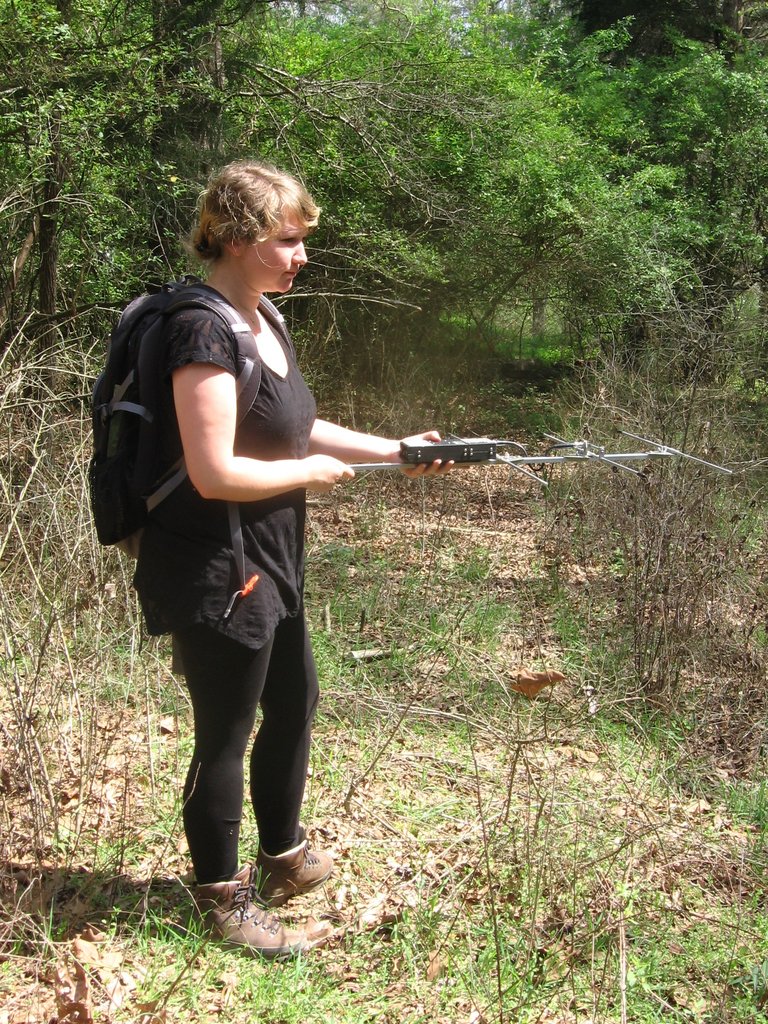
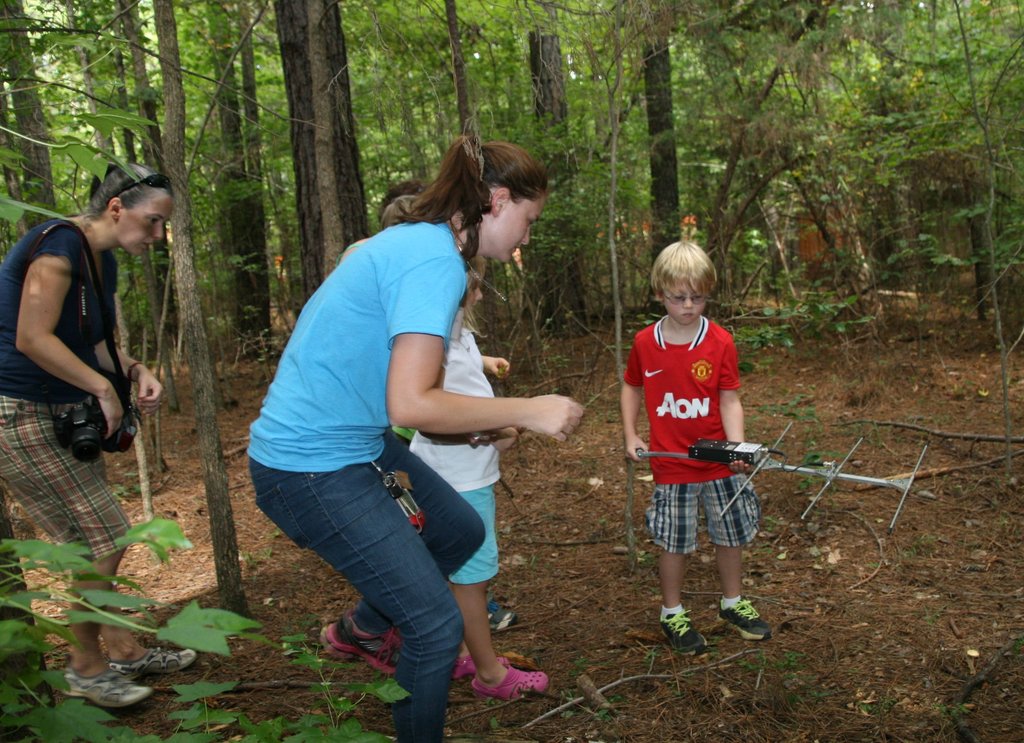
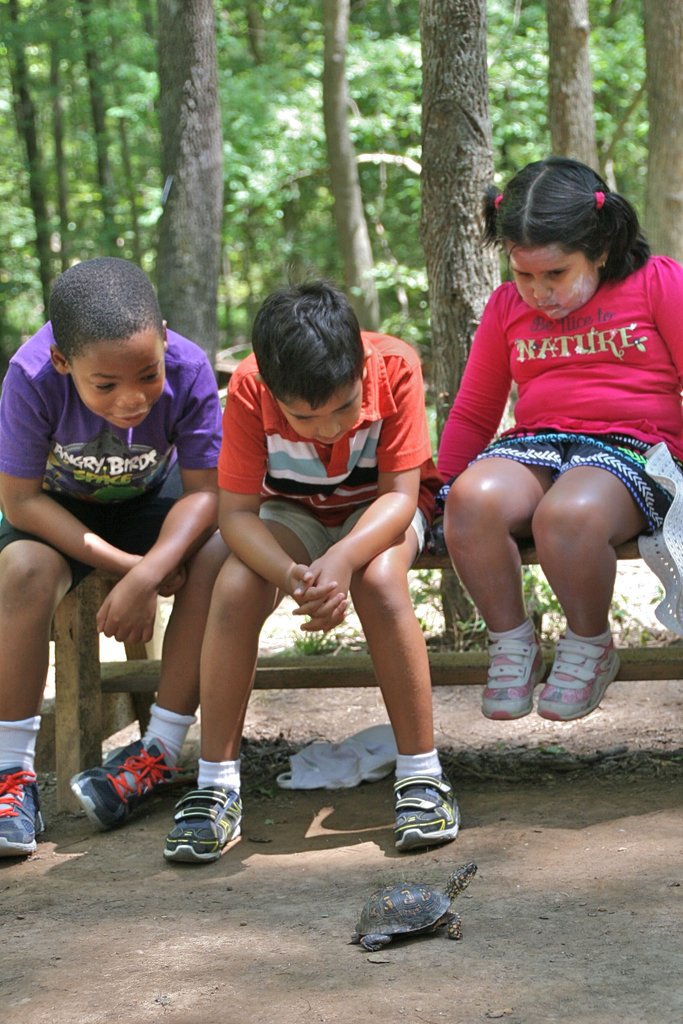
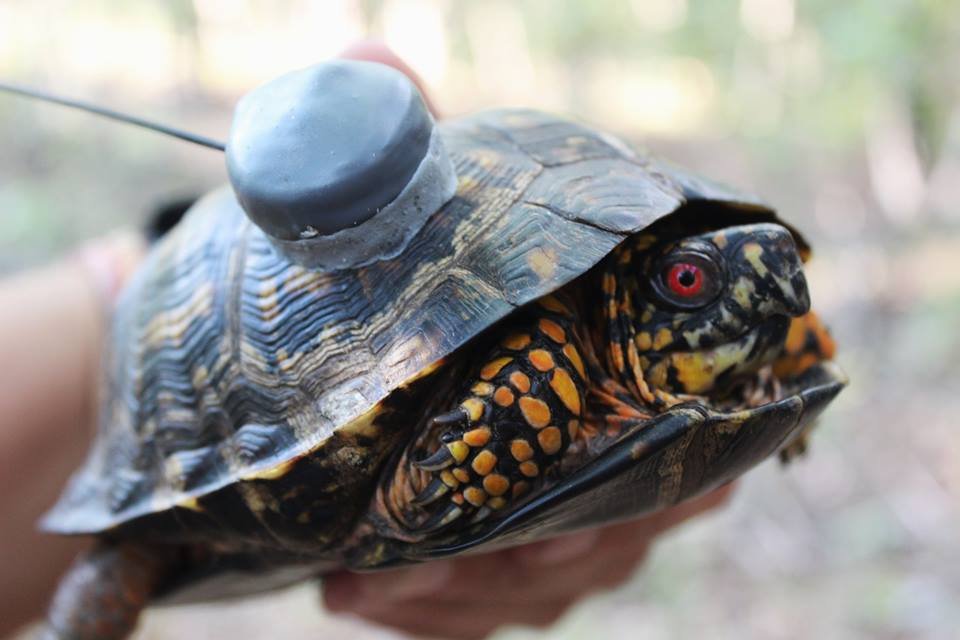
Thanks to your support, we were able to purchase new transmitters for all 8 of our box turtles this fall. This is one of the biggest expenses of our turtle project and due to the small size of the transmitter batteries, we have to purchase them every 2 years. Since we’ve been monitoring a few of these turtles for many years, we have a lot of data on them. This data can tell us about the overall health of the turtle. Did the turtle lose weight or gain weight? Has it grown since the first time we found it? (Adult turtles grow very slowly.) Does its shell appear to be healthy compared to past years?
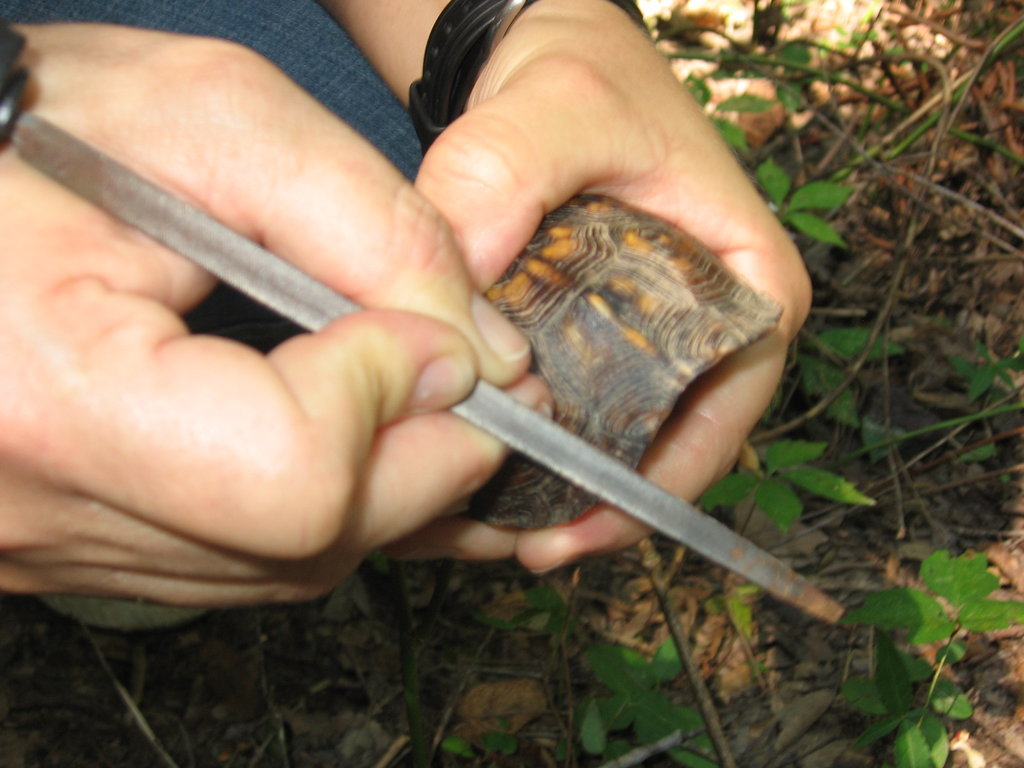
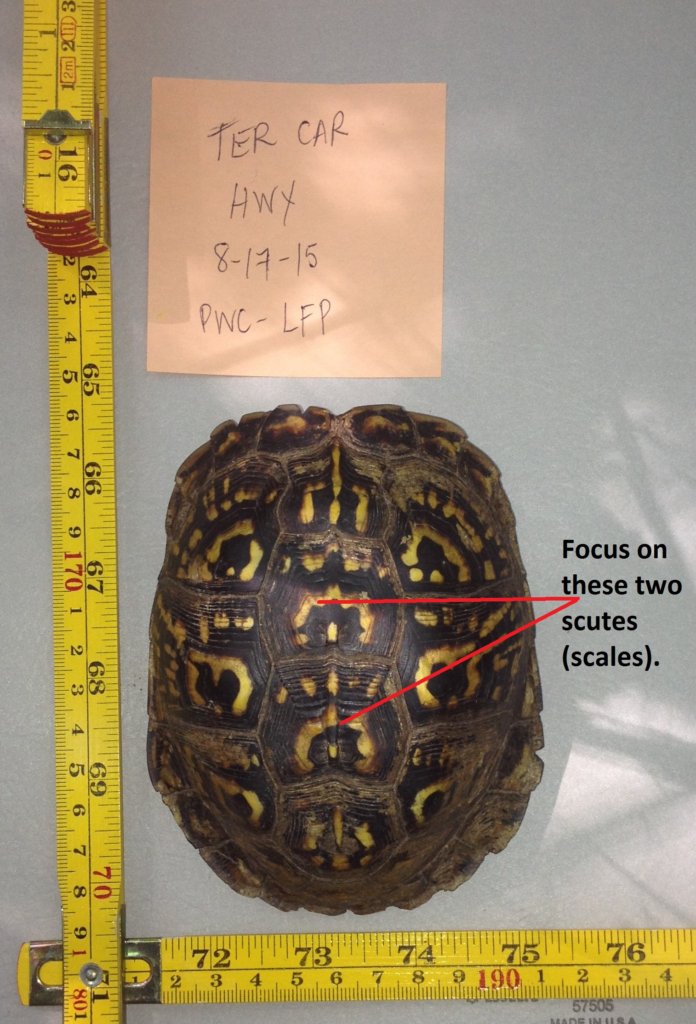
One finding we noticed in one of our turtles “LOP” is that her shell has deteriorated over the years. Box Turtle shells (like all turtles) are made up of keratin – the same stuff that’s in our finger nails. Turtles shed their scales (called scutes in turtles), but often times you won’t notice it because it happens in pieces, unlike a snake shedding. Shedding helps heal the shell from previous injuries, bacteria, or other wounds that may have hurt the shell. In addition, turtles shed as they grow. Occasionally though, we find turtle shells that look worse after a couple of years…so what’s happening there?
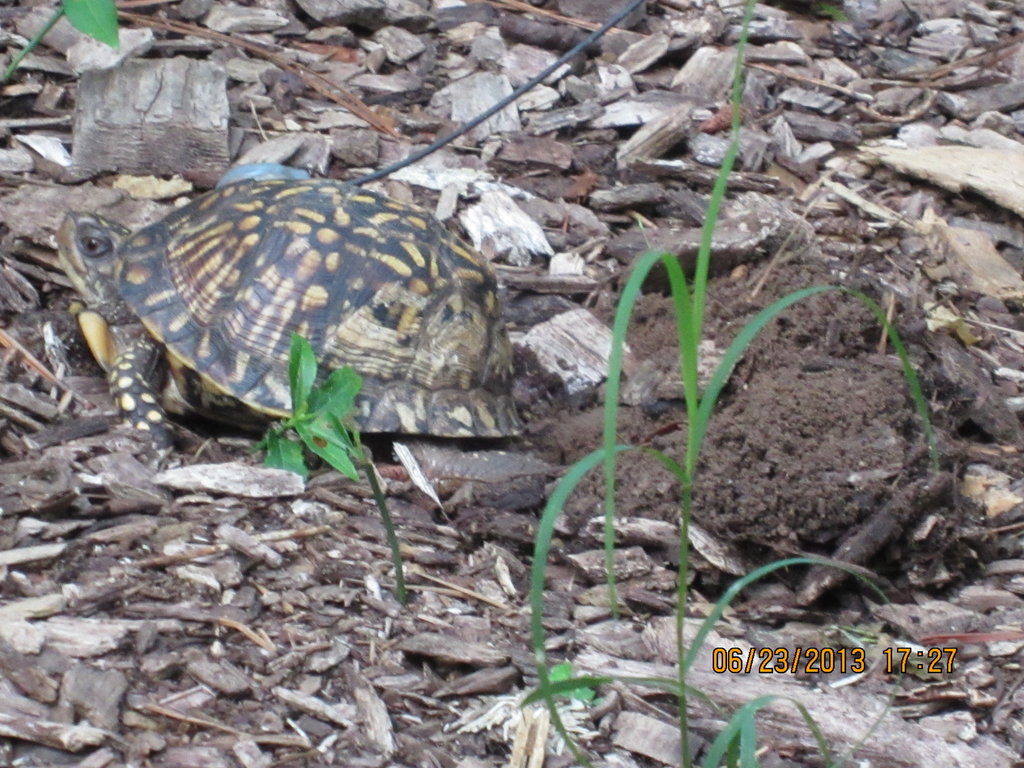
We’ve often assumed it’s due to poor nutrition or that the turtle has lived a long life and is just old. Recently though, a colleague and I have been concerned about a large amount of turtles having the same type of shell problems. Kayla Hendrix, at the NC Wildlife Resources Commission, studies box turtles at Lake Raleigh Woods in Raleigh and would occasionally send me photos of the box turtles she would find. One thing we noticed is that almost every turtle photo she sent would have “flaking” or as they coined the phrase, “acid washing.” She actually thought this was completely normal, because she hadn’t seen many turtles in Lake Raleigh Woods without the “acid washing.” On the other hand, I had started seeing more turtles in Leigh Farm Park in Durham that showed this flaking or deterioration of their shell. I had always assumed it was due to old age, but as it became more prevalent among our box turtles, I started getting concerned.
The tipping point was when I changed a transmitter on turtle “LOP.” I compared photos of her from throughout the years, and each year her shell was getting worse, with less coloration and more keratin flaking. This concern was discussed with world-renowned box turtle experts at University of Indiana and North Carolina State University. These veterinarians had no idea what could be causing it, but reminded us that many new bacterial and fungal diseases are occurring in many different animals. Some tend to be very fatal (like ranavirus in frogs and snake fungal disease), and some we don’t know much about. So, our next steps in this process to do a preliminary test in a couple of turtles to see what this could possibly be. The results of the tests will determine what the next course of action is. We’ll make sure we keep you posted! In the meantime, keep sending us photos – if this is a new disease your photos can help us determine if turtles across the US are being affected, or if it's only happening in certain locations.
Happy Turtling!
Links:
Project reports on GlobalGiving are posted directly to globalgiving.org by Project Leaders as they are completed, generally every 3-4 months. To protect the integrity of these documents, GlobalGiving does not alter them; therefore you may find some language or formatting issues.
If you donate to this project or have donated to this project, you can receive an email when this project posts a report. You can also subscribe for reports without donating.