By Grace Bowman | Conservation Assistant
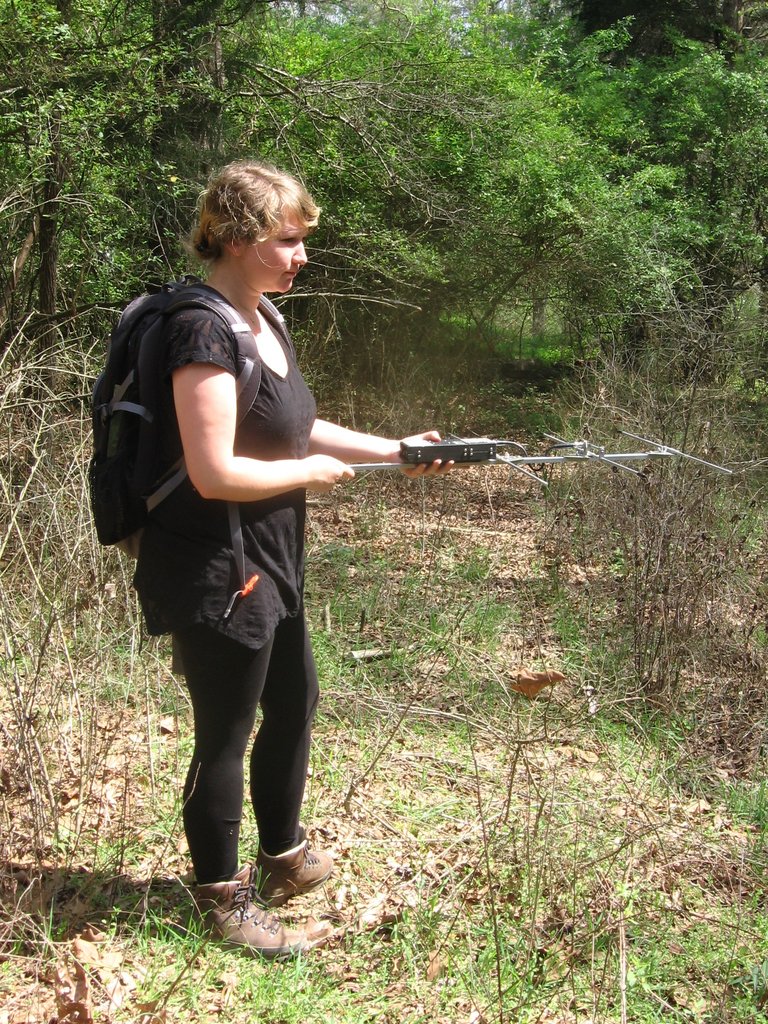
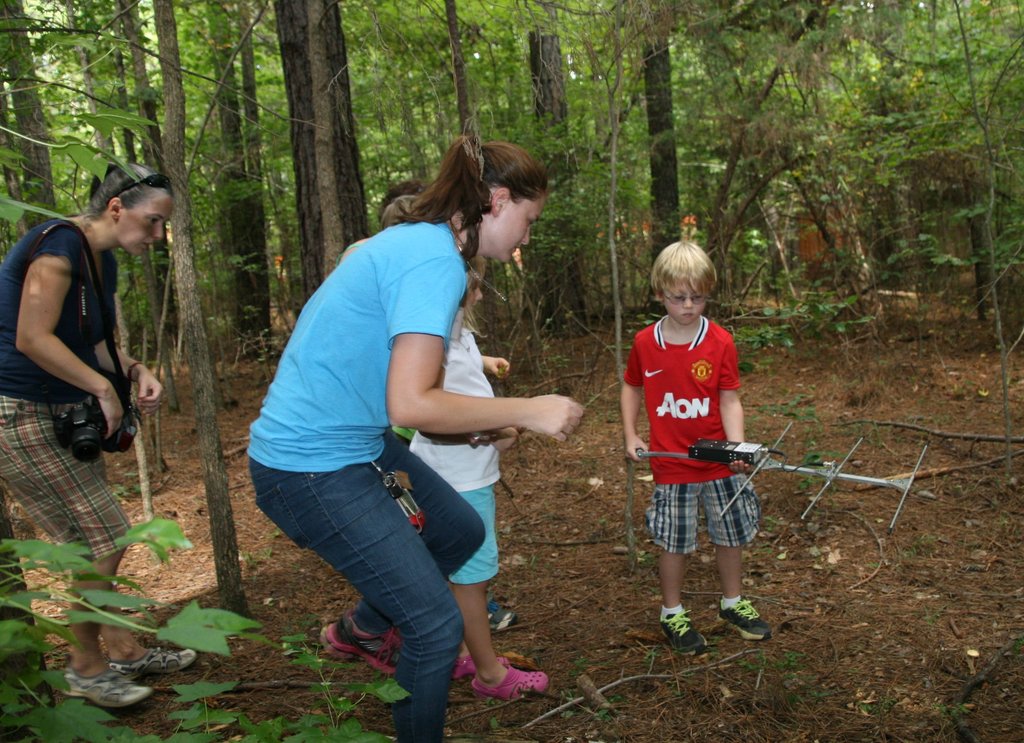
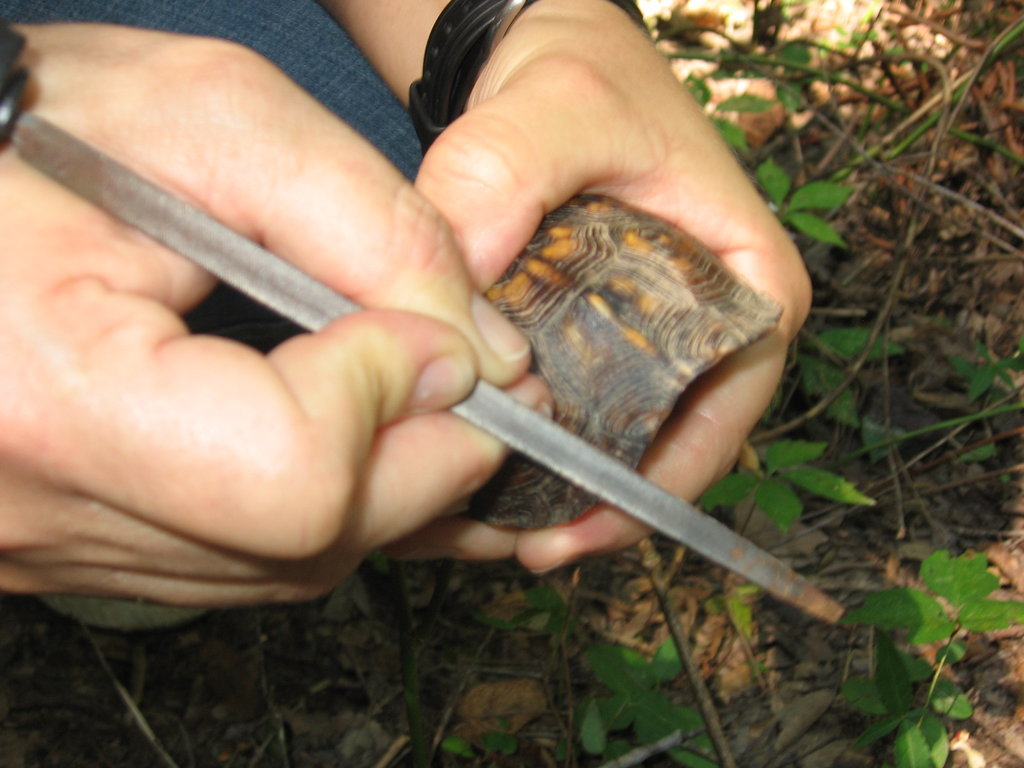
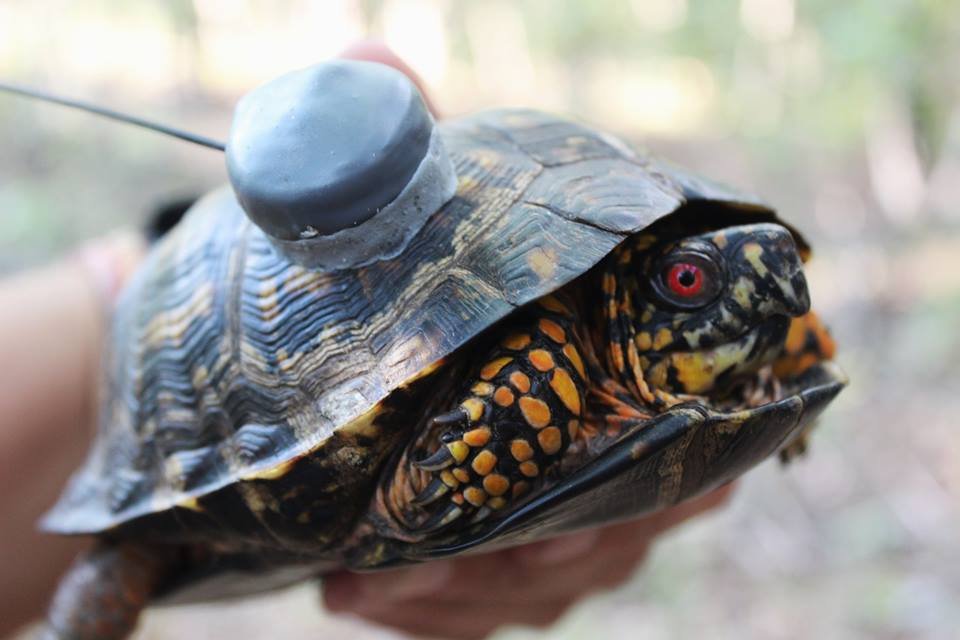
It's almost the end of January, which means box turtles are deep into their hibernation (also called brumation for reptiles). The turtles we are currently tracking on our property entered brumation in November. During this time, their metabolism slows drastically, and their bodies prepare for the upcoming breeding season--the colder weather actually initiates essential processes in their reproductive systems.
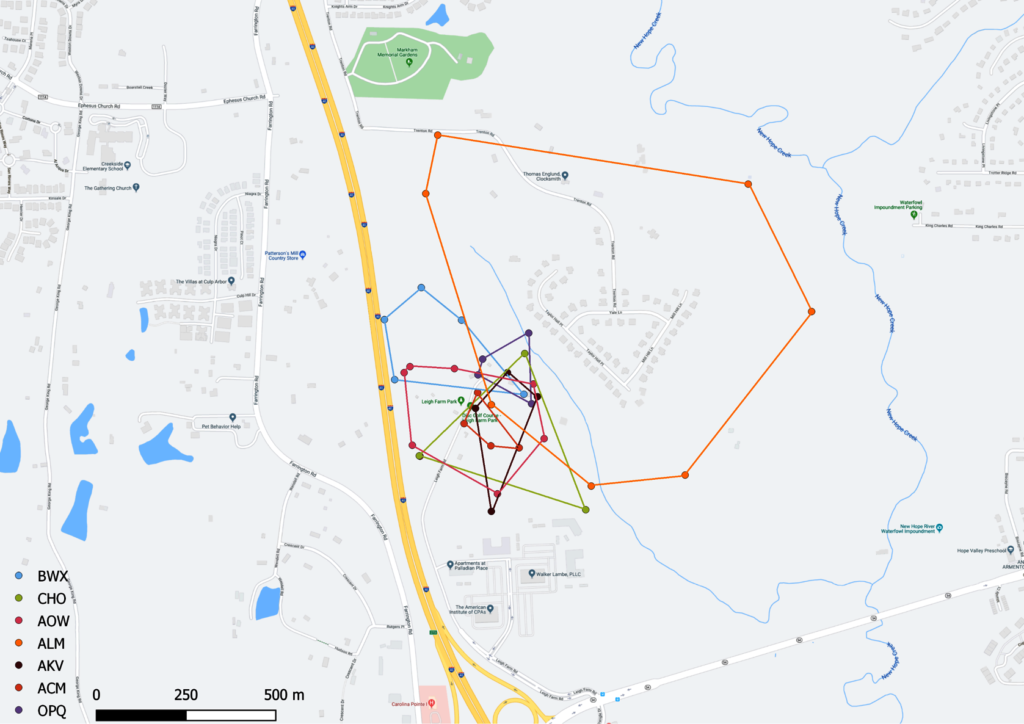
Since it's a slower time for data collection, we are able to take a closer look at the data we've collected thus far. Our fall Intern, Jenna, created a map (featured above) displaying the home ranges for each of the turtles we track. As you can see, some turtles covered a lot more ground than others. Compare, for example, ALM to ACM--a huge difference!
What accounts for this significant variation in home range size? It appears that, generally, our female turtles have larger ranges than males; some research suggests that females travel farther in search of ideal nesting sites, but more research will help confirm this and other trends we see. The more data we collect for a longer period of time, the clearer this will become!
With your support, we can continue collecting and analyzing data and get a better idea of how and why we see this variation, and to create a more accurate estimate of the average home range for box turtles. This type of data is essential for developing effective conservation plans to protect box turtles, a species in decline.
Thank you for your commitment to protecting our state reptile!
Project reports on GlobalGiving are posted directly to globalgiving.org by Project Leaders as they are completed, generally every 3-4 months. To protect the integrity of these documents, GlobalGiving does not alter them; therefore you may find some language or formatting issues.
If you donate to this project or have donated to this project, you can receive an email when this project posts a report. You can also subscribe for reports without donating.