By Casey Bradley and Chase Carey | Wildlife Conservation Interns
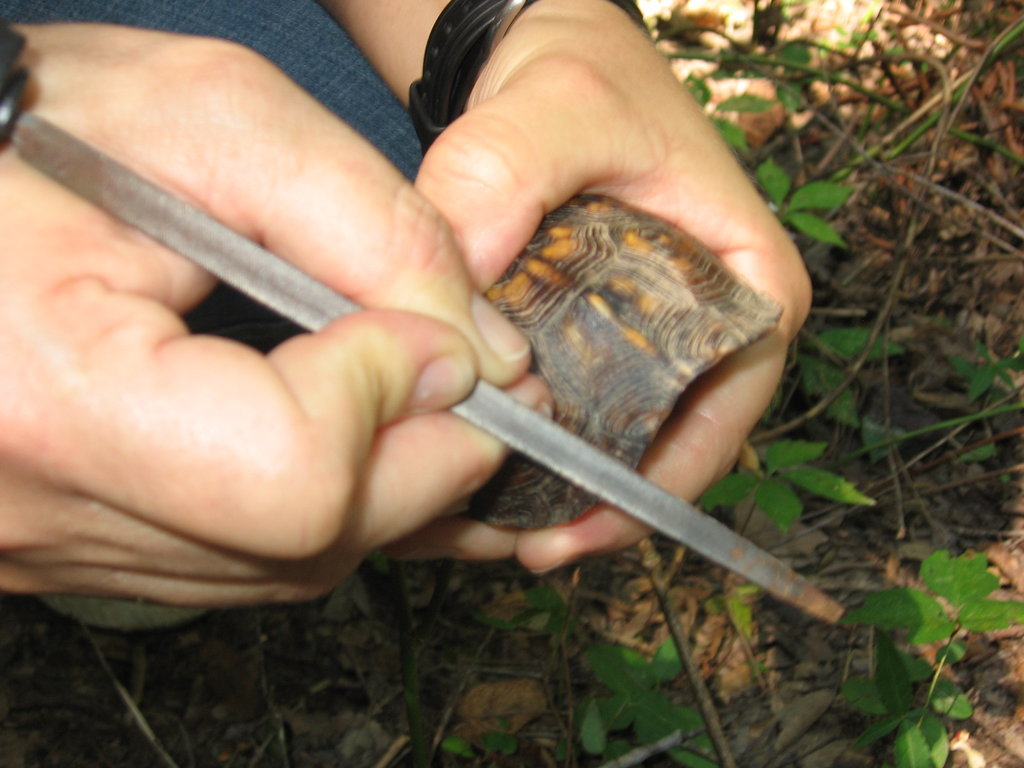
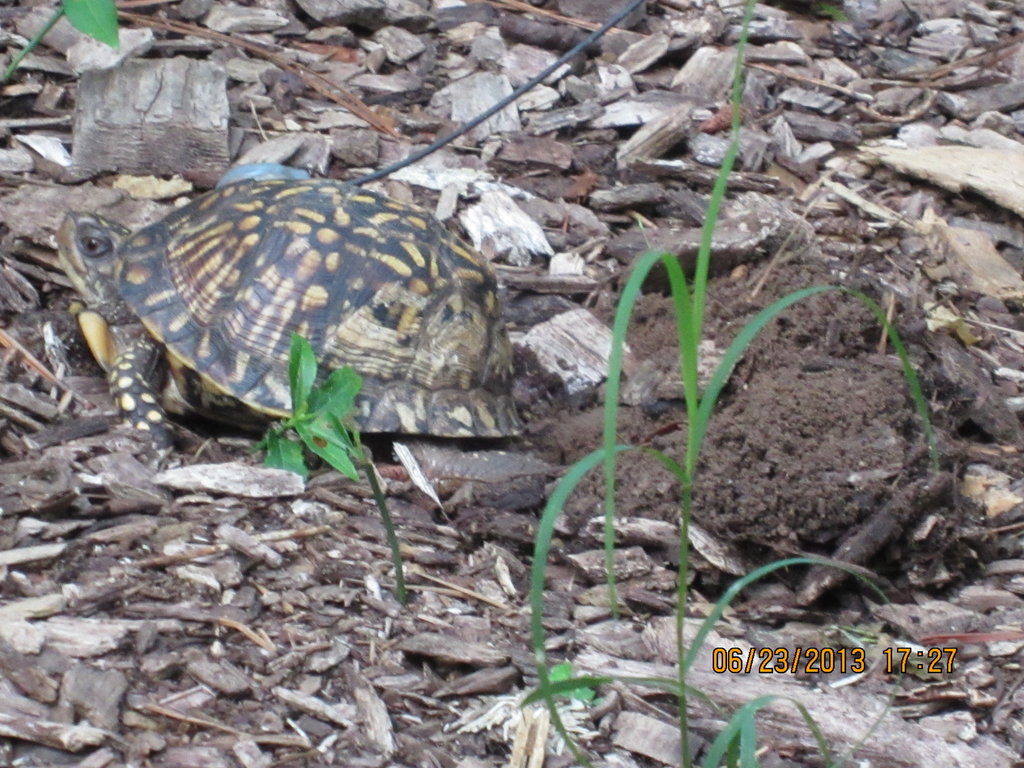
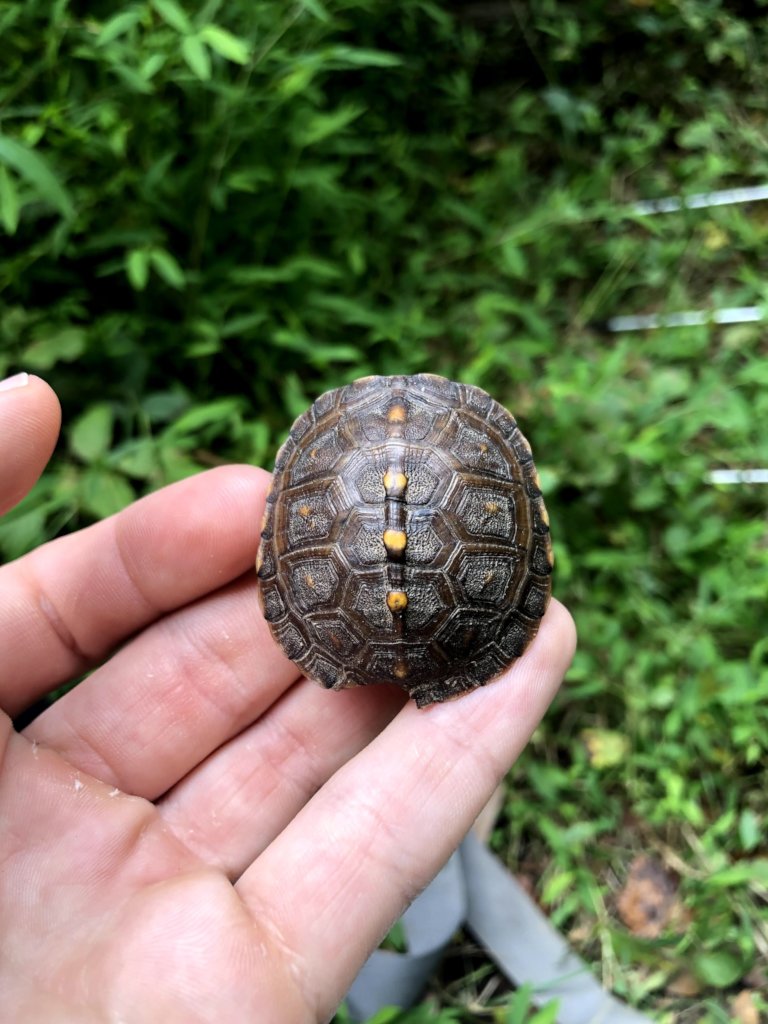
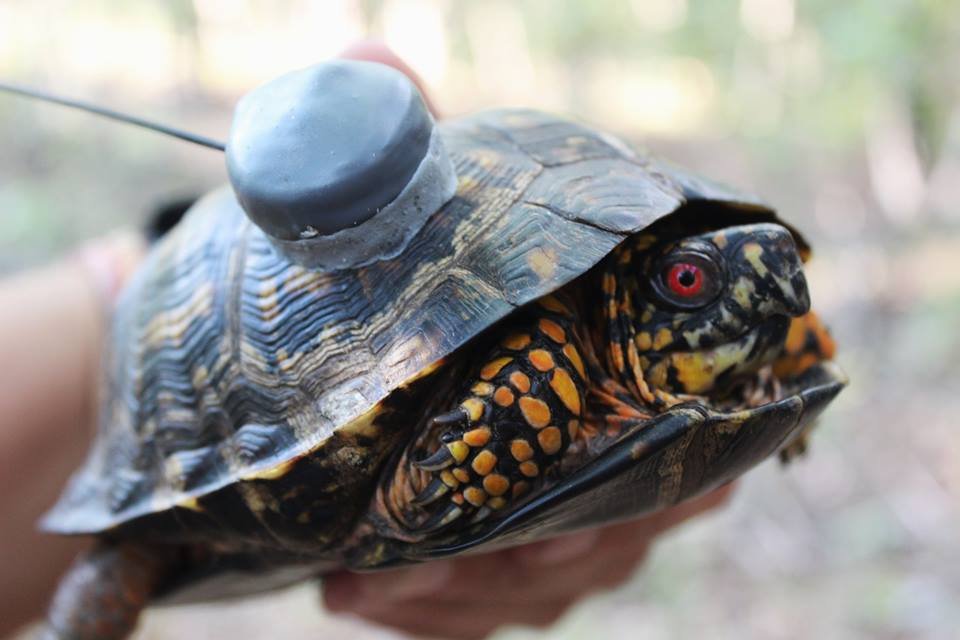
Our turtles have been busy since our last update. The leaves are changing and the weather is starting to cool down, so we have been finding our turtles underground more and more as they prepare for brumation, but they still show off their shells on a nice, rainy day. Over the course of the last month, we have been replacing our turtles' transmitters before they are all underground for the winter.
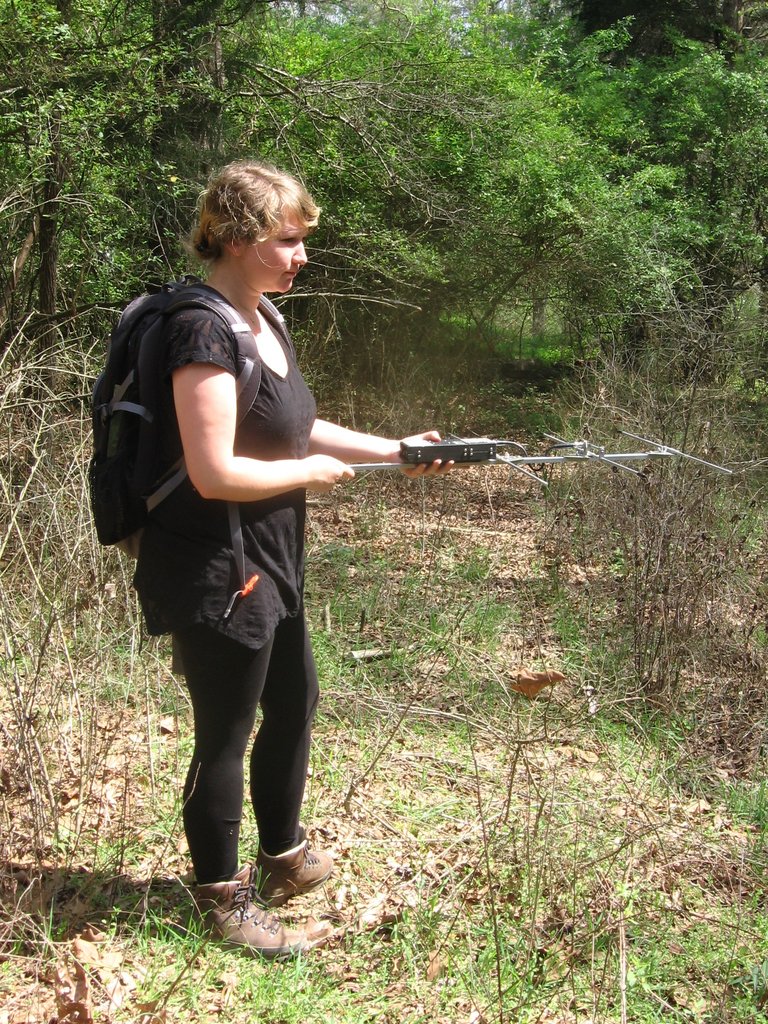
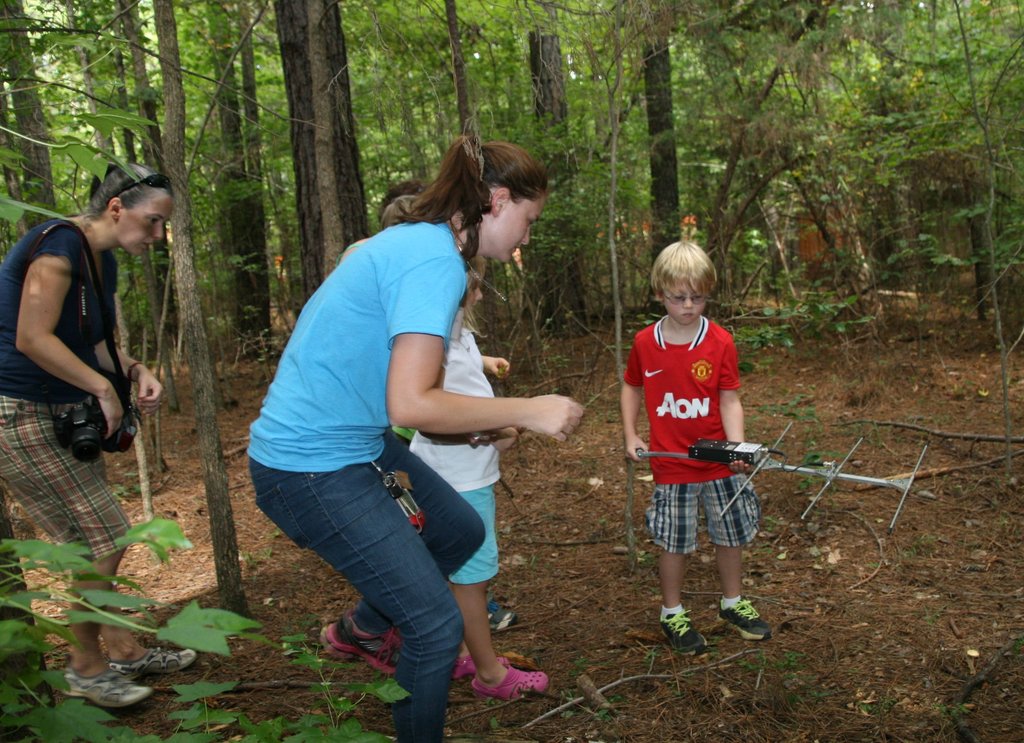
Even though our box turtles may be underground, we are still able to locate them via radio telemetry. Out of sight, but not out of tracking distance! In addition to hiding underground, eastern box turtles can have a home range anywhere from .5 to 10 acres! This makes finding turtles a true mystery. Radio telemetry is critical in being able to find and collect data on these sly creatures. You can think of radio telemetry as a wildlife biologist's magnifying glass!
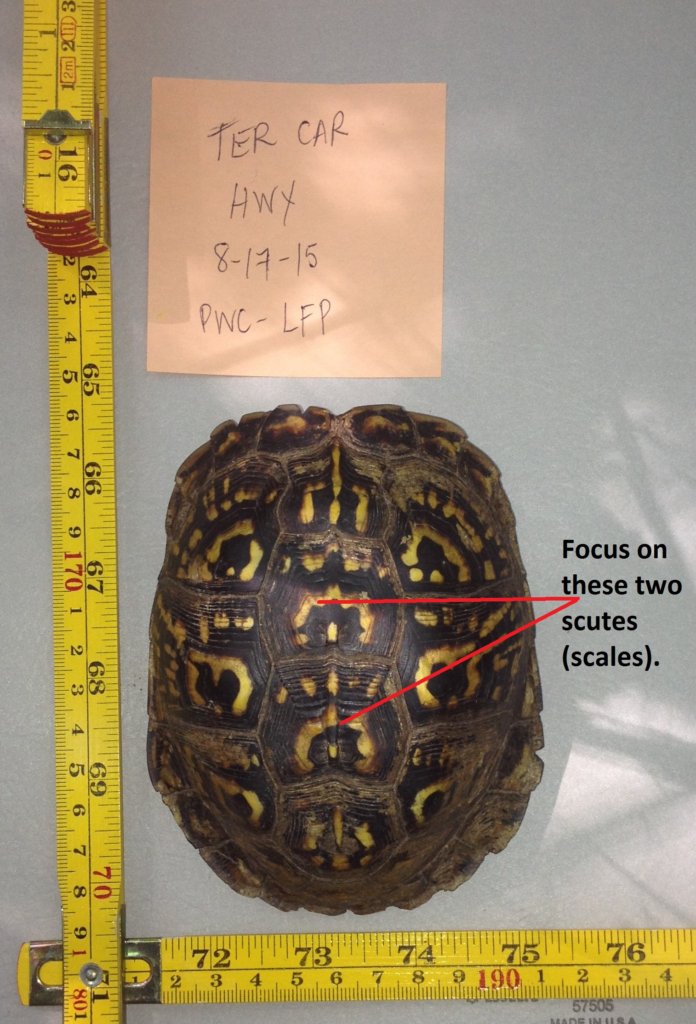
So why are we turtle detectives? In North Carolina, the North Carolina Wildlife Action Plan lists box turtles as a priority species and has initiated mark-recapture projects to help monitor box turtle populations and alert wildlife biologists of any changes in their numbers. Piedmont Wildlife Center is instrumental in this research through its Turtle Trekkers citizen science project, Box Turtle Connections, and the monitoring of seven local box turtles via radio telemetry.
What is radio telemetry? Radio telemetry uses radio signals and requires the use of an antenna/receiver and a transmitter. Similar to your car radio, the receiver's antenna picks up on the electromagnetic frequency being emitted by the transmitter and transforms these radio signals into beeping sounds. Radio telemetry is different from GPS in that we do not get sent location data. We have to go out and search for the turtles via the beeping sound from the receiver. Think of it like The Hot and Cold game - the closer you get to a turtle with a transmitter on it, the louder the beep and the farther you get from a transmitter turtle the quieter the beep.
As can be seen, tracking turtles this way requires a lot of time and money! Since our last update, we have had to replace the old transmitters on the seven local box turtles we monitor. These transmitters have to be replaced every two years and are NOT cheap! In addition to the radio telemetry instruments, a handheld GPS is needed to mark the coordinates of the turtles once they are found. Fortunately, we are able to purchase these research tools due to the donations from our generous donors.
Therefore, we would like to send a special THANK YOU to our donors!!! Without their vital support, we would not be able to carry out these crucial conservation projects which aid in Eastern Box Turtle population monitoring.
Want to be a turtle detective? Participate in box turtle research via Piedmont Wildlife Center's Turtle Trekkers linked below. Donations are also a HUGE help! Donations can help pay for supplies such as the NEW transmitters we put our transmitter turtles. Supplies like these are extremely important to continue our research of Eastern Box Turtles and in turn, to saving the species.
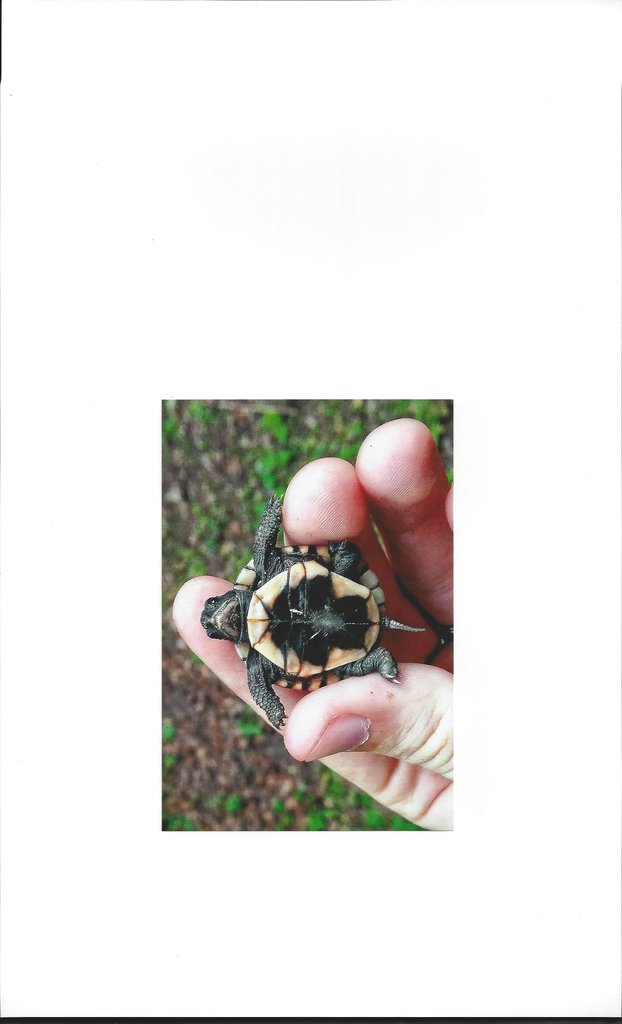
Who wouldn't want to help save this cute little guy?
Links:
Project reports on GlobalGiving are posted directly to globalgiving.org by Project Leaders as they are completed, generally every 3-4 months. To protect the integrity of these documents, GlobalGiving does not alter them; therefore you may find some language or formatting issues.
If you donate to this project or have donated to this project, you can receive an email when this project posts a report. You can also subscribe for reports without donating.