By Sara Steffen | Conservation Coordinator
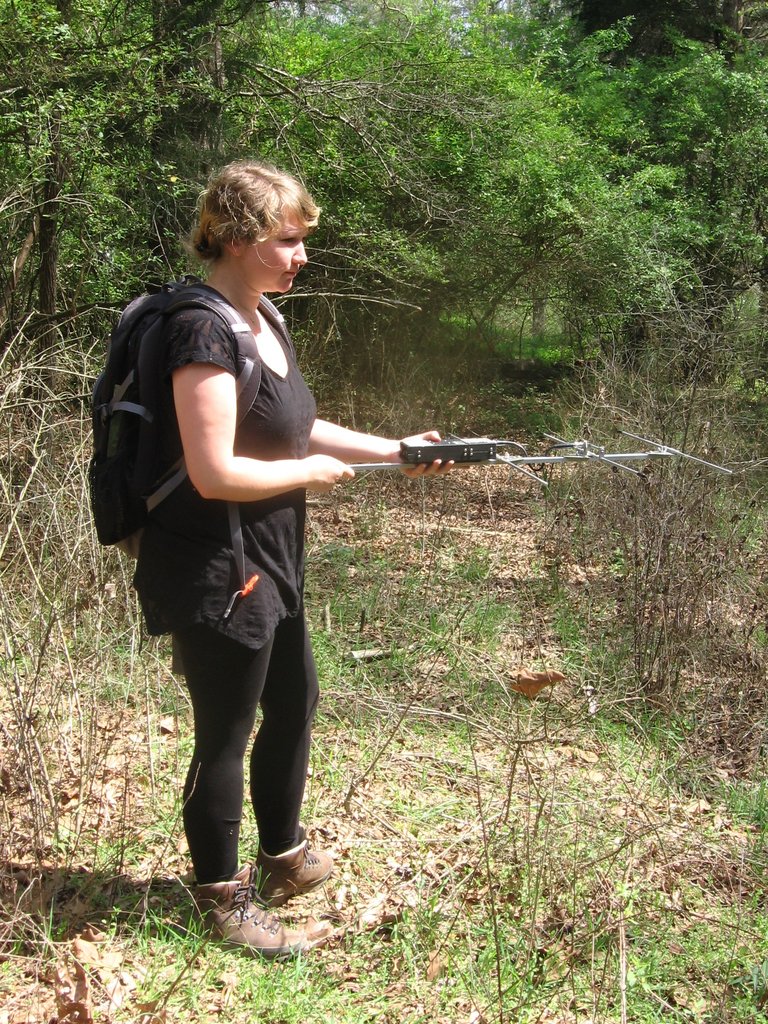
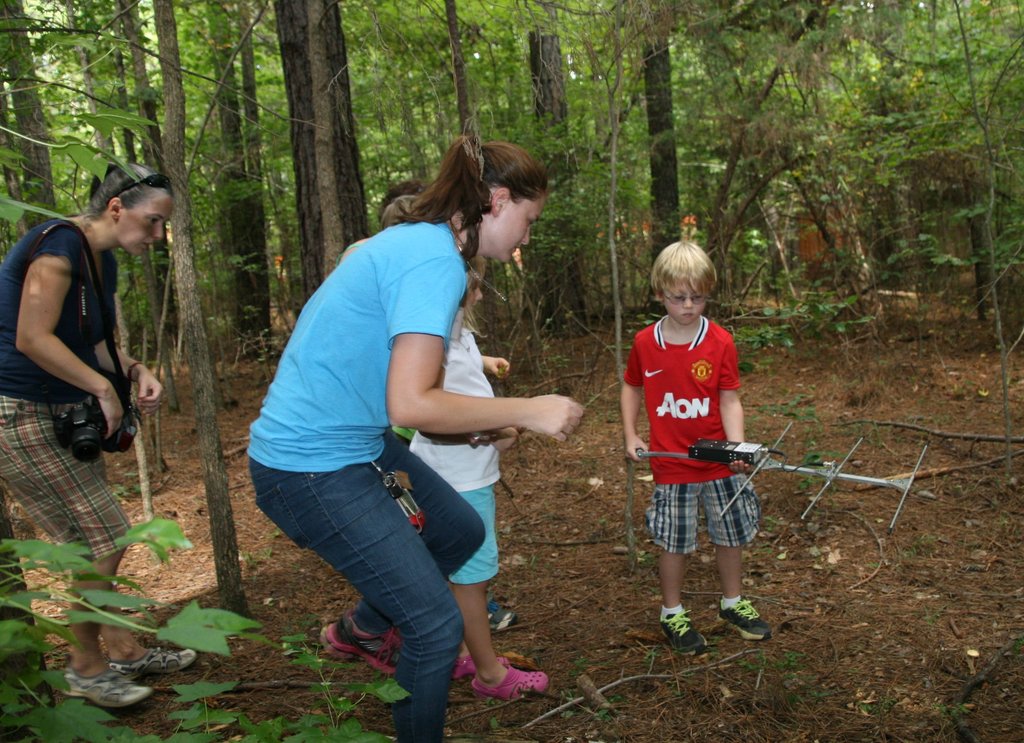
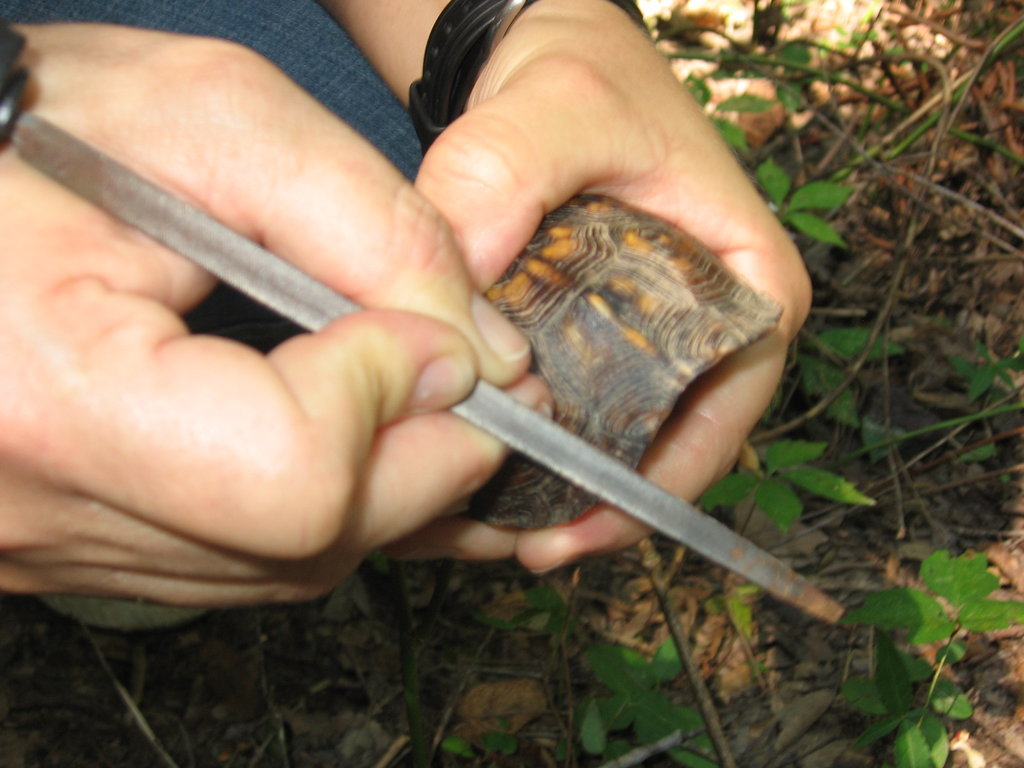
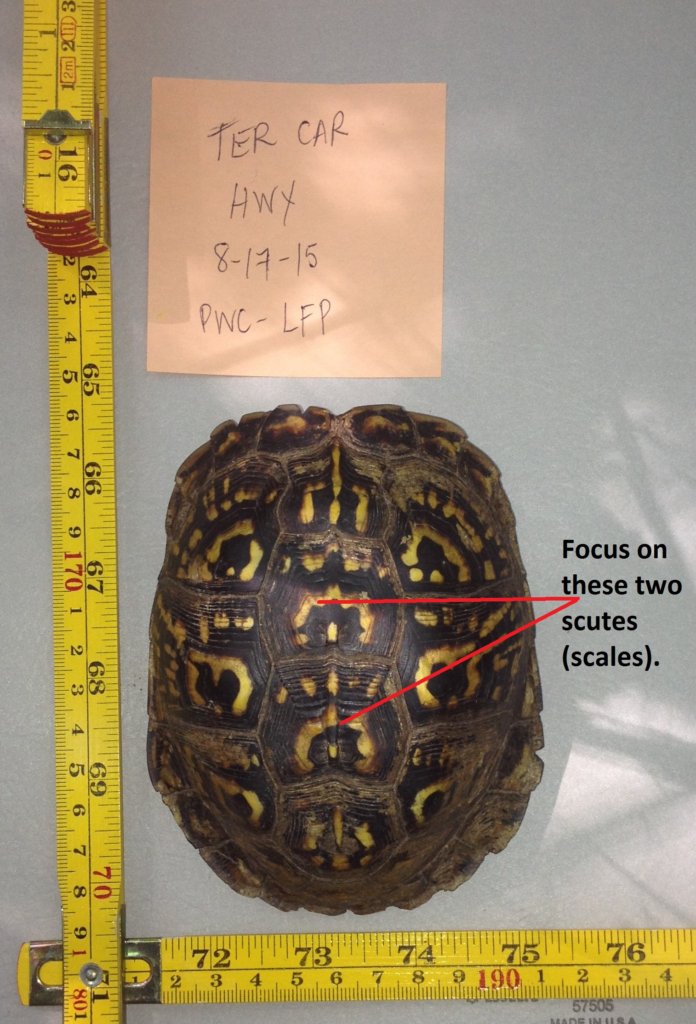
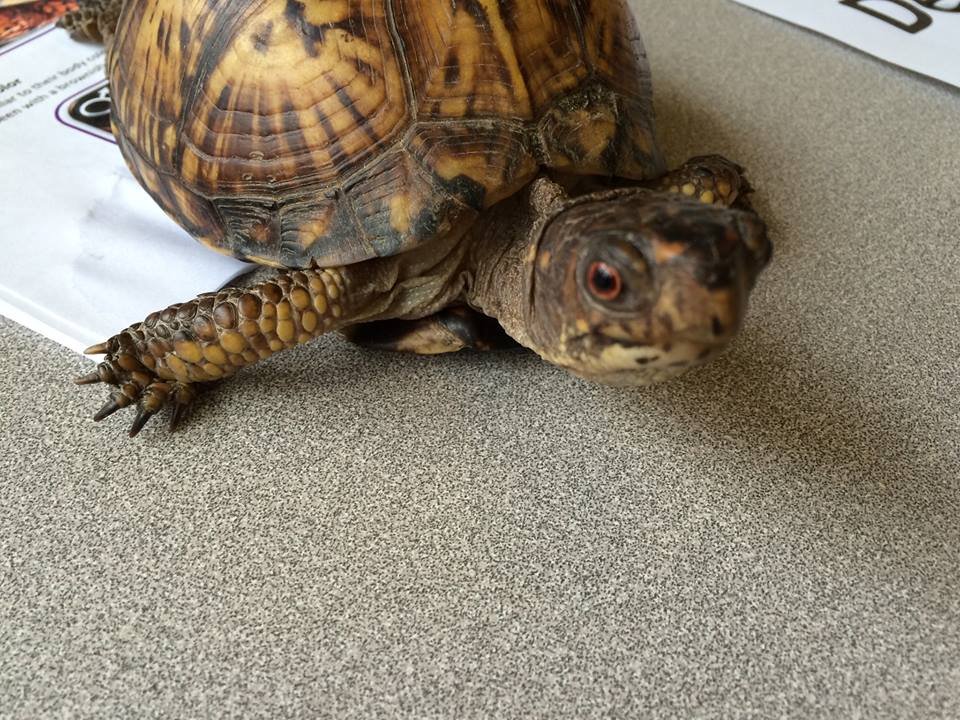
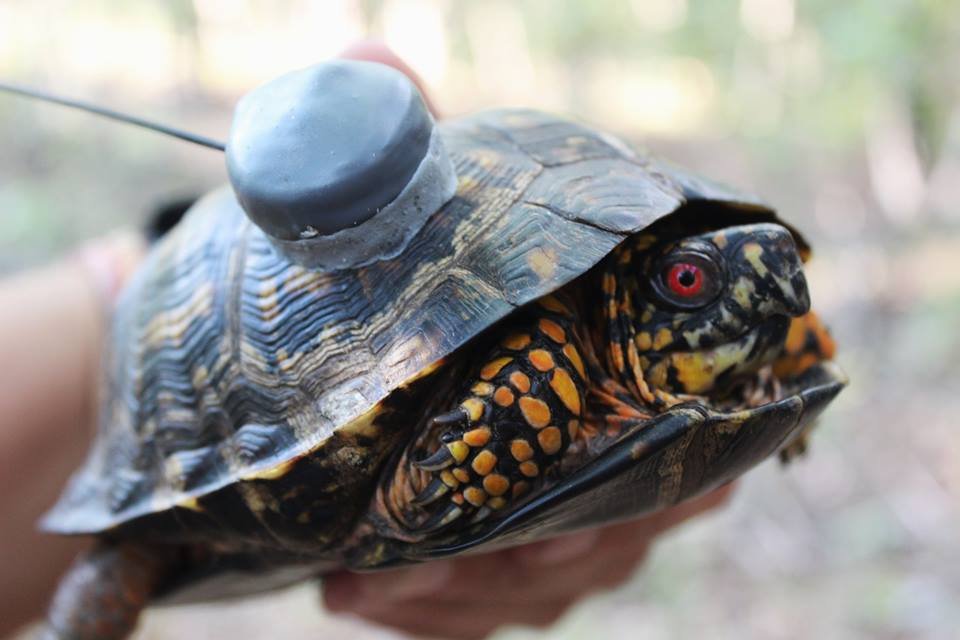
In addition to using radio telemetry to track Eastern box turtles in Leigh Farm Park, we are also part of a statewide study called The Box Turtle Connection. This study was created by two professors at UNCG, Ann Somers and Catherine Matthews. This study hopes to study box turtle population sizes in NC for at least 100 years. Our current data will serve as baseline estimates to help us determine if future populations are increasing or decreasing. For this study we mark our turtles with a nail file on their marginal (outer) scutes. This lets us know which turtles we have seen before, and which are new to the project.
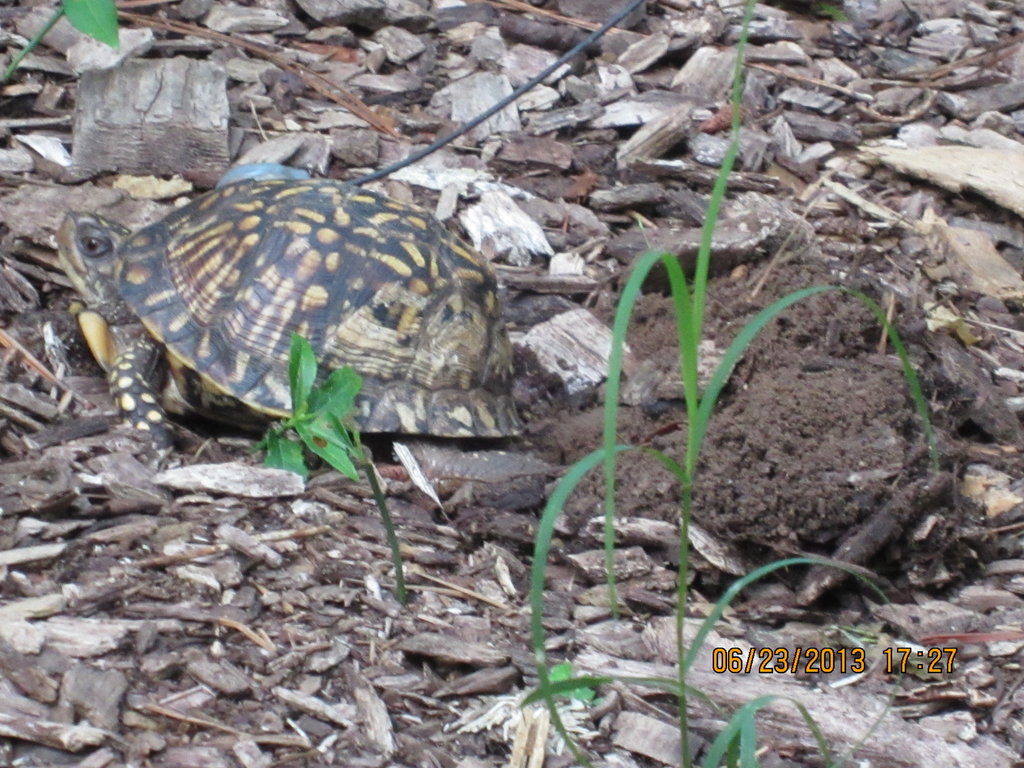
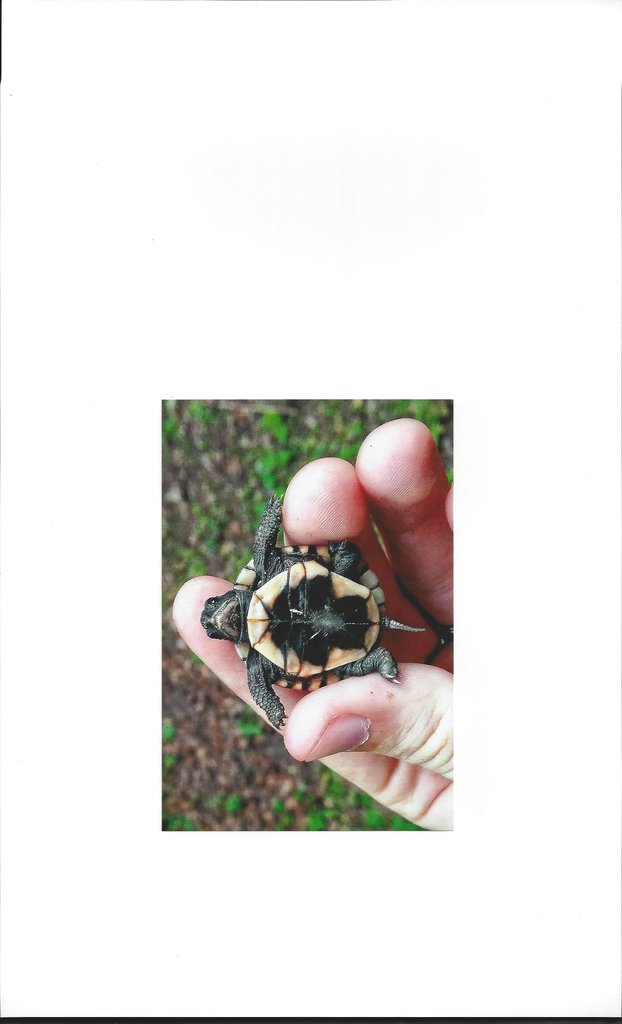
Conservation Coordinator, Sara Steffen, recently presented at the bi-annual Box Turtle Connection meeting and discussed the box turtles that reside in Leigh Farm Park. Sara commented that “over 5 years, we have found 284 turtles in our 100-acre park. We have marked 161 turtles, which is the second highest number of turtles found in the sites that are participating in the Box Turtle Connection! We have recaptured 121 turtles that were previously marked. These numbers help us determine the population estimate of the turtles in our park.” While we don’t have a population estimate yet, we hope to have one soon. Every year we keep finding new turtles, which is a good sign for the turtles at Leigh Farm Park.
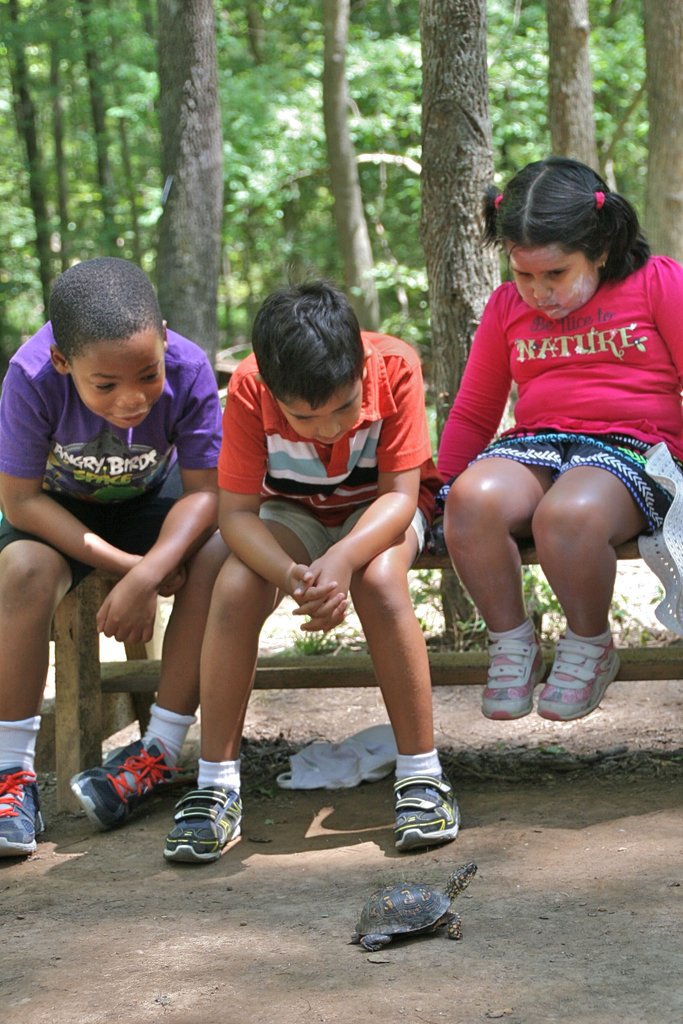
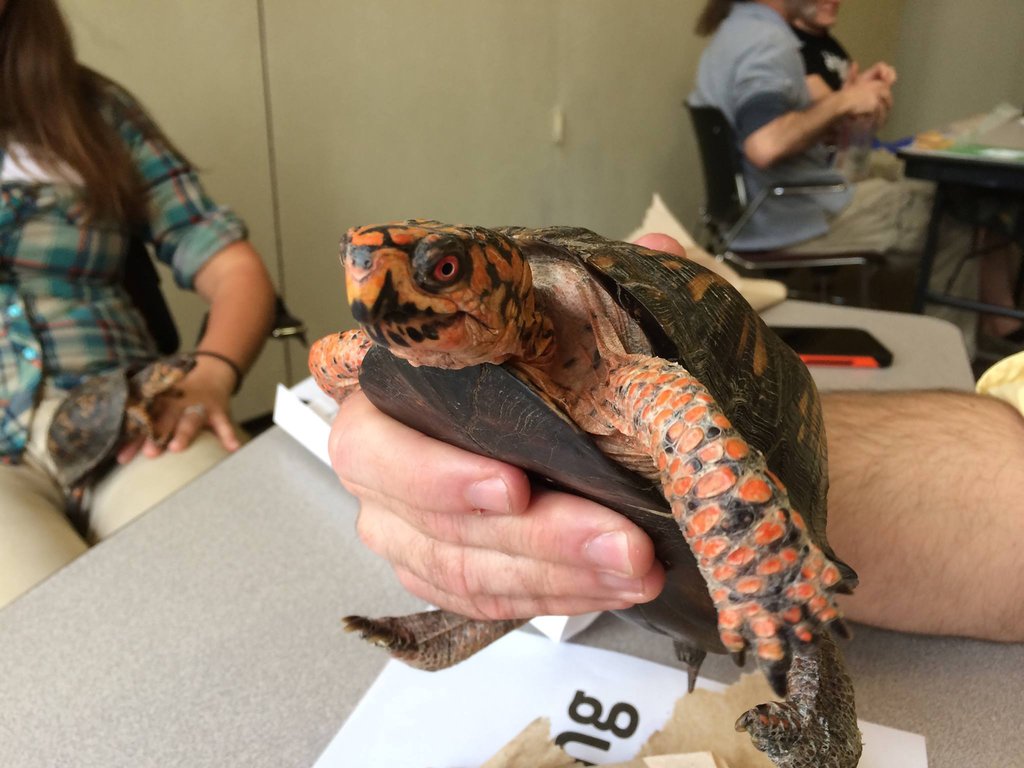
Interestingly, at the conference we discovered that we have a high male to female sex ratio in the park. That means for every 1 female we find in the park, we find 2 males! This data was unique to our park and one other park in Durham, NC. We don’t know what this means yet, but that’s why we need to keep researching! A potential thought is that males are more vibrantly colored than females, so perhaps they are more obvious in the forests – especially to summer camp children. Unlike humans, turtles’ sex is dependent on temperature in the nest. The cooler eggs (usually at the bottom of the nest) will become males, whereas the warmer eggs (usually at the top of the nest) will become females. Perhaps something about our site is affecting the temperatures in the nest.
Due to the high number of turtles in the park, we’re increasingly concerned that our site is not a good location to test out our re-introduction program. We want to make sure that any research we conduct won’t have a negative effect on our current population. With any species, re-introduction of individuals can cause more harm than good, especially if you are overpopulating a specific area. The best location for re-introduction would be a site that has the resources a box turtle would need: cover, space, food, and water. Our next goal is to find this site.
Thank you for your continued support of our Box Turtle Project! Your donations help support future research of our vulnerable eastern box turtles!
Links:
Project reports on GlobalGiving are posted directly to globalgiving.org by Project Leaders as they are completed, generally every 3-4 months. To protect the integrity of these documents, GlobalGiving does not alter them; therefore you may find some language or formatting issues.
If you donate to this project or have donated to this project, you can receive an email when this project posts a report. You can also subscribe for reports without donating.