By Sara Steffen | Conservation Coordinator
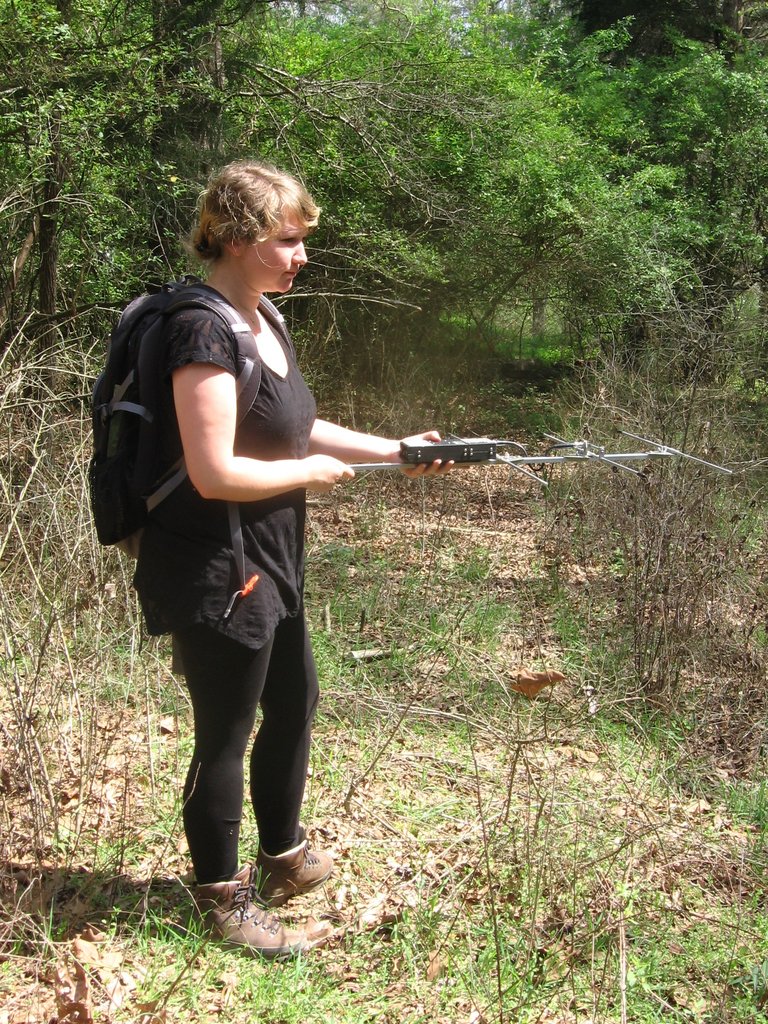
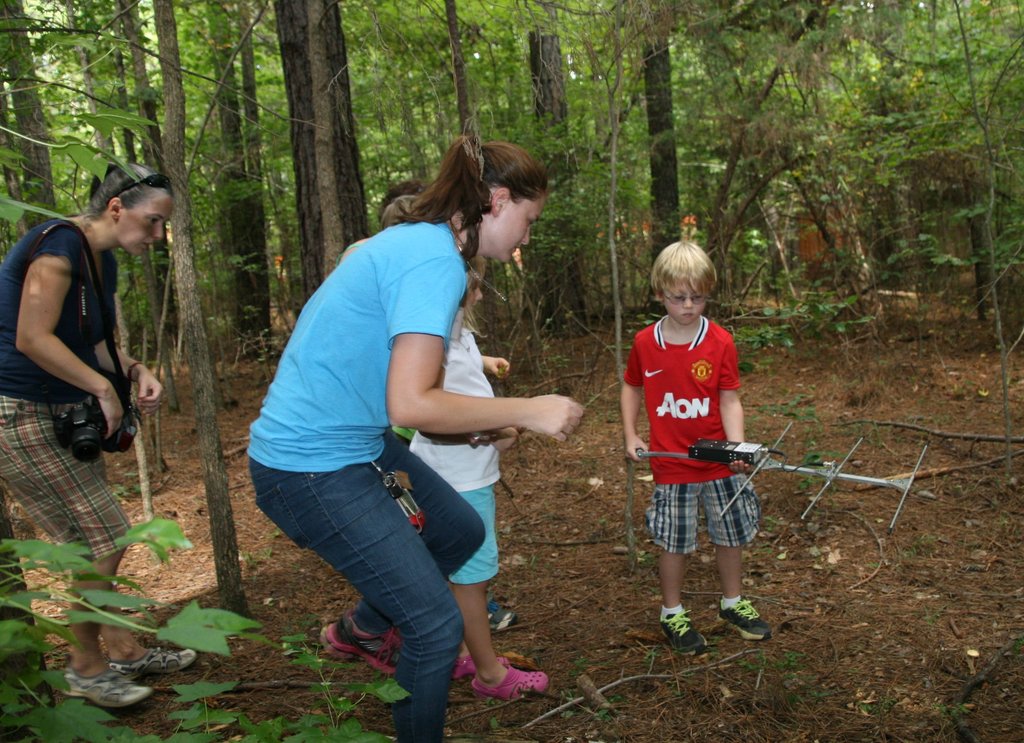
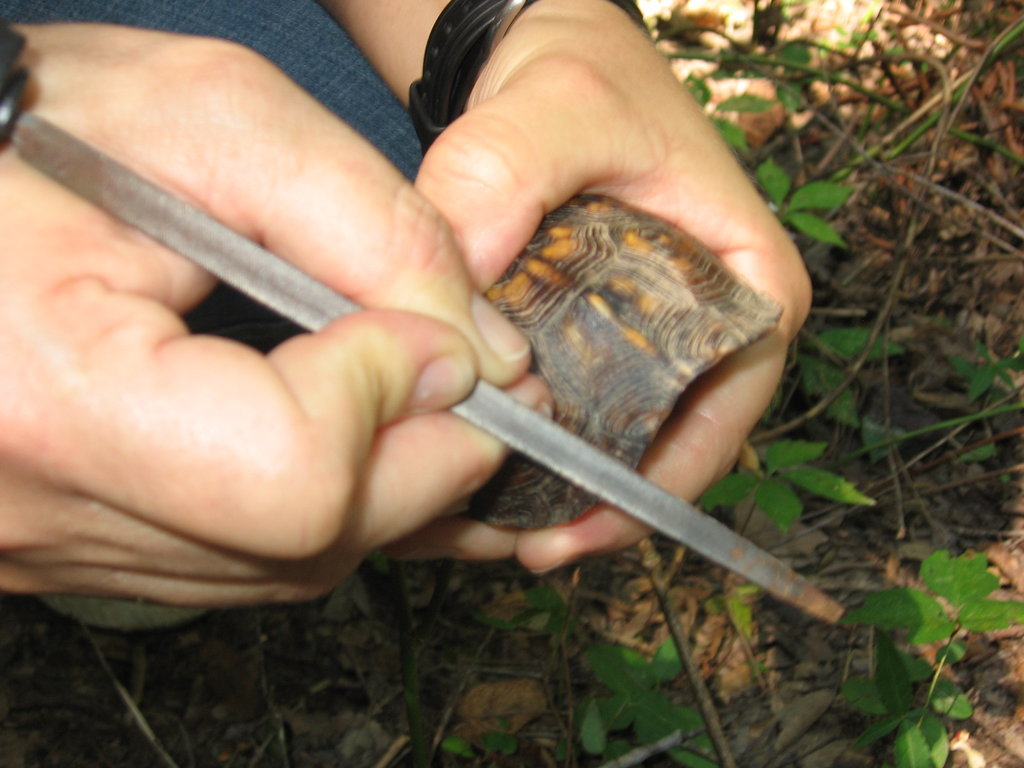
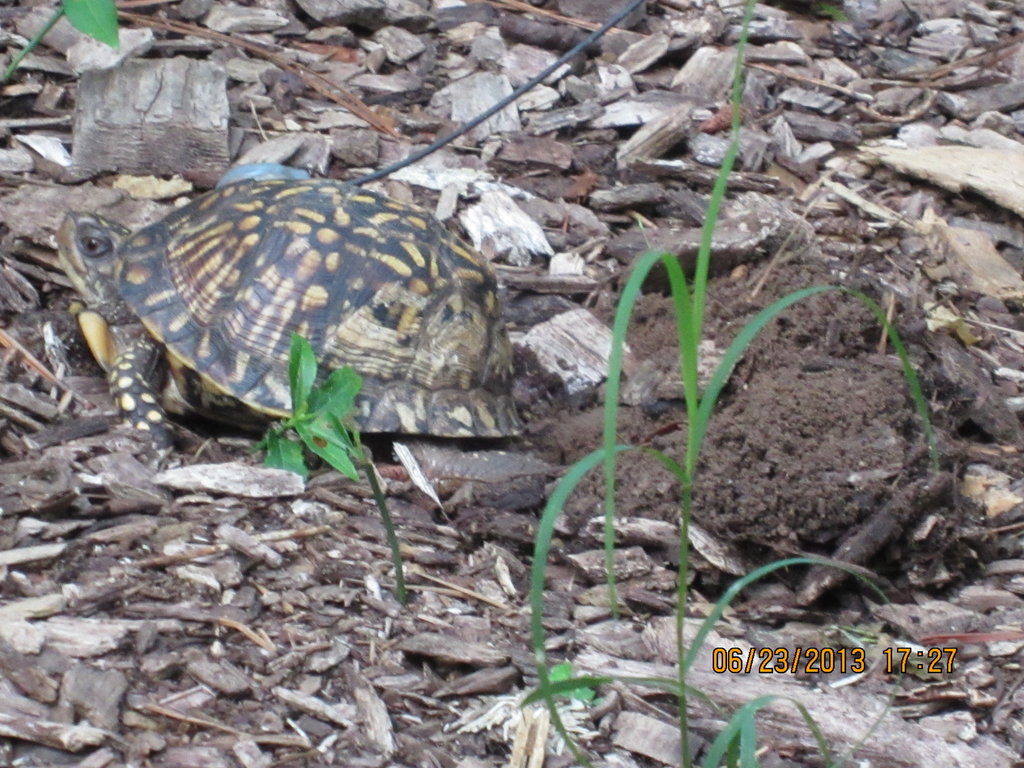
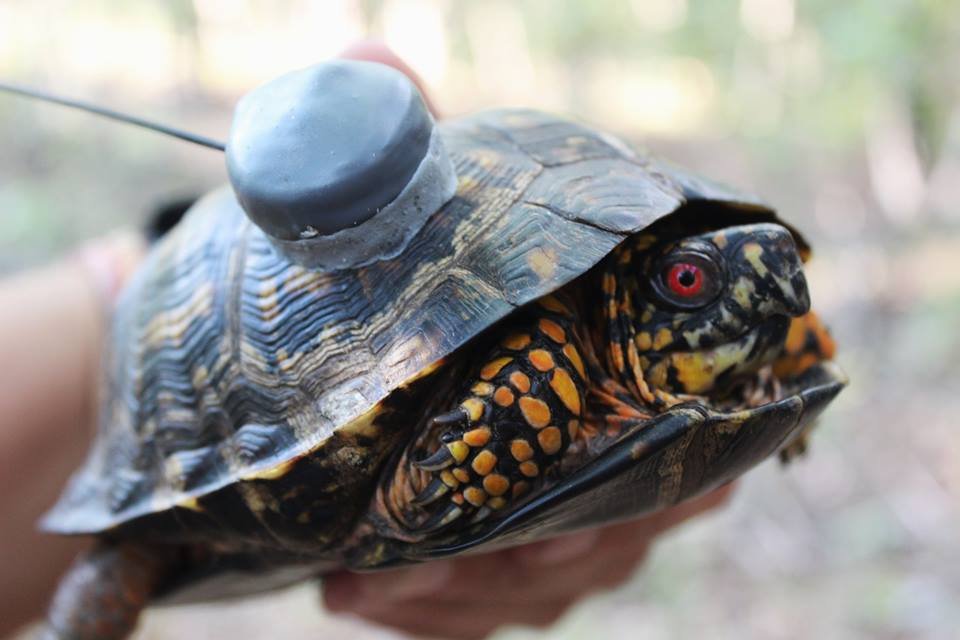
It’s box turtle season! Be on the lookout for them, especially after rain storms and in the morning. While we’ve discussed some very interesting details about our eastern box turtle study, we haven’t discussed the box turtle basics.
Did you know that Eastern Box Turtles (Terrapene carolina carolina) are in decline throughout the United States? They are listed as a vulnerable species by the IUCN (International Union for Conservation of Nature). In North Carolina they are listed as a priority action species, which just means we need more data on them before we can protect them. Historically, box turtles were very common. You could ask anyone if they had seen box turtles, and the answer was always “yes”. Now, it’s fairly uncommon to see a box turtle. Think about the last time you saw one in the wild, if ever.
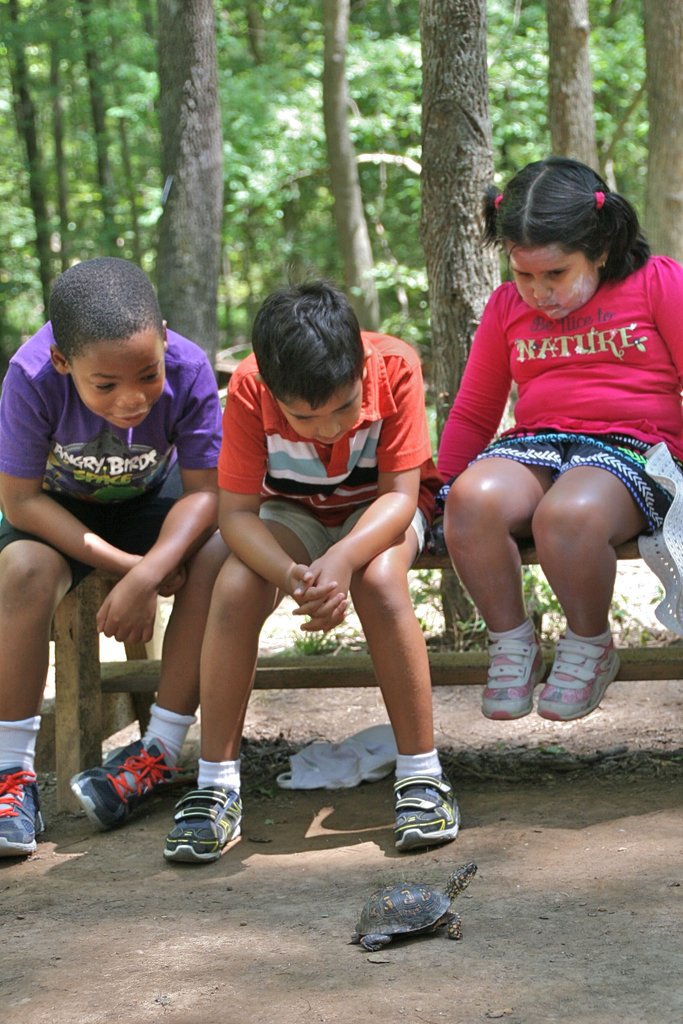
Unfortunately, in North Carolina, due to the lack of protective status for the box turtle, it’s legal to keep a box turtle as a pet. As box turtle conservationists, we recommend against this. There are many factors influencing the decline of the box turtle, but one is the pet industry. The box turtle is a cute, harmless, and charismatic reptile that seems easy enough to care for. Unfortunately, not only do most people not care for them correctly, every adult turtle that is taken out of the wild leaves one less reproductively mature turtle in the wild to help populate future generations. Many times people, just like you, think they are doing a good thing and “saving” a turtle. They may have found a juvenile that they thought was going to be eaten, or an adult that was crossing the road. Believe it or not, the turtle is better left where it is than becoming a pet. When we teach programs about box turtles and children say “But I want one, they’re so cute!” I mention that there are turtle rescues, just like there are dog and cat rescues. You can adopt a captive-bred turtle which gives that turtle a loving home, and also allows our wild turtles to stay wild.
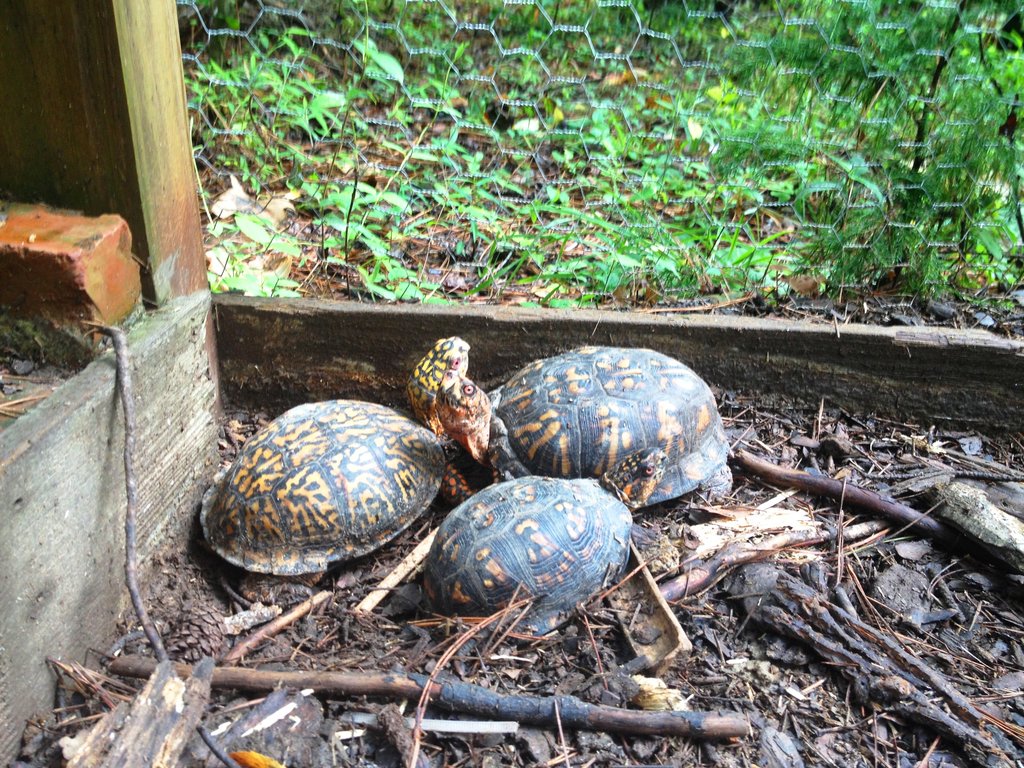
I want to introduce you to our 4 eastern box turtle ambassadors, who all have an important lesson to teach:
Vinny:
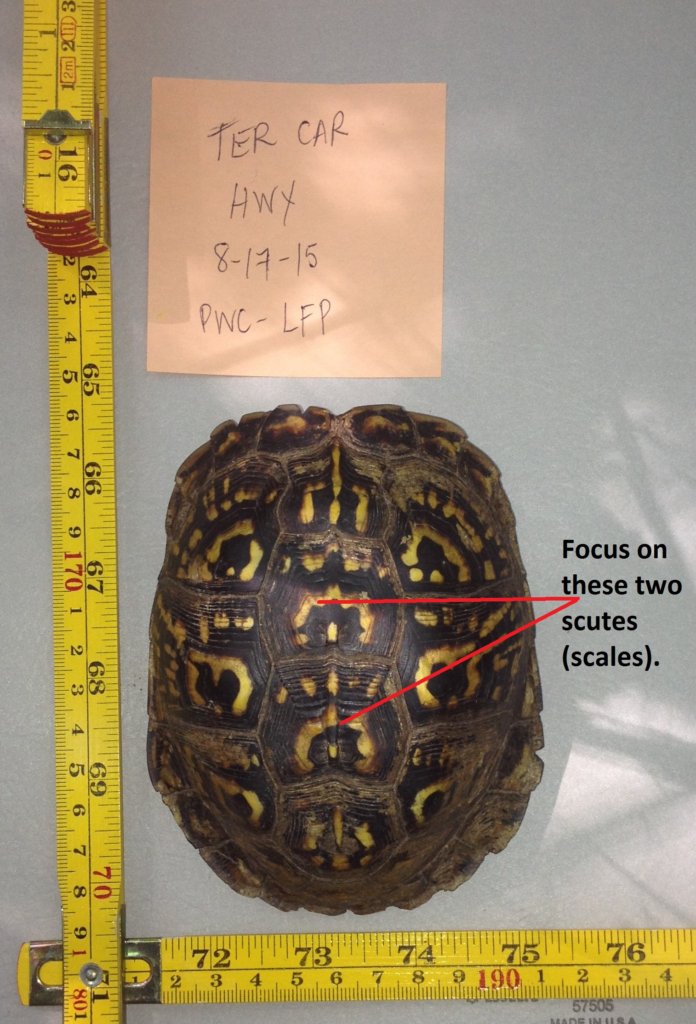
Unfortunately, Vinny’s story is a common one. One day, Vinny decided that he wanted to cross a busy highway in Virginia. A nice person stopped on the side of the road to “help” Vinny and then brought him back to Fayetteville, NC. After researching a little bit about box turtles, he discovered that they had made a huge mistake by taking Vinny from his home. If they released Vinny into their backyard as was planned he would likely perish. Why? Because box turtles have very small home ranges and their internal compass tells them to head back home! They are likely to encounter even more roads and they don’t know where any of the food or water is. Unfortunately, the man couldn’t remember exactly where he found Vinny, so the best course of action was to place him in an educational facility. Fortunately, the man called us to ask what could be done. We took Vinny in as a wildlife ambassador so he can hopefully prevent the future mistaken kidnapping of other box turtles!
Bob:
Bob’s story is another important lesson. Bob was taken out of the wild by a lady in Maryland. Bob became her pet, but when she could no longer take care of him, the lady gave Bob to her sister in North Carolina. Like most people who take in box turtles as pets, Bob’s new “owner” had no idea that Bob was a box turtle and that he lived on land, not in water. She kept him in a bath tub for at least a couple months before contacting PWC. Fortunately, Bob was still doing okay, but he wouldn’t have lived much longer in a bathtub. He is still a shy box turtle, and rightfully so. Yet again, he educates the public on why it’s not a great idea to make wild box turtles pets!
Sheldon & Shelly:
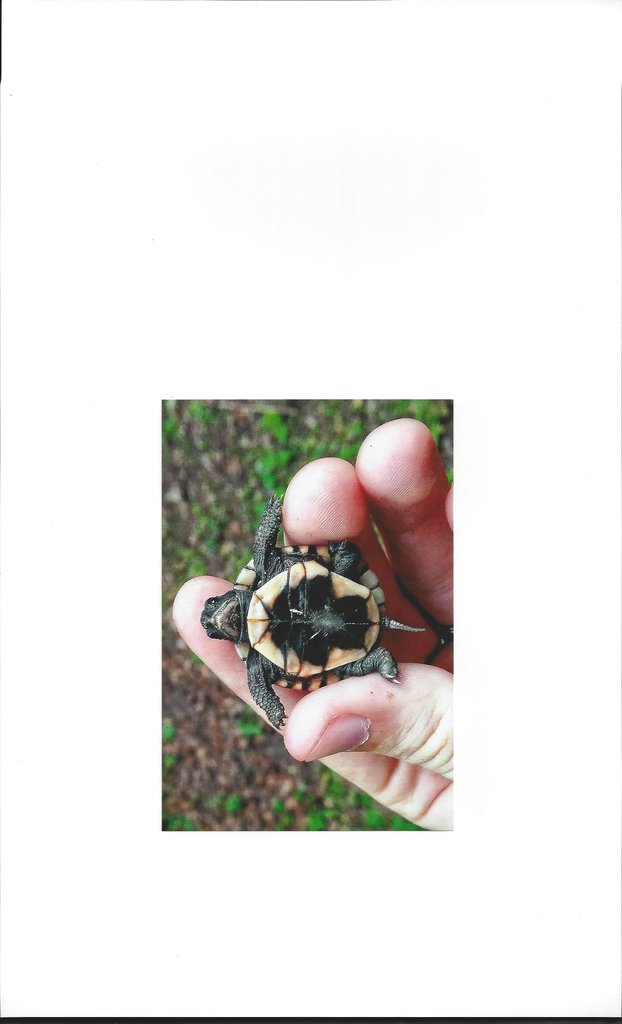
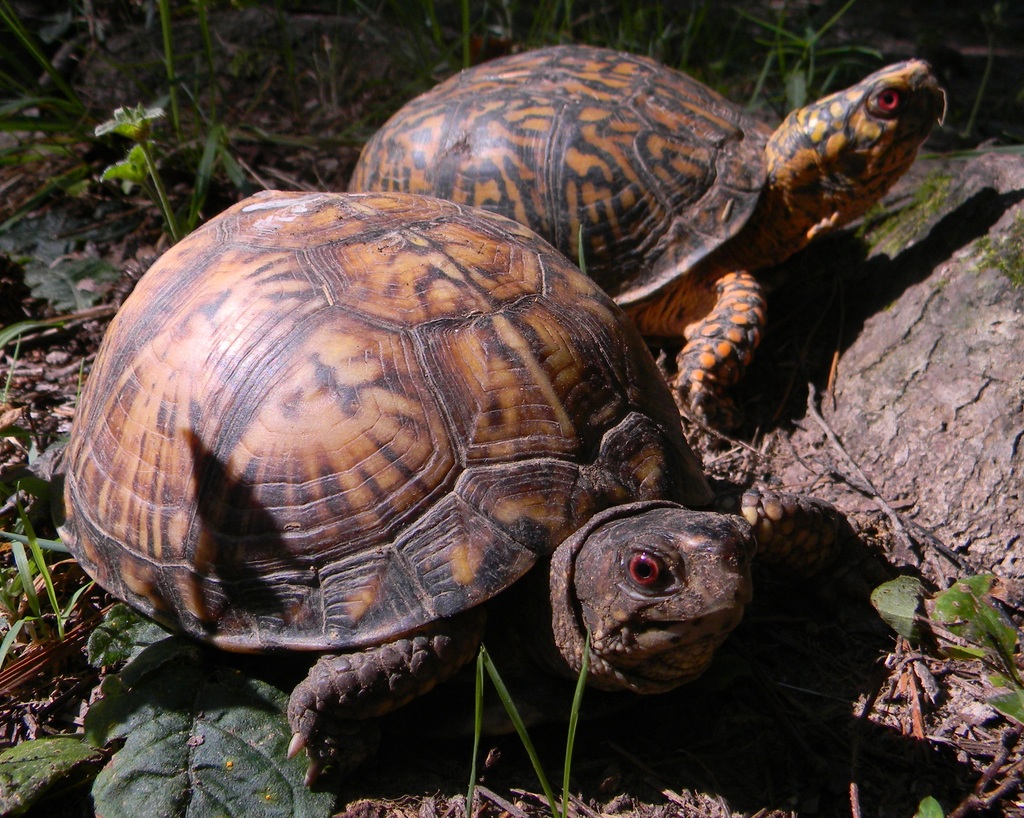
Shelly and Sheldon were rescues from a Reptile Rescue in NC. In the 1970s, a lady had a couple of box turtles. Forty years later she had 100 box turtles, and no one to take care of them. The Reptile Rescue took all 100 turtles and has placed most into good homes. Although we believe Shelly and Sheldon were born in captivity, their parents may have not been. It’s a reminder of how many box turtles a reproductively-mature turtle can have in the wild. Although most hatchling turtles are eaten by predators, a few of them will survive and continue to reproduce and add to the population. Taking just one turtle out of the wild can result in the loss of many more turtles.
It’s just a reminder of how critical it is to help conserve the eastern box turtle. They have been an iconic part of our history and culture and we hope that future generations will be able to appreciate them as much as we have. Unfortunately they have a hard road ahead of them. With continued over-population of humans on the planet, we will continue to destroy the forests in which they live. We will continue to make new homes, shopping malls, and schools. This means more roads. All of these things could result in the complete loss of a beloved reptile. However, with your support and with continued research of box turtles, they have hope. With your support we can continue to monitor their populations and push for protection of these species in North Carolina and beyond.
Links:
Project reports on GlobalGiving are posted directly to globalgiving.org by Project Leaders as they are completed, generally every 3-4 months. To protect the integrity of these documents, GlobalGiving does not alter them; therefore you may find some language or formatting issues.
If you donate to this project or have donated to this project, you can receive an email when this project posts a report. You can also subscribe for reports without donating.