By Sara Steffen | Conservation Coordinator
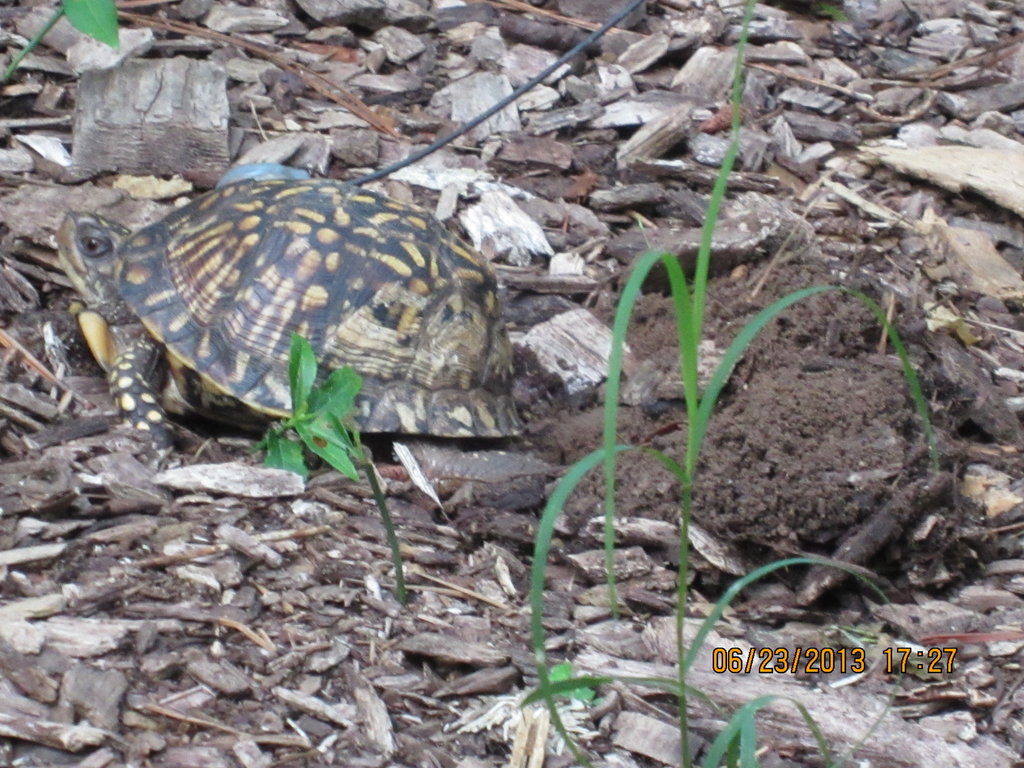
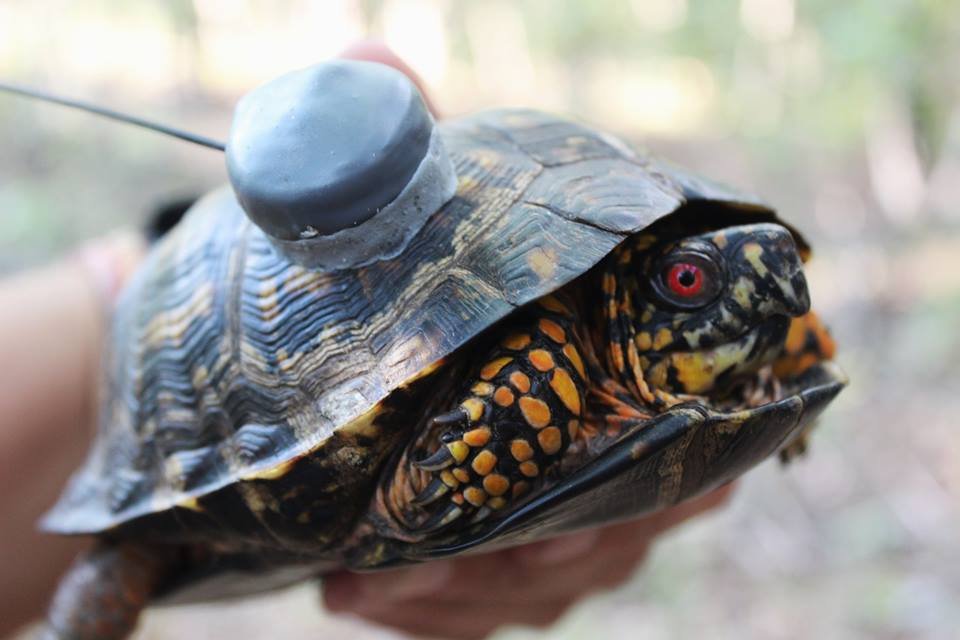
Now that winter is settling in, we won’t be finding box turtles for a while. Even though our temperatures fluctuate often – between 70 degree days one day to freezing rain the next, box turtles continue to brumate. Some other reptiles (such as our native snakes) will come out of brumation and sun themselves on warm days and even look for something to eat. However, box turtles stay in brumation the entire winter, no matter how warm it gets.
We still track the box turtles occasionally during this time, just to make sure they haven’t moved for some reason. Occasionally box turtles will emerge from brumation due to illness, but there chance of survival is low if this occurs.
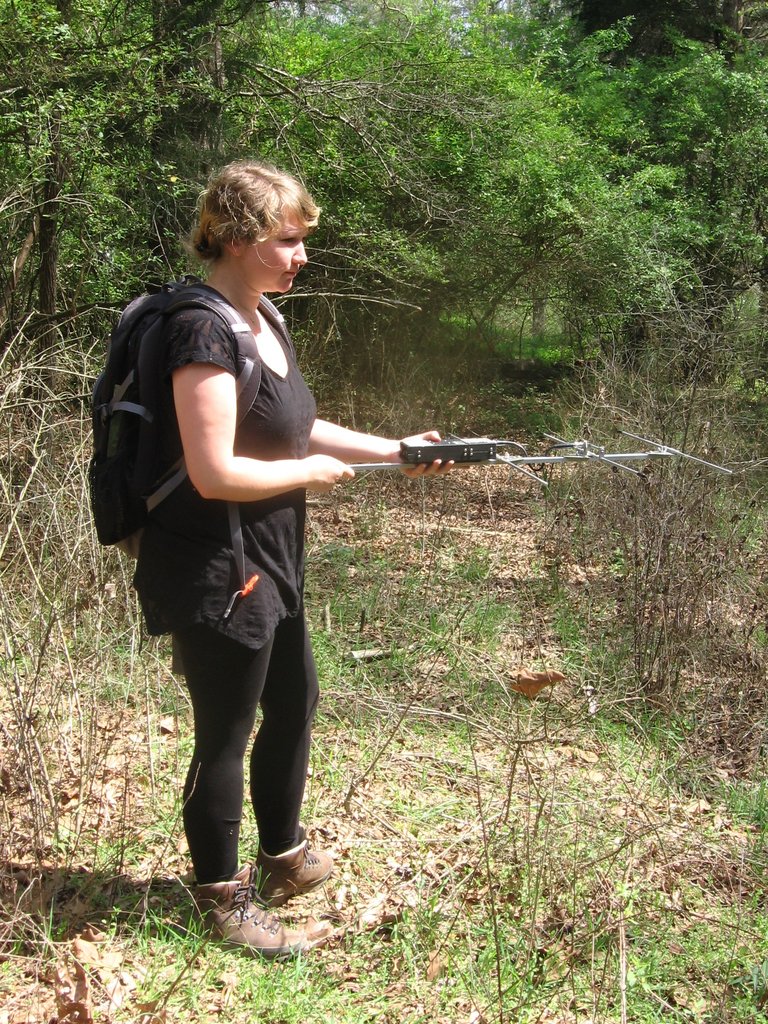
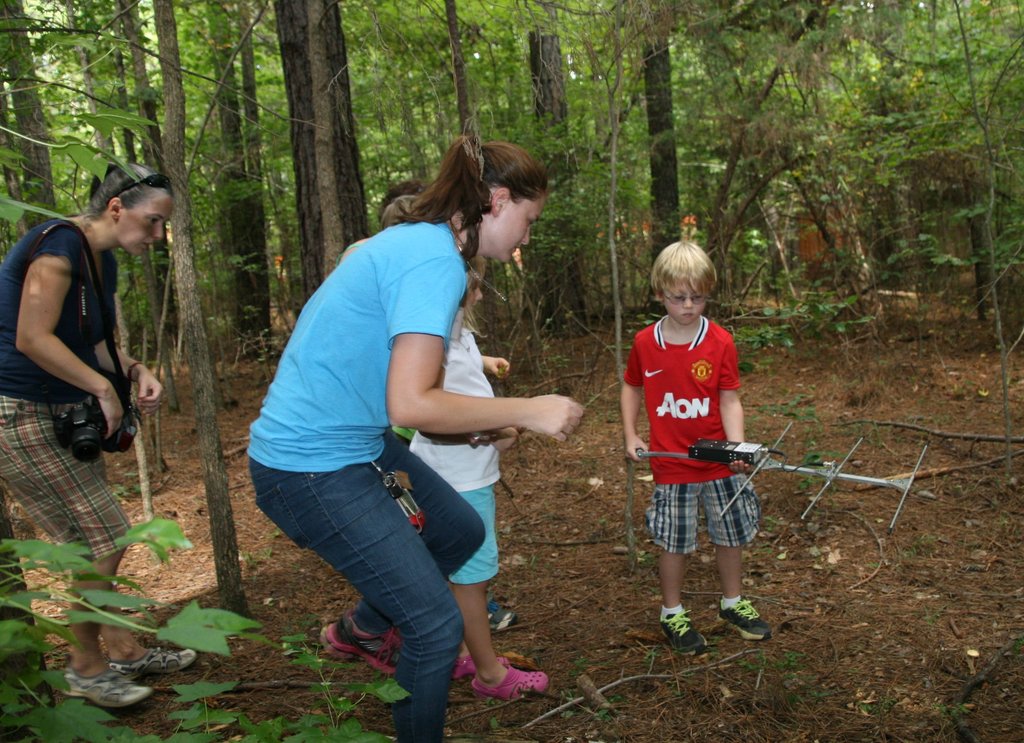
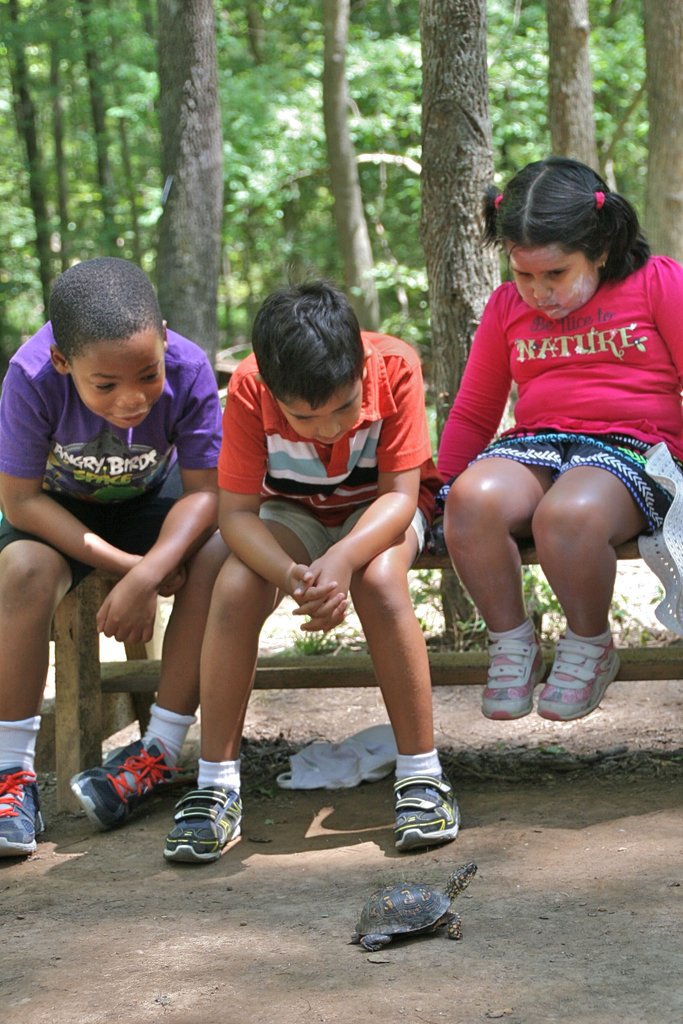
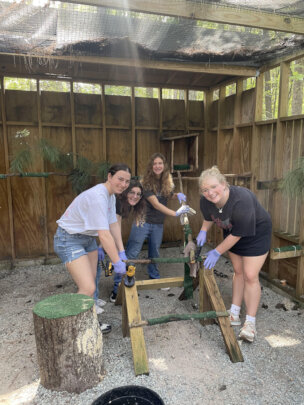
This winter, we will be gearing up our Turtle Trekker program to get ready for their emergence in the spring. We will create marketing materials to encourage citizens to engage in the program and to actively search for box turtles in their neighborhoods. We already have plans to promote Turtle Trekkers at local citizen science fairs in the spring. We are also promoting the project during every animal program we present at a school or during an on-site field trip. Our captive turtle ambassadors are very helpful with this part. Without interested citizens, our program will not be successful, so a large part of our time will be spent on promoting the project. Your contributions will help us print materials, create advertisements, and actively engage local schools.
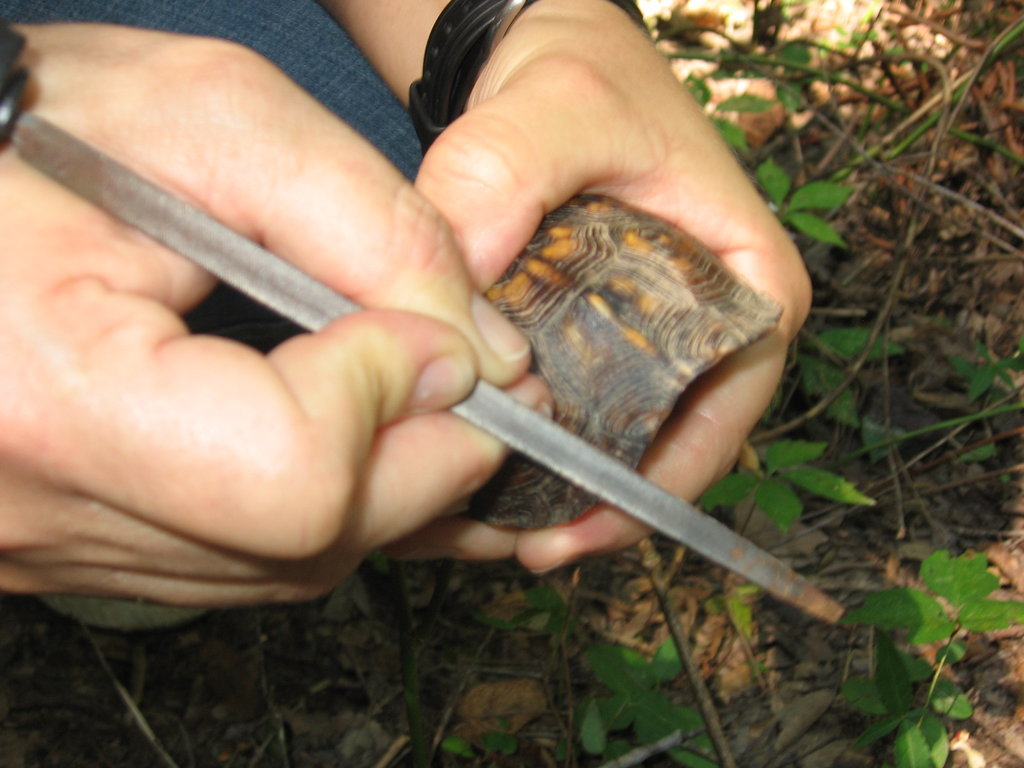
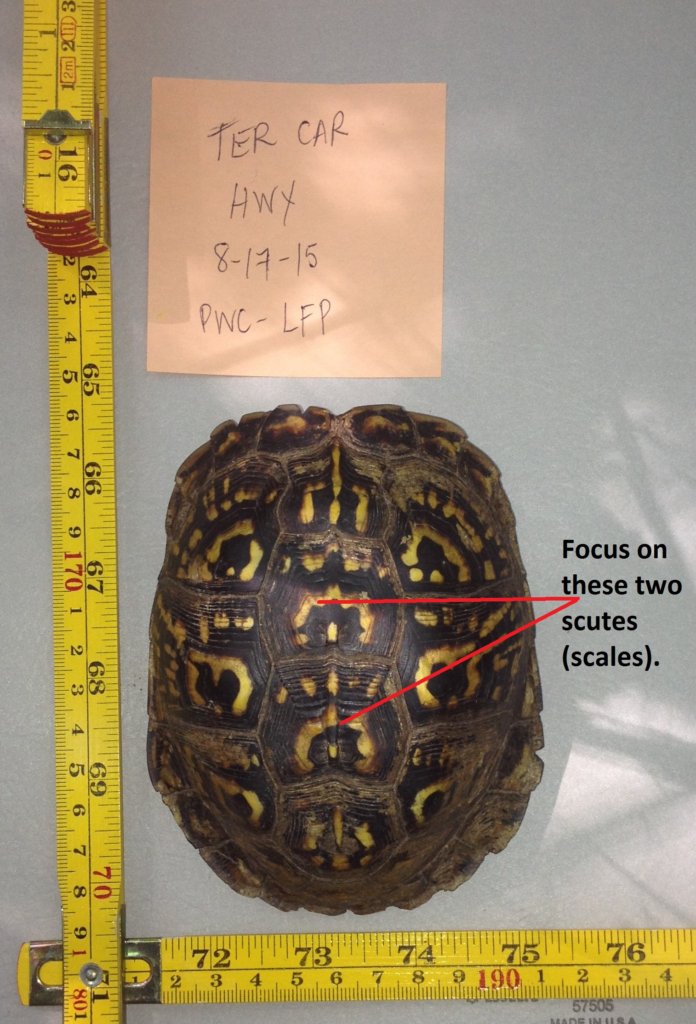
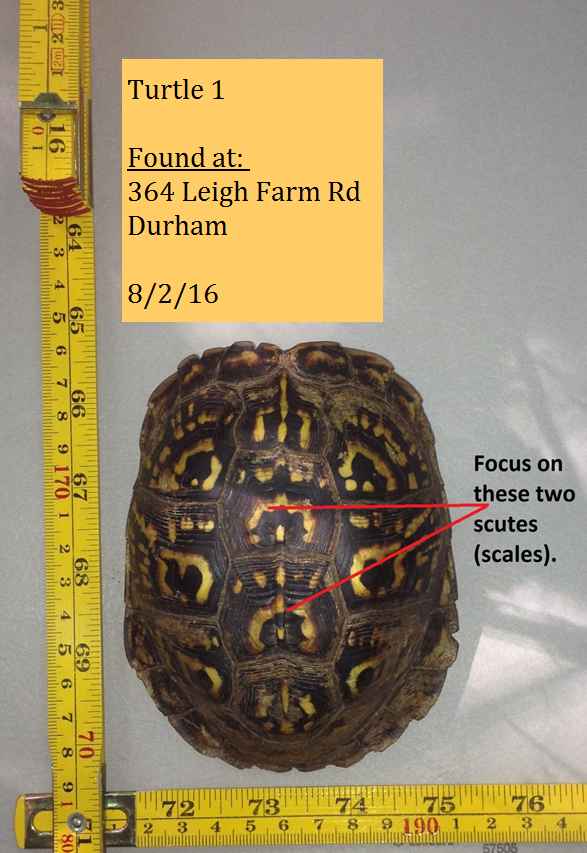
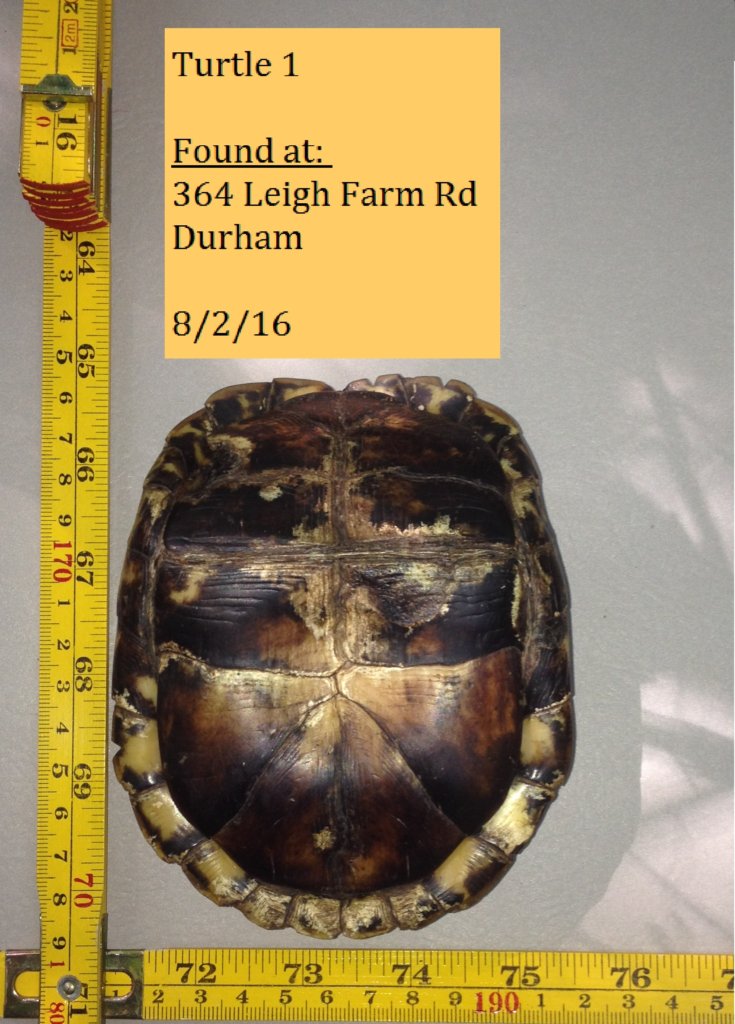
We recently met with WildTrack again to see the status of the photo ID software. All year we have been collecting photos of box turtles (with rulers – see the attached photo) to determine if the software can accurately identify individual turtles. We took multiple photos of 34 turtles. The program was unaware that there were 34 individual turtles when we uploaded 281 images to the program. Based on specific measurements of the scutes (scales in turtle language), the program detected 34 individual turtles out of the 281 images with a 100% probability! That’s a pretty smart program! Sky, of WildTrack, said “There is a very high likelihood that this will work for a larger population. As we increase our database we will find out!!” The program can also determine the probability of there being 33 turtles (a 29.7% chance) or 35 turtles (only a 3.8% chance). That is, the computer knows it’s most likely correct. This tells us that as we add on more photos the program will determine if the photo is a new turtle or if it’s a turtle already in the database. If the turtle is already in the database the program will be able to tell you which turtle it is. Pretty amazing!
So, once we have enough Turtle Trekkers we will need to start collecting photos. This is another tricky part. The photos will have to be clear, include a ruler, and there need to be at least 2 photos taken of the top of the shell (carapace). Without these, we cannot run the photos through the program. The ruler is very important since the program is looking at scute measurements. So, if you love box turtles, and want to join our project – remember these steps!
Although we are focusing on populations of box turtles in Durham, Chapel Hill, and Raleigh, North Carolina at the moment, this program could help determine populations of turtles across the east coast and even across the world! For that reason, you can submit photos even if you are outside of the Triangle region of North Carolina. We will keep your photos in a separate database to analyze at a later time.
Go ahead and tell all your friends about Turtle Trekkers now, and once spring arrives you can remind everyone to start looking for turtles whenever they are outside! Don’t hesitate to e-mail Sara if you have questions about the project. As always, thank you for your support!
Links:
Project reports on GlobalGiving are posted directly to globalgiving.org by Project Leaders as they are completed, generally every 3-4 months. To protect the integrity of these documents, GlobalGiving does not alter them; therefore you may find some language or formatting issues.
If you donate to this project or have donated to this project, you can receive an email when this project posts a report. You can also subscribe for reports without donating.