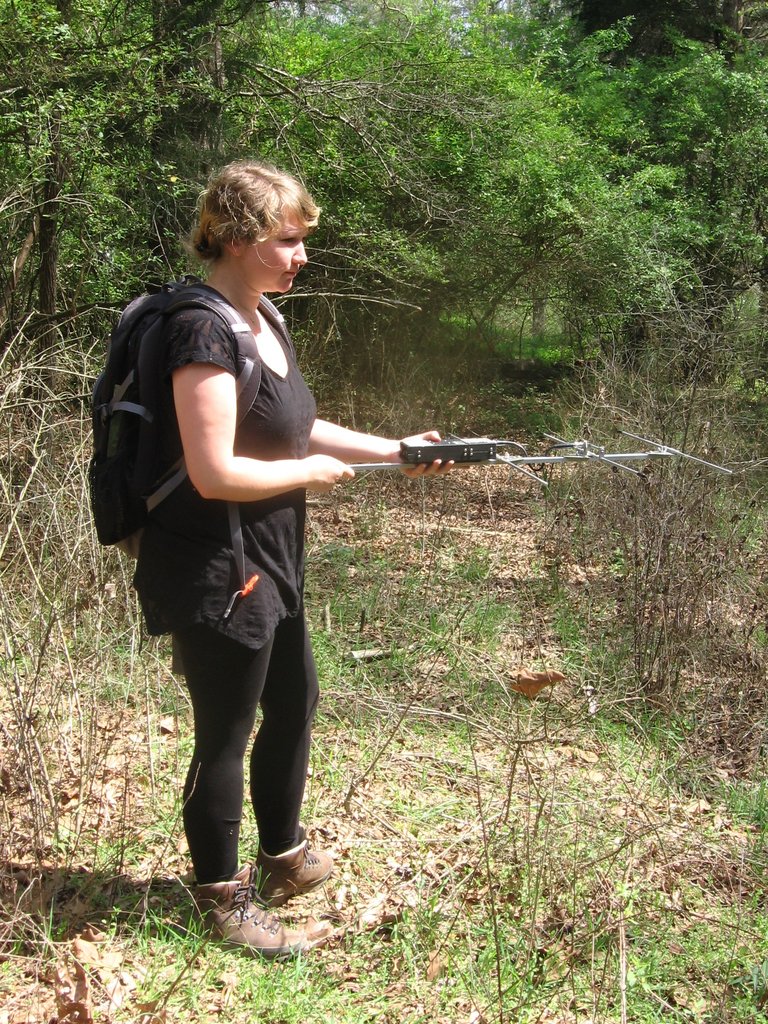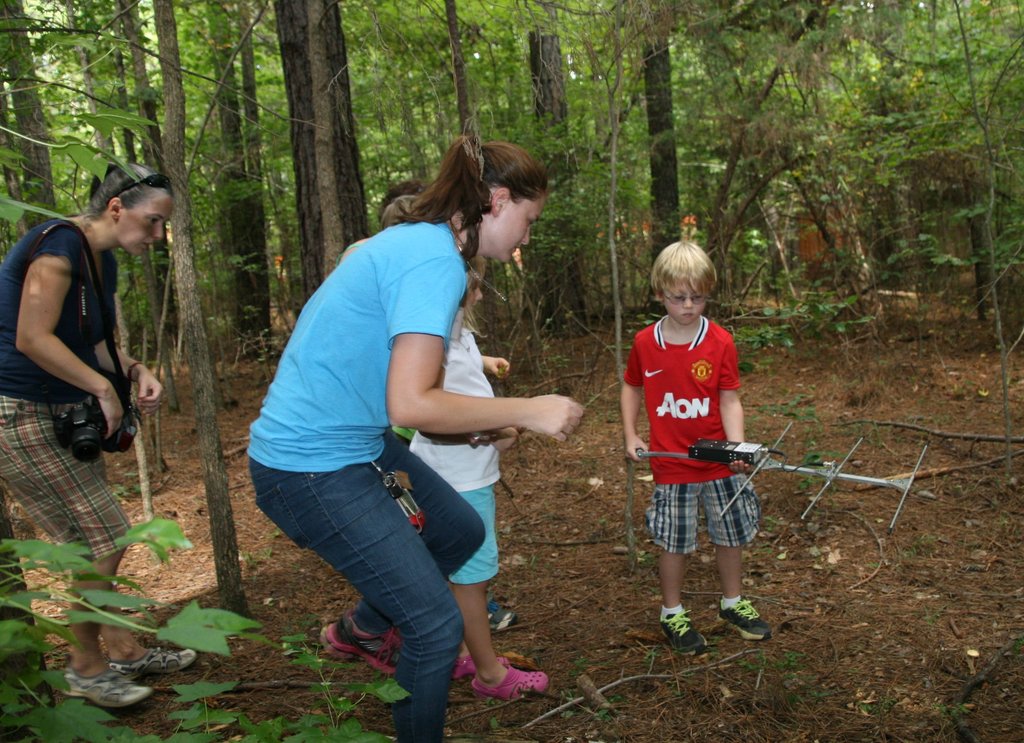
By Sara Steffen | Conservation Coordinator
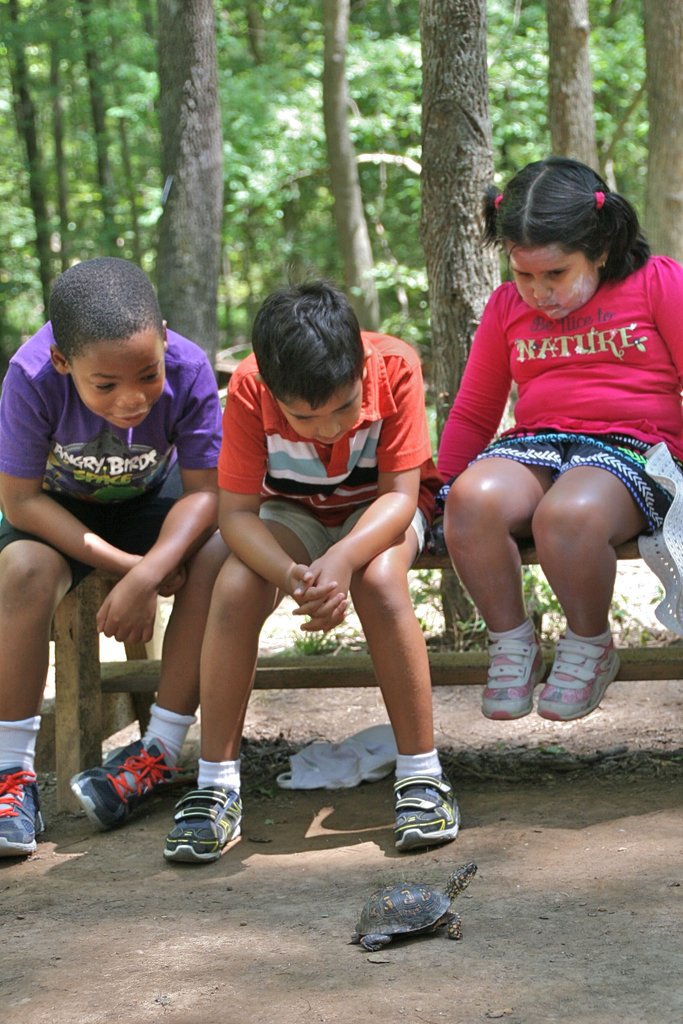
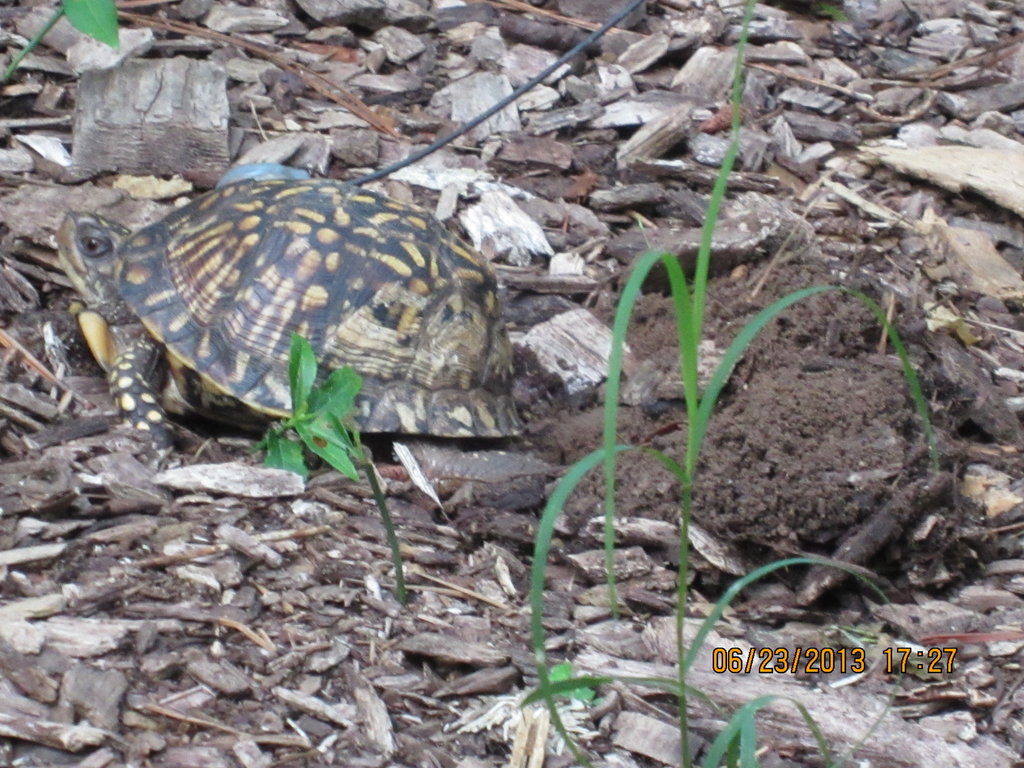
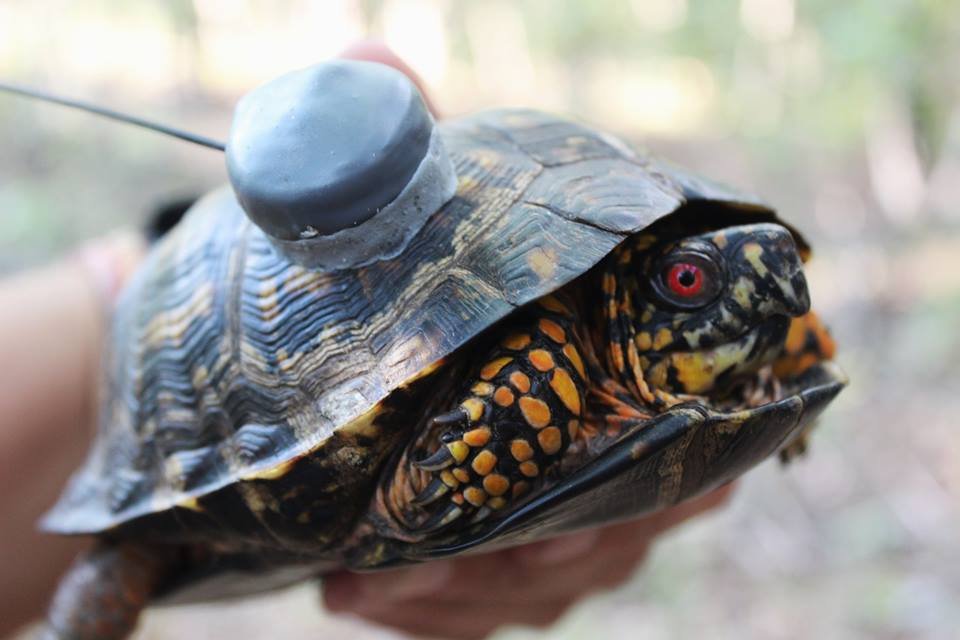
Imagine yourself walking on a trail through the woods on a nice cool summer morning. You see birds flitting from tree to tree, squirrels chasing each other up a pine tree, and maybe you even catch a glimpse of a white-tailed deer running away from you. But then, suddenly, you look down, and find a small creature not moving. The shell of this creature is a multitude of browns and yellows. You stop to check it out, not sure what this is, when a little head pops out from the shell. With no signs of aggression from the shell, you carefully inspect it and identify it as a turtle. What kind of turtle? You have no idea! You think to yourself, “But there’s not a pond nearby, what’s it doing way out here on the trail?!”
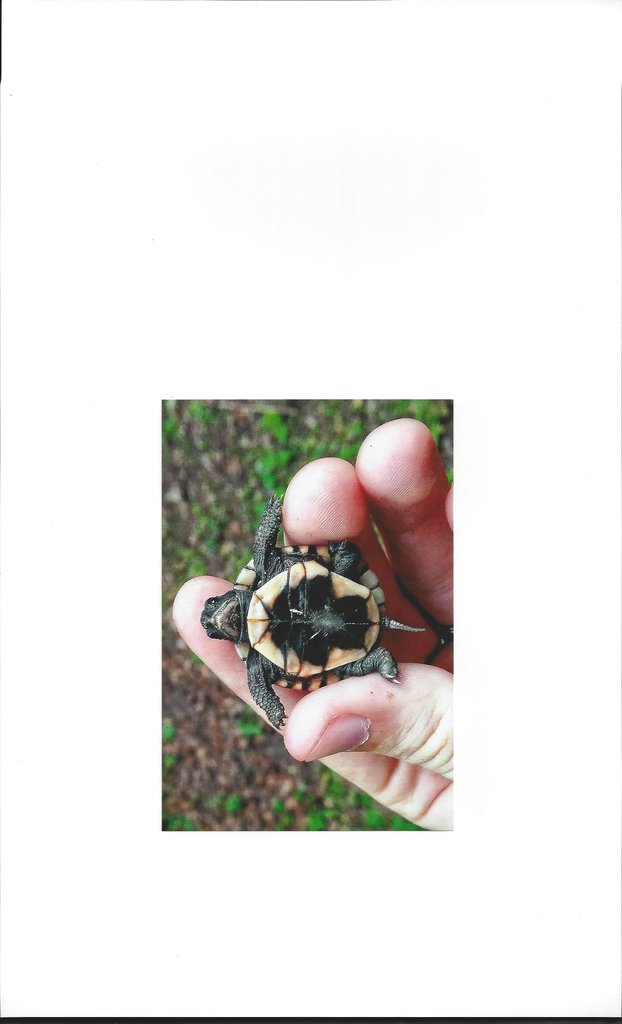
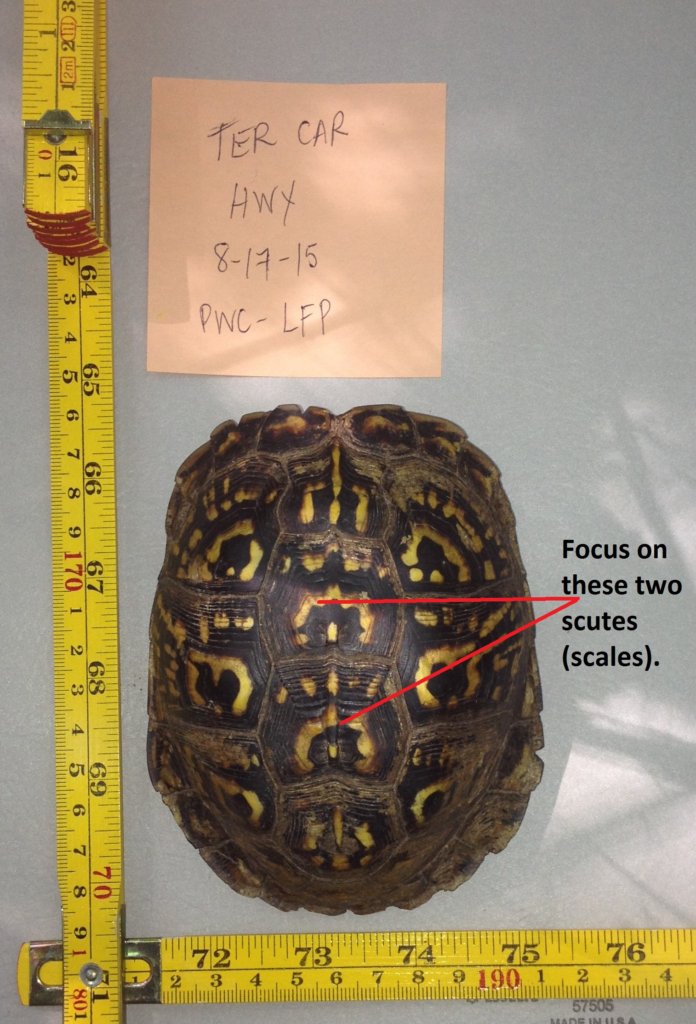
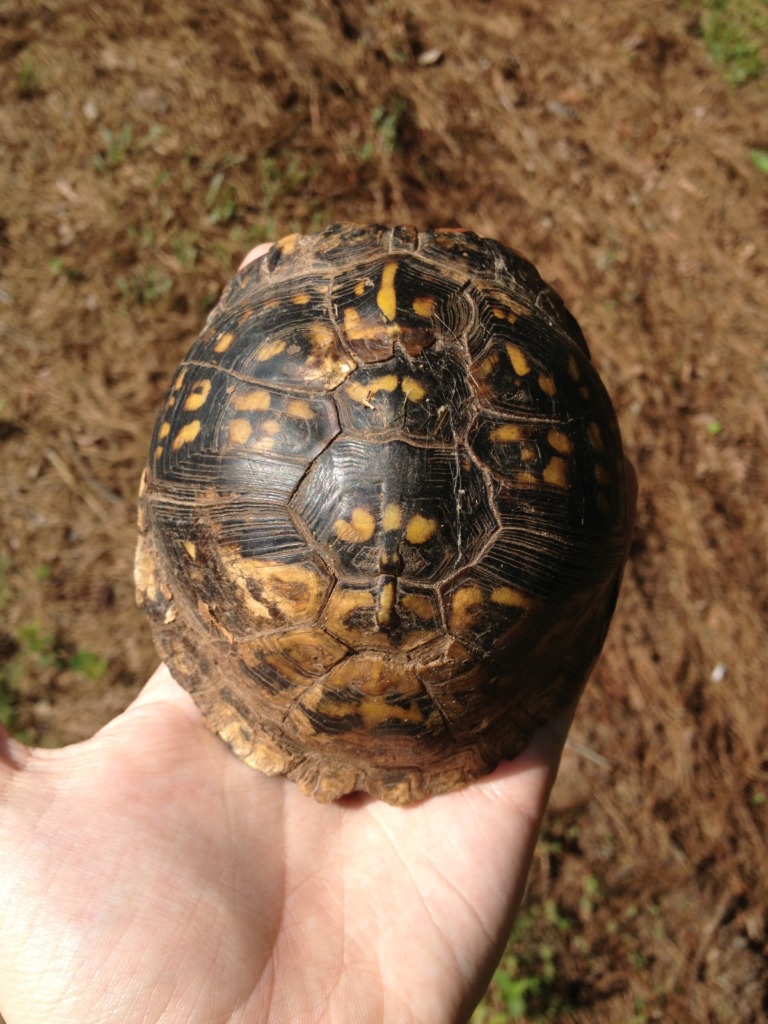
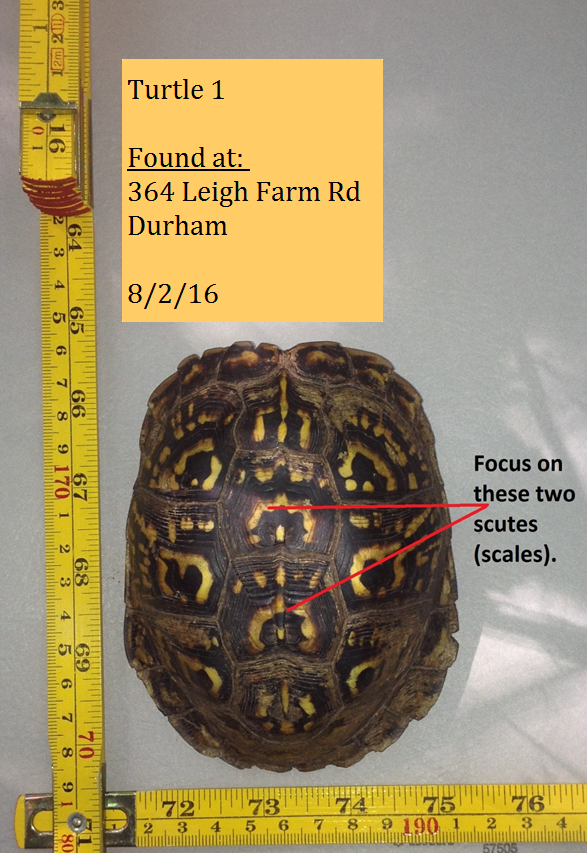
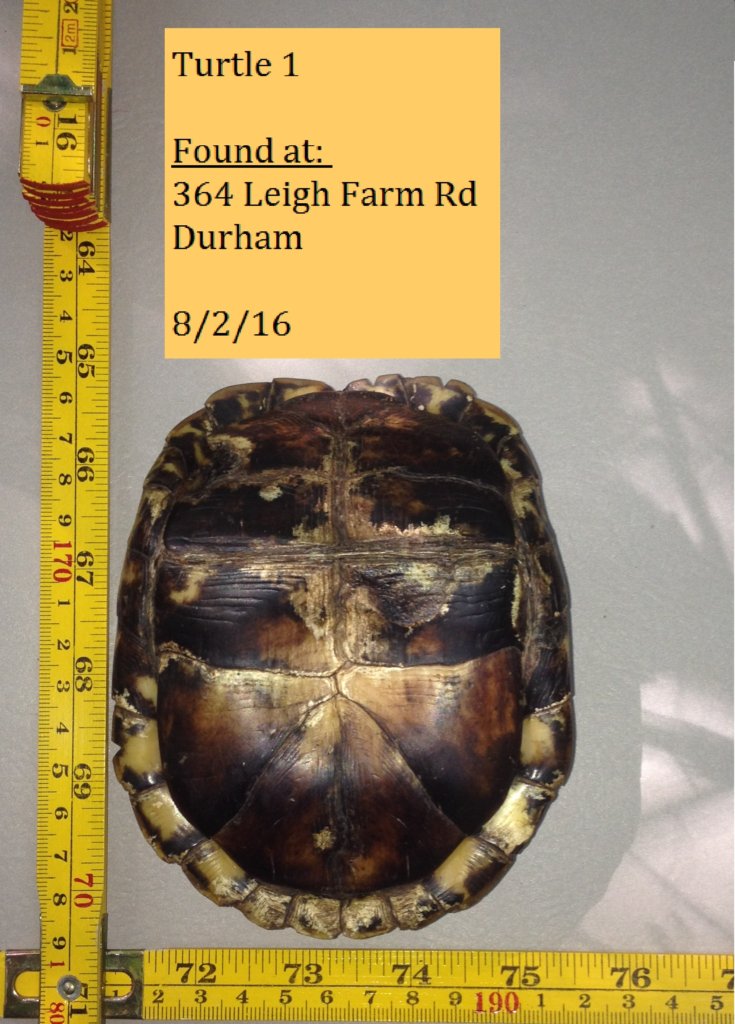
After you ponder the turtle’s existence for a few minutes, you recall a citizen science project you’ve heard about. Turtle Trekkers! You look up Turtle Trekkers on your phone and are reminded that this is a box turtle – our only land turtle! “Of course, that’s why it’s not near the water,” you think to yourself. From the website, you recall that you need a ruler and a camera in order to take photos of the turtle. Unfortunately you didn’t carry a ruler with you this morning, but you do have your keys on you. No worries, you just lay your keys next to the turtle and snap a few photos of the top of the turtle’s shell. Then, since the turtle was so cooperative, you flip it over and take a photo of the bottom of the shell. When you are finished, you return the turtle exactly where it was.
You are reminded in this moment how precious our wildlife are and how important their ecosystems are. How often do you find a creature in the woods that you can interact with? You wonder how anyone couldn’t care that these animals may disappear from our earth in the not-so-distant future. You begin to think about all the people that would never have an interaction with a turtle. You think about all the other creatures in the woods and how they would be affected if there were no turtles. That’s when you say to yourself “how can I help?”
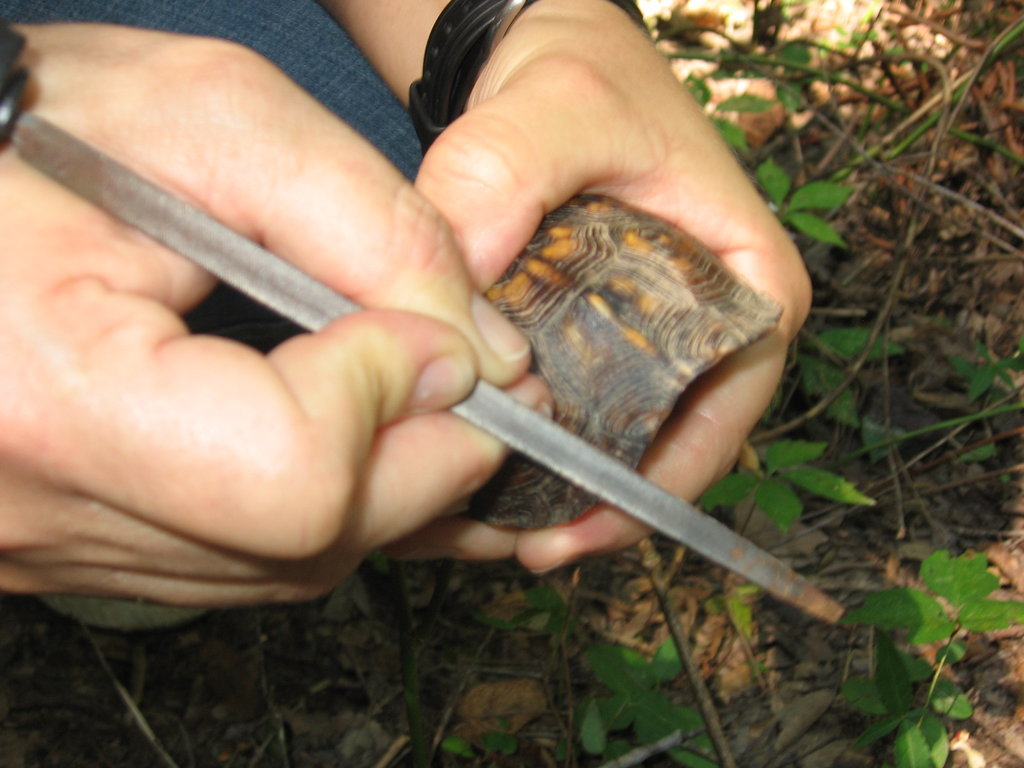
Well, it’s simple. You’ve already taken the photographs. All you need to do now is upload those photos with your GPS, address, or general location and submit them to the Turtle Trekkers project through e-mail. These photographs of turtles will be used in a program developed by WildTrack (a non-profit that works with SAS in Durham, NC). WildTrack’s program will allow us to be as minimally invasive as possible to these turtles while still determining the number of turtles within North Carolina. We will be able to identify the individual turtle you found based on measurements and ratios of their scutes (the scales that protect their boney shell). What if the turtle you found was found by someone else in the park? Maybe next time you find a turtle in your yard, you’ll want to know if your neighbor ever saw it. We’ll be able to tell you that! These photographs will assist us in determining how well box turtles are doing in urban areas – neighborhoods, schools, business parks, etc. We need to know if box turtles are surviving the development of an area and once developed, if they can survive in these developed areas given enough resources (food, water, shelter). If they cannot survive in these areas, we are in trouble. As more and more development occurs there is increasingly less space for wildlife. Not just turtles, but all the animals that are part of the environment and food chain. Take out just one piece of that food chain, and we can only imagine what effects it may have on the rest of the ecosystem.
So, will you help us? We need to increase the photos in our database to make our program as robust as possible. This is the perfect time to join the project. Turtles will awaken from brumation (reptile hibernation) any day now! Sign up through our google form and you’ll receive newsletters like this one, information about the project, reminders about searching for turtles, and more!
Links:
Project reports on GlobalGiving are posted directly to globalgiving.org by Project Leaders as they are completed, generally every 3-4 months. To protect the integrity of these documents, GlobalGiving does not alter them; therefore you may find some language or formatting issues.
If you donate to this project or have donated to this project, you can receive an email when this project posts a report. You can also subscribe for reports without donating.