By Sara Steffen | Director of Conservation
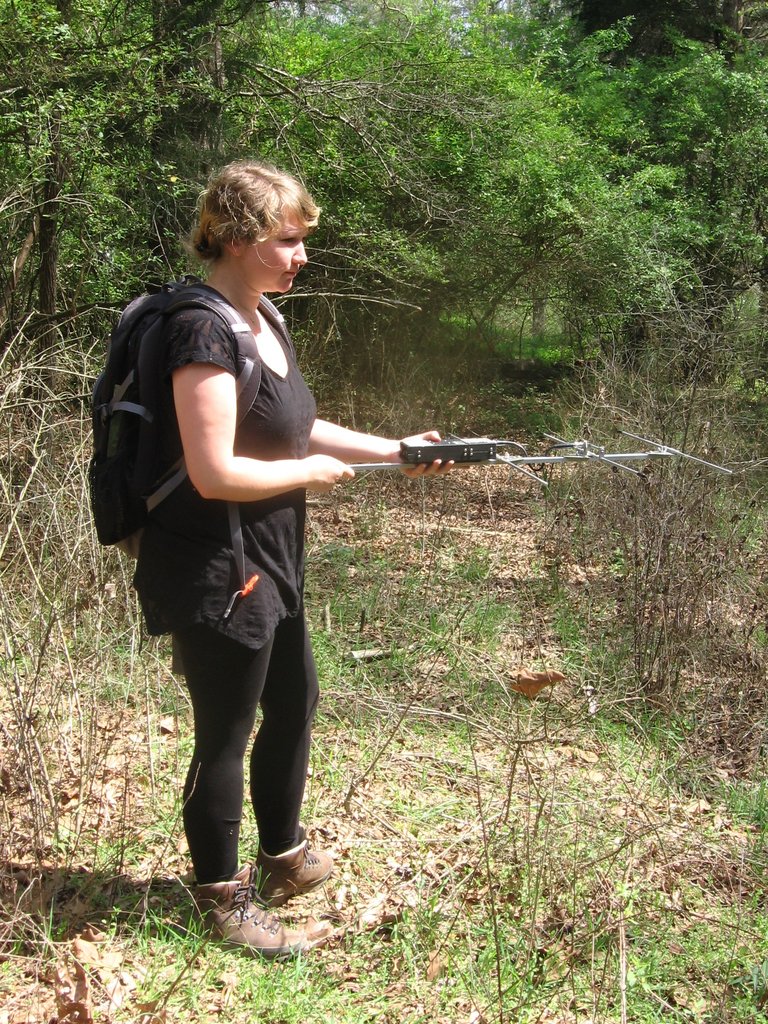
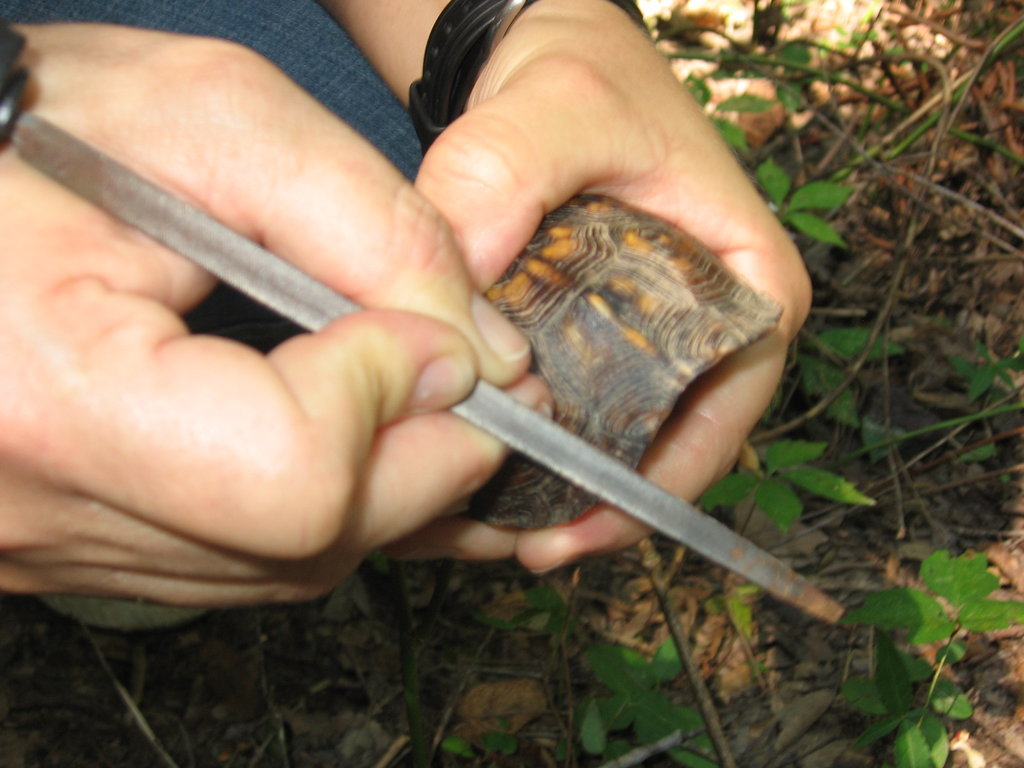
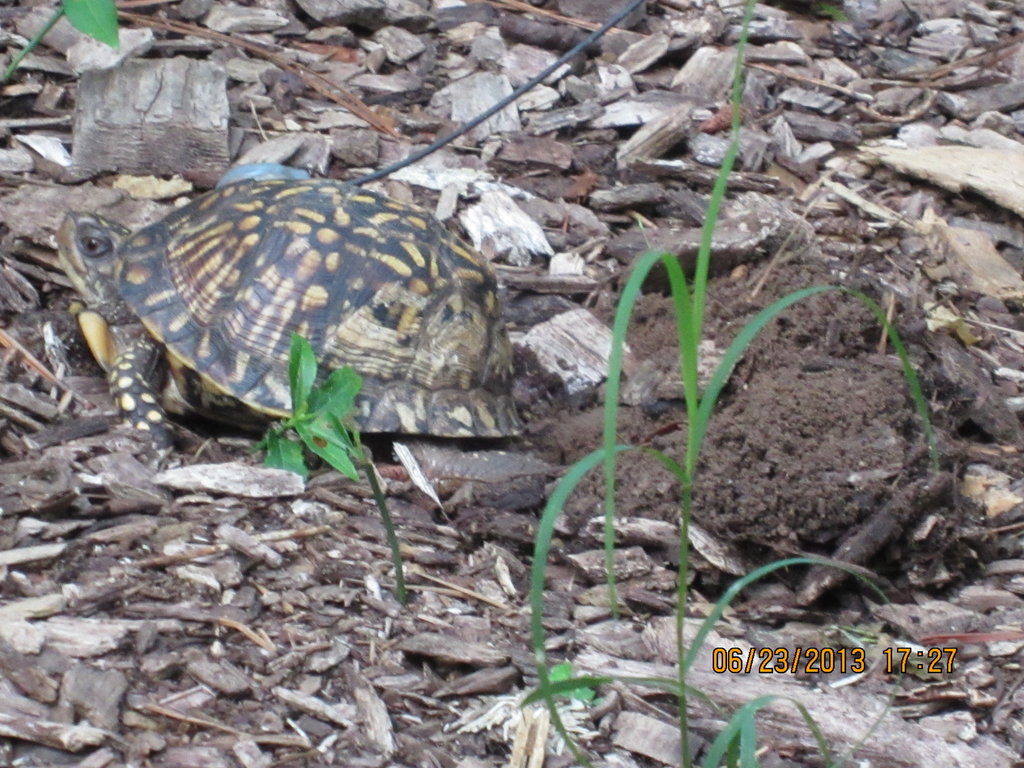
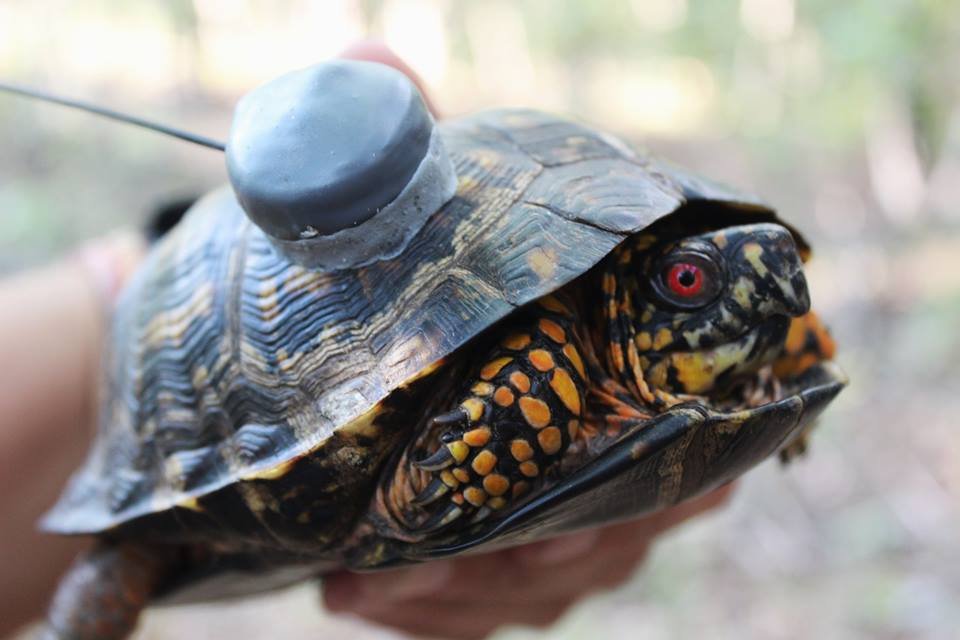
We were sitting in the office one day in May when Cassie, one of the park’s staff members, came into the office with a turtle in hand. As soon as I saw the turtle, I noticed the transmitter. At first, I assumed she had just found one of our turtles on the property and thought we’d want to know about it. That assumption quickly left my head as the words “So, they were mowing the garden” came out of her mouth. I knew what had happened, and I knew that this was turtle “ABP”, dubbed Peggy when we first marked her in 2009. She was missing a rear foot, but that didn’t slow her down. Peggy loved hanging out among the blackberry bushes and safe shelter of the overgrown garden. Cassie continued the story of what happened, and it turned out she survived the mower, but was hit with a weed whacker. Fortunately, lawnmowers can be set to a minimum of 4 inches, which means you can prevent turtle injuries and deaths! Weed whackers on the other hand can do a lot of damage very quickly, if you don’t see the turtle. Peggy had lacerations to the top of the head, but it actually didn’t look that bad. I was hopeful…at first.
Once she was in our office, we let her rest in a box in a dark and quiet location. I checked on her occasionally and noticed that she was out of her shell and her head was resting on the bottom of the box. She was looking quite lethargic and I knew this wasn’t good. I made the decision to call our local turtle rehabilitators, the Turtle Rescue Team at North Carolina State University’s College of Veterinary Medicine. They let me know I could drop her off at anytime. As I was driving her from Durham to Raleigh, I noticed that Peggy started spinning to the left. Only in that direction. At this point, I knew the lacerations weren’t superficial and that her brain was likely affected by the injury.
Once at Turtle Rescue Team, they were hopeful (just like I was) that the injury wasn’t as severe as it looked, but with any animal that comes in, they were cautiously optimistic. As I was waiting for Peggy’s intake, 3 other turtles were being admitted with crush injuries from cars. I had an instant reminder of why it’s so important to conserve these creatures and why this project is so important. With diminishing habitat, there are less and less places for these turtles to live. They have to cross roads to lay eggs, to find new homes, or to find food resources. As long as there continues to be development, there will be turtle casualties.
After Peggy stayed at Turtle Rescue Team for 2 days, I received a phone call. Unfortunately, Peggy’s injuries were too severe and she didn’t survive the night. She was on pain medication and kept as comfortable as possible while in their care. This was a hard loss for everyone who has spent time monitoring Peggy, and for our research project. It’s hard for us not to get attached to these turtles after “knowing” them for 9 years.
We estimated her age to be around 20 years, but really there’s no sure way to determine age in box turtles. Both in 2009 and in 2016, we estimated her to be 20, and we obviously know she can’t be the same age 8 years apart! In those approximately 20 years, she likely laid hundreds of eggs, and hopefully quite a few made it to adulthood. Who knows, maybe one day we’ll unknowingly follow one of her offspring!
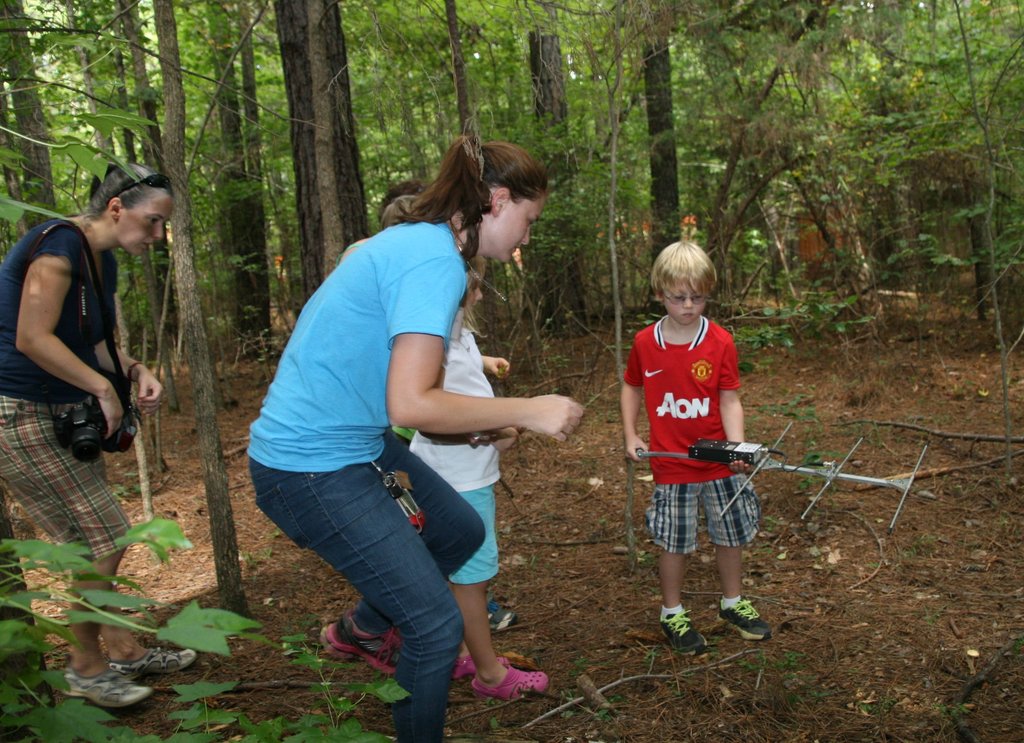
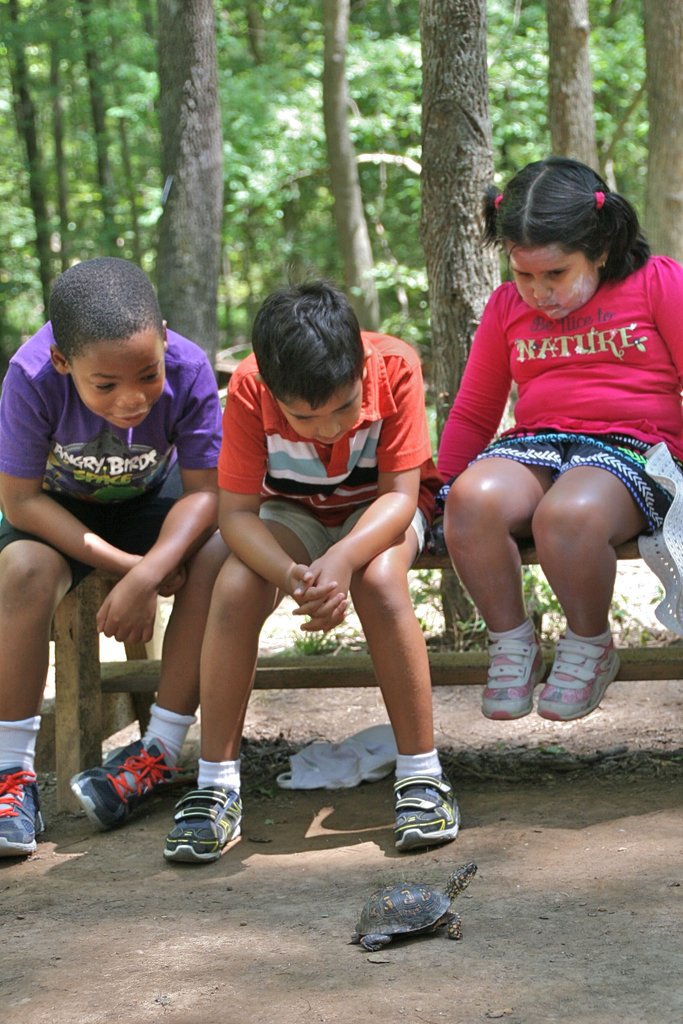
We want to make sure Peggy’s legacy lives on. With help from folks just like you, we can continue to research these turtles so that one day we can understand more about their home range sizes, movements, and habits. Your support will help make sure that Peggy’s legacy lives on through our research, our Turtle Trekker project, through publications, and through conservation awareness education. Because of your support, one day, everyone will know to look for turtles in their yard, before they start mowing. One day, people will stop on the side of the road and help the turtle cross, instead of hitting it. It all has to start somewhere, so why not here?
Links:
Project reports on GlobalGiving are posted directly to globalgiving.org by Project Leaders as they are completed, generally every 3-4 months. To protect the integrity of these documents, GlobalGiving does not alter them; therefore you may find some language or formatting issues.
If you donate to this project or have donated to this project, you can receive an email when this project posts a report. You can also subscribe for reports without donating.