By Sara Steffen | Director of Conservation
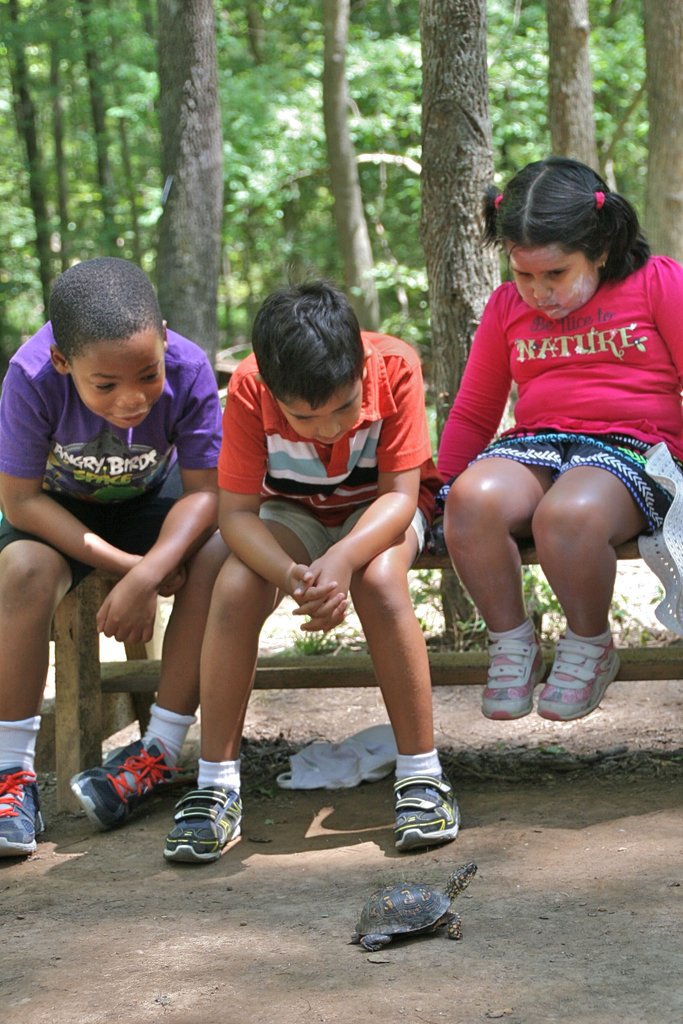
Picture the year 2117. 100 years from now. What do you think the earth will look like? Will it be destroyed and barren? Will our green spaces be non-existent? Or, do we have a chance to turn around the destruction of our environment? Do we still have a chance to educate individuals on the importance of saving the ecosystems we have now and even restore previously developed areas? With your help, we can paint a beautiful picture for future generations of 2117. Let’s leave them with an Earth much better than we found it, and thriving with all sorts of creatures, including the charismatic box turtle. The box turtles are counting on us, and now is our chance!
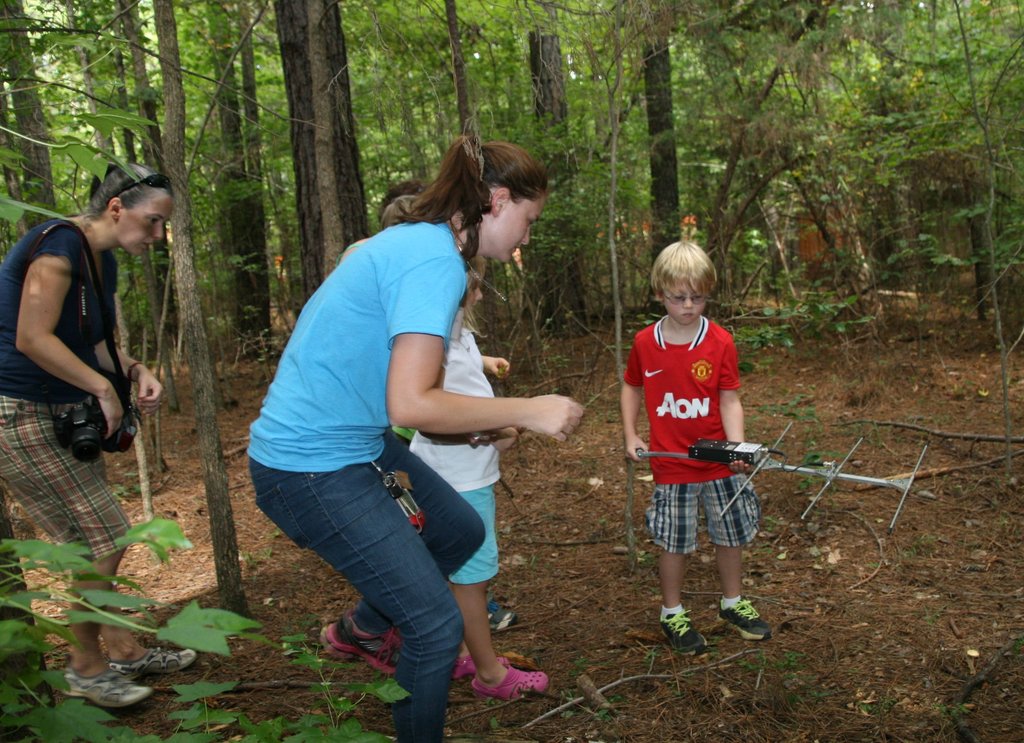
The end of the year brings thoughts of a new beginning. It’s a time for us to re-visit our goals for Turtle Trekkers and figure out how to have an even greater impact in 2018. The turtles need your help to spread the message of our citizen science project. We need more people to get involved, so we can start documenting the turtles that aren’t tucked away in a safe park. 2018 will be a year of advertising & analyzing for the project.
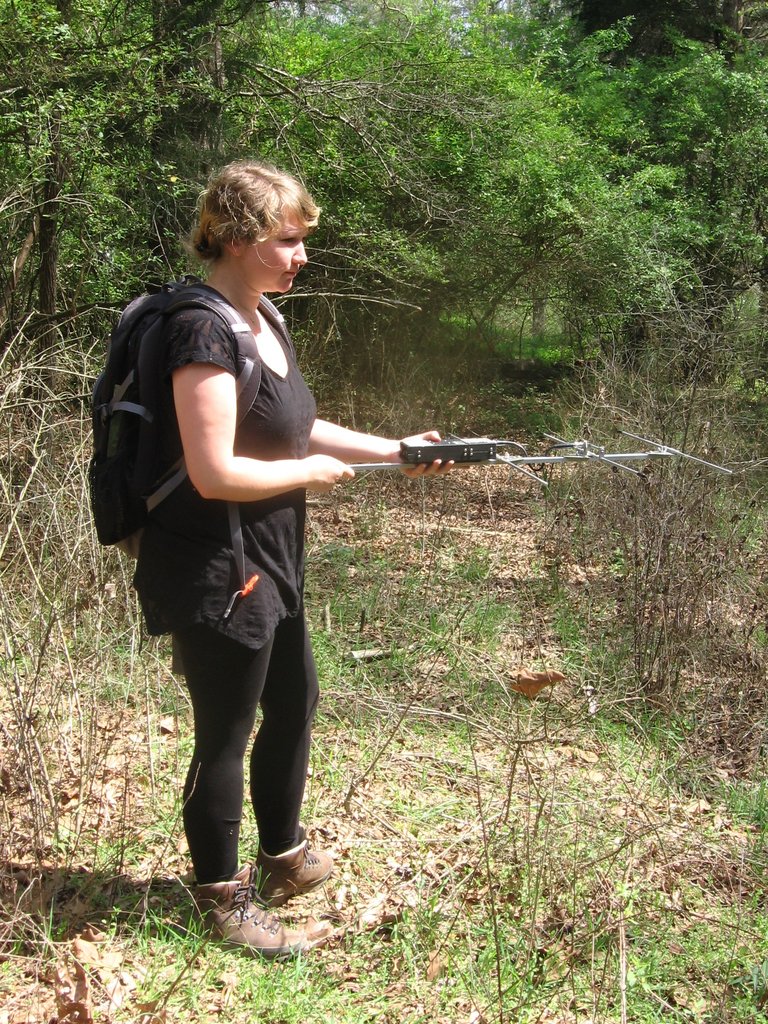
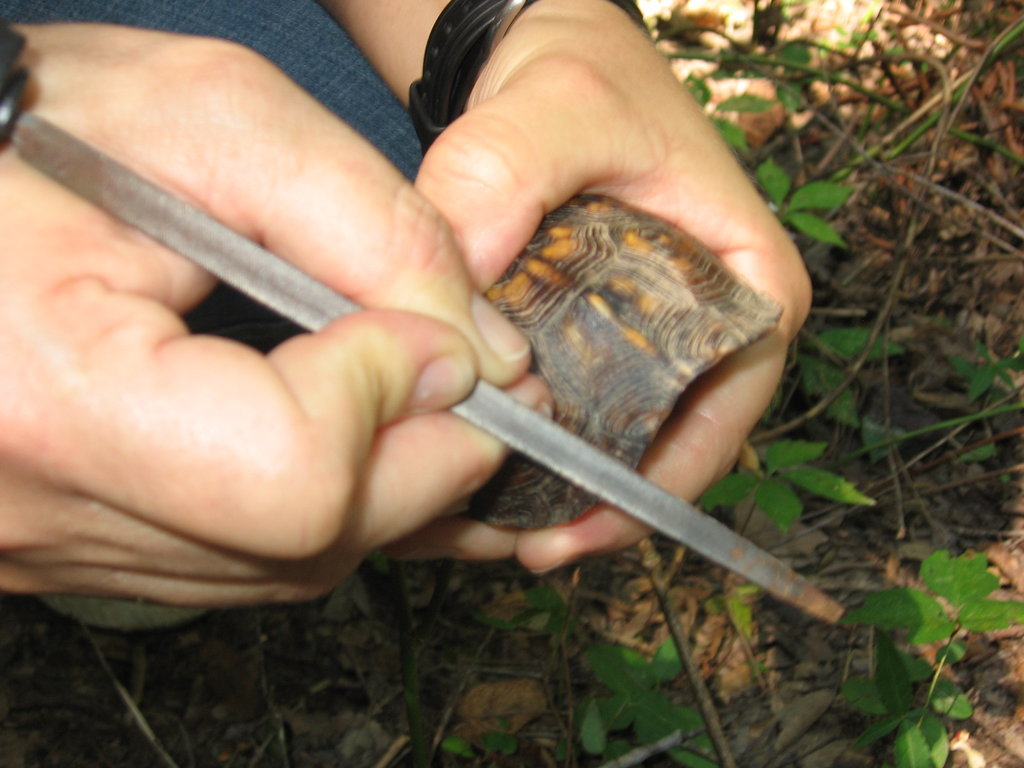
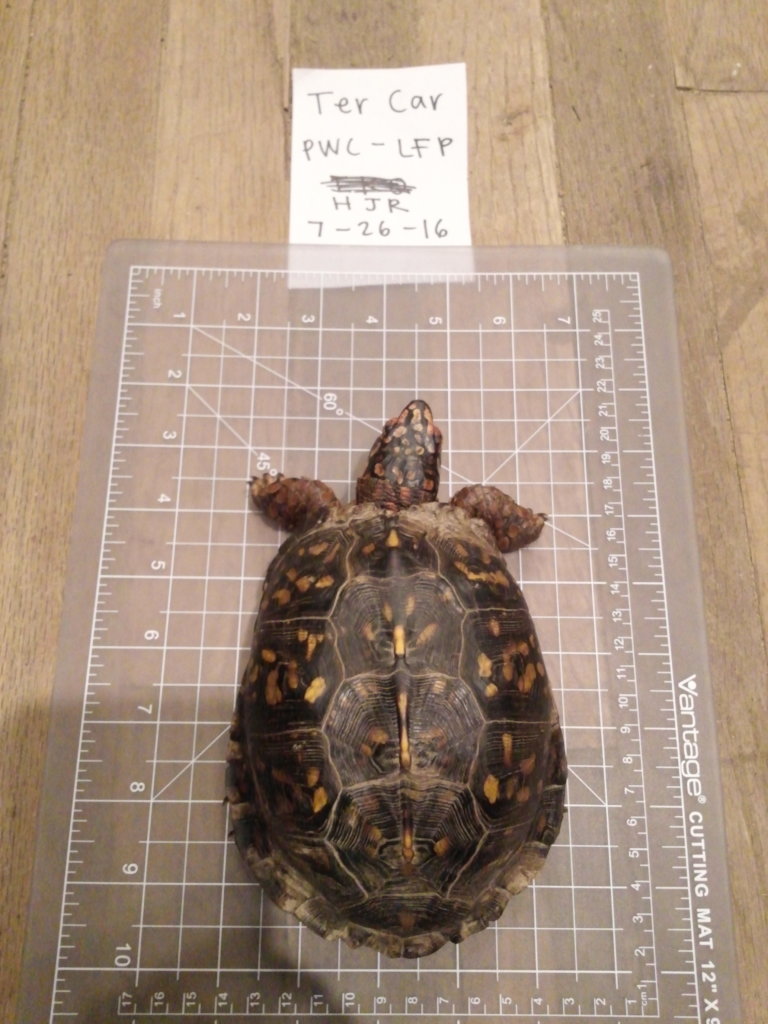
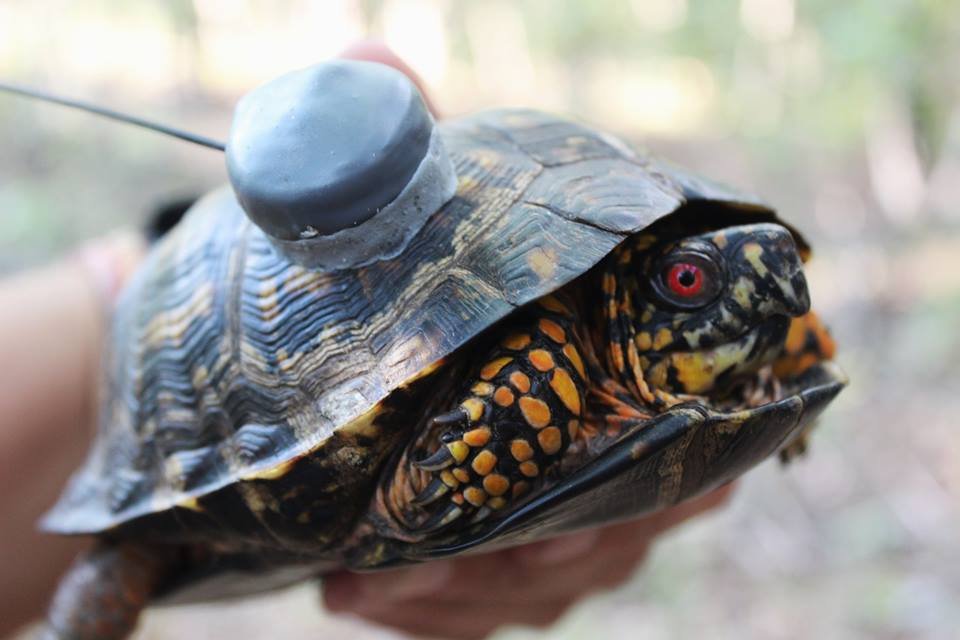
We had some changes this year in regards to the turtles we are tracking. We lost our long-timer, “ABP,” but we added 2 new turtles to our research. “HJR” and “JMP” were the two lucky turtles who received brand new transmitters this summer. “JMP” has already traveled 300 meters from where we first tagged him. He seems to be moving towards our elusive turtle, “ALM” who hasn’t been on park property for a couple of years. One finding we’ve observed is that these turtles will hibernate in the same (or very similar) location year after year. For at least the past 2 years, each one of our turtles has chosen the same hibernation area. While we haven’t analyzed this data yet, this could reinforce the idea of how “home-bound” box turtles really are. Hopefully you’ve heard that box turtles shouldn’t be relocated away from their homes, due to their impressive homing instinct. This hibernation data could be a new piece of the puzzle to support the “home-bound” theory. With more data to support these theories, we get closer and closer to securing legal protection for these turtles.
One challenge we have faced is the time and skill it requires to analyze thousands of data points. With collaboration from university professors, statisticians, and students we hope to be able to analyze our data so that we can publish new results and support current theories. We’re looking forward to a great 2018 and hope we find more turtles than ever!
I’ll leave you with a quote from The Lorax by Dr. Seuss. It’s a well-known quote, but one that needs repeating. Over and over. “Unless someone like you cares a whole awful lot, nothing is going to get better. It’s not.”
Links:
Project reports on GlobalGiving are posted directly to globalgiving.org by Project Leaders as they are completed, generally every 3-4 months. To protect the integrity of these documents, GlobalGiving does not alter them; therefore you may find some language or formatting issues.
If you donate to this project or have donated to this project, you can receive an email when this project posts a report. You can also subscribe for reports without donating.