By Susan Pasley | Communications Coordinator
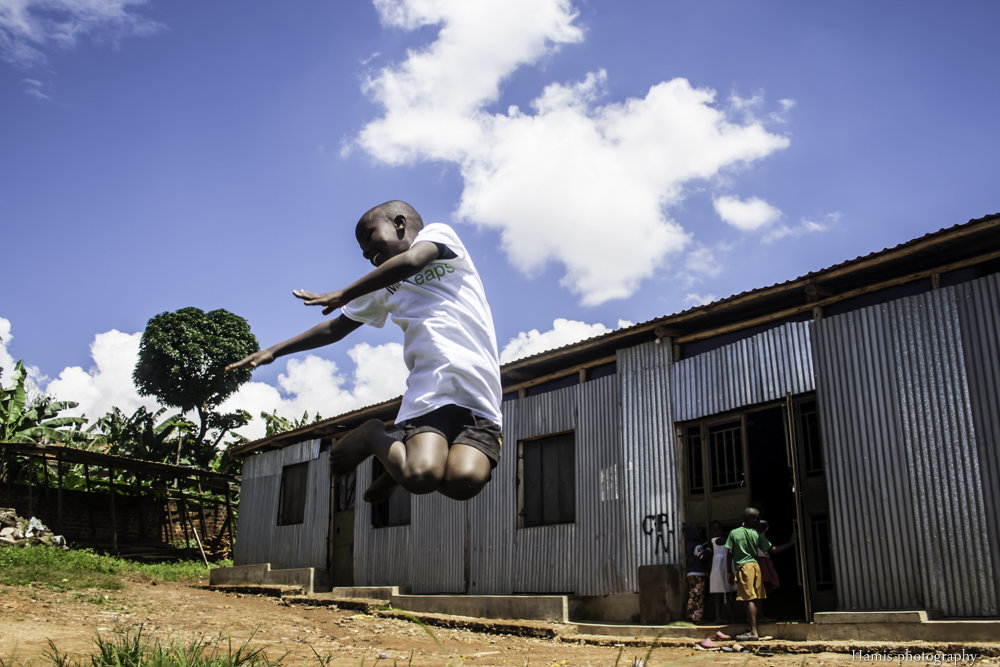
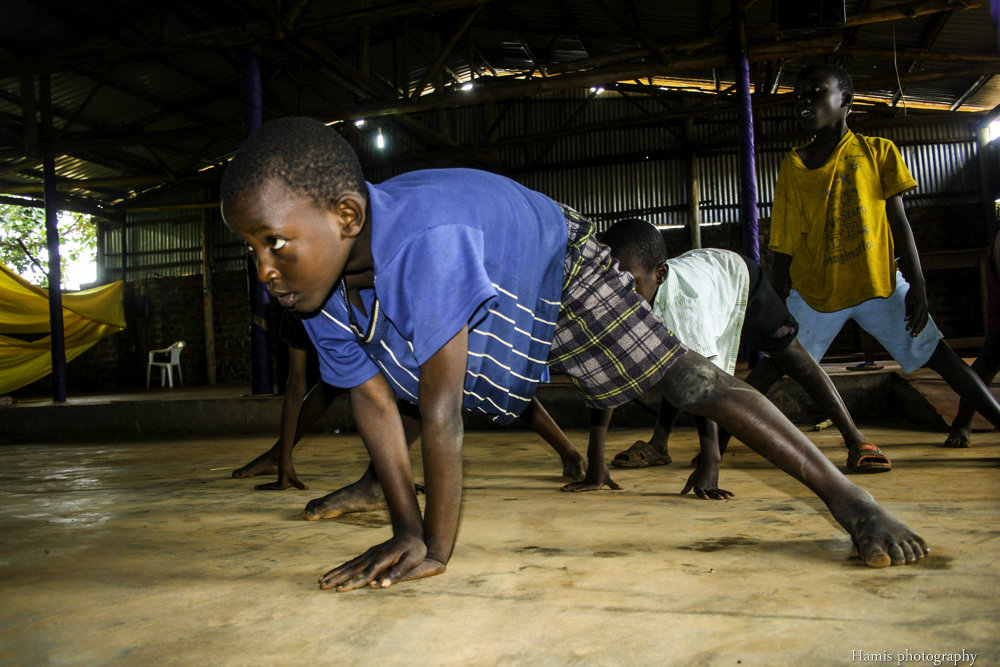
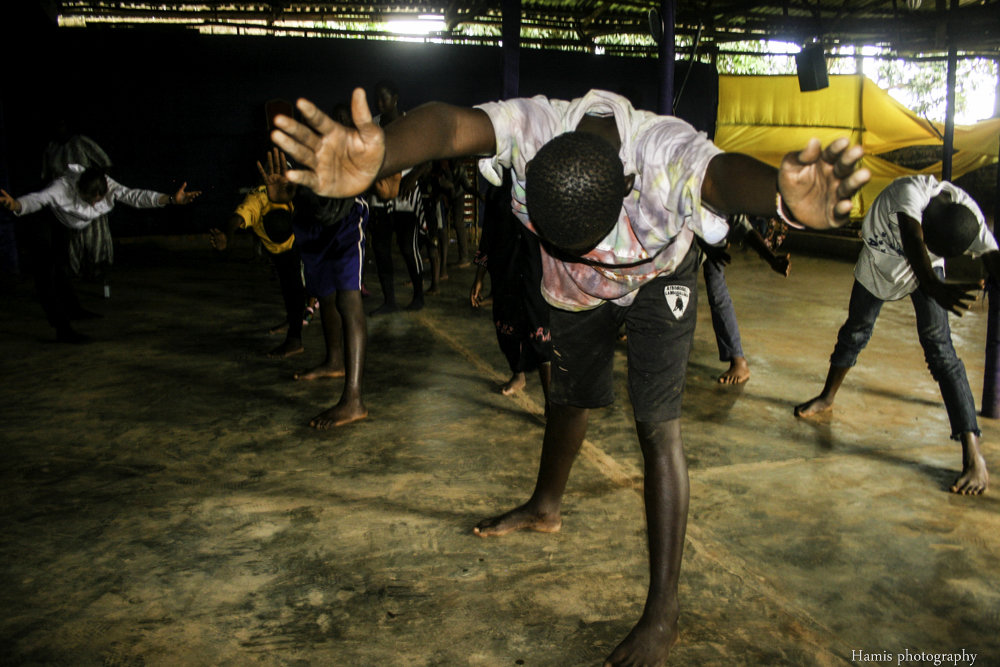
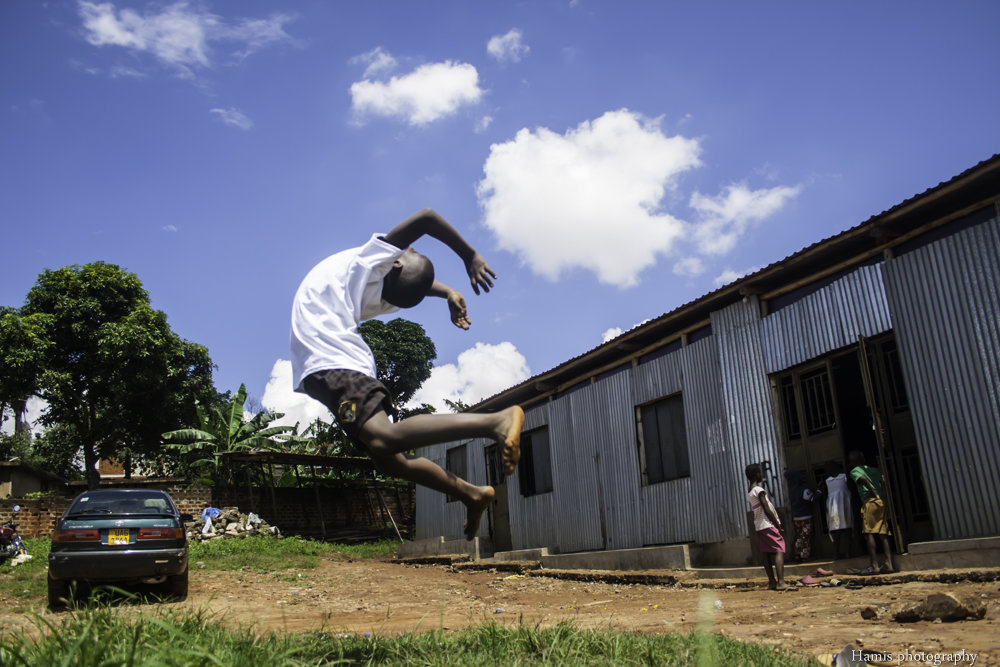
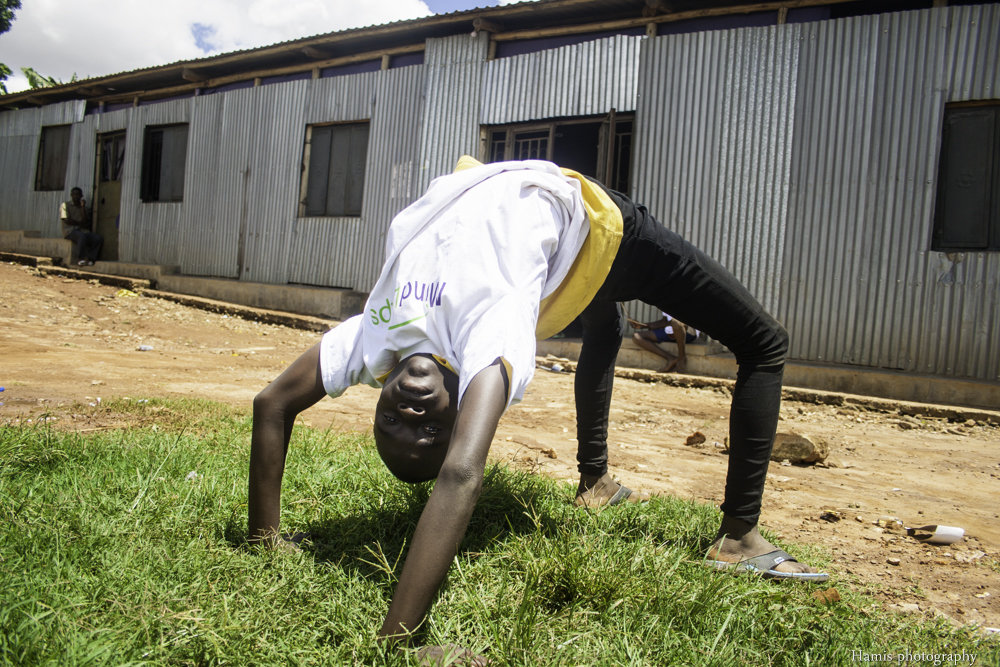
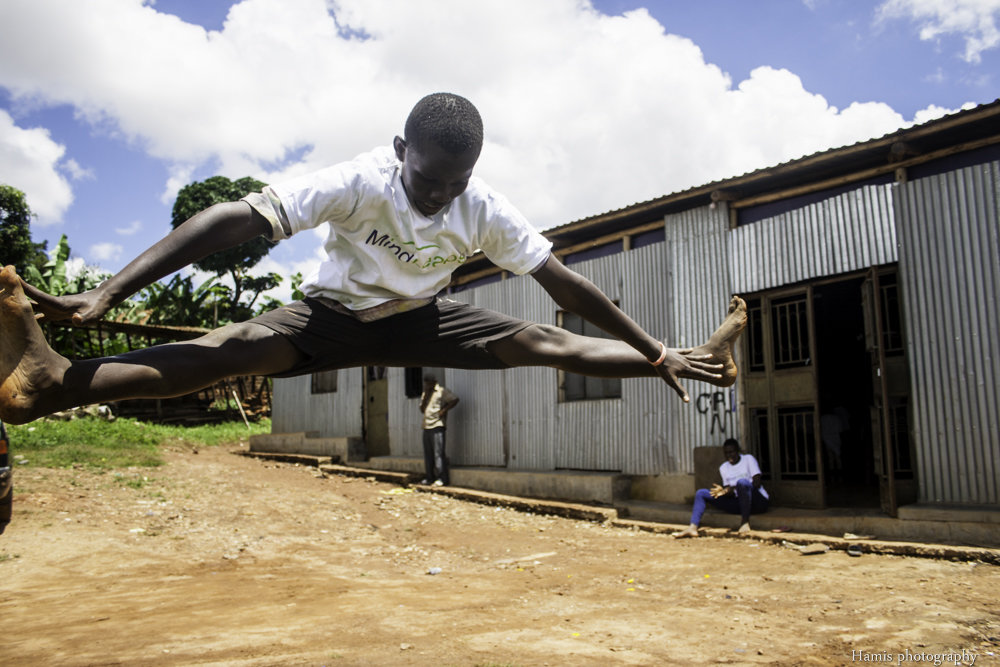
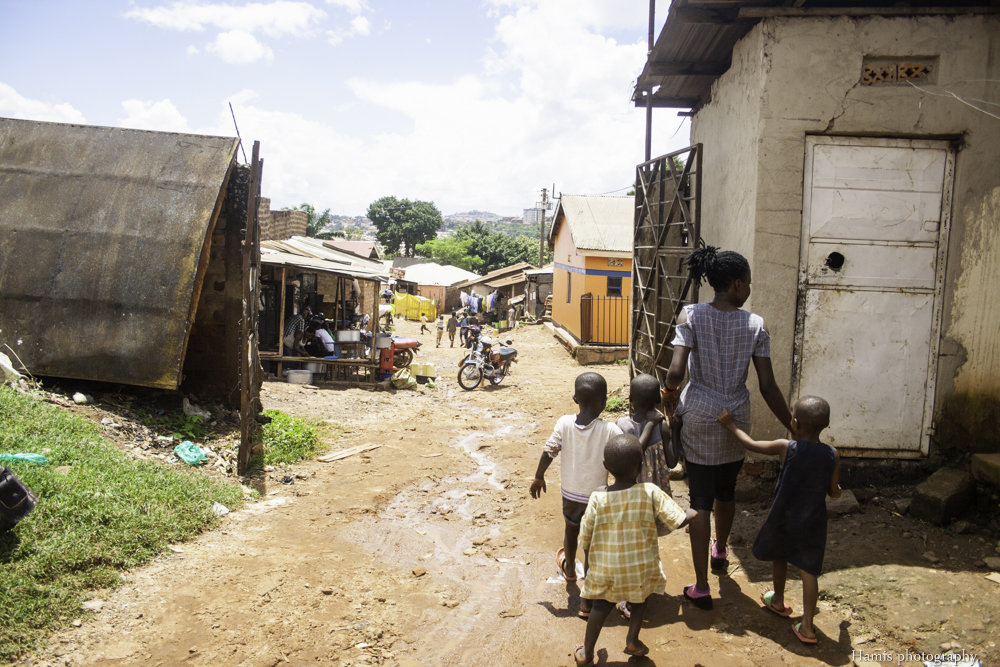
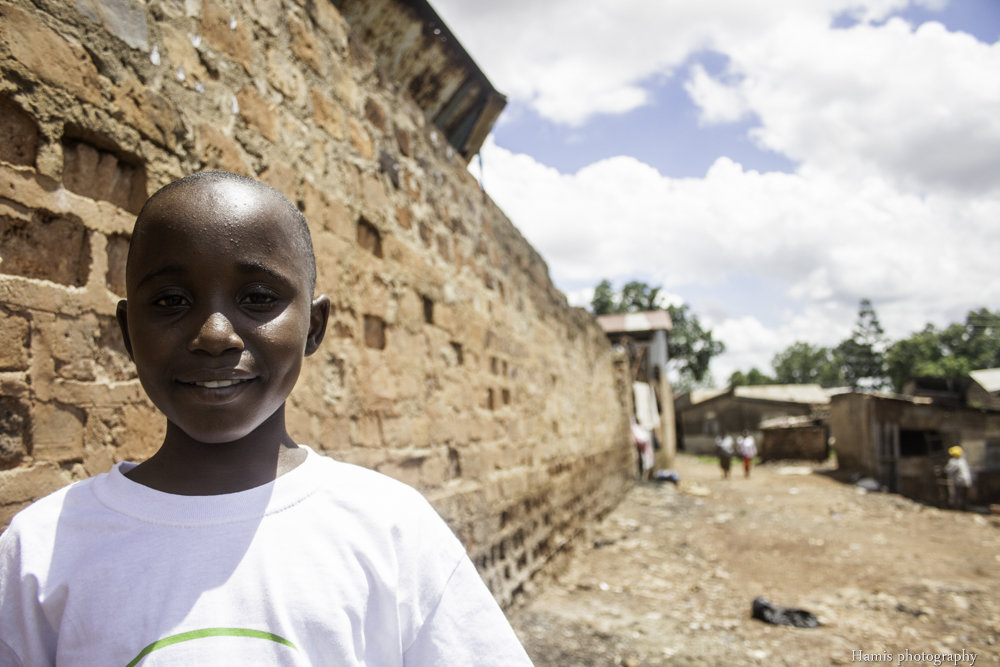
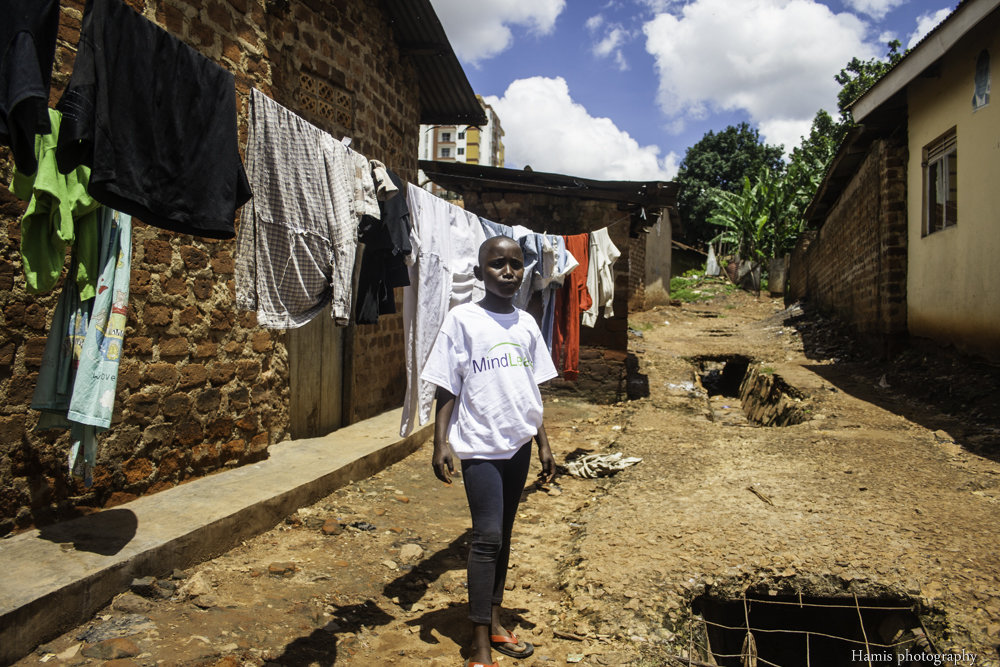
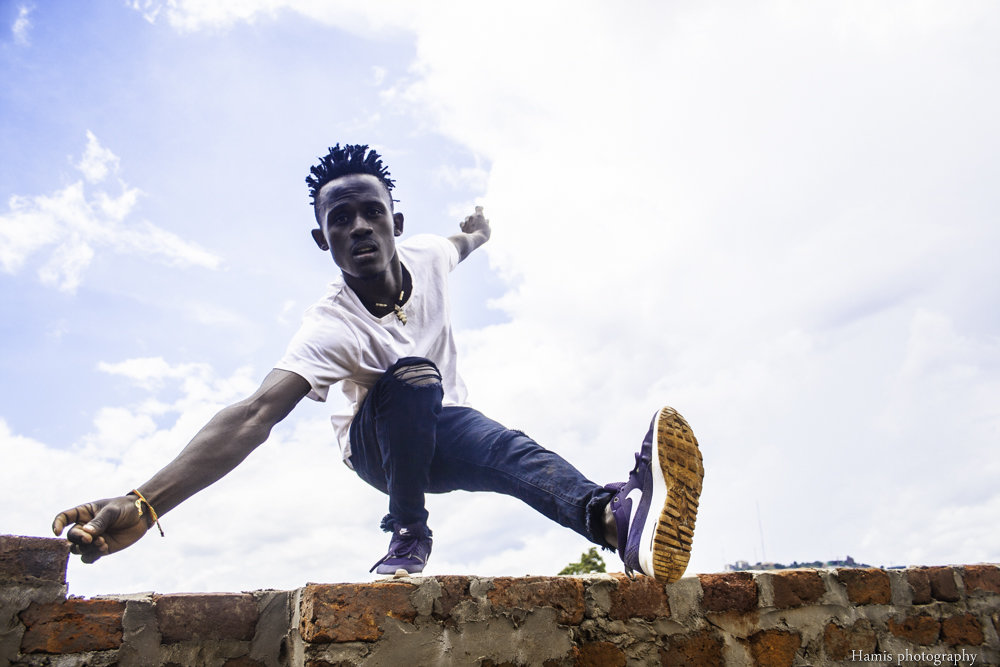
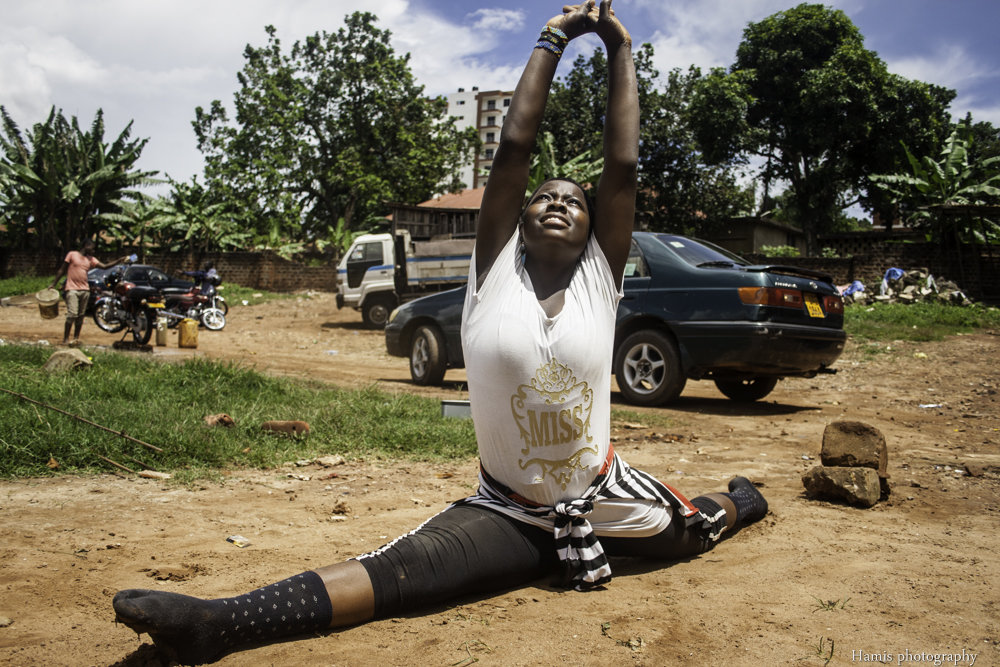
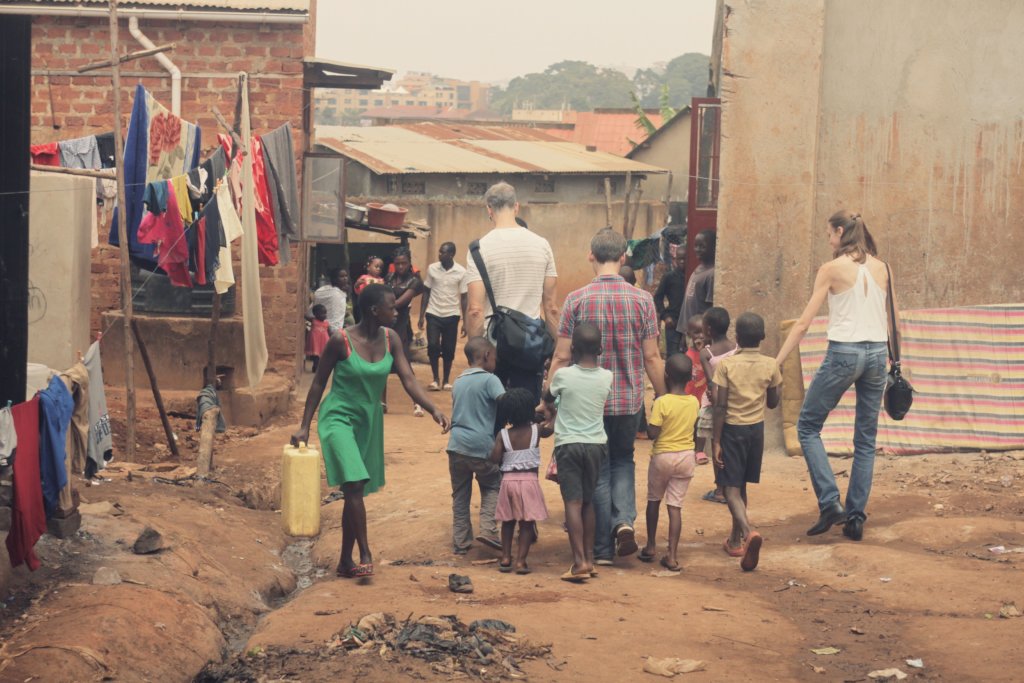
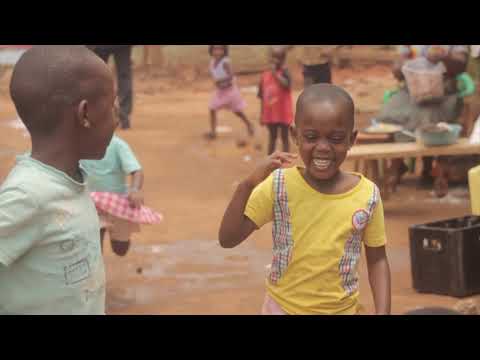
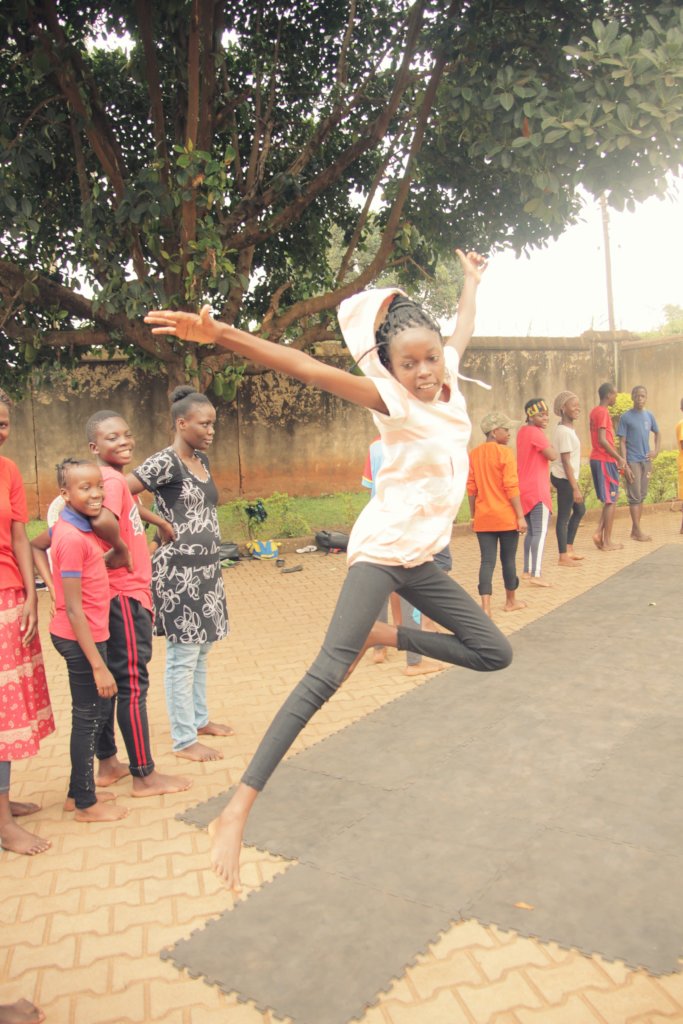
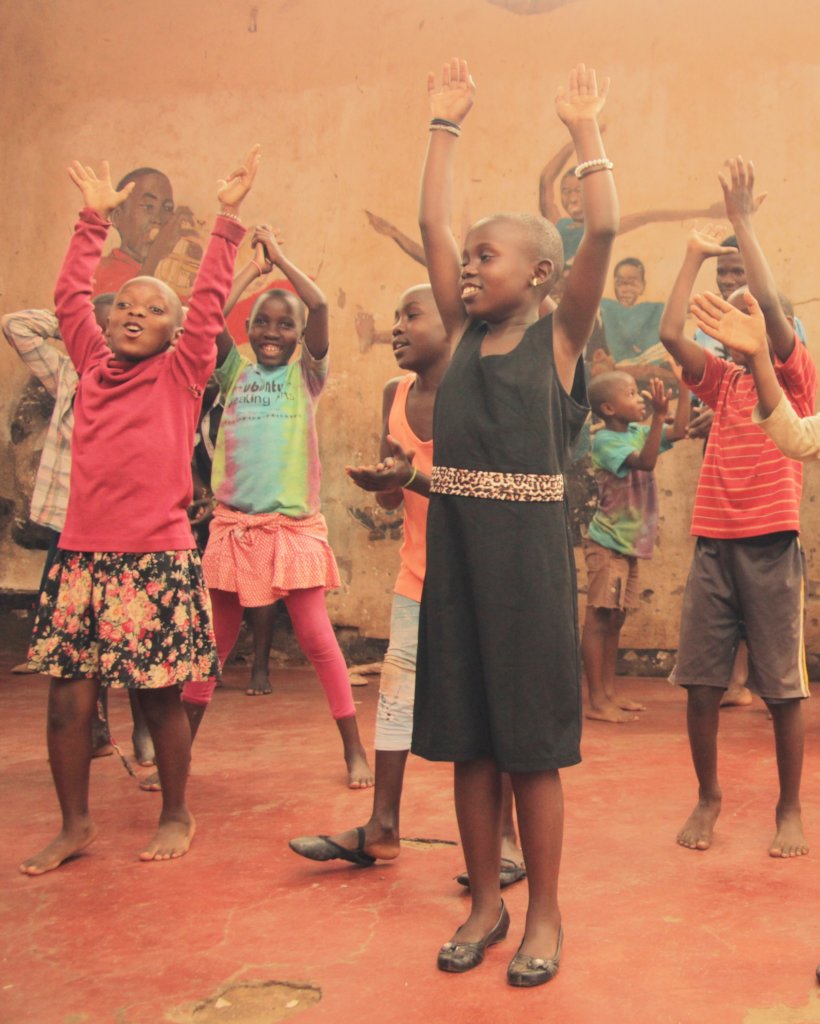
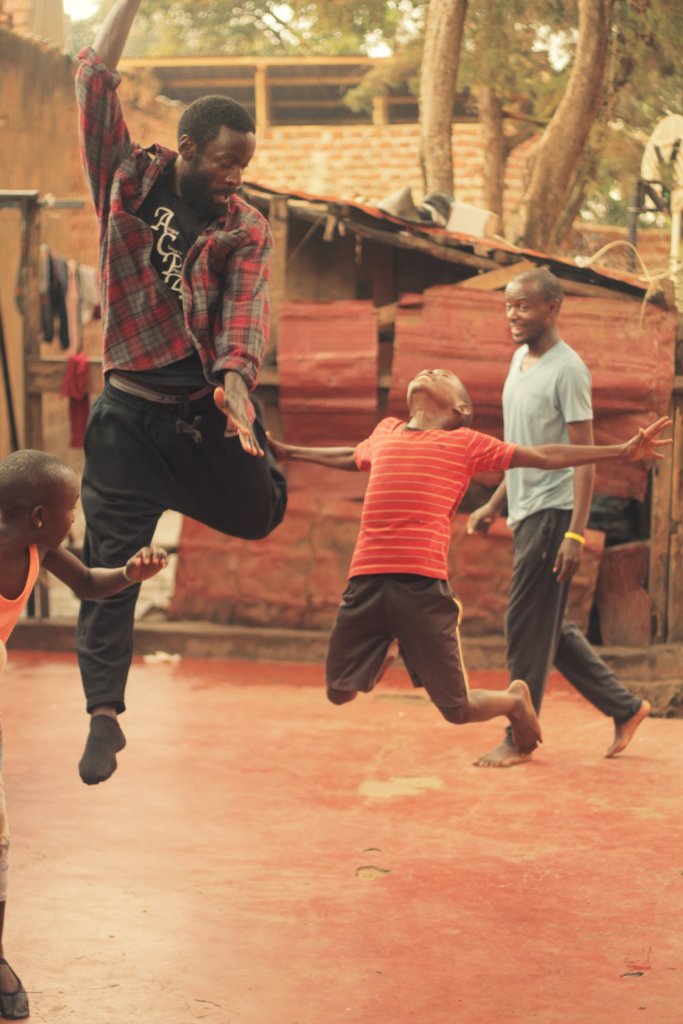
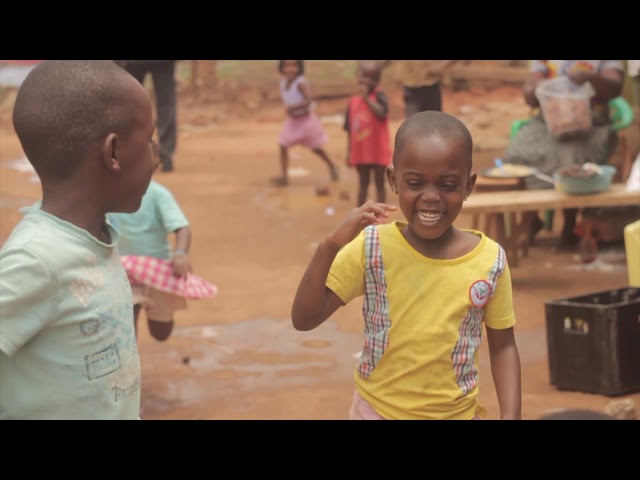
All too common among refugees in Kampala are children who have been robbed of their childhood. A vast number of refugees are children – kids who have seen violence, lost their homes, and are hopeless and helpless. At MindLeaps they find a safe space where they are free to be children again. As one refugee worker explains, “They have no happy memories, but at MindLeaps they find a program that looks at their creative side. Dance for them is associated with happiness – it helps them forget the horrors of war and conflict, build new memories, and imagine a brighter future.” MindLeaps dance classes are a place where they can make new friends. They can learn and explore options without being judged, encouraged by the teachers who engage them with love, patience and understanding.
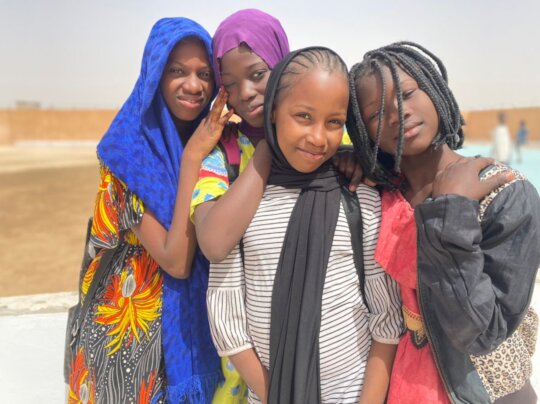
The MindLeaps program coordinator in Uganda reports that teen mothers often experience particular problems. They are forced to grow up much too fast when they have children of their own. All of their 'kid activities' stop because they must look after themselves and their baby, often with no support from the community. These young girls are left to their own devices, feeling isolated. One 16-year-old had given birth a year before joining MindLeaps. From the start, she came back day after day to attend dance classes. Her teachers could see her delight and enthusiasm as she interacted with the other children. In her own words, “This has helped me know that I did not lose my childhood. I can play with no one looking over my shoulder. This is the only place where I come and I feel safe and happy.”
Training the trainers
It is the MindLeaps teachers who reach out to these children and have a direct hand in influencing their lives. Highly skilled teachers are the key to the success of the MindLeaps program, so a crucial part of the MindLeaps model focuses on the training of local youth to carry the program forward as teachers in refugee communities.
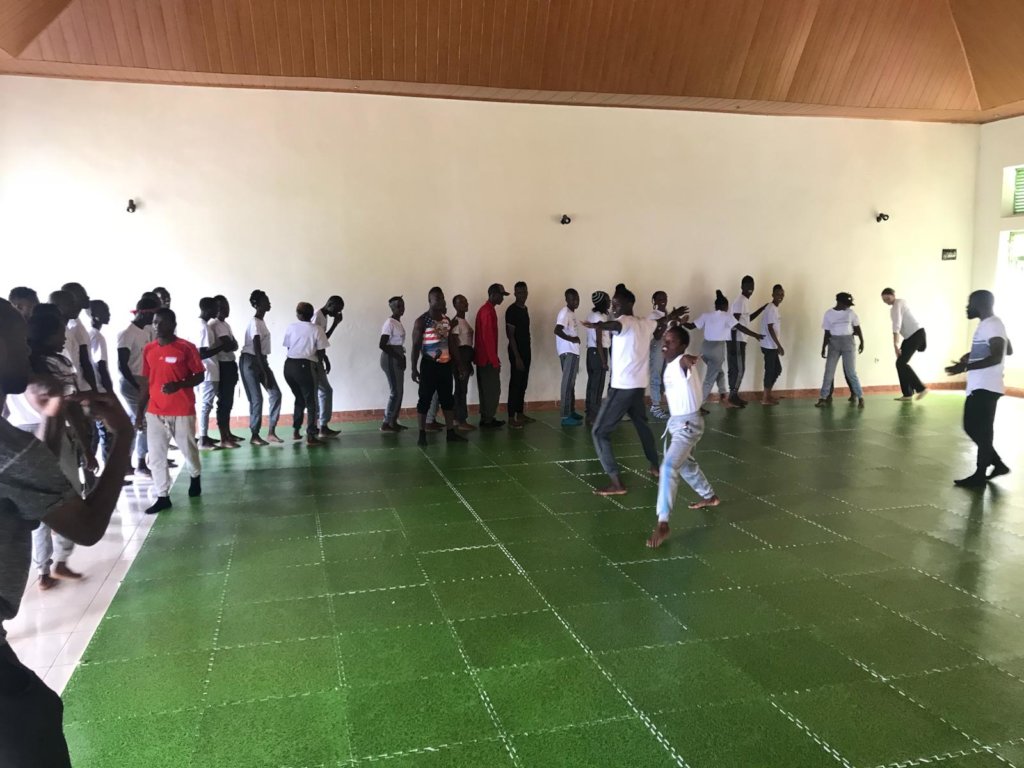
In November and December of this year, MindLeaps is running an intensive Train the Trainer program in Gatsibo, Rwanda. Among the participants are Pius, Ronnie and Abdul from Uganda. Pius is assisting in the training, and Ronnie and Abdul are there as trainees to perfect their teaching techniques to carry out the dance program in Uganda.
Participants will be trained in the MindLeaps curriculum and in Tracker, the software program that collects data and measures development of critical learning skills. Training sessions include the specifics of the dance curriculum and methodology, class and behavior management techniques, and cognitive theory (how skills are taught through movement). Learning to use Tracker will enable teachers to get direct feedback from dance classes, allowing them to monitor student progress and adjust dance exercises to particular needs. Pius, Ronnie and Abdul will return to Uganda with their skills honed and the tools they need to effectively serve refugee children.
Giving Tuesday
Tuesday, November 27, is #GivingTuesday. Your donation made on this day will have an even greater impact on the work of MindLeaps.
GlobalGiving has set up an Incentive Fund to augment your contribution. Your gift to any of MindLeaps' projects on GlobalGiving on Tuesday starting at 12:01AM EST will be matched by a percentage of this Fund.
Please note, only online donations (credit card, debit card, PayPal, ApplePay, and official GlobalGiving gift cards) will count toward totals raised on #GivingTuesday.
Giving Tuesday is truly an opportunity to make your contribution go further toward inspiring refugee youth in Uganda with a sense of hope for their futures.
Project reports on GlobalGiving are posted directly to globalgiving.org by Project Leaders as they are completed, generally every 3-4 months. To protect the integrity of these documents, GlobalGiving does not alter them; therefore you may find some language or formatting issues.
If you donate to this project or have donated to this project, you can receive an email when this project posts a report. You can also subscribe for reports without donating.