By Fiona Peart | Head of Development
Since July, we have worked hard across all our areas of focus to accelerate progress toward a world free from female genital mutilation/cutting (FGM/C). Thanks to your continued generosity, Orchid Project has been able to amplify its impact at both global and community levels, forging new partnerships, generating pioneering evidence, elevating youth voices, and ensuring that FGM/C remains a visible and urgent priority across health, human rights, and development spaces. This report brings together our key achievements and ongoing initiatives from the past five months. We are immensely grateful for your steadfast support, which makes every milestone possible. From the entire Orchid Project team: thank you. We hope you enjoy reading about the work you have helped bring to life.
Advocacy Work
World Health Summit – First Ever FGM/C-Dedicated Session:
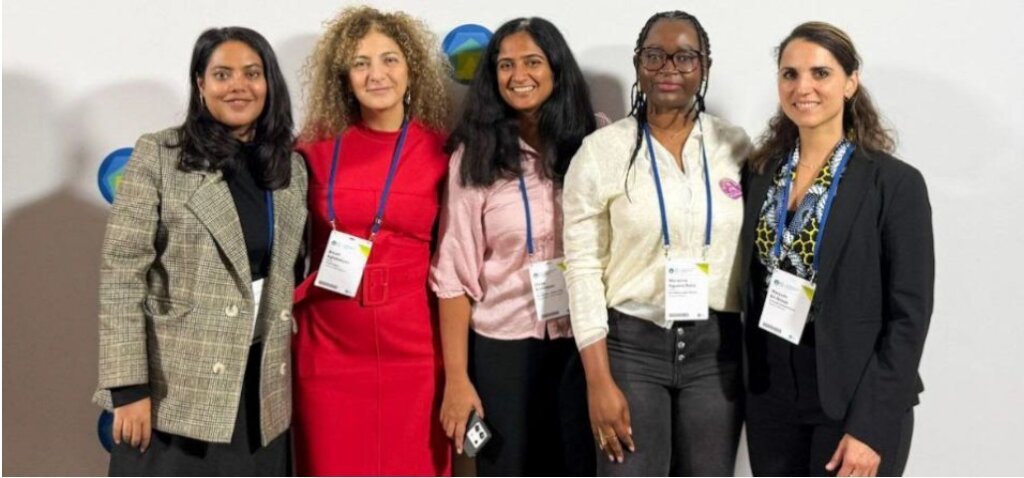
In October, Orchid Project co-hosted a historic session at the World Health Summit - the first event at this major global health convening dedicated entirely to FGM/C. Moderated by our Head of Advocacy and Policy, Anush, the session opened with a powerful framing of FGM/C as both human rights violation and a significant public health crisis, one that continues to cause severe lifelong harms for millions of girls and women worldwide. This milestone event brought together health institutions, survivor leaders, medical associations, and long-standing movement actors, including FIGO and the International Federation of Medical Students’ Associations. Their participation marked an essential step in embedding FGM/C prevention into medical education, clinical practice, and global health policy. For years, FGM/C has been largely absent from key health platforms, and this session signalled a growing recognition that addressing the practice requires integrated approaches across both health and justice systems. We are proud to have secured such meaningful visibility for FGM/C on this global stage.
FIGO (International Federation of Obstetrics and Gynaecology) World Congress – Launching Regional Evidence on Medicalisation
Also in October, Orchid Project took the issue of FGM/C medicalisation to the global arena through our participation in the FIGO World Congress in Cape Town. Together with ARROW, Equality Now, the Asia Network to End FGM/C and the Royal College of Obstetricians and Gynaecologists, we launched a new regional evidence brief examining the rise of medicalised FGM/C in South and Southeast Asia. This hybrid event also unveiled a Joint Statement Against the Medicalisation of FGM/C, endorsed by major global organisations including WHO, UNICEF, UNFPA, FIGO and ICM (International Confederation of Midwives). The evidence presented made clear that medicalisation does not reduce harm; in some countries, it has led to more severe forms of cutting. With more girls being subjected to FGM/C by healthcare providers - often without oversight or accountability - this session underscored the urgent need for ethical leadership, legal reform and collective action. Bringing this evidence to FIGO ensured that thousands of medical practitioners and policymakers were exposed to the realities of medicalisation and the critical changes needed to protect girls.
Knowledge Sharing in the Horn of Africa
In early October, Orchid Project joined Belt of Somali Women, Silver Lining Kenya and the Somaliland Family Health Association (SOFHA) in facilitating an interactive knowledge-sharing dialogue focused on integrating FGM/C prevention, care and support into healthcare services within the Horn of Africa. Unlike a traditional webinar, the event was structured as a live, bilingual conversation in Somali and English, offering a safe space for practitioners, survivors and diaspora communities to share insights, experiences and recommendations. SOFHA shared powerful stories from their work to embed FGM/C services into clinic operations, while survivors emphasised the importance of culturally grounded and trauma-informed approaches. Feedback from the session has informed a detailed meeting summary, outlining practical pathways to strengthen healthcare integration across the region.
Movement Building and Youth Leadership
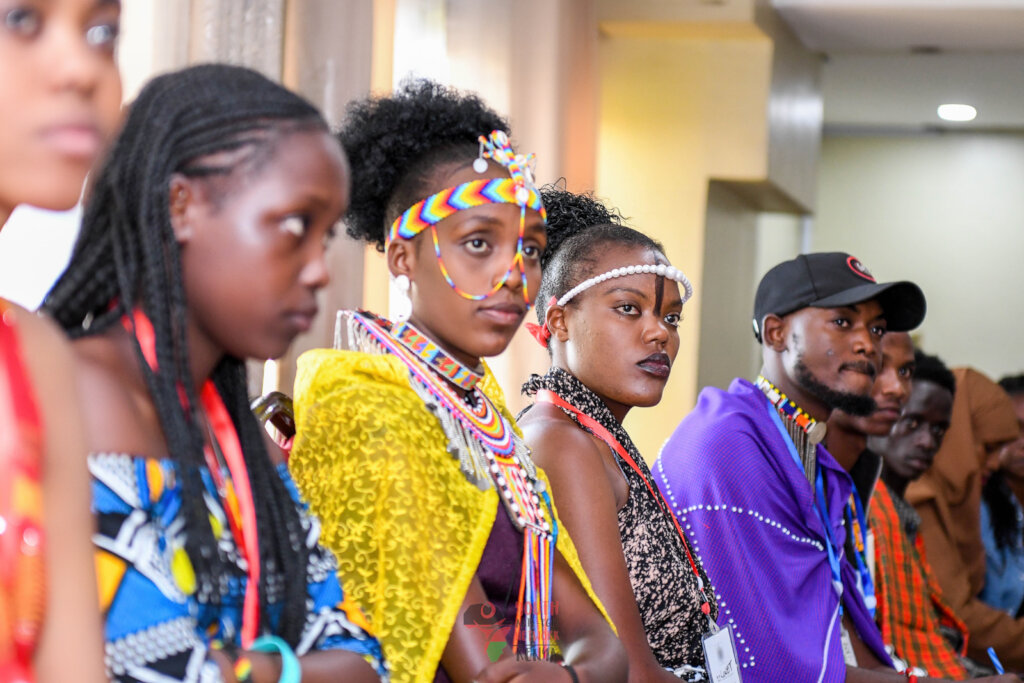
Youth voices have been a central focus of our work throughout the last five months. As part of the Africa Led Movement to End FGM/C (ALM), Orchid Project supported the co-creation and launch of a Youth Advocacy Toolkit developed by young activists who participated in a series of capacity development workshops. The toolkit identifies six essential advocacy priorities, ranging from expanding meaningful youth engagement to strengthening research, legislation, and mental health support for survivors. In August, we hosted a public webinar with The Girl Generation-ALM to unpack the toolkit, providing young advocates with a platform to share their experiences, successes and challenges.
Alongside this, we launched a new three-part vlog series featuring inspirational young people involved in ALM. Filmed in collaboration with our partners, the series showcases their journeys, the advocacy skills they have gained, and how they are incorporating the Youth Advocacy Toolkit into their community work. The vlogs, published on our YouTube channel, mark an important expansion of our digital engagement and highlight the leadership of youth across the movement.
Research
Asia: Breaking the Silence:
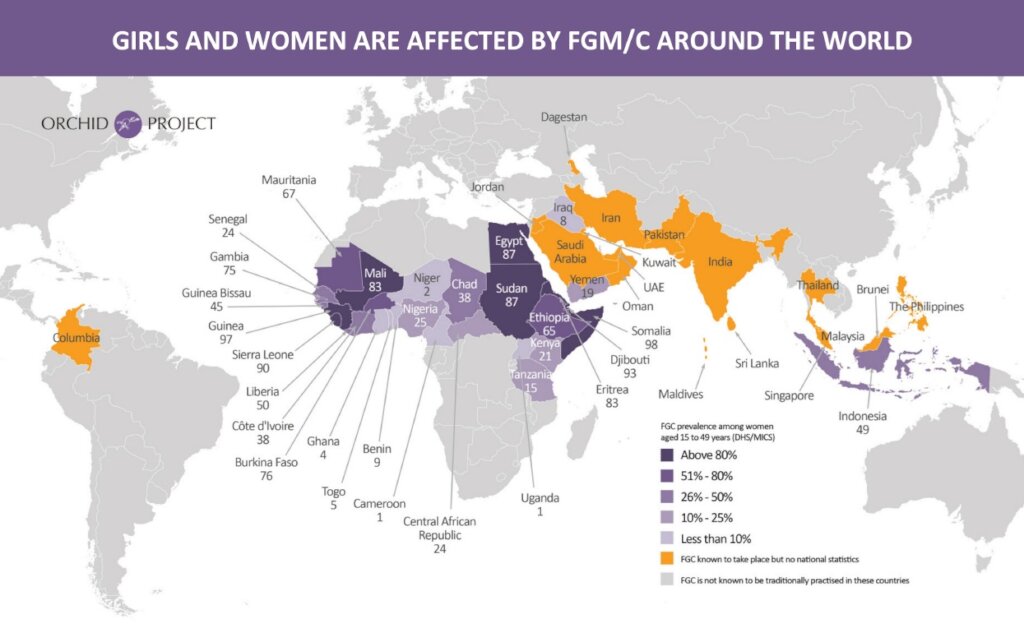
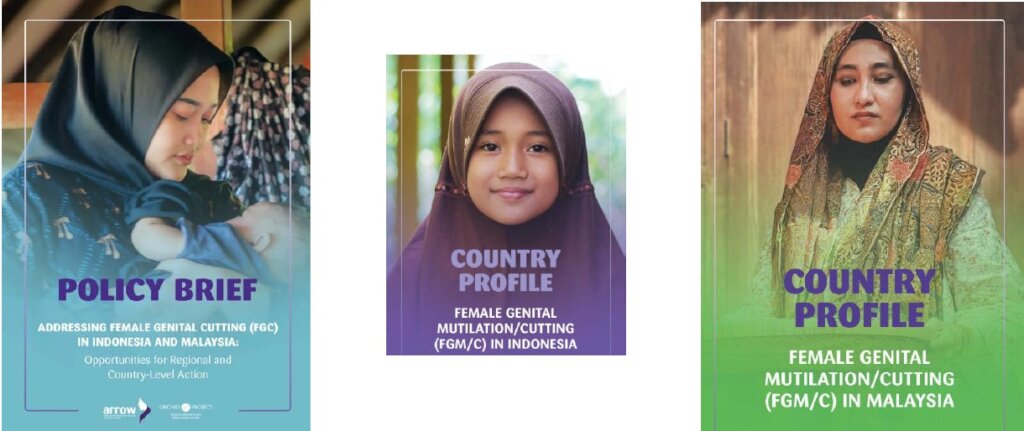
In collaboration with ARROW, Kalyanamitra and Sisters in Islam, Orchid Project published three major research reports examining FGM/C in Indonesia and Malaysia. These publications offer a deep analysis of prevalence patterns, drivers of the practice and the broader legal and policy contexts in Southeast Asia. They highlight the urgent yet often overlooked reality that Asia accounts for at least 35% of the global burden of FGM/C - an estimated 80 million women and girls. These findings are already strengthening the evidence base for advocacy in the region, guiding policymakers, human rights organisations and international supporters of change.
Medicalisation in South and Southeast Asia:
Alongside the broader research outputs, we launched a dedicated policy brief addressing the escalating trend of medicalised FGM/C. Developed with ARROW, Equality Now and the Asia Network to End FGM/C, this brief synthesises data from multiple countries and underscores that the involvement of healthcare professionals does not make the practice safer. Through this publication we continue to emphasise the need for urgent regulatory oversight, public awareness and stronger government action across the region.
Horn of Africa and Ongoing Regional Work:
Building from the extensive regional dialogues we facilitated earlier this year, we continue to support practitioners, researchers and community leaders in the Horn of Africa. Our October knowledge-sharing session forms part of this ongoing programme of engagement. Work is also progressing on regional initiatives in West Africa, where, drawing on the success of our Horn of Africa approach, we are preparing for a new series of dialogues across Mali, Burkina Faso, Guinea, Sierra Leone, Liberia and The Gambia. These consultations will lead to a new suite of reports that mirror our earlier outputs, strengthening local evidence and supporting context-specific advocacy.
Communications and Storytelling
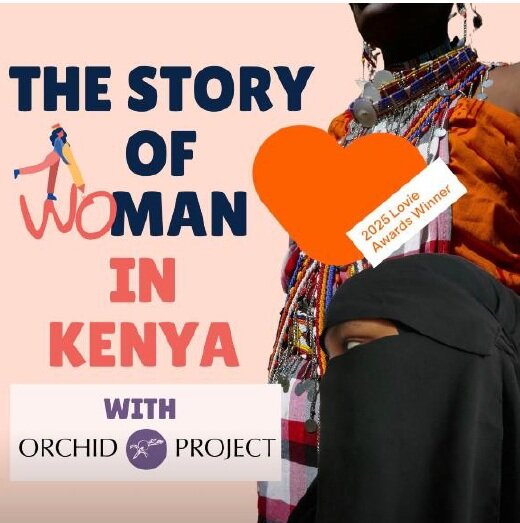
This period also marked continued momentum in our partnership with The Story of Woman. Together with Anna Stoecklein, we co-authored a blog for Citizen Digital reflecting on the importance of storytelling in shaping public awareness and policy action, especially as the East Africa Community Female Genital Mutilation Bill 2025 gains traction. Elevating survivor narratives and community experiences remains central to ensuring that FGM/C stays at the forefront of public consciousness. This co-authored piece reached new audiences and further solidified our commitment to using compelling, human-centred storytelling as a tool for policy change.
This long-standing collaboration with The Story of Woman continues to bear fruit. The three-part mini-series podcast we co-created earlier in the year was recognised this autumn with the People’s Lovie Award for Best Branded Podcast - a celebration of the best in European digital creativity. This underscores the importance of amplifying the voices of communities, survivors and activists across different platforms, reaching audiences who may not previously have been aware of the realities of FGM/C. We are honoured that this collaboration has been recognised and remains a powerful tool for public engagement.
As we look toward the coming months, we remain deeply committed to strengthening the global movement to end FGM/C by amplifying evidence, elevating youth leadership, supporting communities and ensuring that FGM/C is understood as both a violation of human rights and a pressing public health emergency. None of the progress outlined in this report would be possible without your unwavering support. Your partnership enables us to keep pushing for change in global forums, to bring research to the forefront of policy conversations and to support young leaders and grassroots organisations who are driving transformation within their own communities.
From all of us at Orchid Project, thank you for standing with us as we continue this vital work. Together, we can create a future where no girl experiences FGM/C.
Links:
Project reports on GlobalGiving are posted directly to globalgiving.org by Project Leaders as they are completed, generally every 3-4 months. To protect the integrity of these documents, GlobalGiving does not alter them; therefore you may find some language or formatting issues.
If you donate to this project or have donated to this project, you can receive an email when this project posts a report. You can also subscribe for reports without donating.



Support this important cause by creating a personalized fundraising page.
Start a Fundraiser