Help us to take care of 11 million trees in Cusco

by Pachamama Raymi
Play Video
Help us to take care of 11 million trees in Cusco

Project Report | Sep 25, 2026
Help us to take care of 11 million trees in Cusco

By Ruth Soledad Bustamante Mamani | Help us to take care of 11 million trees in Cusco

The farming families of the Peruvian Andes are the protagonists of their future

Dear Donors,

We would like to express our sincere gratitude for your continued support of farming families. We reaffirm our belief that the future of the planet lies in the hands of family farmers. This project continues to generate significant environmental, economic, and social benefits for rural communities.

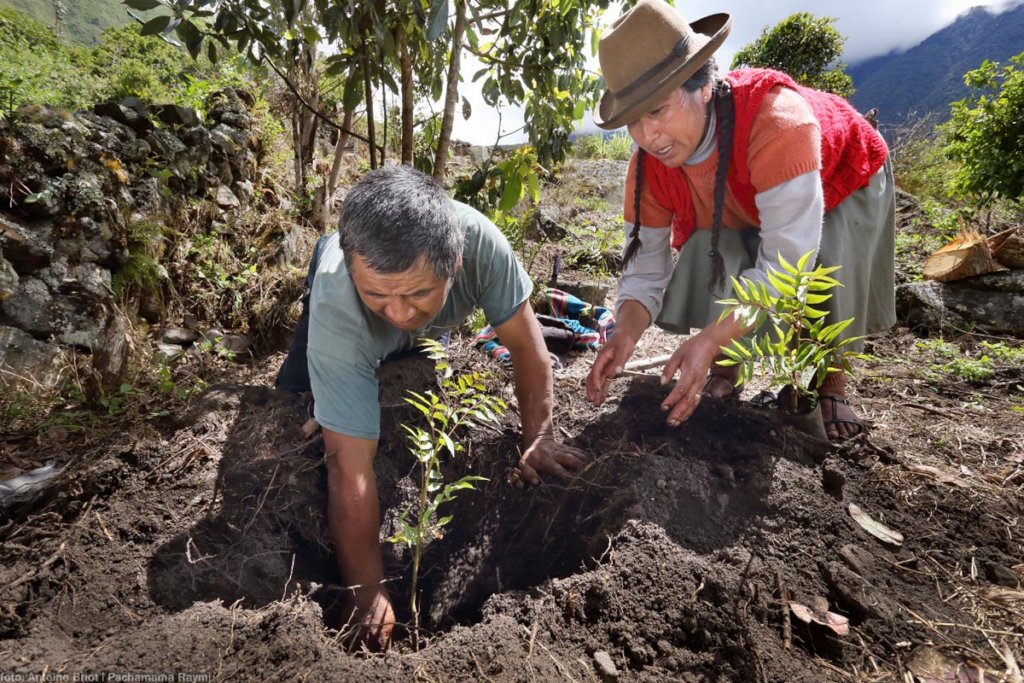
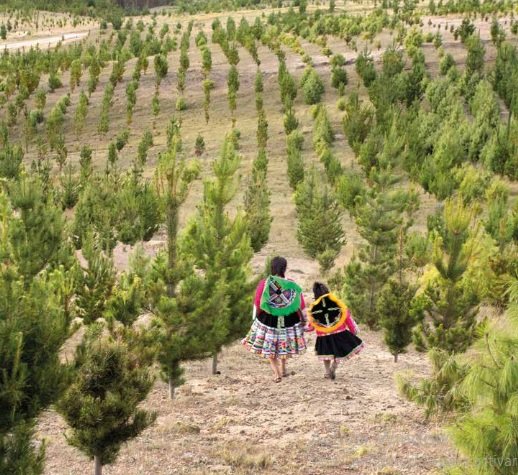
We are currently carrying out our fourth forestry campaign, with activities focused on both the care and management of established forests and the establishment of new plantations.

Over the past few months, as part of our commitment to forest protection, we have focused our efforts on forest management activities, particularly pruning work carried out in 12 communities and their annexes. We have also established firebreaks in the intervention areas to reduce the risk of forest fires and conducted training on forest fire prevention and response in coordination with the Cusco Fire Department.

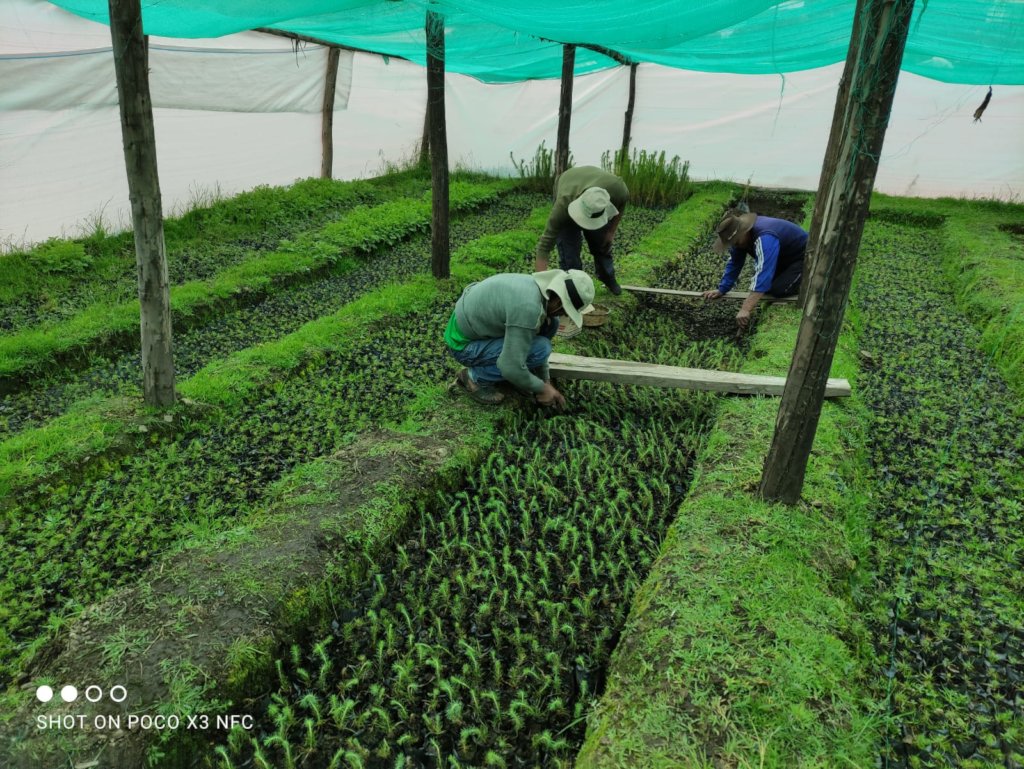
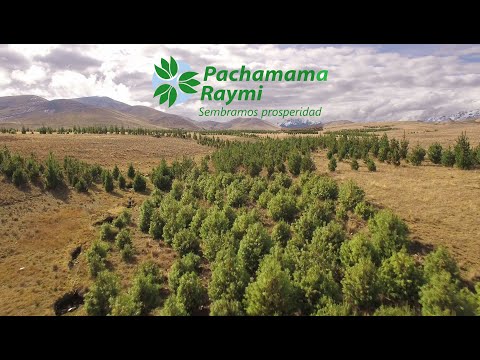
We continue to manage and maintain 15 forest nurseries, which are currently producing approximately 1.8 million trees for planting between December 2026 and February 2027.

We have also begun setting up new nurseries to ensure the production of seedlings for the 2027 forestry campaign and to continue our efforts to restore and recover degraded areas.

There is still a long way to go. We continue to learn and strengthen our work together with participating communities and local governments, building local capacities and promoting actions to restore, protect, and care for our ecosystems for present and future generations.

Forest management (2026)

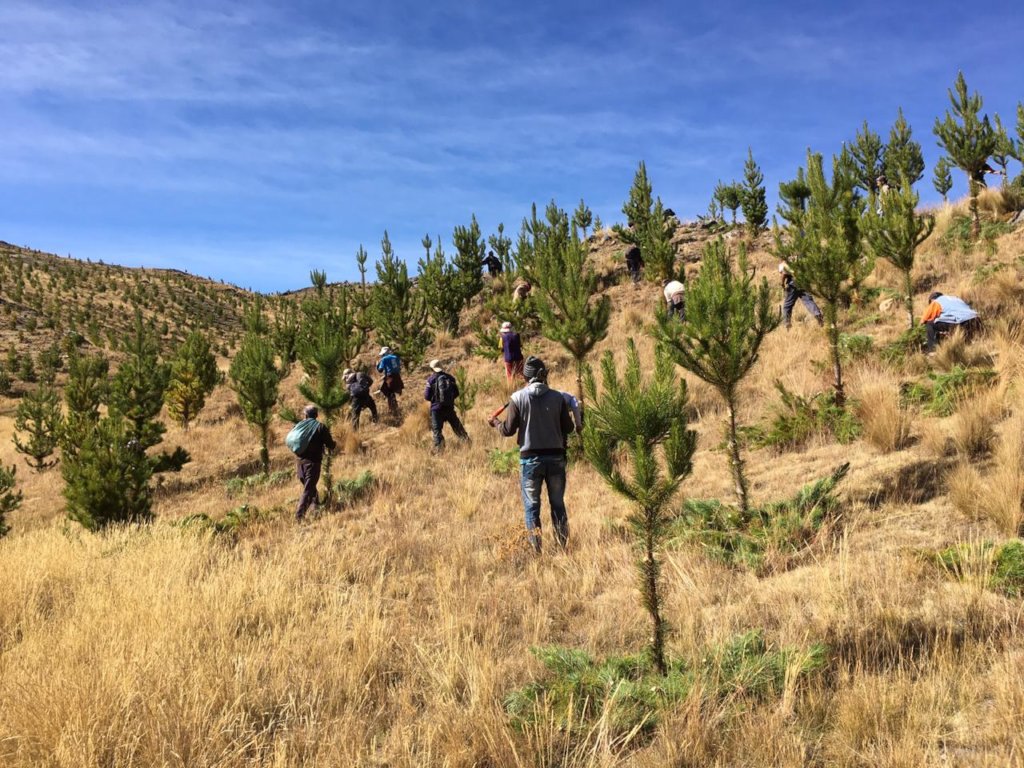
  • Training on forest management provided by the project supervisor to farmers in the communities prior to the start of tree pruning.
  • One of the main activities to guarantee a successful forest plantation and ensure high-quality timber for the future is sustainable forest management. As a critical first step in this process, formative pruning aims to straighten the pine and promote height growth, removing lower branches to foster straight development and a clean, knot-free trunk that will maximize the long-term value of the timber resource.
  • Evaluation of plantation survival: We have conducted assessments of the establishment of plantations from previous years, obtaining an average survival rate of 70%, which is very positive considering the adverse conditions in which the plantations are located.
  • Community training: We have conducted training sessions with communities on risk prevention and forest management.
  • Risk prevention is essential, as a fire could compromise the work carried out to date and pose a risk to human life. Accordingly, firebreaks have been established by cutting and removing ichu grass, a highly flammable material, with the participation of more than 70% of families across the communities.
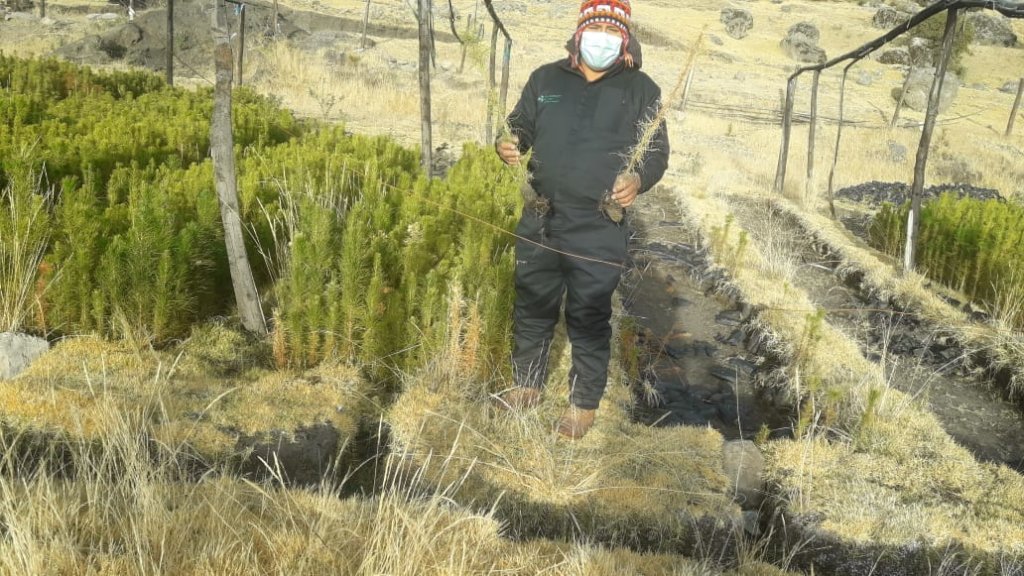
  • We continue with the management and care of the nurseries, where 1.8 million seedlings are being produced across 15 nurseries in 6 districts. Consistent and adequate watering is essential to ensure their proper development and growth.
  • Proper nursery management is essential. One of the key practices is root pruning, which promotes the development of secondary roots and helps produce more hardened and resilient seedlings, better prepared for establishment in their final planting sites.
  • Many communities have taken the initiative to fence their planting areas to protect them from domestic livestock and wildlife. This initiative demonstrates the communities’ commitment to protecting their plantations and their growing awareness of the benefits provided by forested areas.
  • Some communities have also implemented mulching techniques to protect the plants from potential periods of extreme drought associated with the El Niño phenomenon. One example is the community of Vilcabamba, in the district of Huanoquite, where this practice has been implemented to help conserve soil moisture and support plant survival.
  • We have also begun preparing new nurseries for the production of forest seedlings for the 2027 campaign. The incorporation of green manure and compost will be essential to improve production.

The project remains aligned with ten Sustainable Development Goals (SDGs).

MAIN OBJECTIVE:

The Project has as its main objective the eradication of rural poverty in the district through a comprehensive strategy that addresses the most relevant causes of rural poverty. To achieve this, the project focuses on environmental restoration, the improvement of human health, and the strengthening of cultural identity within families and communities.


Restoring eroded soils is not only possible, but essential. Although it is more challenging than intervening in earlier stages, the social, environmental, and economic benefits of rehabilitating degraded land make it a smart and necessary investment. By supporting this effort, you’re not just helping to heal the Earth — you're empowering communities, protecting biodiversity, and building a more sustainable future. Every contribution makes a real and lasting impact.

Our next steps:

  • Continue with field operations for the management and maintenance of nurseries.
  • Continue with the management and maintenance of forest plantations.
  • Strengthen forest fire prevention and control measures.
  • Prepare the planting plan for the 2026 forestry campaign.
  • Strengthen community capacities for the sustainable use of forest plantation by-products, including mushroom harvesting starting in December.
  • Continue with the certification process for the forest plantations.
  • Generate income for communities through the sale of carbon credits.
  • Continue strengthening community capacities in management and organizational development.

Help us with your donation to Planting Prosperity!

Thank you for your generosity and continued support. Together, we are creating a better.

BLESSINGS, TEAM PACHAMAMA RAYMI

Attachments: Share on Twitter Share on Facebook

About Project Reports

Project reports on GlobalGiving are posted directly to globalgiving.org by Project Leaders as they are completed, generally every 3-4 months. To protect the integrity of these documents, GlobalGiving does not alter them; therefore you may find some language or formatting issues.

If you donate to this project or have donated to this project, you can receive an email when this project posts a report. You can also subscribe for reports without donating.


Sign up for updates

Organization Information

Pachamama Raymi

Location: Cusco - Peru
Website:
Facebook: Facebook Page
Project Leader:
Pachamama Raymi
Cusco , Peru

Learn more about GlobalGiving

Teenage Science Students
Vetting +
Due Diligence

Snorkeler
Our
Impact

Woman Holding a Gift Card
Give
Gift Cards

Young Girl with a Bicycle
GlobalGiving
Guarantee

Get incredible stories, promotions, and matching offers in your inbox

WARNING: Javascript is currently disabled or is not available in your browser. GlobalGiving makes extensive use of Javascript and will not function properly with Javascript disabled. Please enable Javascript and refresh this page.