By Brian Courtenay | Project Leader
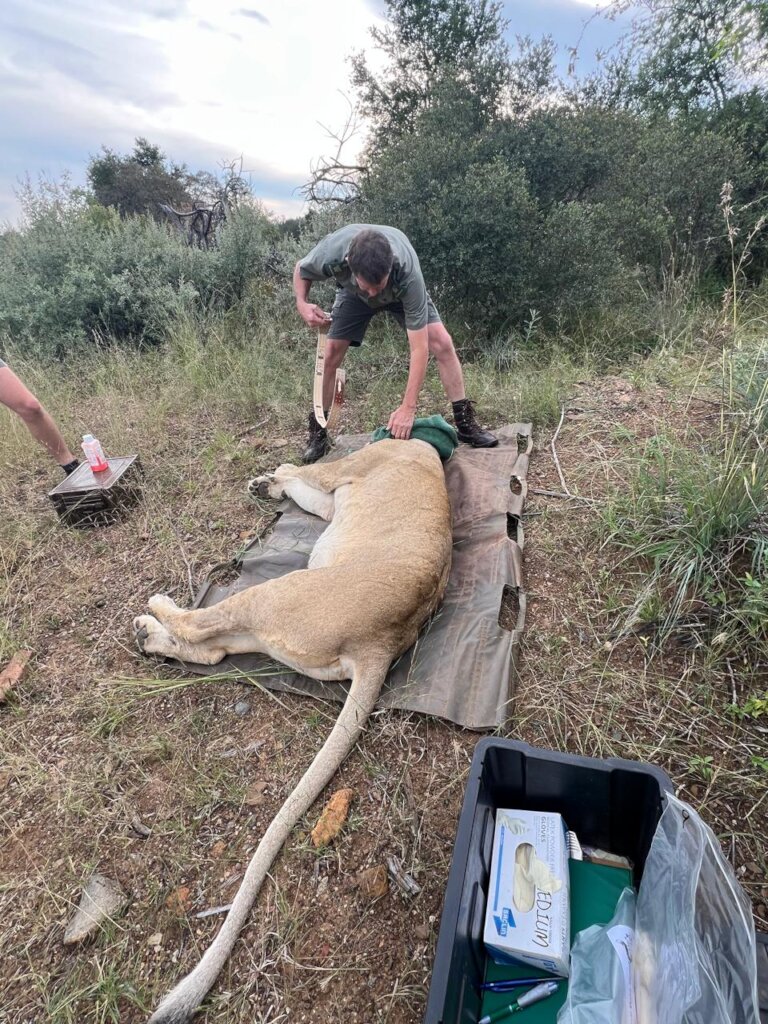
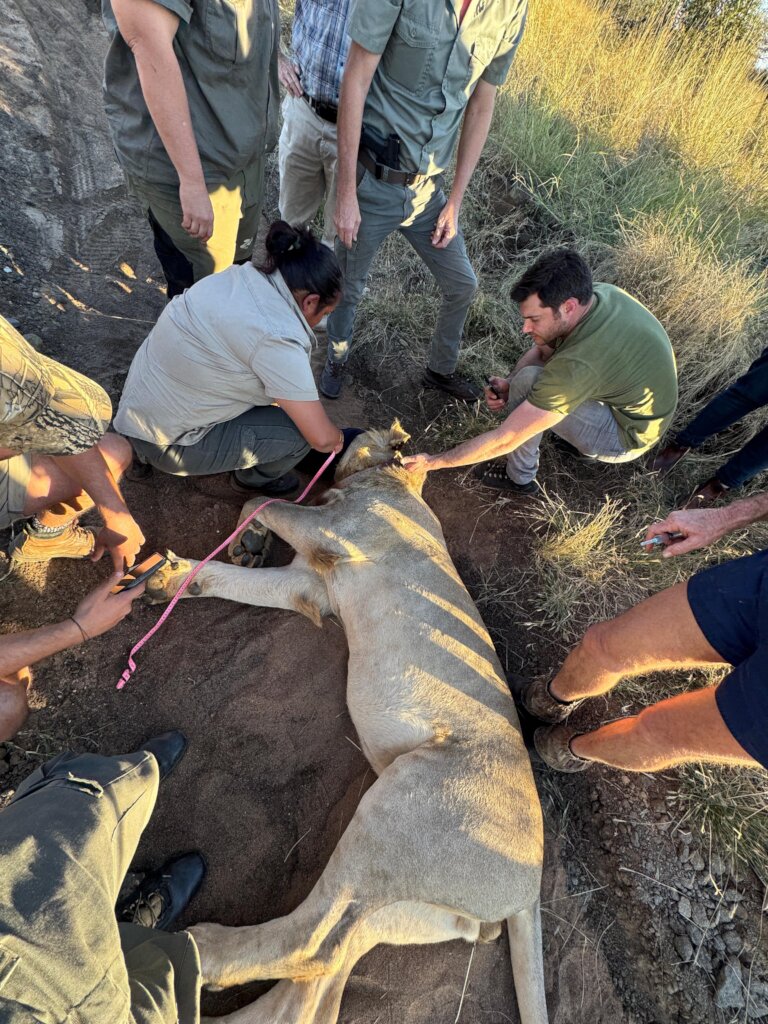
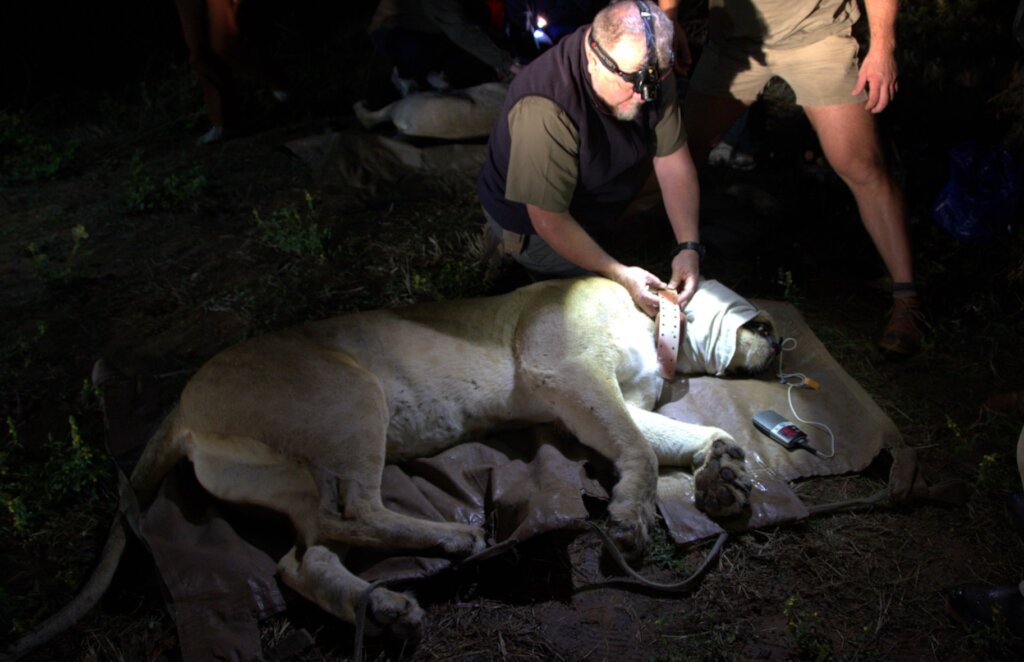
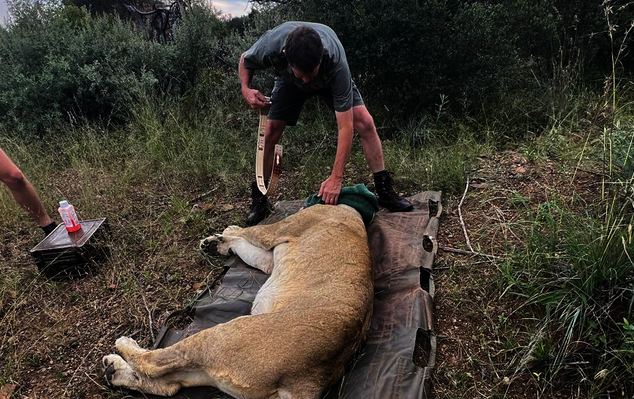
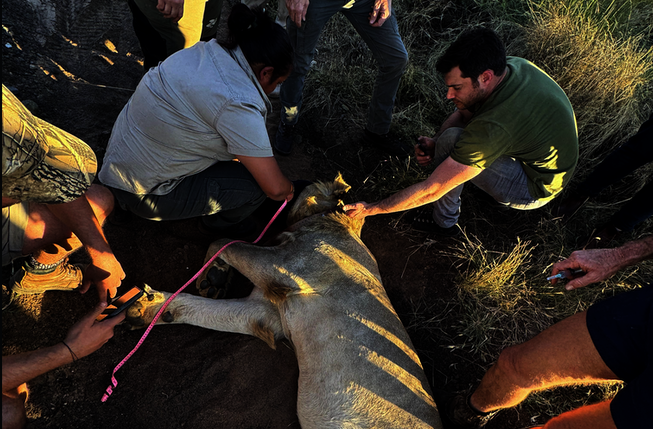
Thank you for standing with Africa's lions. Because of your support, three GPS satellite collars are now tracking lionesses in Marakele National Park as part of 'A Game of Thrones – Rivals, Territories and Resources'. This is a long-term behavioural ecology study run by Nelson Mandela University's Wildlife Ecology Lab in partnership with SANParks and Marataba.
The collars fitted on an adult female from the Kingfisher Pride and on a lactating female from the Eastern Pride's breakaway group have provided a rare opportunity to gather data on how prides split and establish new territories inside a fenced reserve. A third collar (SAT10760), initially queued for a lioness currently ranging in steep, inaccessible terrain, has since been fitted. Every capture was carried out under full veterinary protocol, with no adverse events.
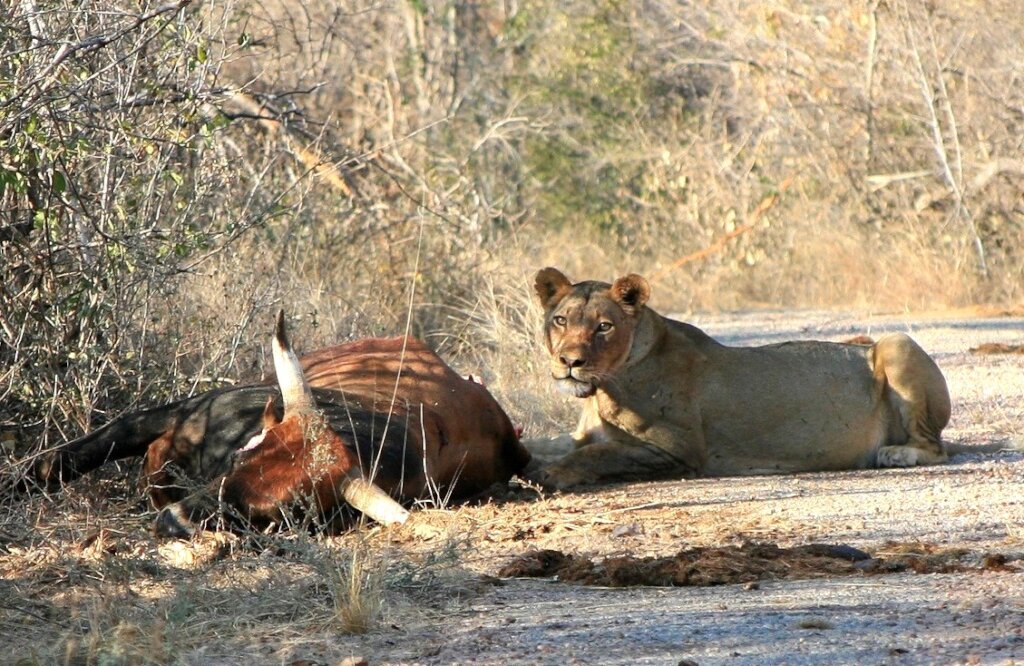
This work builds on the fleet of donor-funded collars already tracking lionesses across Kruger National Park's Tshokwane, Kingfisherspruit, Malelane, Crocodile Bridge, and Manyeleti sections. That roster is also a reminder of how precarious life is for a wild lion: one of our collared females in the Tshokwane section was killed by a large carnivore, believed to be a rival male, earlier this year. Each collar therefore does double duty — generating the GPS, territory, and pride-dynamics data researchers need, while giving rangers an early-warning system to step in before conflict escalates between lions and neighbouring communities.
That data has never mattered more. Independent research published this year confirms that organised poaching for the illegal trade in lion bones, skin, teeth, and claws is now a defining threat to the species, compounding pressure from habitat loss and human-lion conflict. Wild lion numbers have fallen to roughly 25,000 across just 6% of their historic range, and one monitored area of Kruger alone saw a nearly 60% population drop between 2005 and 2023.
Continuous, reliable tracking data — like the readings now coming in from your collars every hour — is exactly the kind of evidence that lets researchers and park managers detect boundary shifts, respond to threats quickly, and make the case for stronger protection where it's needed most.
None of this happens without our Lion Warriors — the individuals, trusts, and companies who have sponsored a collar or contributed to the fund. On behalf of the field team, Prof. Jan Venter of Nelson Mandela University put it simply: "Your investment directly enables cutting-edge behavioural science and practical management action that would otherwise not be possible." The attached 'SACT Report SAT Collars Deployed' PDF shows exactly where these prides are ranging.
Project reports on GlobalGiving are posted directly to globalgiving.org by Project Leaders as they are completed, generally every 3-4 months. To protect the integrity of these documents, GlobalGiving does not alter them; therefore you may find some language or formatting issues.
If you donate to this project or have donated to this project, you can receive an email when this project posts a report. You can also subscribe for reports without donating.



Support this important cause by creating a personalized fundraising page.
Start a Fundraiser