By Nancy Janes | President,Founder and CEO, Romania Animal Rescue
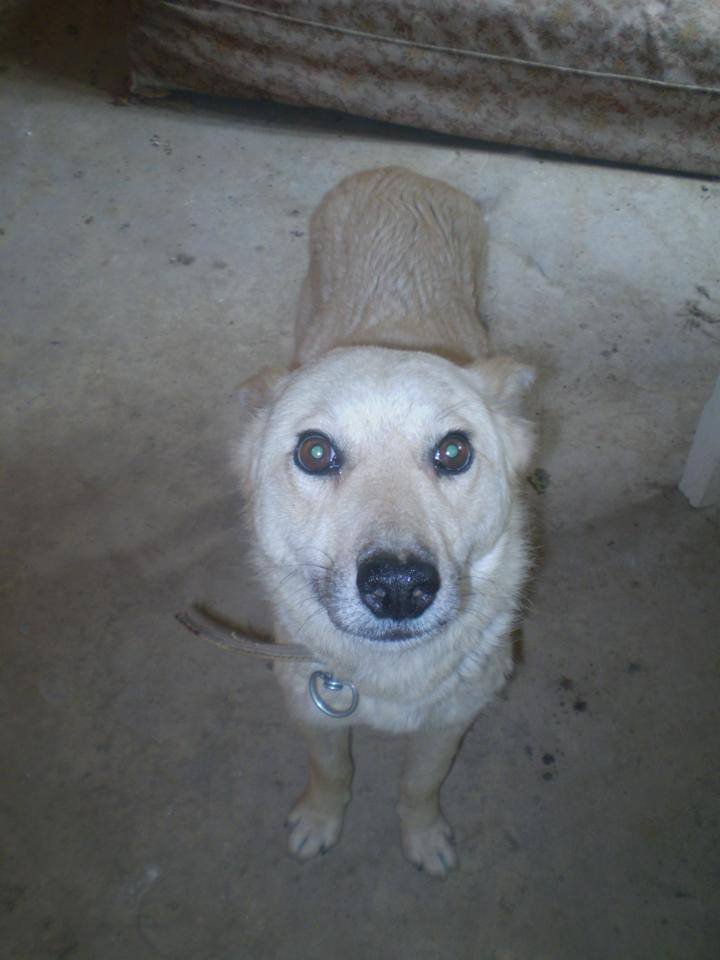
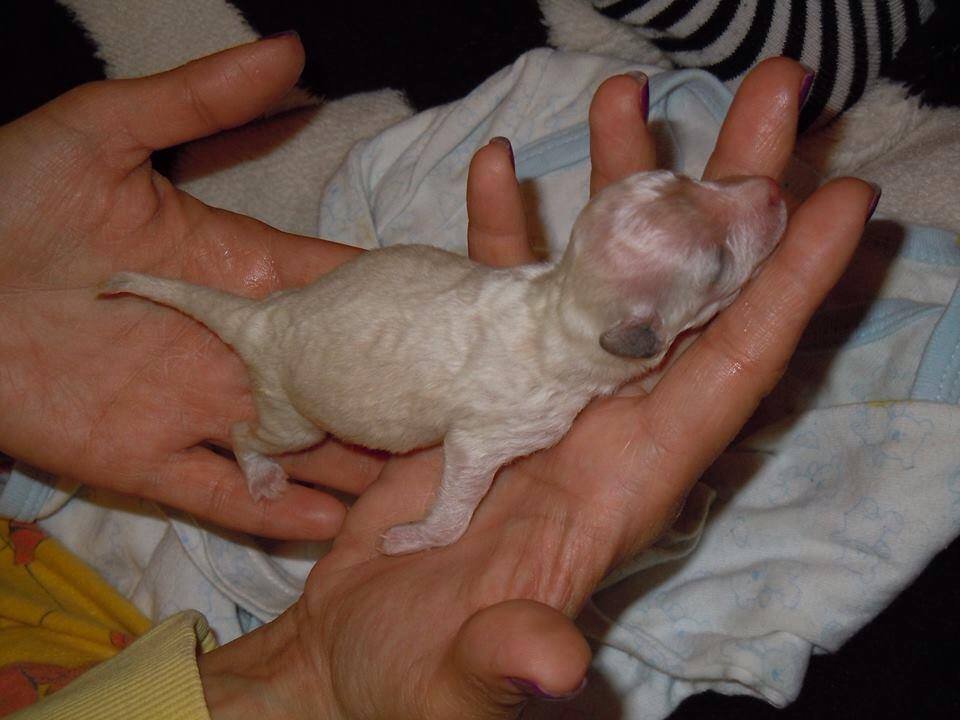
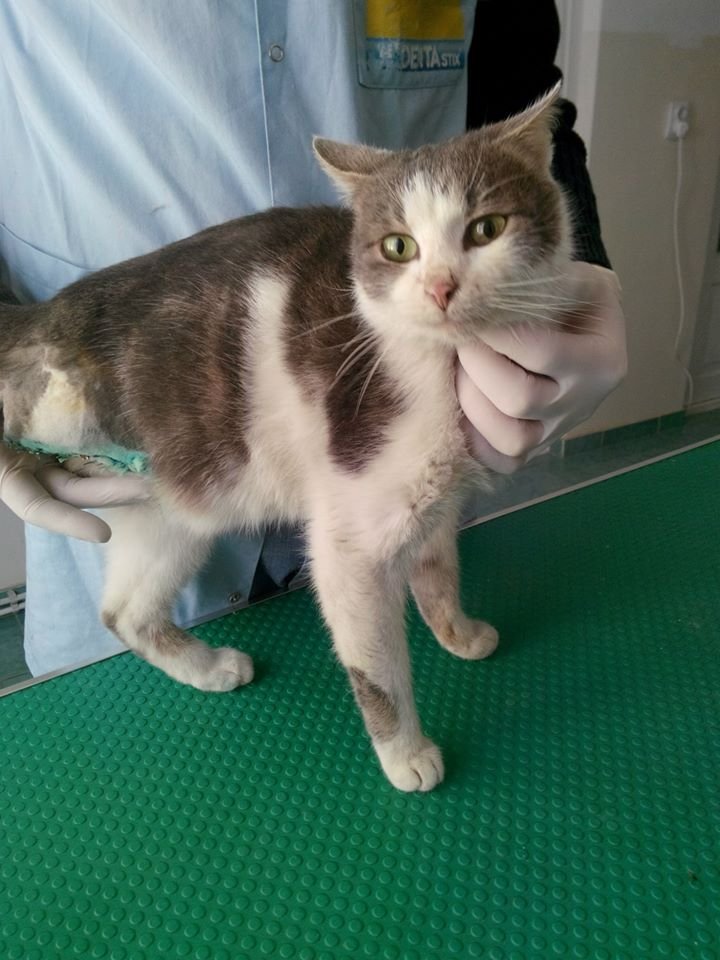
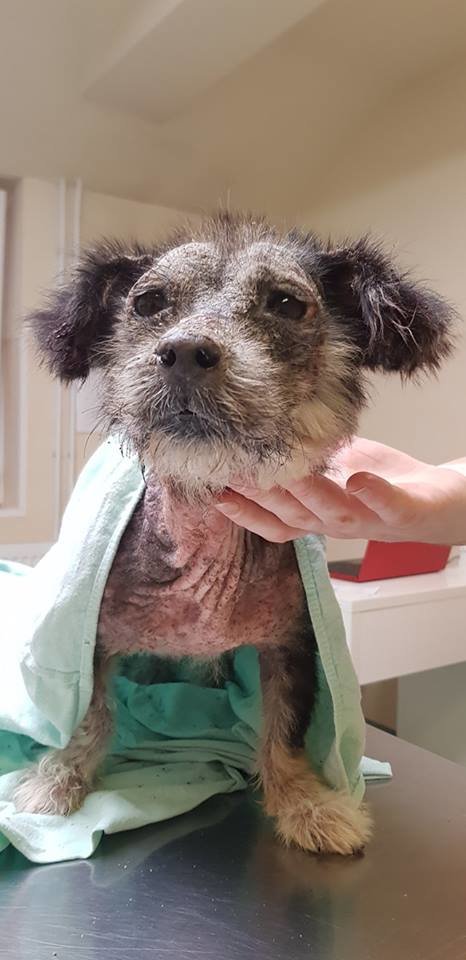
Dogs and cats that we treat at the clinics and during our mobile campaigns are suffering terribly from fleas and ticks. Only 5 euro, or $6, or £4.50 pounds will pay for a dose of treatment for a dog or cat for fleas/ticks or mange. Prevention is much better than having to treat the injured animals....and many of them come to us in terrible health due to lack of prevention.
We are in need of monthly sponsors who can pay for treatment so we can afford to help these poor infested animals.
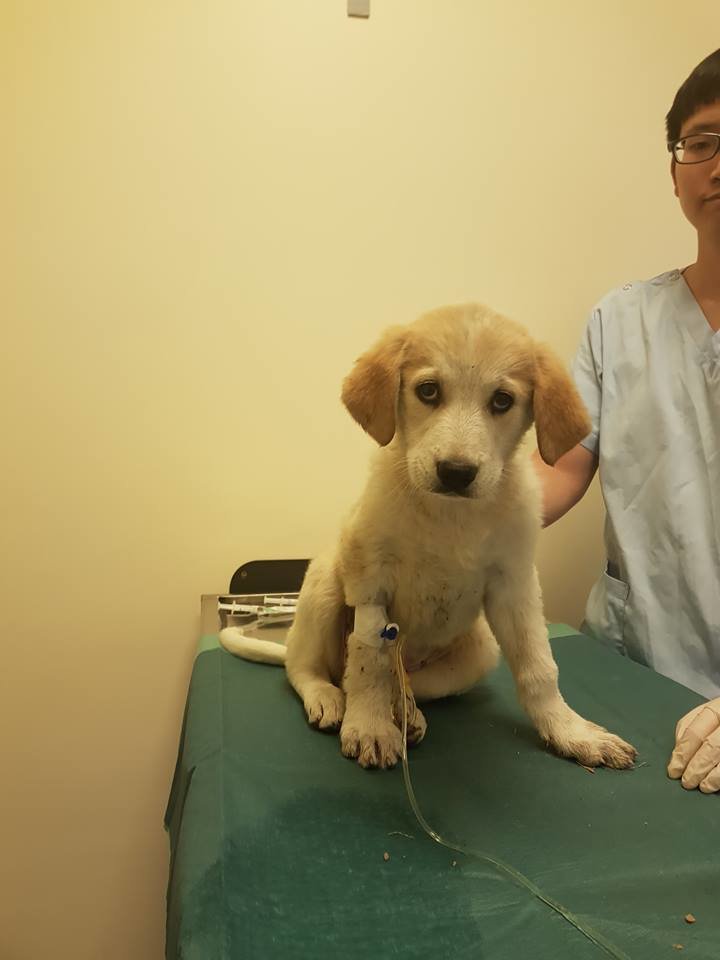
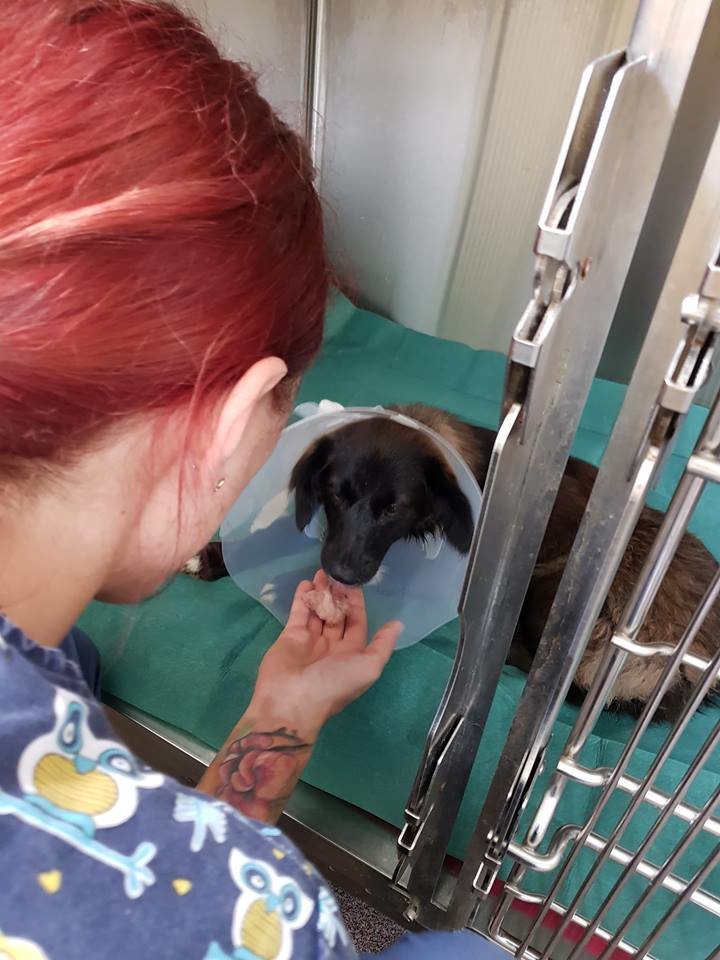
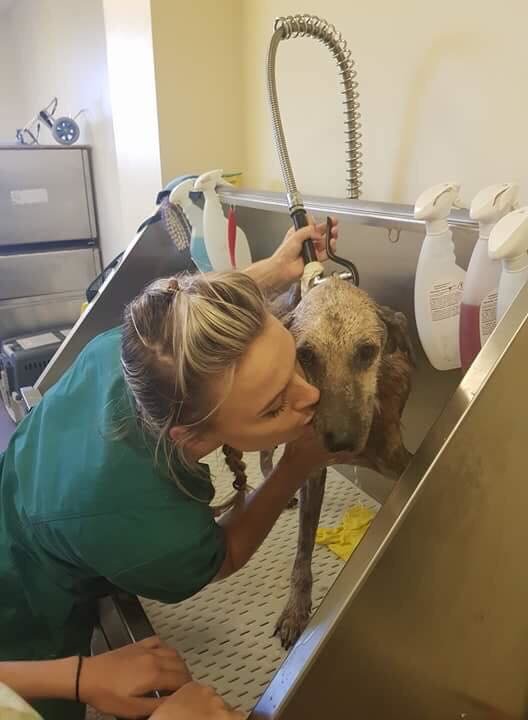
One of our recent patients was Juliano (Julyano). He was found abandoned in a field by vets from the Center of Hope. Juliano was starving and suffering from mange and parasites. He also had a leg that was severly injured and needed amputation. Thanks to supporters, we were able to help Juliano. We hope with your support we can continue to help many others who deserve it so much.
THANK YOU FOR YOUR SUPPORT!
Here is some information about terrible parasite caused diseases:
Babesia: Babesia parasites replicate in red blood cells. As the red blood cells are destroyed, hemoglobin is released into the dog's body, which can lead to jaundice as well as anemia, including immune-mediated hemolytic anemia. In addition to destruction of red blood cells and anemia, the severe inflammation that can occur with babesiosis can be overwhelming and completely separate from the anemia. Blood clotting can be impaired and a variety of neurologic symptoms can also occur when the parasite invades the central nervous system. In severe cases, there can be lung damage and liver disease as well.
Fleas: The adult form of the tapeworm Dipylidium caninum lives in the small intestines of dogs and cats. The worm is made up of multiple segments. One at a time, the segments, full of eggs, are passed in the feces. While warm, the segments are active, but as they dry, they break open and liberate the eggs inside. A flea larva ingests the eggs. The egg develops into an immature form in the flea. When a dog or cat eats the flea (usually while the animal is grooming), the immature form of the tapeworm is released from the flea. This immature tapeworm then develops into an adult in the dog's or cat's intestine and the life cycle is completed. The tapeworm D. caninum can not be passed directly from cat to cat or dog to dog. It must live part of its life in the flea. We need to treat an animal with tapeworms with a medication that will kill the tapeworms. But if we do not also control the flea problem, your animal has a good chance of becoming reinfected with tapeworms.
Mange: https://www.caninejournal.com/dog-cat-mange/
Links:
Project reports on GlobalGiving are posted directly to globalgiving.org by Project Leaders as they are completed, generally every 3-4 months. To protect the integrity of these documents, GlobalGiving does not alter them; therefore you may find some language or formatting issues.
If you donate to this project or have donated to this project, you can receive an email when this project posts a report. You can also subscribe for reports without donating.



Support this important cause by creating a personalized fundraising page.
Start a Fundraiser