By Ali West | AP Development Assistant
We last reported to you in April about our project with refugees at the Collateral Repair Project (CRP) in Amman, which you have generously supported. This report brings the project up to date after a busy three months.
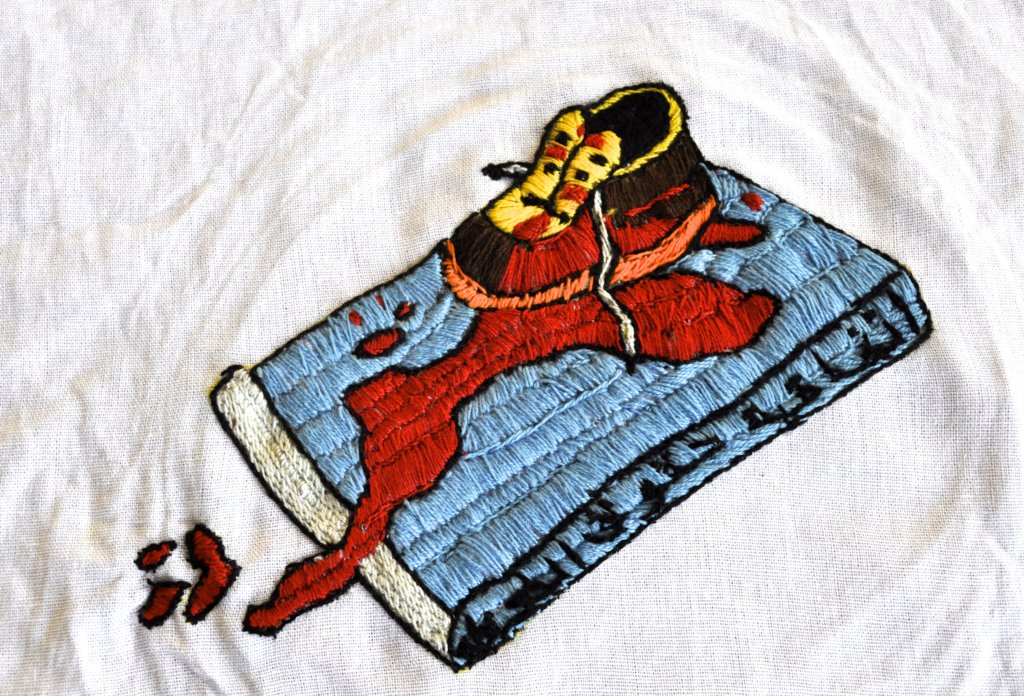
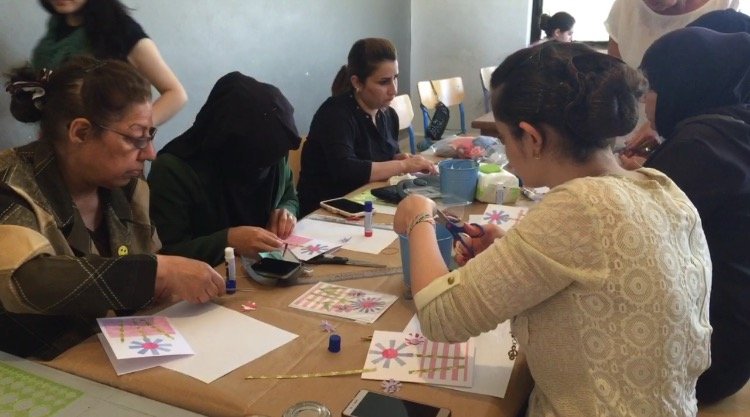
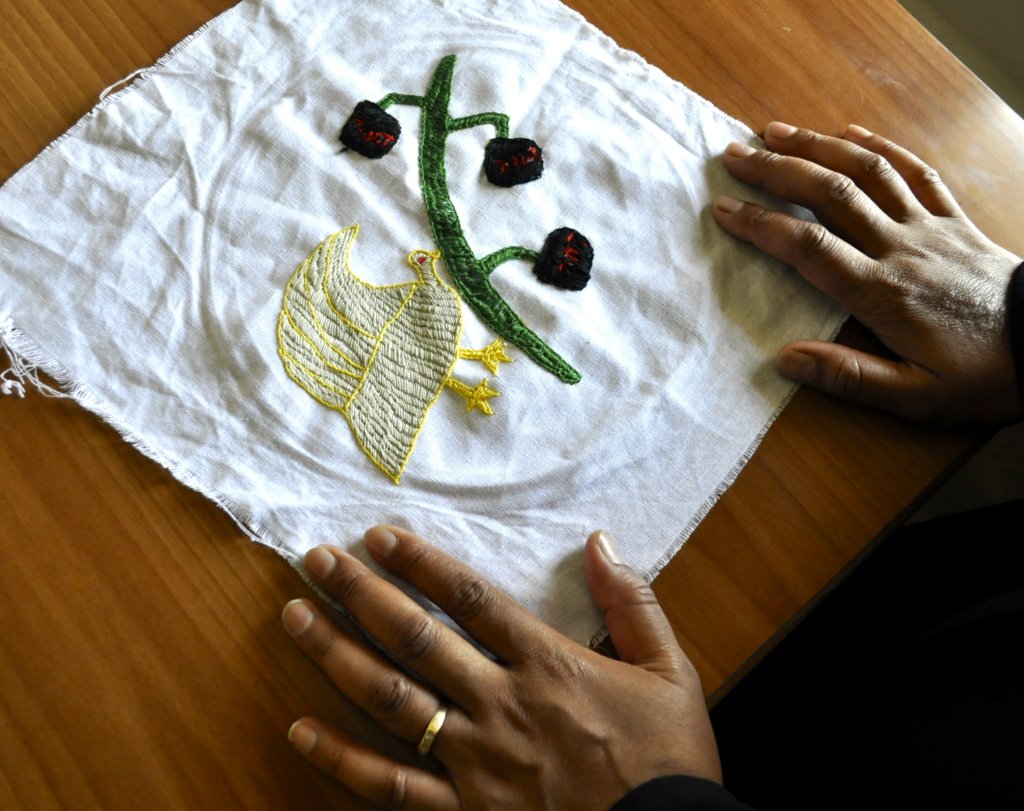
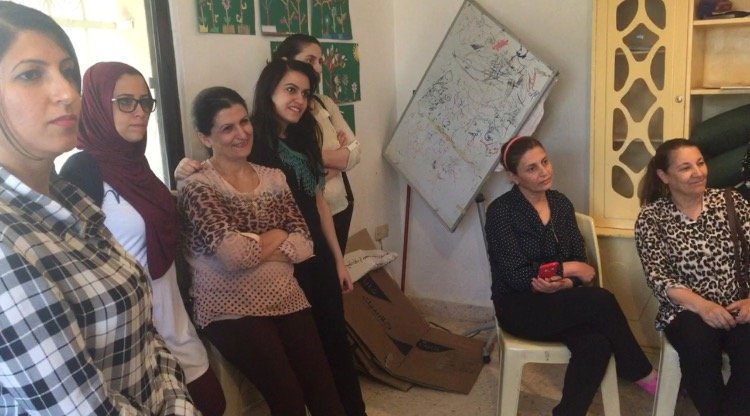
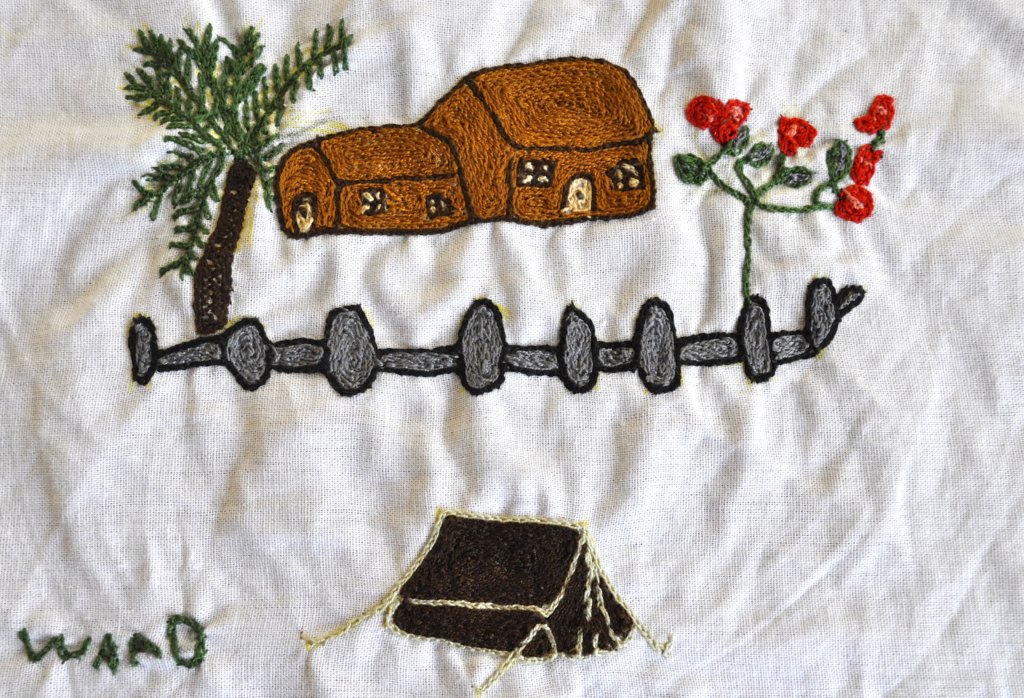
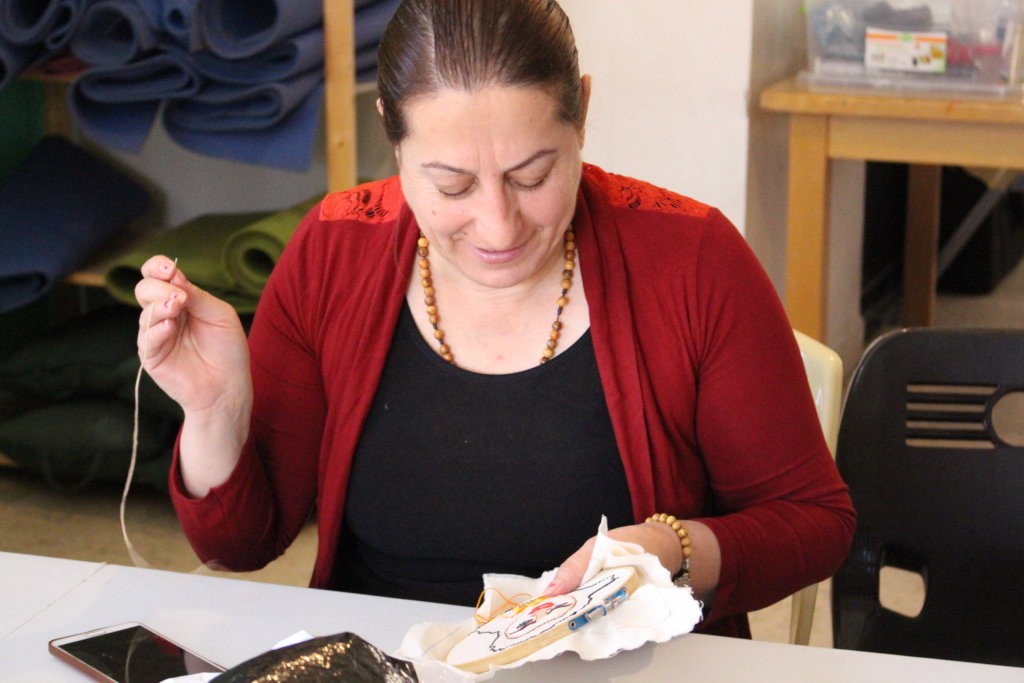
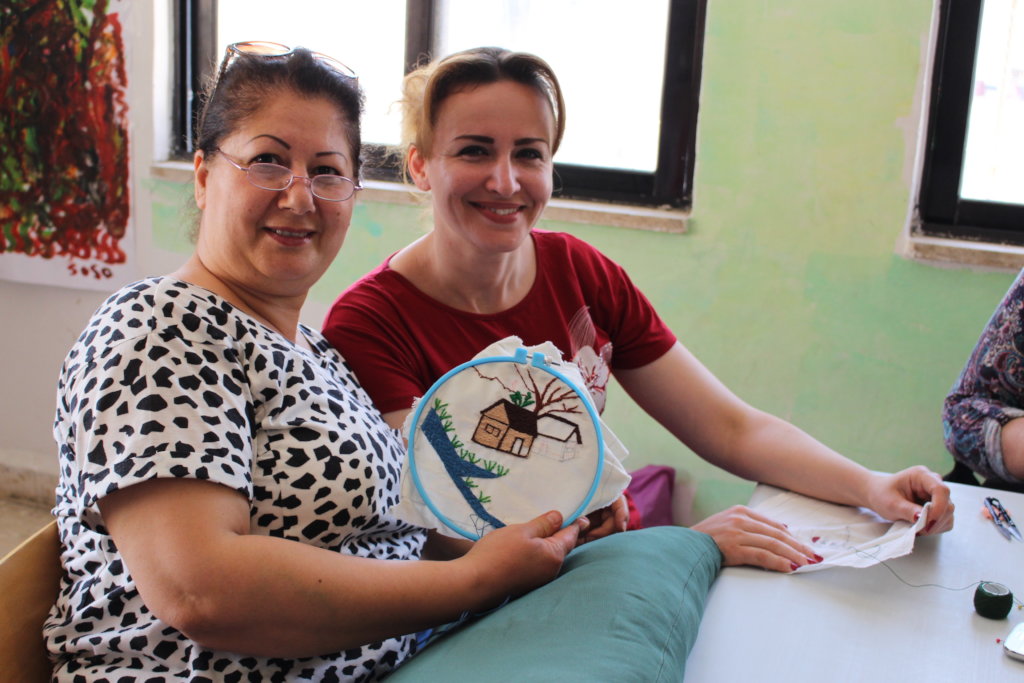
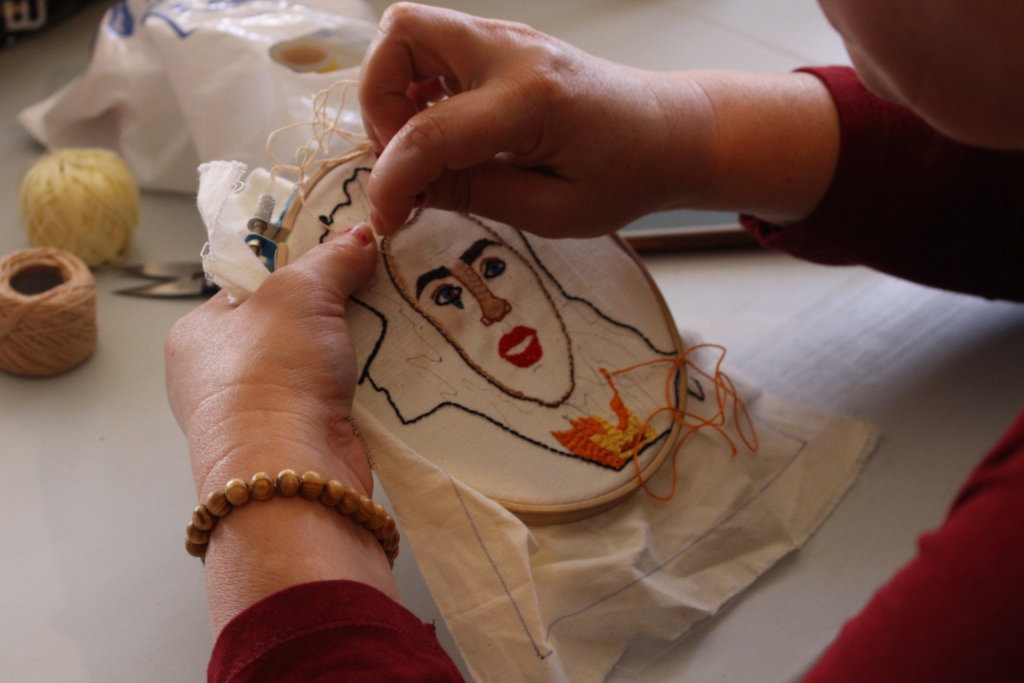
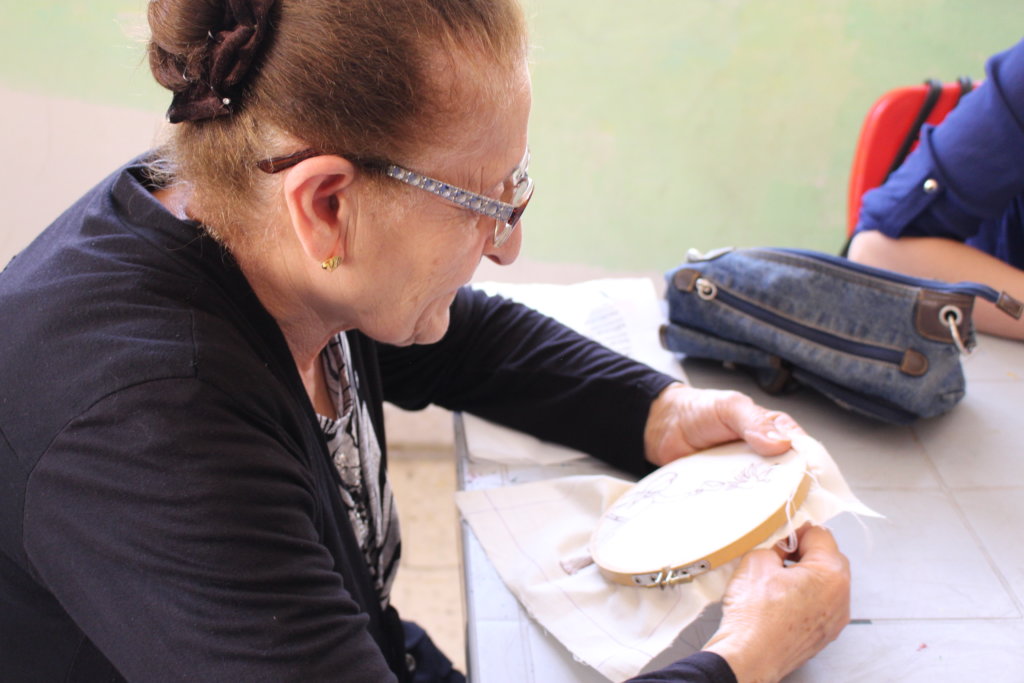
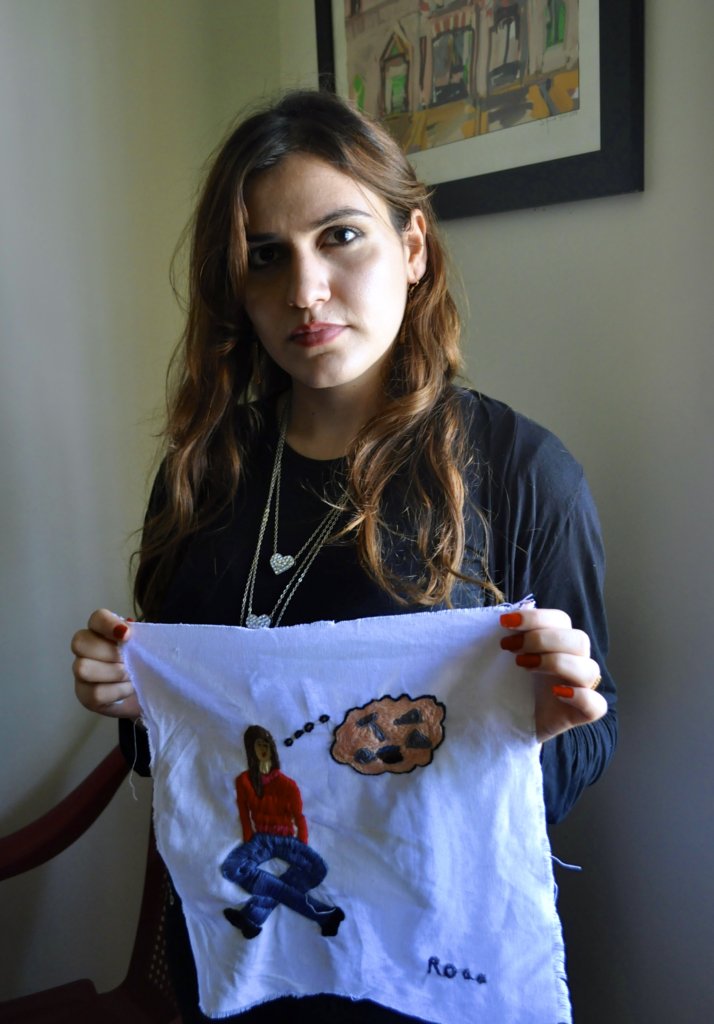
Commemoration through embroidery: Between 2016 and 2017, your donations enabled 27 refugee women to receive embroidery training at the Hope Workshop, which is supported by CRP, and tell their stories through embroidered squares. This has provided them with a therapeutic and social activity and given them a creative outlet for describing their difficult journey. The Hope refugees have made another 24 squares this summer, with help from our Peace Fellow Teresa in Amman.
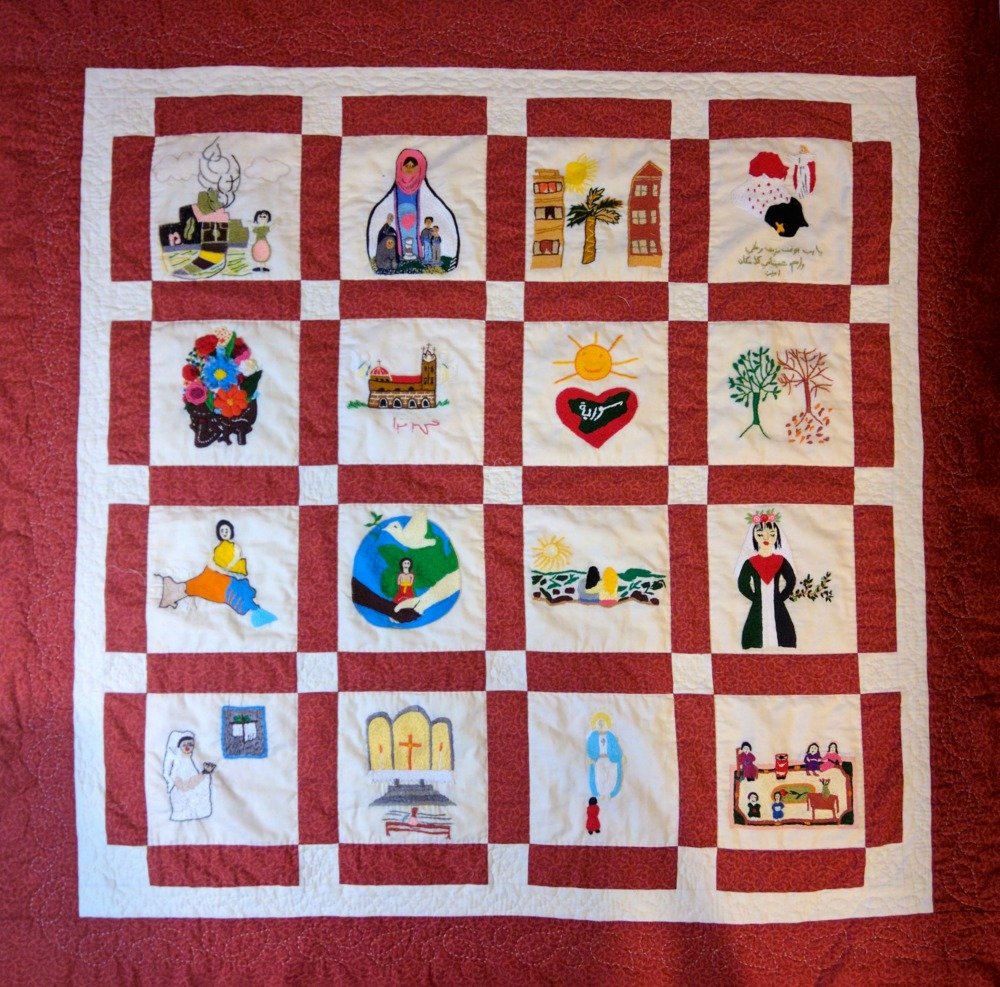
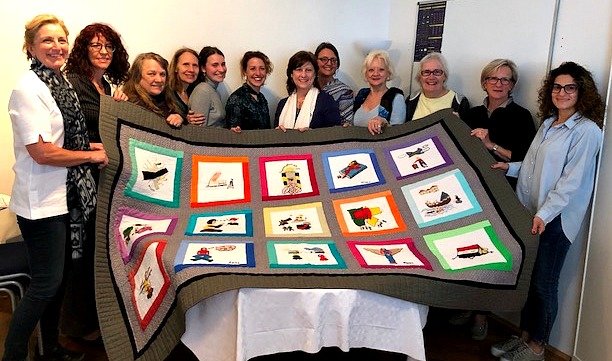
Assembly and Exhibitions: Here in the US, several talented quilters have graciously assembled 46 embroidered squares from the Hope refugees into three advocacy quilts. We then use the quilts at events to explain what it means to be a refugee.
The first two refugee quilts have been widely shown. On June 27, World Refugee Day, the first quilt was exhibited in Houston,Texas, by the Houston Group of the Federation of American Women’s Clubs Overseas (FAUSA) at an event on refugees and trafficking. The quilt was again shown on July 12 by Therese, from FAUSA, at the Christ Church Cathedral in Houston. AP interns have shown the second quilt at several universities.
The third and latest quilt was assembled by Bobbi, from Quilters by the Sea, a large guild in Wilmington, North Carolina and exhibuited for the first time public at the guild on May 28. As Bobbi explained to her colleagues, she learned a lot about the refugees in Jordan from working on their squares.
Finding a market and generating an income: This year, we have been working hard to find a market for the Hope embroidery. And people are buying! On March 24, a wall hanging that was made from Hope Workshop embroidery sold for $1,500 at the annual gala of the Federation of American Women's Clubs Overseas (FAWCO) in The Hague. Carol, who bought the hanging, immediately regifted it to FAWCO, to be auctioned off later this year in Washington. FAWCO and its sister organization FAUSA have also commissioned one of their members to produce a fine quilt (pictured in the top photo) which will also be auctioned at the Washington meeting. Profits will go to CRP.
The story of the four refugee quilts, and profiles of the artists, can be found on these pages.
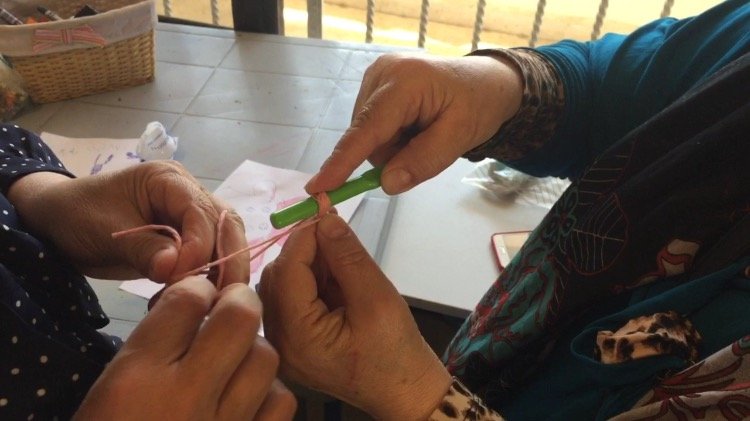
Long-term sustainability: After three years of supporting the embroidery project, we are delighted that CRP is now taking steps to turn the Hope Workshop into a training center that will benefit many more refugee women in Amman. Your donations allowed CRP to start the process last summer, when they expanded training from embroidery to sewing, making handicrafts, and producing calendars. CRP recently hired a full-time manager, and the Workshop will move next month into a new space which will allow them to focus their efforts and expand their training.
CRP's ultimate goal is that the Hope Workshop will become a model training center where women refugees can learn new skills, produce new products and open up new markets for their handicrafts - all without threatening the livelihood of local Jordanians. This is the sort of challenge that faces all countries that give asylum to refugees. If Jordan can show the way in coming up with a new approach, your donations will indeed have made a huge difference.
In gratitude
The AP Team
Links:
Project reports on GlobalGiving are posted directly to globalgiving.org by Project Leaders as they are completed, generally every 3-4 months. To protect the integrity of these documents, GlobalGiving does not alter them; therefore you may find some language or formatting issues.
If you donate to this project or have donated to this project, you can receive an email when this project posts a report. You can also subscribe for reports without donating.