Humane Treatment of Farmed Animals

by Humane Canada
Humane Treatment of Farmed Animals

Project Report | Dec 23, 2025
Building Better Standards: Humane Canada's Role at NFACC

By Toolika Rastogi | Senior Manager, Policy and Research

Hello,

As we wind down 2025, we thank you for all your support in 2025. We are pleased to share with you the final update of the year.

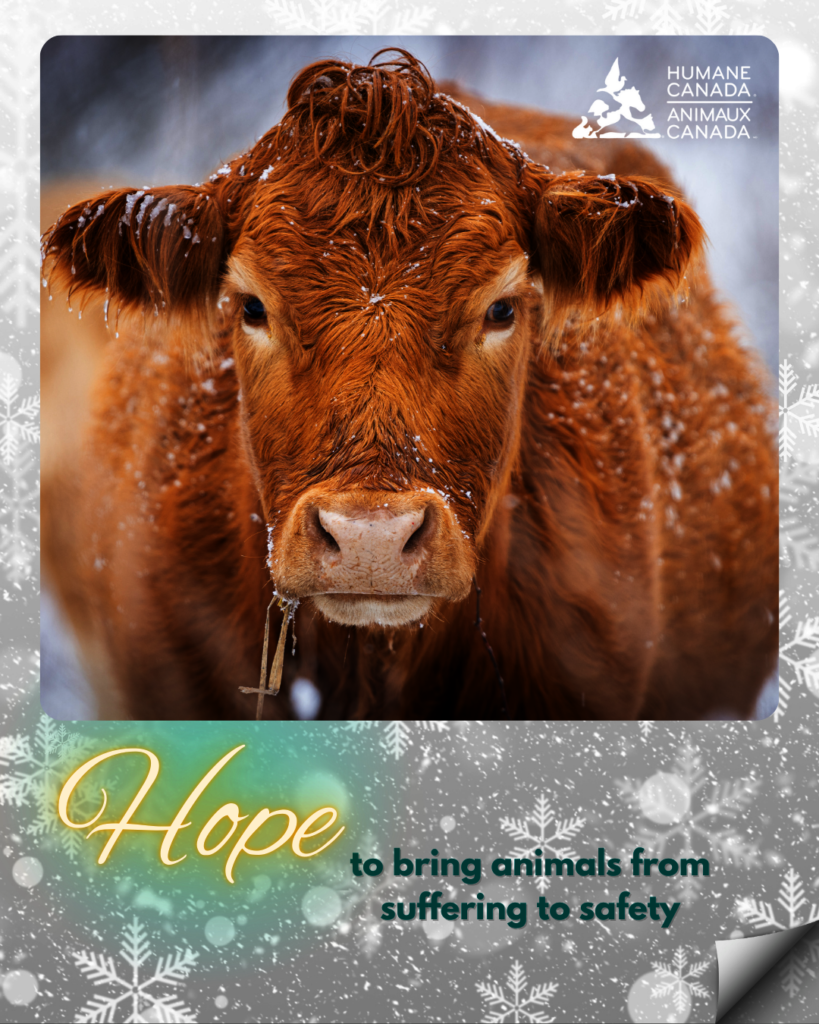
At Humane Canada, our work with the National Farm Animal Care Council (NFACC) places the welfare of Canada’s farmed animals at the center of food system discussions. More than 800 million animals are raised for food on Canadian farms every year, and the Codes of Practice developed through NFACC set the baseline standards for how these animals should be cared for. We are striving to ensure these Codes are informed by the latest science and reflect the values of Canadians who care deeply about the welfare of animals. 

Our work in recent months has focused on several key areas: 

  • Informing the Codes with Science: We diligently review key research and engage with national and international experts. This work forms the backbone of our efforts at the Code Committees, ensuring that the latest knowledge in animal behaviour, health, and welfare informs every proposal and contribution we make. 
  • Building Consensus through Collaboration: We continuously work to bridge perspectives by collaborating with diverse stakeholders through individual meetings and at conferences.  
  • Empowering Our Team: We provide ongoing support and training on negotiation tactics to foster collaboration and openness among our code experts. NFACC's process is built on consensus, and we want our team to have the skills to make a meaningful impact. 
  • Preparing for Public EngagementWith both the Equine and Beef Cattle Codes approaching their public comment period, we are developing strategies and materials to ensure our supporters can learn about the key welfare issues and be ready to share their views. Public input is vital to shaping strong, progressive Codes that truly reflect the values of Canadians. 
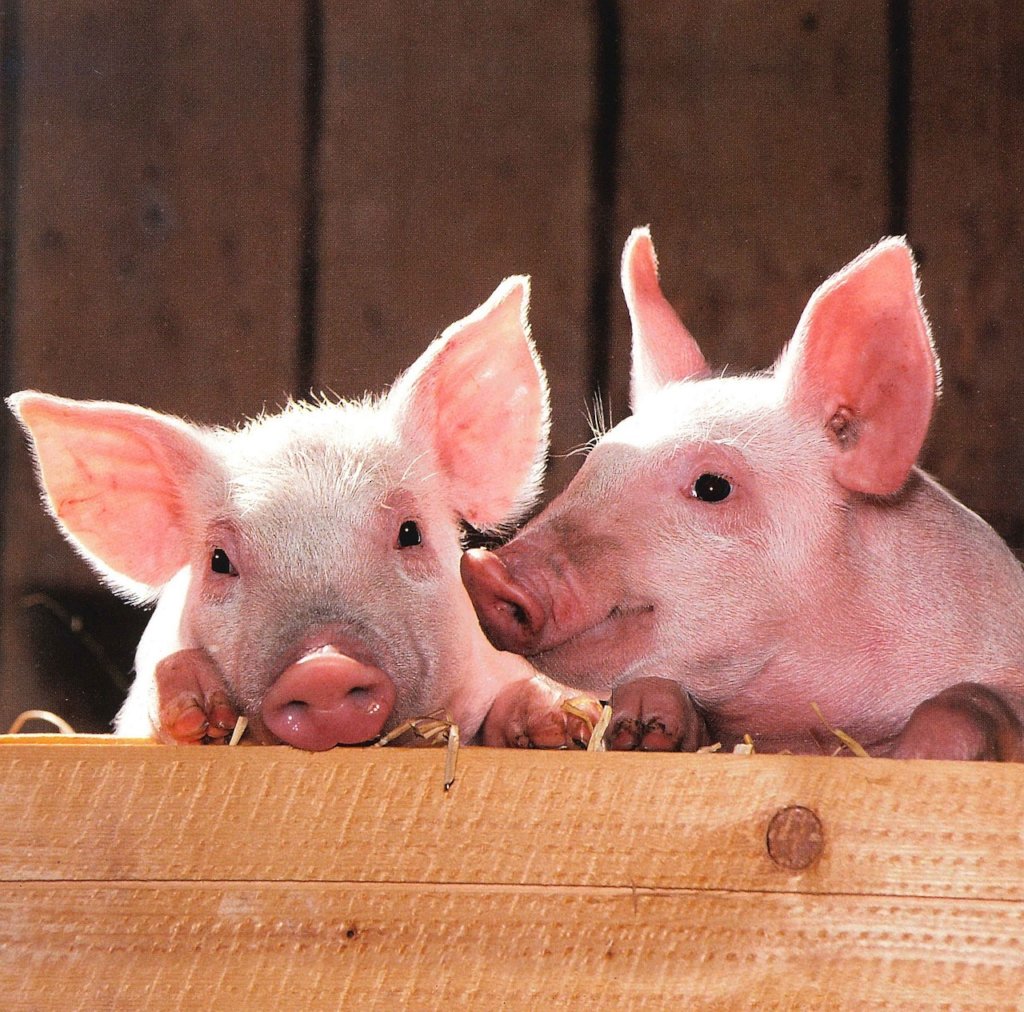
  • Focusing on the Future: We're continuing our work on the Poultry and Pig Codes . Each Code review is a critical opportunity to embed higher welfare expectations into Canadian farming practices, as the Codes will typically be in place for the next 10 to 12 years. We are dedicated to seizing every chance to advocate for meaningful improvements. 

With your support, Humane Canada will continue to bring animal welfare science, ethics, compassion, transparency and accountability to the table, where decisions about Canada’s food system are made, helping to shape standards that improve the daily lives of millions of farmed animals. 

We look forward to more progress for farmed animals in 2026 and we cannot do it without your support. We are immensely thankful to you for your kindness and wish you and yours a very happy holiday season.

Links:

Share on Twitter Share on Facebook

About Project Reports

Project reports on GlobalGiving are posted directly to globalgiving.org by Project Leaders as they are completed, generally every 3-4 months. To protect the integrity of these documents, GlobalGiving does not alter them; therefore you may find some language or formatting issues.

If you donate to this project or have donated to this project, you can receive an email when this project posts a report. You can also subscribe for reports without donating.


Sign up for updates

Organization Information

Humane Canada

Location: Ottawa, ON - Canada
Website:
Facebook: Facebook Page
X / Twitter: Profile
Project Leader:
Melissa Devlin
Ottawa , ON Canada

Learn more about GlobalGiving

Teenage Science Students
Vetting +
Due Diligence

Snorkeler
Our
Impact

Woman Holding a Gift Card
Give
Gift Cards

Young Girl with a Bicycle
GlobalGiving
Guarantee

Get incredible stories, promotions, and matching offers in your inbox

WARNING: Javascript is currently disabled or is not available in your browser. GlobalGiving makes extensive use of Javascript and will not function properly with Javascript disabled. Please enable Javascript and refresh this page.