By DORIANE | PROJECT LEADER
Cuna
comminutyof national
sub ; REPORT
Port Sudan, May 28, 2025 – More than 7,700 cases of cholera – including more than 1,000 in children under five – and 185 related deaths have been reported in Khartoum State since January 2025, according to health officials. UNICEF and partners are working with the Federal Ministry of Health to stem the spread of this deadly disease and save lives.
Essential services virtually nonexistent
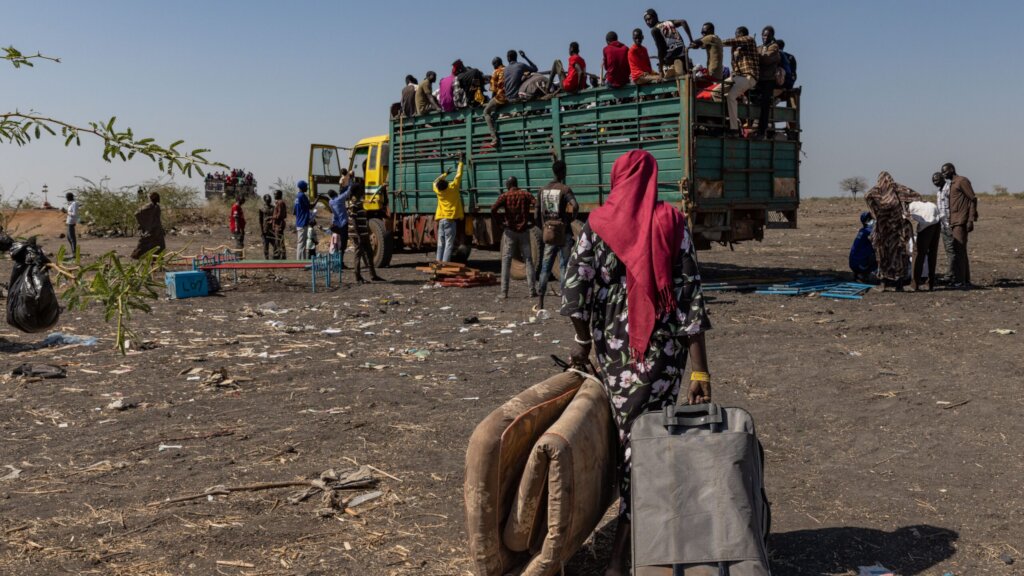
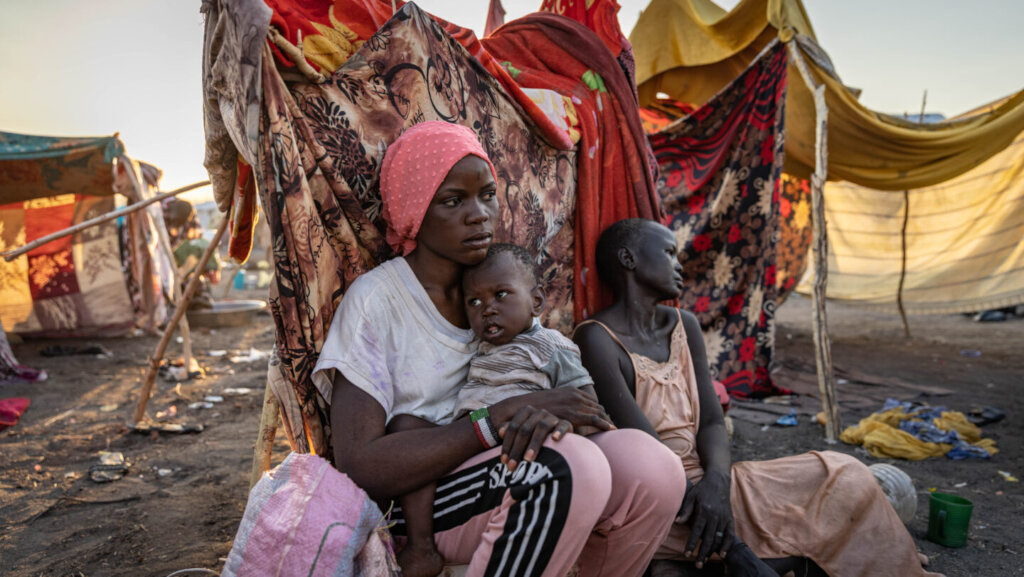
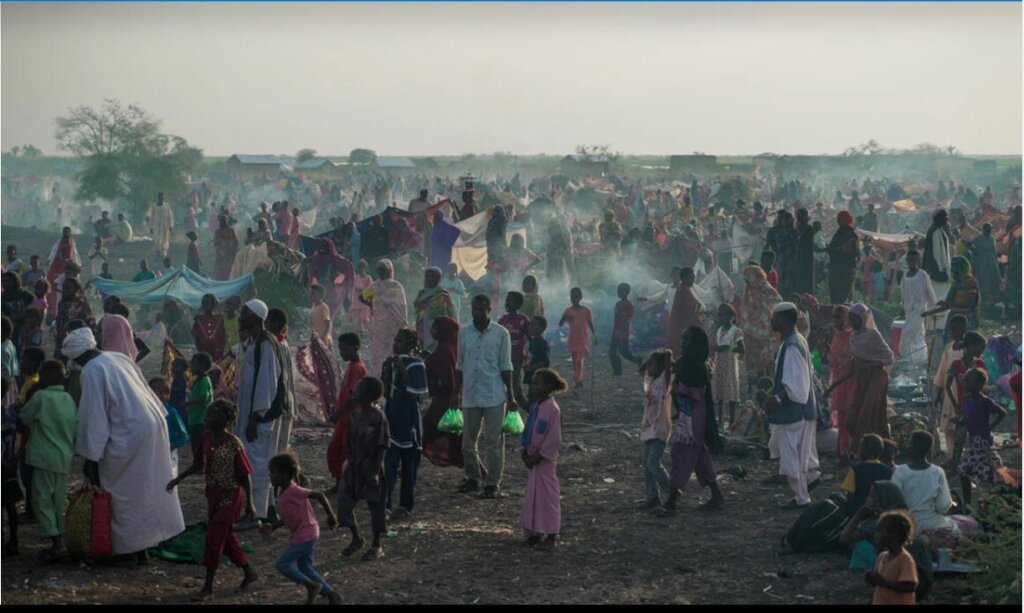
Since the start of this brutal conflict, more than 3 million people have been forced to flee their homes in Khartoum State, and the violence has disrupted the lives of millions more. As some areas become accessible again, more than 34,000 people have returned to Khartoum State since the beginning of 2025. Most of them are returning to damaged homes in areas where essential services—including access to water and sanitation—are largely unavailable. It is estimated that more than one million children live in affected areas of Khartoum State.
Repeated attacks on power plants in Khartoum State over the past month have caused severe power outages and exacerbated water shortages, severely compromising access to safe, clean water. Many families are now forced to draw water from contaminated sources, increasing the risk of cholera and other deadly waterborne diseases, particularly in crowded neighborhoods and displacement sites. The number of cholera cases exploded, rising from 90 to 815 cases per day between May 15 and 25 – a ninefold increase in just ten days.
The Vicious Cycle of Cholera and Malnutrition
Furthermore, two of the state's seven localities – Jebel Aulia and Khartoum – are at risk of famine, accounting for 33% of the 307,000 children suffering from acute malnutrition in the state. An estimated 26,500 children are affected by severe acute malnutrition (SAM) – the most deadly form of malnutrition. For children already weakened by a lack of nutritious food, cholera or any other cause of severe diarrhea can be fatal if not treated promptly.
“We are racing against time with our partners to provide basic healthcare, clean water, and adequate nutrition – among other vital services – to children who are particularly vulnerable to deadly diseases and severe acute malnutrition,” said Sheldon Yett, UNICEF Representative in Sudan. “Every day, more and more children are exposed to the dual threat of cholera and malnutrition, but both are preventable and treatable if we can reach children in time.” »
UNICEF's Response
UNICEF is deploying a multisectoral response to cholera in Khartoum, targeting the most at-risk communities and supporting critical water infrastructure, including the provision of water treatment products (polymer and chlorine) and a 1,000 kilovolt-ampere generator to ensure continued operation of the Al Manara water treatment plant, which serves more than one million people in Karrari and Old Omdurman.
UNICEF and its partners are distributing water treatment products to households to curb community transmission, deploying water chlorination devices at several distribution points, and mobilizing rapid response teams to support water chlorination and conduct disinfection activities. UNICEF is also raising awareness among communities through community dialogues and social media to disseminate key messages on the causes, symptoms, and prevention of cholera.
Since the beginning of the year, UNICEF has delivered more than 1.6 million oral cholera vaccines to Sudan and is supporting vaccination campaigns in affected areas. UNICEF has provided cholera treatment kits and is supporting the deployment of frontline workers to cholera treatment centers. The organization is also supporting the training of public health workers in infection prevention and control, as well as training local community members to monitor the situation on the ground.
UNICEF continues to support the delivery of lifesaving nutrition services through 105 outpatient programs in health facilities and four stabilization centers in Khartoum State.
CUNA
REPORT
30/05/25
Project reports on GlobalGiving are posted directly to globalgiving.org by Project Leaders as they are completed, generally every 3-4 months. To protect the integrity of these documents, GlobalGiving does not alter them; therefore you may find some language or formatting issues.
If you donate to this project or have donated to this project, you can receive an email when this project posts a report. You can also subscribe for reports without donating.



Support this important cause by creating a personalized fundraising page.
Start a Fundraiser