By Olivier | Project Leader
Community of national artistic unity
Bujumbura burundi
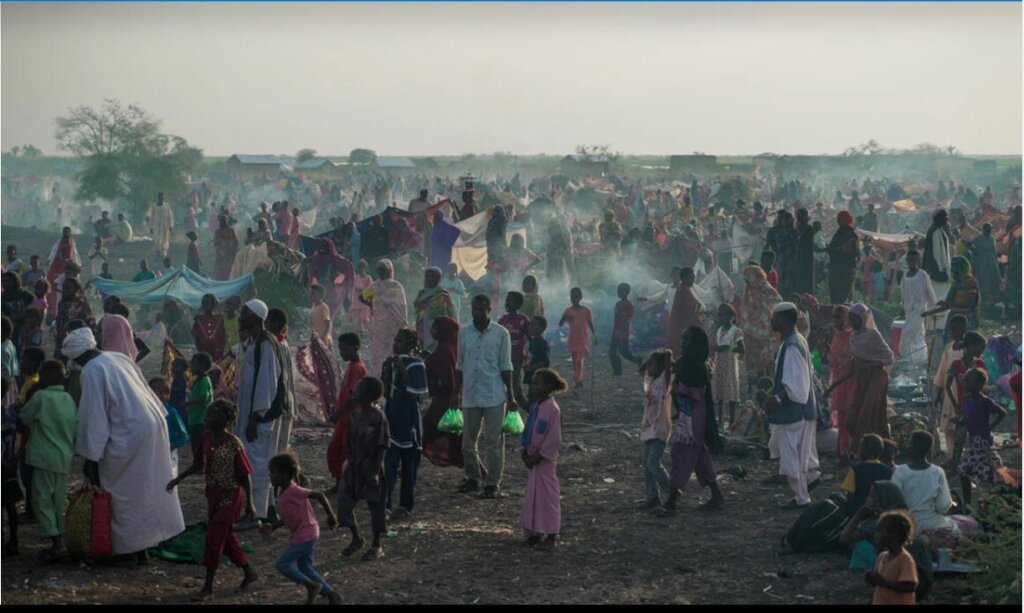
The project's focus is on alleviating the humanitarian crisis in Sudan by providing critical aid like food, healthcare, and shelter, while also addressing the root causes through advocacy for humanitarian access and protection of civilians. This work is vital because the conflict has caused famine, widespread displacement, and a collapse of essential services, affecting millions of people.
Project focus
Providing essential aid:
Food: Distributing emergency food assistance to combat famine and severe hunger, and screening children for malnutrition.
Water and sanitation: Providing safe drinking water and improving sanitation to prevent waterborne diseases.
Healthcare: Delivering medical care5 including support for injured civilians and those with hronic diseases, and assisting with childbirth and post-natal care.
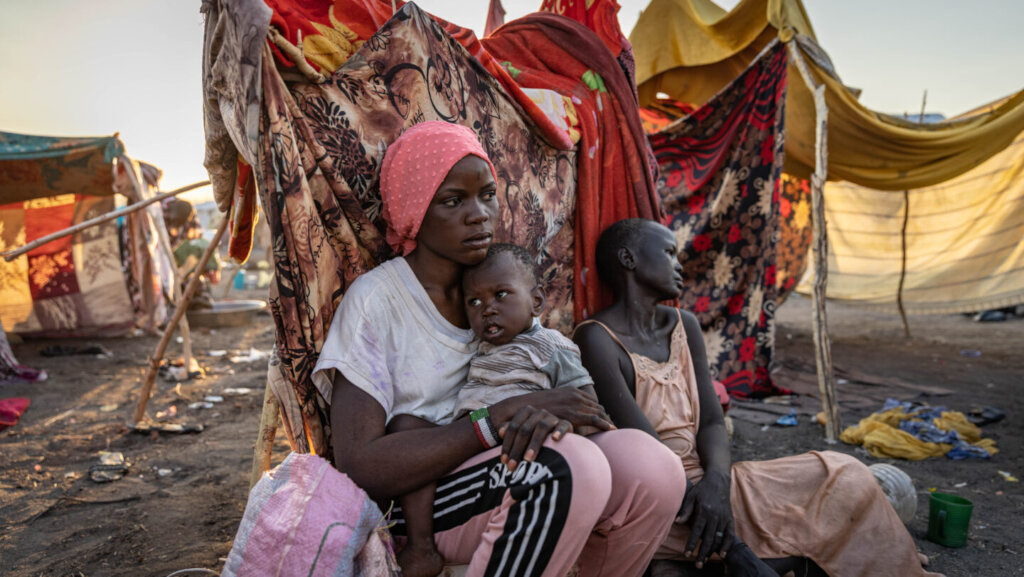
Shelter: Providing shelter for displaced people who have fled their homes due to conflict.
Protecting civilians:
Advocacy: Advocating for safe and unimpeded humanitarian access, as parties to the conflict have deliberately obstructed aid delivery.
Human rights: Condemning grave violations of human rights against children, including killing, injury, and sexual violence, and calling for accountability.
Addressing the root causes:
Education: Providing educational support in refugee camps.
Documentation: Assisting refugees in obtaining essential identity documents to help them access services and rebuild their lives.
The humanitarian crisis in Sudan
Scale: The crisis is considered the world's largest and fastest-growing humanitarian crisis, with nearly half the population in need of aid and millions facing famine.
Causes: The conflict between the Sudanese Armed Forces and the Rapid Support Forces, which began in April 2023, is the primary driver of the crisis, leading to immense displacement and destruction.
Consequences:
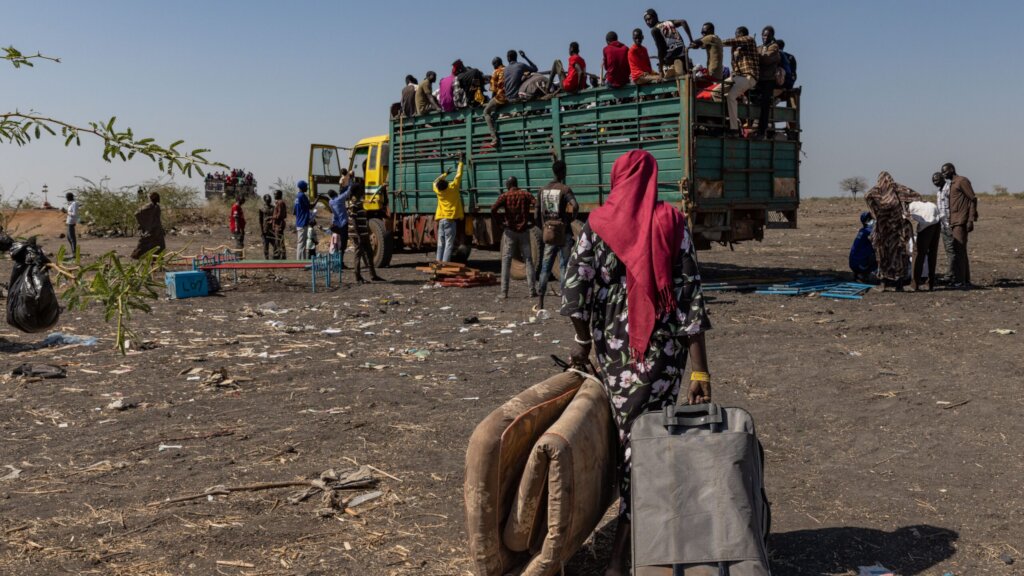
Displacement: Millions have been forced to flee their homes, creating one of the largest displacement crises in the world.
Hunger: Famine conditions are present in some areas, with millions more facing acute food insecurity.
Health: Access to healthcare has been severely limited due to the destruction of civilian infrastructure, including hospitals, and shortages of medicine and staff.
Protection: Civilians, especially women and children, face grave risks, including gender-based violence and attacks on schools and hospitals.
On 15 April, Sudan marks two years of devastating civil war. The conflict has triggered the world’s largest displacement crisis and a deepening humanitarian catastrophe that remains grossly underfunded and underreported.
It is estimated that more than 150,000 people have lost their lives. Over 14 million people have been forced from their homes – 11.3 million within Sudan and at least 3.5 million across borders, mainly into Chad, South Sudan, Egypt and beyond. And while the bombs still fall, hunger is tightening its grip. Famine is already gnawing at children in displacement camps, and almost half of the population – 24.6 million - are going hungry.
This is the bleakest, most devastating year yet for Sudan and its surrounding countries. Fighting and brutal attacks on civilians continue unchecked. From the Sahel to the Red Sea, the humanitarian emergency grows more dire by the day. Yet the international response remains dangerously inadequate.
Community of national artistic unity
BUJUMBURA 26/10/2026
Project reports on GlobalGiving are posted directly to globalgiving.org by Project Leaders as they are completed, generally every 3-4 months. To protect the integrity of these documents, GlobalGiving does not alter them; therefore you may find some language or formatting issues.
If you donate to this project or have donated to this project, you can receive an email when this project posts a report. You can also subscribe for reports without donating.



Support this important cause by creating a personalized fundraising page.
Start a Fundraiser