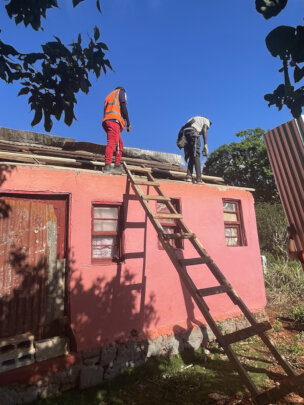
Blue Atlas Project: Hurricane Beryl Relief Efforts and Climate-Smart Rebuilding in Jamaica
Overview of Hurricane Beryl’s Impact
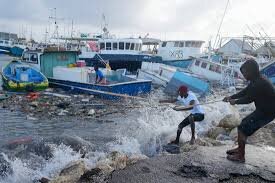
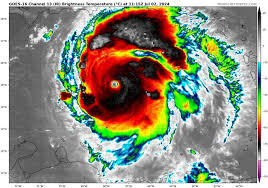
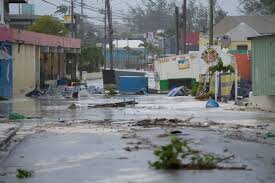
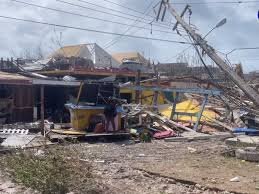
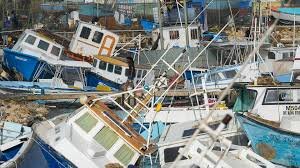
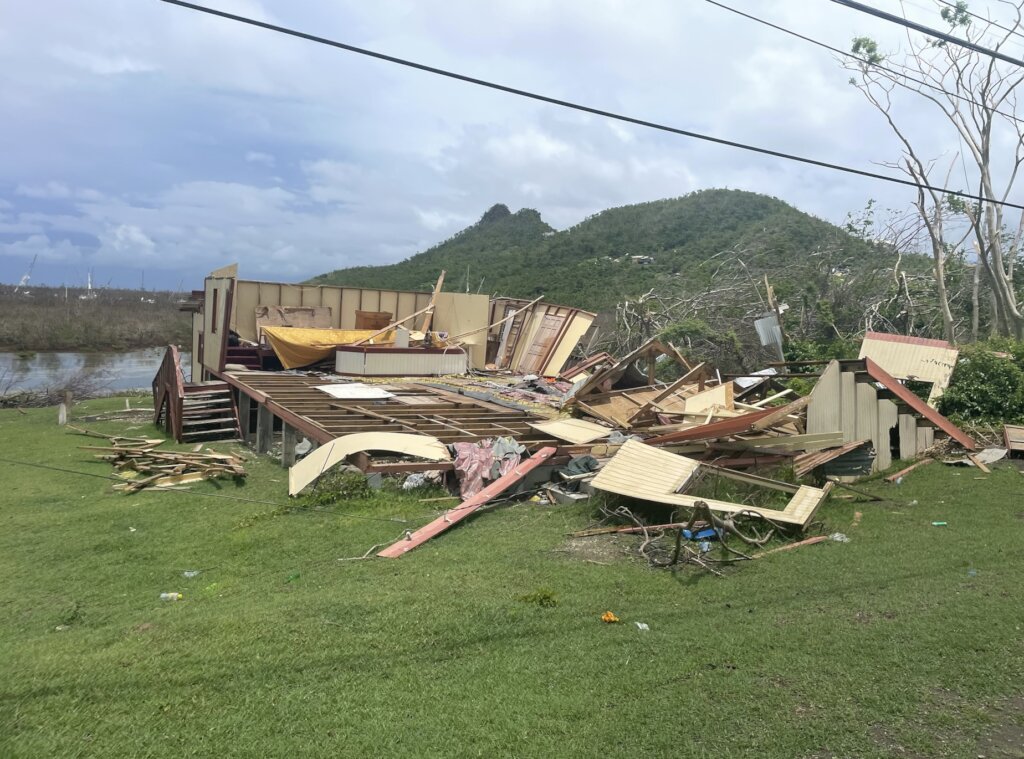
Hurricane Beryl caused widespread destruction in Grenada, SVG and Jamaica, particularly affecting rural communities already vulnerable to climate shocks. In response, the Blue Atlas Project has been actively engaged in both immediate relief and assessing long-term rebuilding strategies aimed at fostering resilience in the face of future climate events.
Water Security for Households
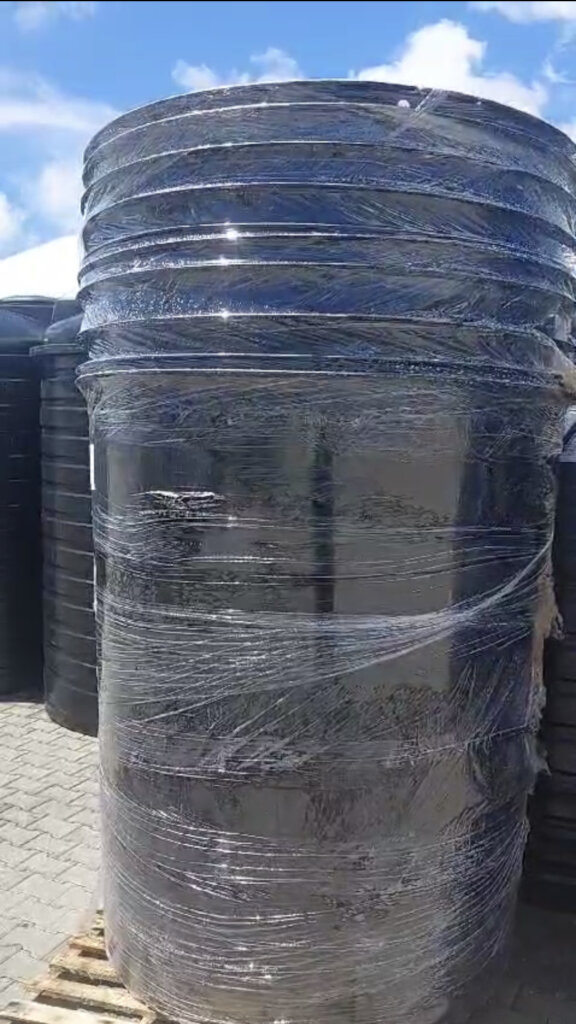
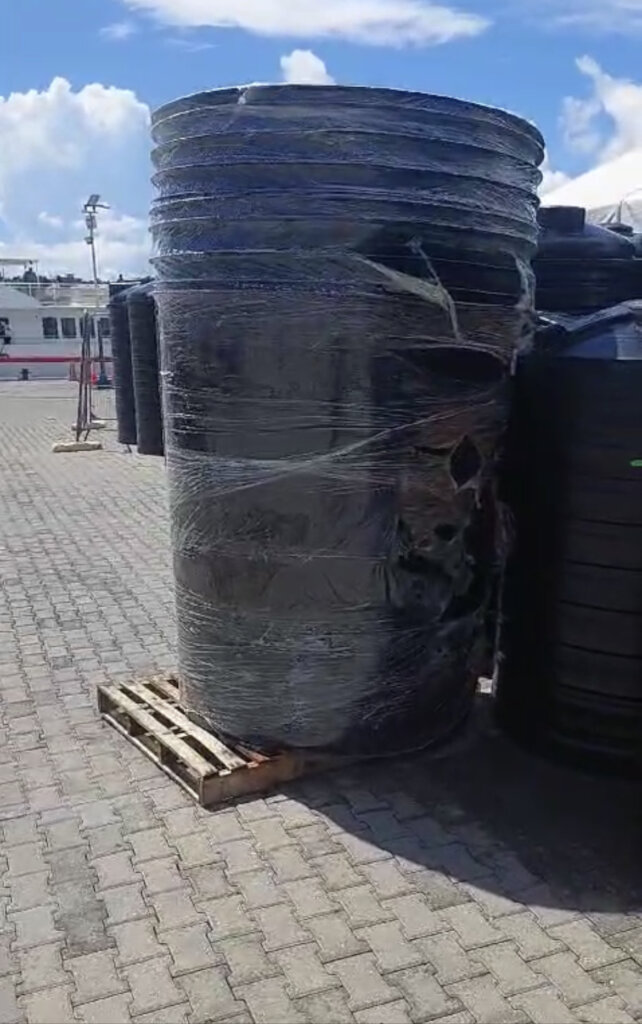
One of the immediate priorities in our Hurricane Beryl relief efforts has been addressing water scarcity, especially as the dry season approaches. We are pleased to report that a shipment of 600-gallon water tanks has just arrived in Carriacou. These tanks will be distributed to households in the most affected areas, ensuring they have adequate water storage capacity to navigate the upcoming dry season. By securing access to clean water, we are helping these communities prepare for the longer-term impacts of the hurricane, improving their ability to withstand drought conditions and provide irrigation for household gardens.
Ongoing Climate-Smart Agricultural Rebuilding
As Grenada has rebounded quite quickly, we have shifted our focus for Beryl relief to Jamaica. The Blue Atlas Project is conducting ongoing assessments to identify the best strategies for climate-smart agricultural rebuilding. Jamaica’s agricultural sector is highly vulnerable to the effects of climate change, and rebuilding efforts must take into account sustainable farming practices that can increase both food security and environmental resilience.
Our assessments focus on identifying the crops, techniques, and resources that will allow farmers to adapt to shifting weather patterns while restoring their livelihoods. These efforts include training on sustainable farming techniques, such as closed-loop systems, regenerative techniques and aquaponics.
Partnerships and Local Collaboration
The success of our relief and rebuilding initiatives is rooted in close collaboration with local partners, government agencies, and community leaders. By working with local agricultural experts, we are ensuring that the rebuilding process aligns with the specific needs of Jamaica’s farmers and rural communities. This approach also ensures that climate-smart techniques are tailored to local ecosystems and are more likely to succeed in the long term.
Looking Ahead
The Blue Atlas Project remains committed to supporting the recovery of communities affected by Hurricane Beryl through ongoing efforts in climate-smart agriculture and aquaculture. As we continue our assessments and distribute vital resources, our goal is to support and foster stronger, more resilient communities through increased food security—prepared not only for the dry season but for future climate challenges.
We invite volunteers and partners to join us in this critical mission. Together, we can ensure that all the communities impacted by the 2024 Hurricane season are not only recovering but building back better.