Access to clean and safe water is often discussed in the context of drinking water, yet water plays a much broader role in everyday life and public health. In many communities around the world, including Liberia in West Africa, water is essential not only for drinking but also for maintaining hygiene, preparing food, producing basic household goods, and supporting daily activities that people in many parts of the world take for granted. Understanding water access beyond drinking highlights why water security is a critical foundation for health, dignity, and community resilience.
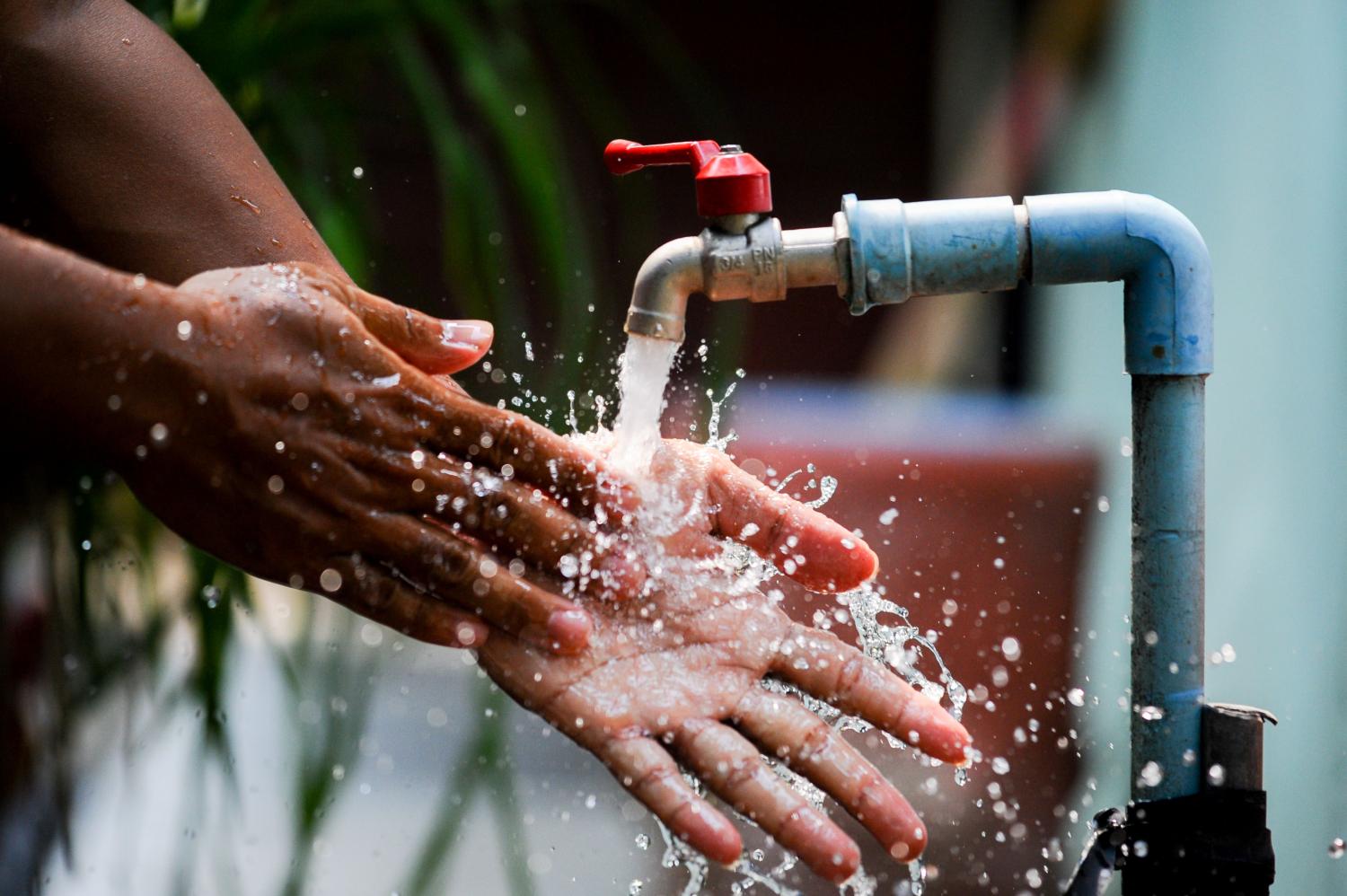
Clean water is fundamental for hygiene and disease prevention. Regular handwashing is one of the most effective ways to prevent the spread of infectious diseases. However, without reliable access to safe water, families cannot consistently wash their hands, clean surfaces, or maintain basic sanitation in their homes. This challenge became especially visible during the Ebola outbreak between 2014 and 2016 in Liberia, West Africa, when health authorities emphasized frequent handwashing as a primary defense against infection. For many households that lacked consistent access to water, following these public health recommendations was extremely challenging.
Water is also essential for food preparation and safe cooking. Households need water to wash vegetables, grains, and utensils, and to prepare meals safely. Without safe water, the risk of contamination increases, exposing families to waterborne illnesses such as cholera, typhoid, and severe diarrhea.
In the majority of urban and rural communities in Liberia, the lack of clean water can compromise the safety of everyday meals, especially for children whose immune systems are more vulnerable.
Beyond cooking and hygiene, water is required for the production of basic household items such as soap. Soap making, which can be done at the household or community level, depends on water to mix ingredients and produce usable products that support hygiene and sanitation. In many communities, local soap production can also provide a small source of income while improving access to hygiene products that help prevent disease.
Access to clean and safe water is often discussed in the context of drinking water, yet water plays a much broader role in everyday life and public health. In many communities around the world, including Liberia in West Africa, water is essential not only for drinking but also for maintaining hygiene, preparing food, producing basic household goods, and supporting daily activities that people in many parts of the developed world take for granted. Understanding water access beyond drinking highlights why water security is a critical foundation for health, dignity, and community resilience.
Clean water is fundamental for hygiene and disease prevention. Regular handwashing is one of the most effective ways to prevent the spread of infectious diseases. However, without reliable access to safe water, families cannot consistently wash their hands, clean surfaces, or maintain basic sanitation in their homes. This challenge became especially visible during the Ebola outbreak between 2014 and 2016 in Liberia, West Africa, when health authorities emphasized frequent handwashing as a primary defense against infection. For many households that lacked consistent access to water, following these public health recommendations was extremely challenging.
Water is also essential for food preparation and safe cooking. Households need water to wash vegetables, grains, and utensils, and to prepare meals safely. Without safe water, the risk of contamination increases, exposing families to waterborne illnesses such as cholera, typhoid, and severe diarrhea. In many low-income communities, the lack of clean water can compromise the safety of everyday meals, especially for children whose immune systems are more vulnerable.
Beyond cooking and hygiene, water is required for the production of basic household items such as soap. Soap making, which can be done at the household or community level, depends on water to mix ingredients and produce usable products that support hygiene and sanitation. In many communities, local soap production can also provide a small source of income while improving access to hygiene products that help prevent disease.
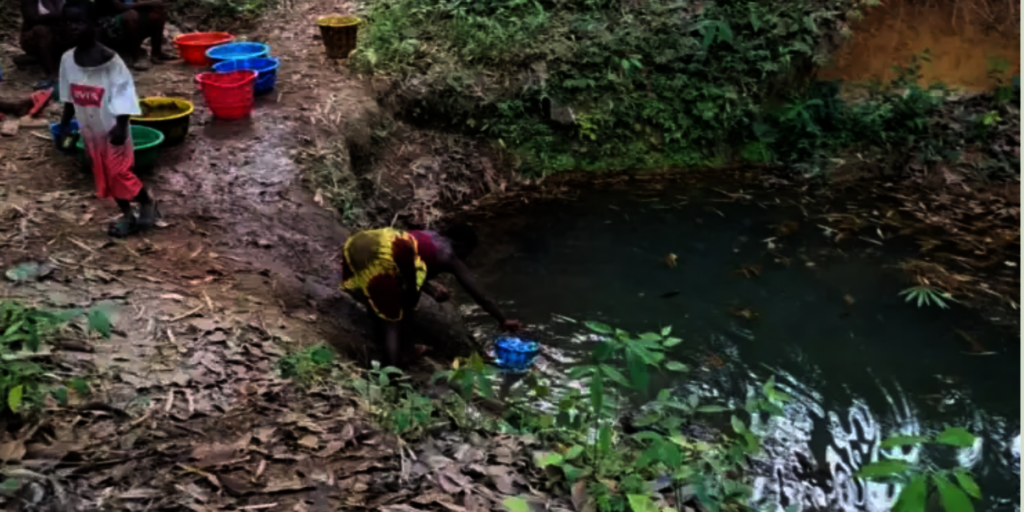
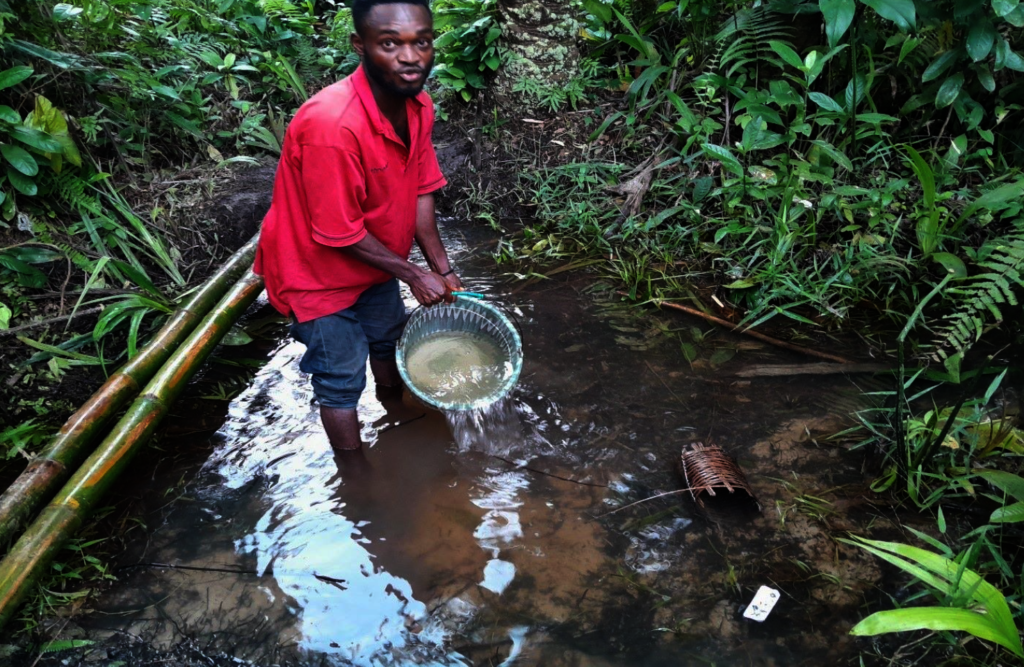
Clean water also supports many other daily activities that often go unnoticed in places where water is readily available. Washing clothes, cleaning homes, caring for children, and maintaining household sanitation all depend on reliable access to water. When water must be carried over long distances or purchased at a high cost, these activities become difficult and time-consuming, often placing a disproportionate burden on women and children, who are typically responsible for water collection.
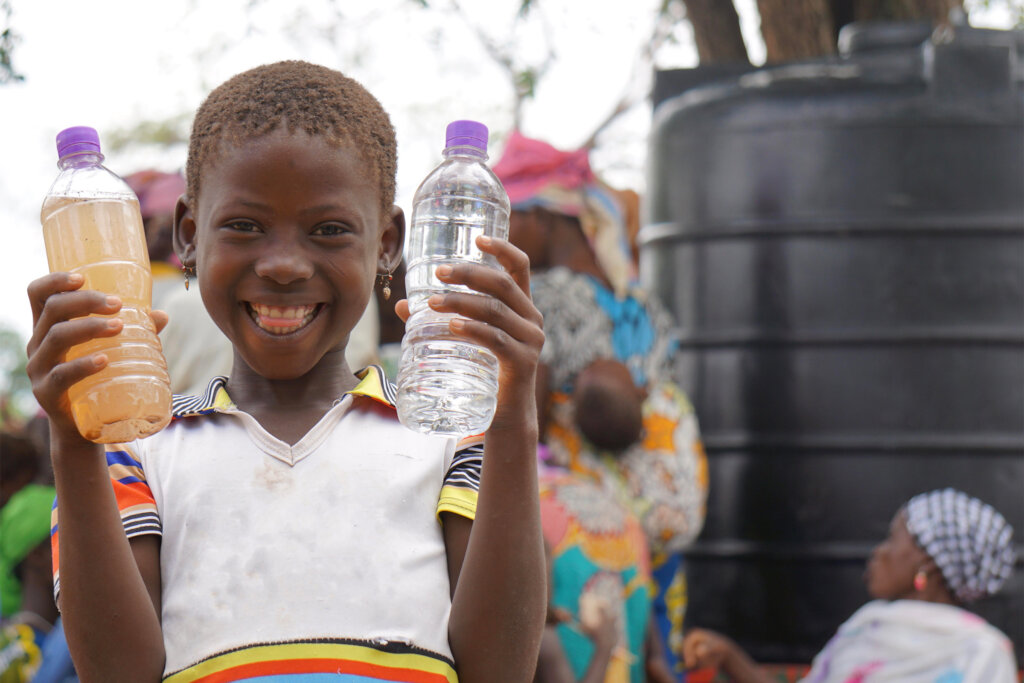
For communities that lack centralized water systems or safe groundwater sources, the absence of reliable water access affects far more than drinking. It impacts health, nutrition, hygiene, economic opportunities, and the ability of families to live with dignity. Expanding access to clean and safe water, therefore, addresses multiple challenges at once. It strengthens public health, reduces the spread of disease, improves living conditions, and allows communities to meet their basic daily needs.
Ensuring access to clean and safe water must therefore be understood as more than providing water for drinking. It is about enabling the full range of daily activities that sustain life, health, and well-being. When communities have reliable access to water, they gain the ability to cook safely, practice hygiene, produce essential goods like soap, and maintain healthy households. Clean water is not only a necessity for survival but a foundation for thriving communities.