Project Report
| Nov 11, 2026
Workshop with Children with Special Needs (CWSN)
![Self made Teaching Learning Material]()
Self made Teaching Learning Material
Daily Living Skills Enhancement Workshop
Location: DMRC Children Home for Boys (DMRC CHB)
Target Group: Children with Special Needs (CWSN)
Focus Area: Activities of Daily Living (ADL), Fine Motor Skills, and Gross Motor Skills
Executive Summary
An interactive session focusing on Activities of Daily Living (ADL) was conducted for children with special needs at DMRC Children Home for Boys. Two activities were carried out: shoe lace tying using a self-made TLM and buttoning and unbuttoning a shirt. The main aim of the session was to build independence in everyday self-care tasks by strengthening fine and gross motor control, hand-eye coordination and bilateral coordination through hands-on practice.
Objectives
- Promote Independence: Build confidence in self-care routines such as dressing and shoe lacing.
- Skill Development: Improve fine motor precision (pincer grasp, finger strength) and gross motor coordination (arm movements, posture stability).
- Inclusive Participation: Ensure every child gets an individual opportunity to practise at their own pace.
Activity 1: Shoe Lace Tying Using Self-Made TLM
Topic: Development of Functional Life Skills – Shoe Lace Tying
Objective: To promote independent dressing skills and strengthen fine motor coordination through practical learning.
Teaching-Learning Material (TLM): A handmade, low-cost shoe model made from cardboard (gatta) and paper, with punched eyelets and a colourful lace for threading.
Activity Briefing:
- Children were first shown the TLM and how to hold, cross, loop and pull the laces.
- The teacher showed each step slowly through practical demonstration.
- Each child was guided step by step to thread the lace through the eyelets and practise tying a knot or bow, with individual help and encouragement.
- Slowly, children were encouraged to do the activity with less support.
Skill Focus:
- Fine motor manipulation (finger-thumb coordination to grip the lace).
- Gross motor control (keeping the body and arms steady while working on the model).
- Spatial awareness and sequential thinking.
Learning Outcomes:
- Learned the basic steps of tying shoelaces.
- Developed coordination of both hands and finger dexterity.
- Improved hand-eye coordination and the ability to follow steps in order.
- Strengthened problem-solving and concentration.
Activity 2: Buttoning and Unbuttoning a Shirt
Topic: Development of Self-Help Skills – Buttoning and Unbuttoning
Objective: To develop fine motor coordination, finger dexterity and independence in personal care activities.
Activity Briefing:
- Children were given shirts with buttons that are easier to grip.
- The teacher showed how to hold the button, line it up with the buttonhole, push it through and pull it from the other side.
- Each child was given dedicated time and individual support to complete the task independently.
- Practice was repeated many times to improve accuracy and coordination.
Skill Focus:
- Pincer grasp strength and bilateral coordination (using both hands together).
- Tactile discrimination and visual tracking.
Learning Outcomes:
- Learned how to button and unbutton a shirt.
- Improved finger coordination and hand-eye coordination.
- Developed fine motor skills and finger flexibility.
- Understood the importance of personal hygiene and dressing skills.
Key Outcomes & Observations
- Active Participation: Every child was given an individual turn to attempt both activities, ensuring high engagement and a positive learning environment.
- Visible Progress: Children showed more patience, hand stability and eagerness to complete tasks without immediate assistance.
- Functional Value: Mastering these two foundational tasks directly supports the children’s daily independence at home and school.
Expected Improvements
- More independence in dressing and in managing footwear.
- Better finger control and better coordination between both hands.
- More confidence and self-reliance in daily living activities.
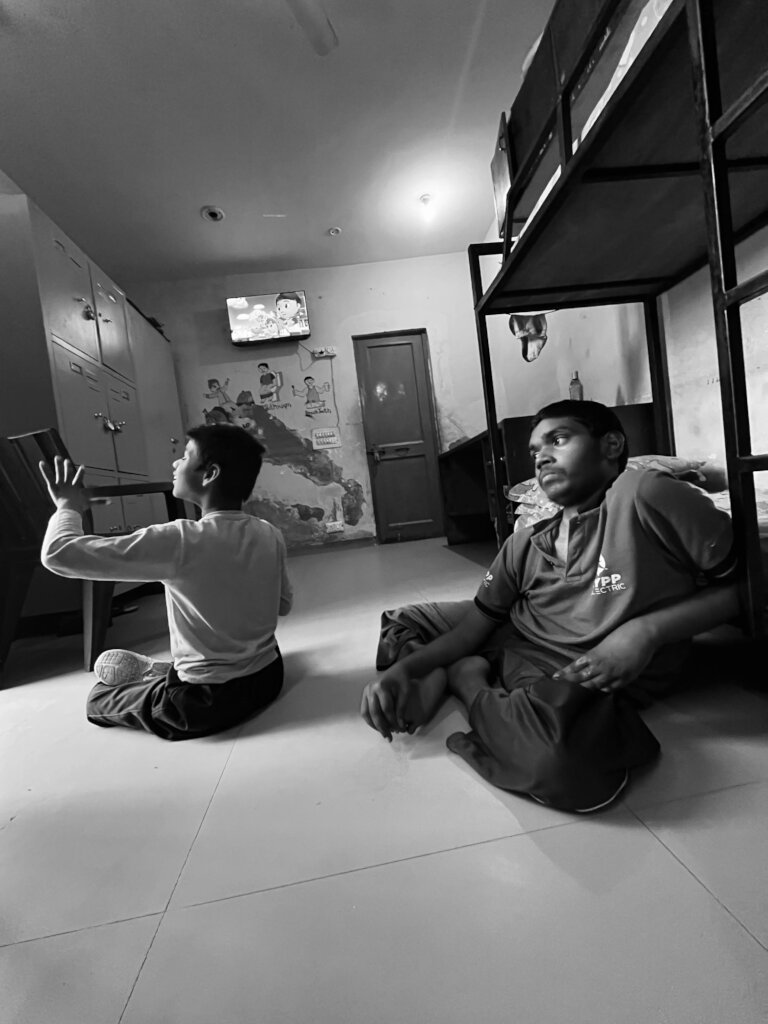
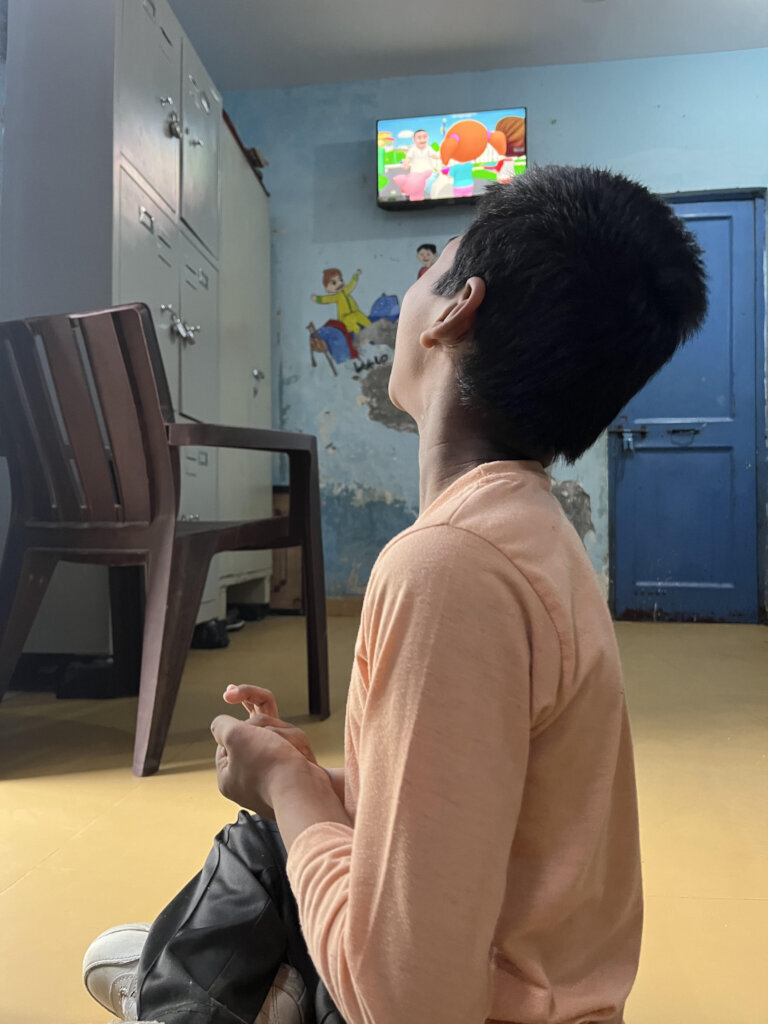
![Child practising]()
Child practising
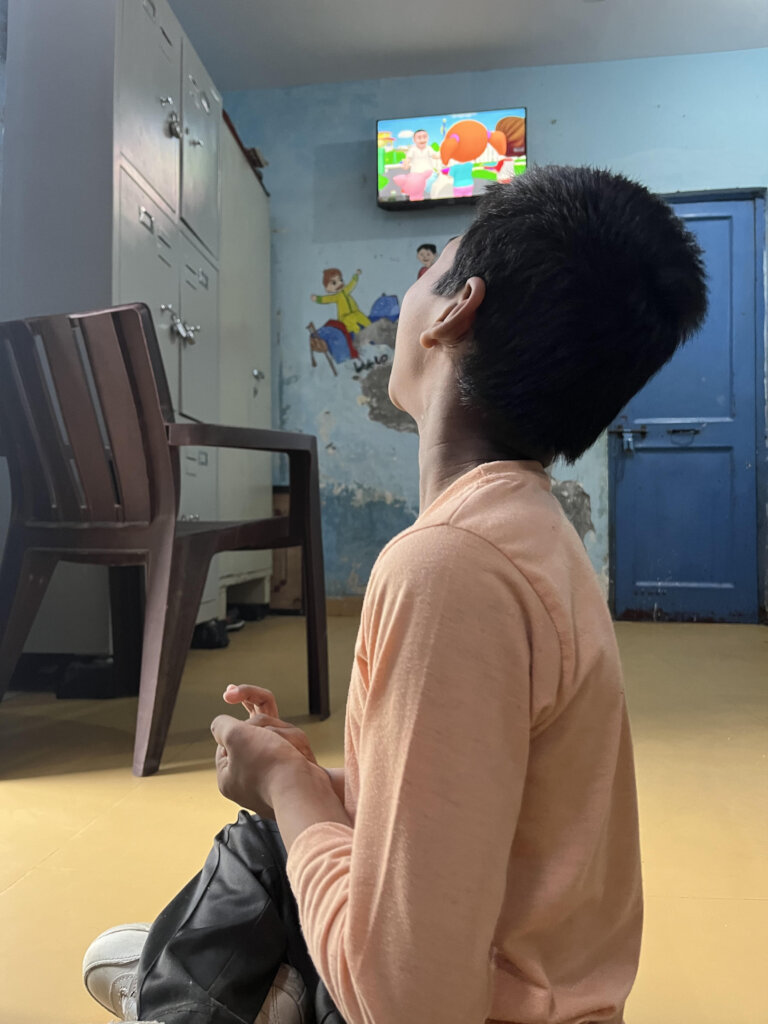
![Another child practising]()
Another child practising
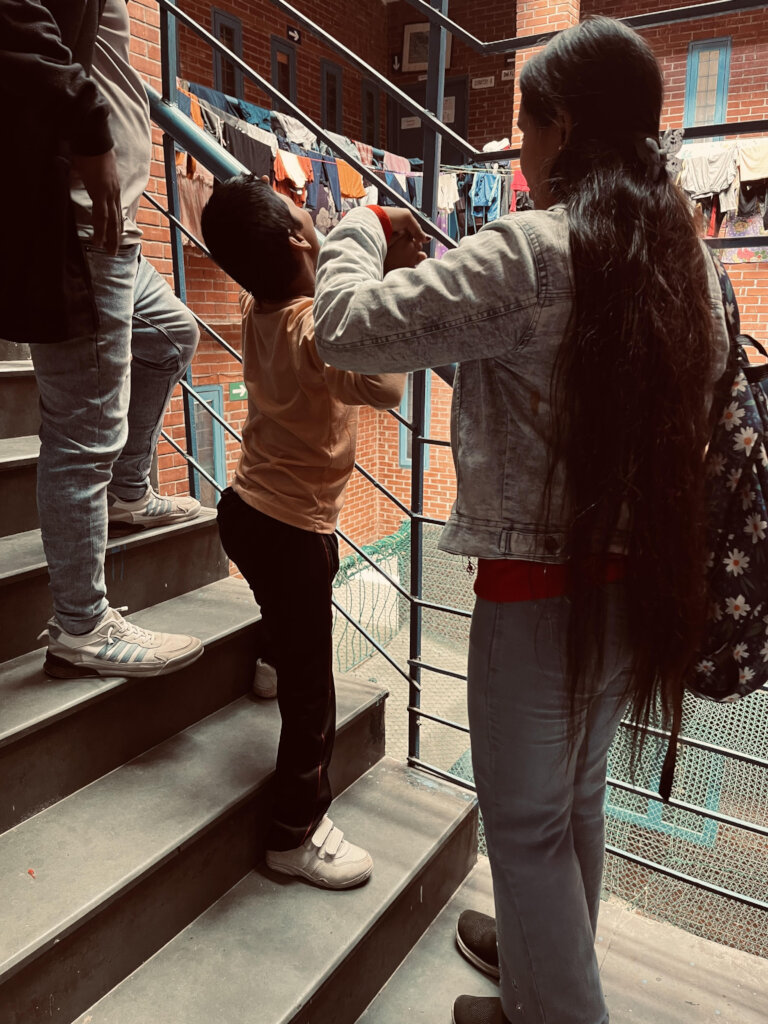
![Child practising how to button the shirt]()
Child practising how to button the shirt
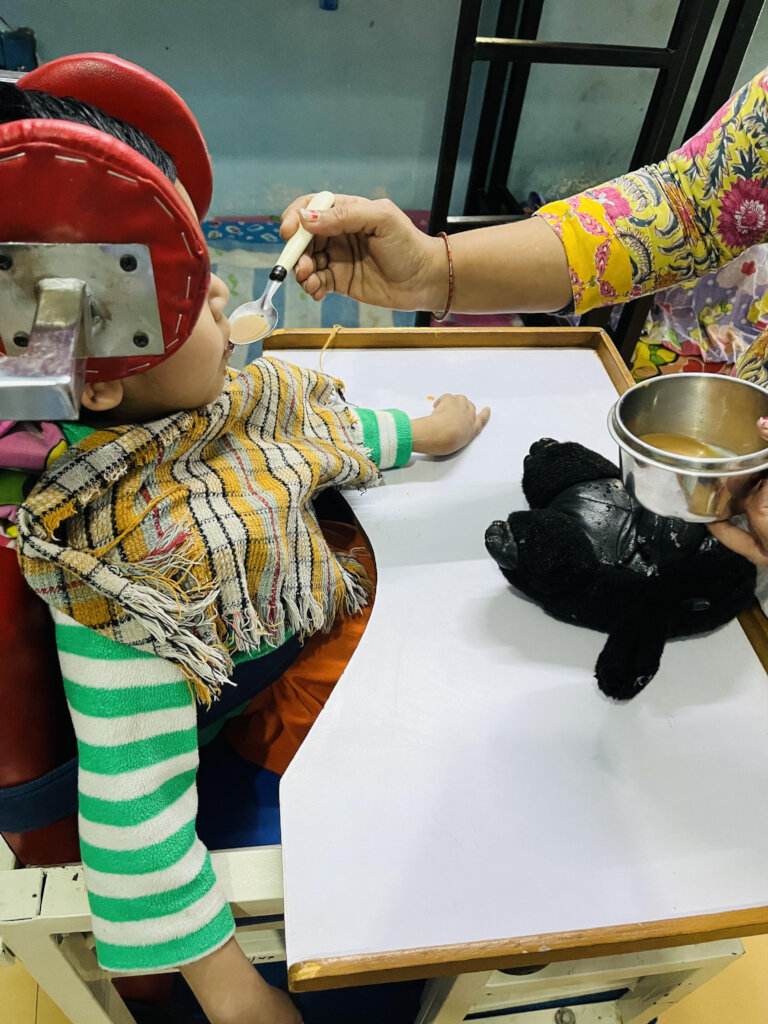
![Child using both hands to button the shirt]()
Child using both hands to button the shirt