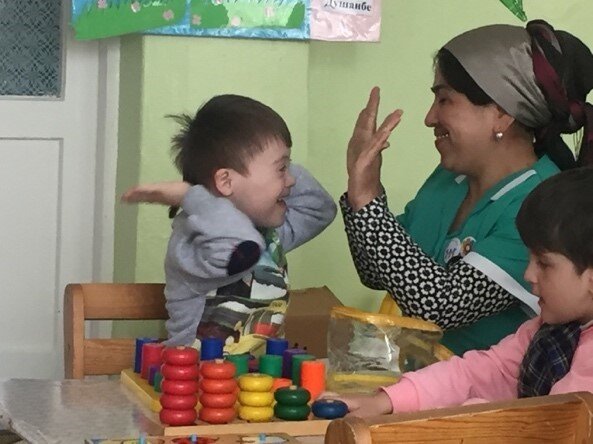
By Safarov Sobirjon | Director
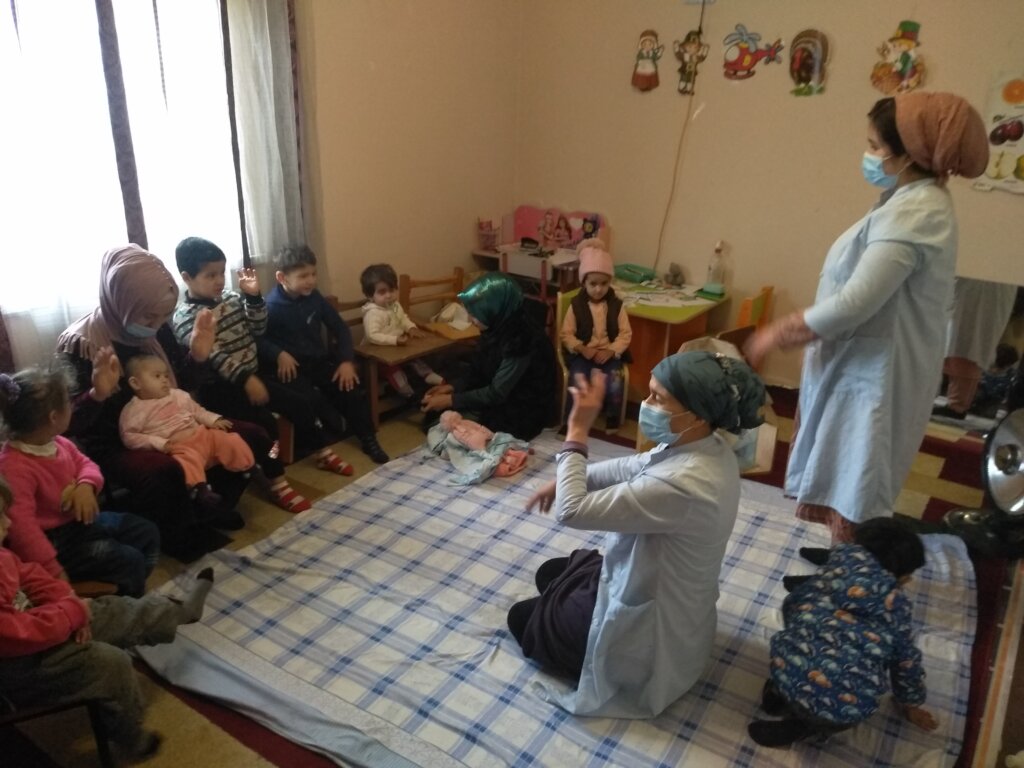
Over the past three months, there has been a notable increase in the number of children enrolled in community-based rehabilitation programs. This trend indicates growing awareness among families of children with disabilities and reflects the strengthening collaboration between health and social service providers at the community level. The existence of a functional referral system ensures that, following consultations at local health centers and with family doctors, children in need are effectively referred to appropriate rehabilitation services within their communities.
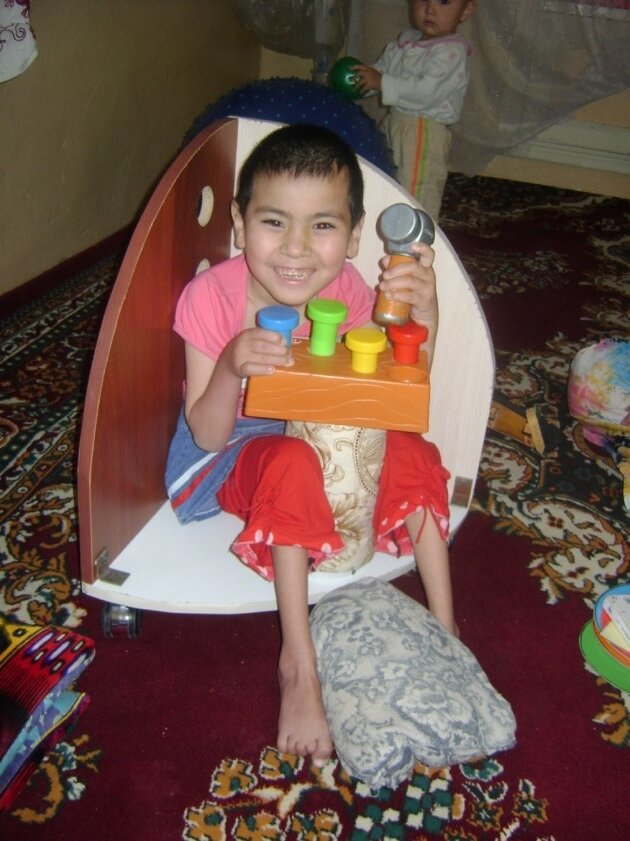
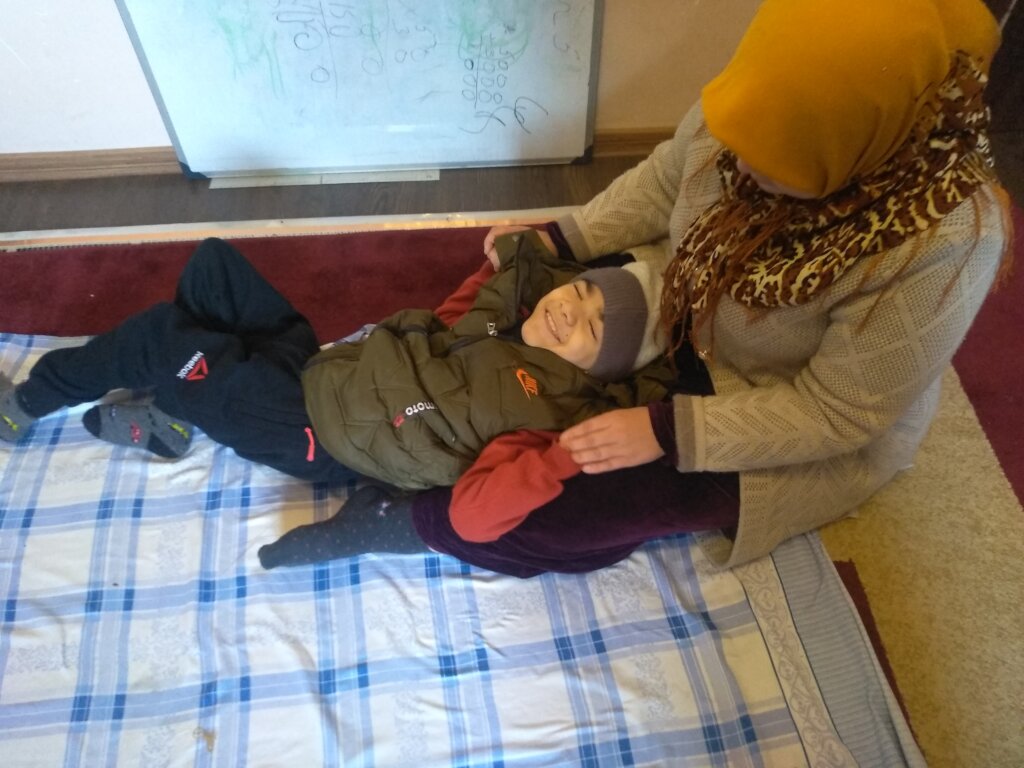
This development is especially significant for children who receive rehabilitation services at home. Due to various socioeconomic, cultural, or familial constraints, some families are unable to bring their children to community-based rehabilitation centers. In such cases, a well-coordinated, multidisciplinary approach enables early intervention and ensures that these children can access rehabilitation services in a home-based setting. This model is particularly effective in addressing developmental delays at an early stage and in promoting inclusive care practices.
To date, a total of 86 children with special needs are receiving rehabilitation services in southern Tajikistan, while 114 children are being supported in the northern regions. Each child has undergone a comprehensive assessment, and individualized development plans (IDPs) have been formulated to guide the delivery of services. These plans are tailored to improve the physical, social, and emotional well-being of each child.
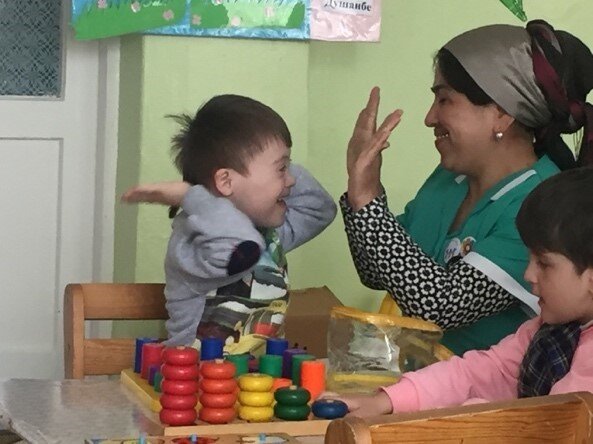
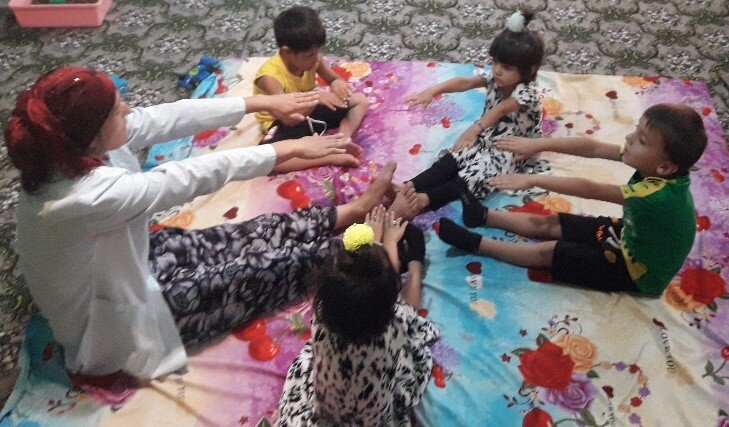
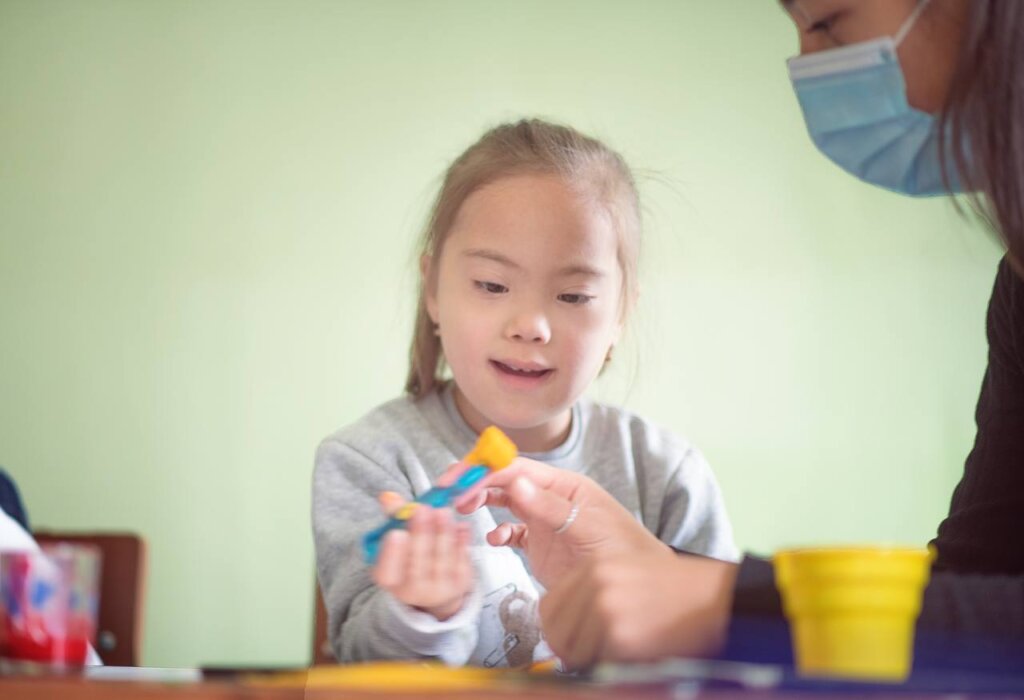
Rehabilitation interventions are carried out daily in accordance with each child's IDP. The outcomes to date are promising:
These outcomes underscore the effectiveness of community-based rehabilitation and the critical importance of early intervention and coordinated care. Continued investment in intersectoral collaboration and outreach strategies will be essential to further expand access and improve developmental outcomes for children with disabilities across Tajikistan.
"A Journey of Hope: Supporting Twin Girls with Disabilities Through Home-Based Rehabilitation"
Fatima and Zuhra are four-year-old twin girls living in a rural area of Tajikistan. Fatima has a hearing impairment, while Zuhra has been diagnosed with Cerebral Palsy. For the past year, both girls have been receiving home-based rehabilitation services provided by social workers who travel weekly to their village. These services aim not only to support the children’s development but also to strengthen the family’s ability to care for them.
When the social workers first began working with the twins, Zuhra was unable to sit independently, and Fatima struggled with communication. She was socially withdrawn and unresponsive, even with her mother. As a result, their mother felt overwhelmed and hopeless, unsure of how to help her daughters or herself.
During each visit, the social workers spent around two hours with the family, focusing on both the children's needs and the mother’s well-being. They provided emotional support and practical guidance, teaching the mother how to care for and raise children with special needs. Over time, this consistent and compassionate support helped the mother feel more confident and capable.
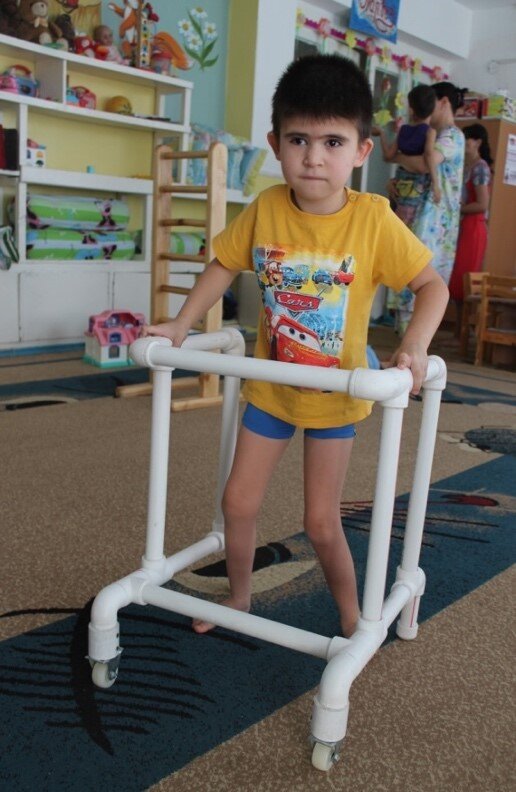
After a year of continuous work, both children have made remarkable progress. Zuhra is now able to stand and can take a few steps with the assistance of a walker. Fatima has become calmer and has started interacting more with those around her. During the rehabilitation sessions, the social worker noticed that Fatima responded to certain sounds, such as hand clapping behind her. This observation led to a recommendation that her parents take her for a hearing assessment.
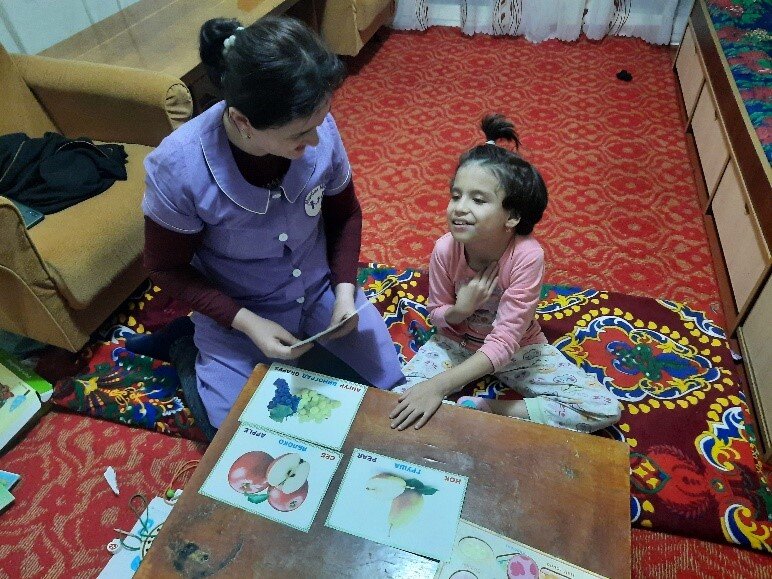
Following the visit to a specialist, Fatima received a hearing assistive device. She is now learning to hear and respond using communication cards, which has significantly improved her ability to connect with others.
This story illustrates the powerful impact of early intervention and home-based rehabilitation. With the right support, children with disabilities can develop their potential and actively participate in daily life. At the same time, parents gain valuable skills and confidence, enabling them to better care for their children and support their inclusion in society.
Project reports on GlobalGiving are posted directly to globalgiving.org by Project Leaders as they are completed, generally every 3-4 months. To protect the integrity of these documents, GlobalGiving does not alter them; therefore you may find some language or formatting issues.
If you donate to this project or have donated to this project, you can receive an email when this project posts a report. You can also subscribe for reports without donating.



Support this important cause by creating a personalized fundraising page.
Start a Fundraiser