By Diego Villegas | Director
Cultivating Health, Cultivating Hope: Final Steps of the Rao Banabo Project
We’re approaching the financial goal of our campaign—and thanks to your support, we’re not just funding a garden. We’re nurturing a movement.
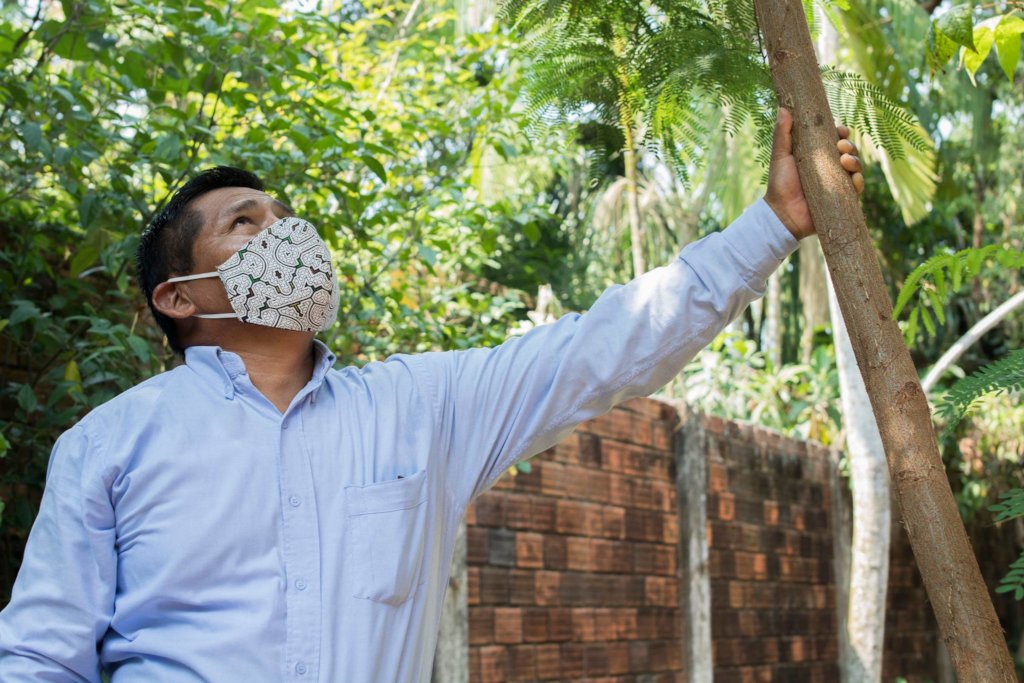
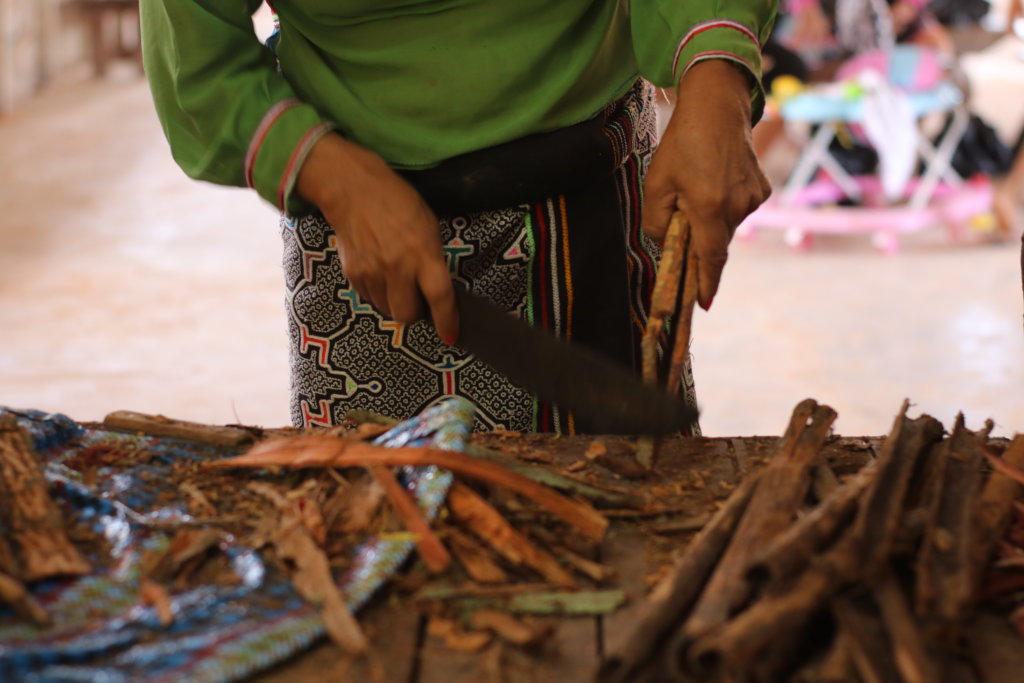
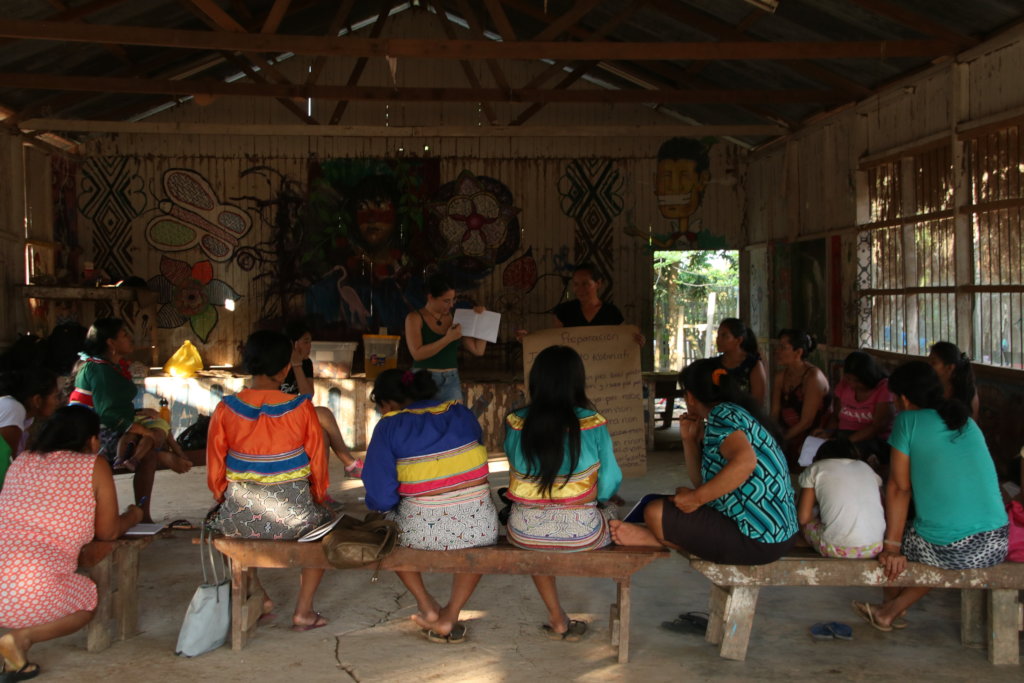
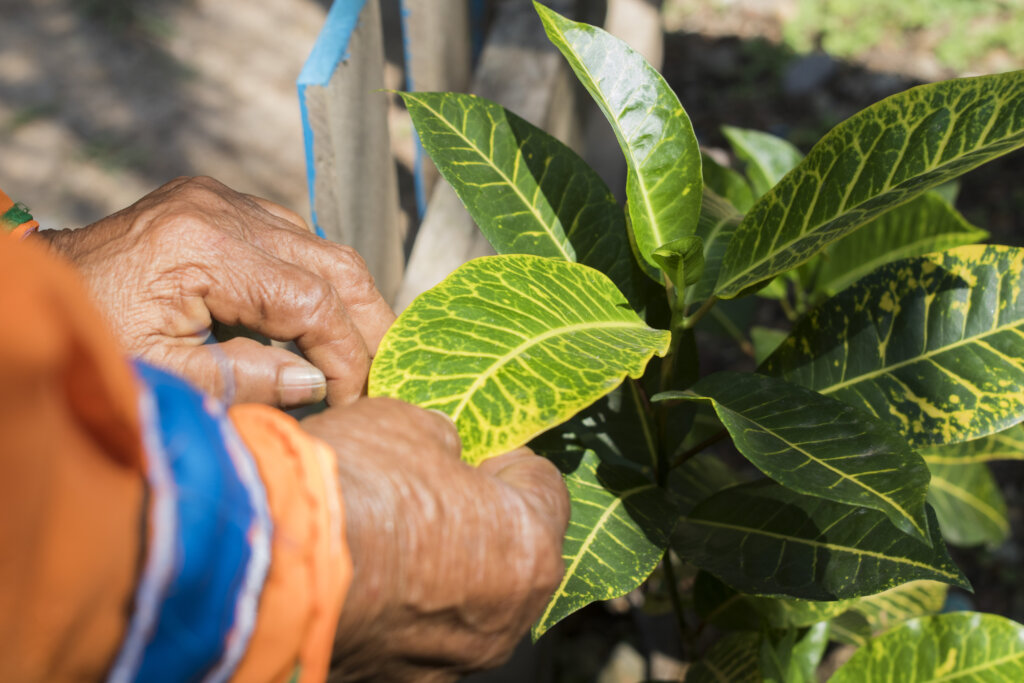
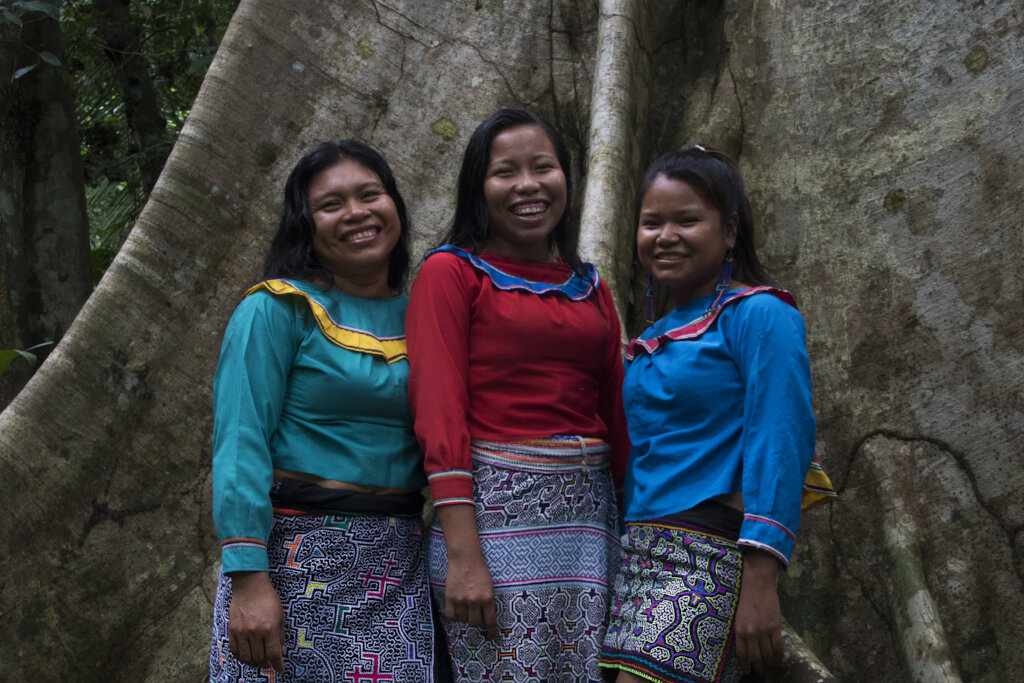
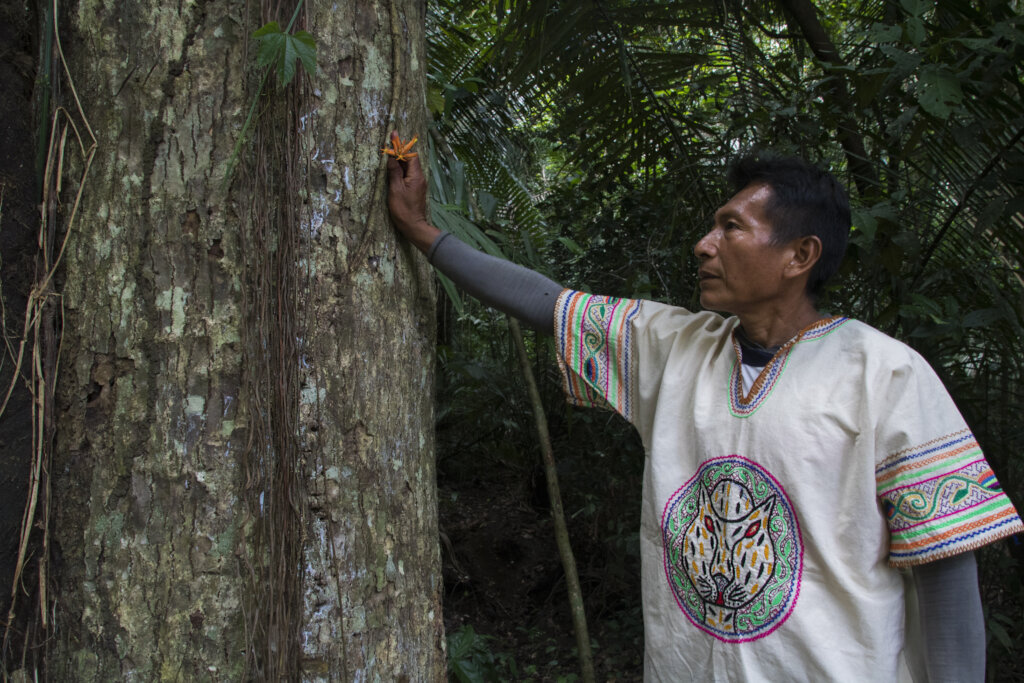
In Yarinacocha, home to a vibrant urban Shipibo community of the Peruvian Amazon, a spontaneous wave of health self-management is taking root. Traditional healers are offering direct care to patients while encouraging families to use medicinal plants for everyday ailments. This is where our project, Rao Banabo—which means “cultivate your pharmacy” in the Shipibo language—finds its purpose: empowering families to grow their own medicinal gardens.
What We’ve Achieved So Far
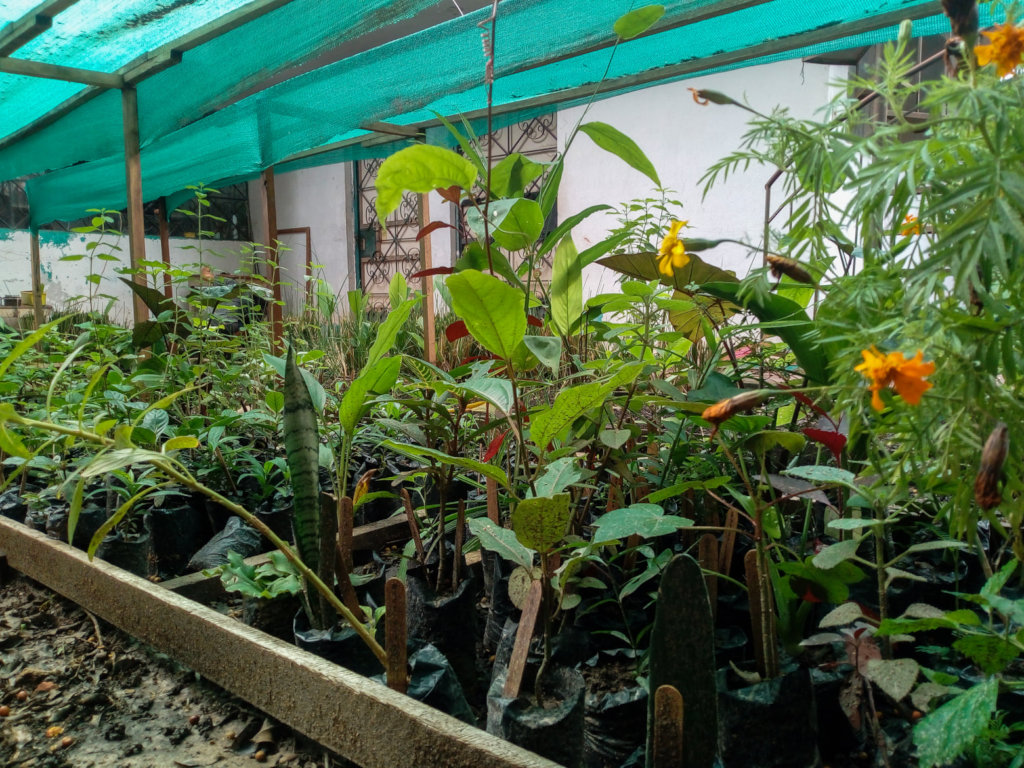
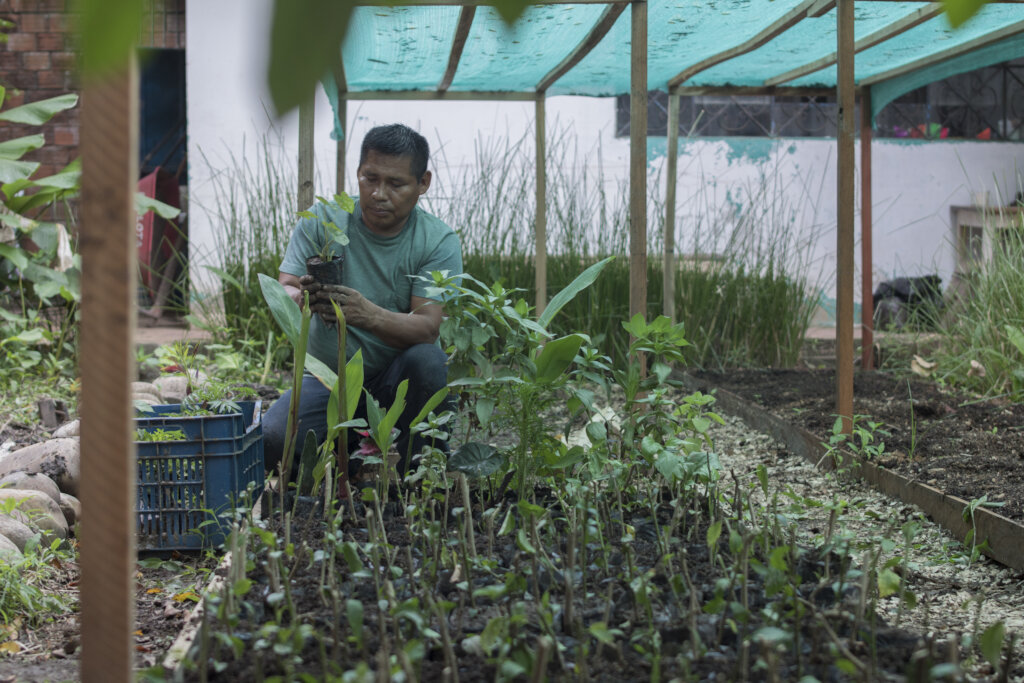
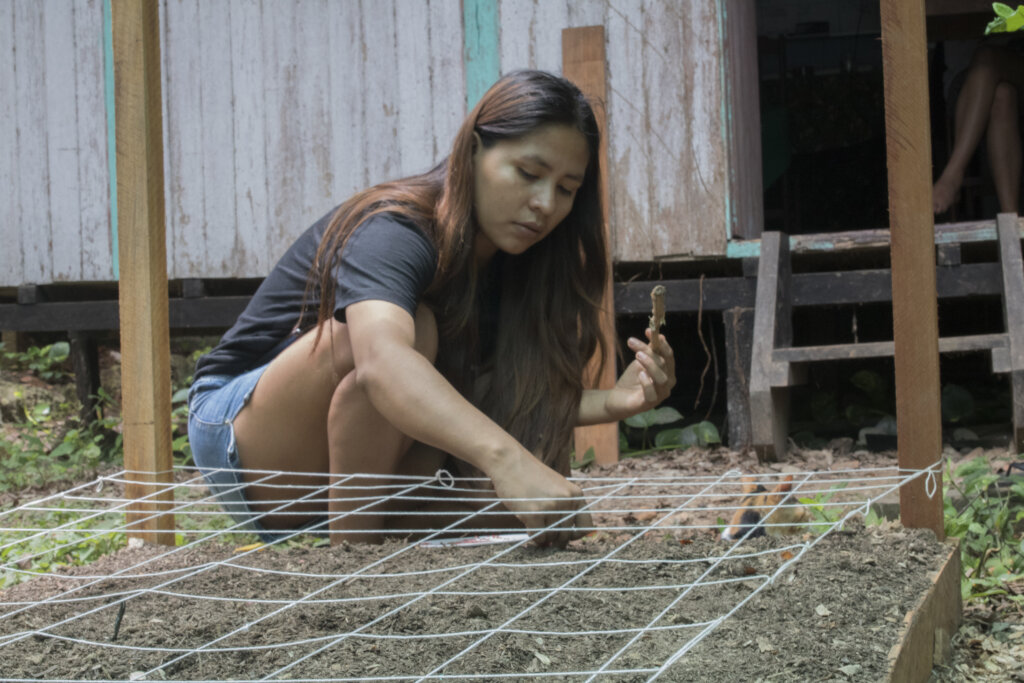
Despite recent challenges, including severe flooding in several Shipibo communities, we’ve remained focused on expanding our institutional nursery and supporting the medicinal gardens we’ve already helped establish. These gardens are becoming hubs of plant propagation and cultural exchange—quietly transforming neighborhoods.
In urban settings where medicinal plants are scarce, these gardens offer more than greenery. They offer resilience. Neighbors come to collect cuttings, seeds, and seedlings. They also bring stories, knowledge, and a spirit of reciprocity—reviving traditions that often fade under the pressures of urban life.
What We Need to Finish Strong
As we enter the final phase, we’re asking for support—not for grand gestures, but for the simple tools that make this work possible:
Shovels, hoes, pruning shears
Hoses, watering cans, and irrigation pipes
Organic fertilizers and soil amendments
Seedling bags and nursery materials
Educational materials for workshops and training
Each item helps us equip gardens that are not only medicinal but also cultural sanctuaries—spaces where health, heritage, and community thrive together.
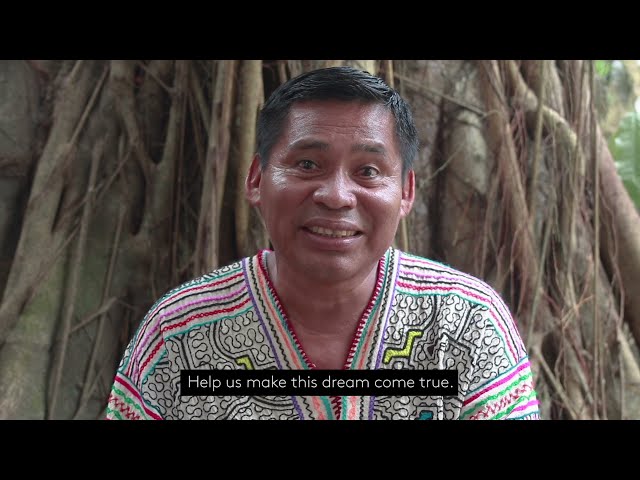
Join Us in Cultivating the Future
Your contribution helps us complete a vital cycle: from seed to soil, from ancestral knowledge to everyday practice, from community resilience to collective healing.
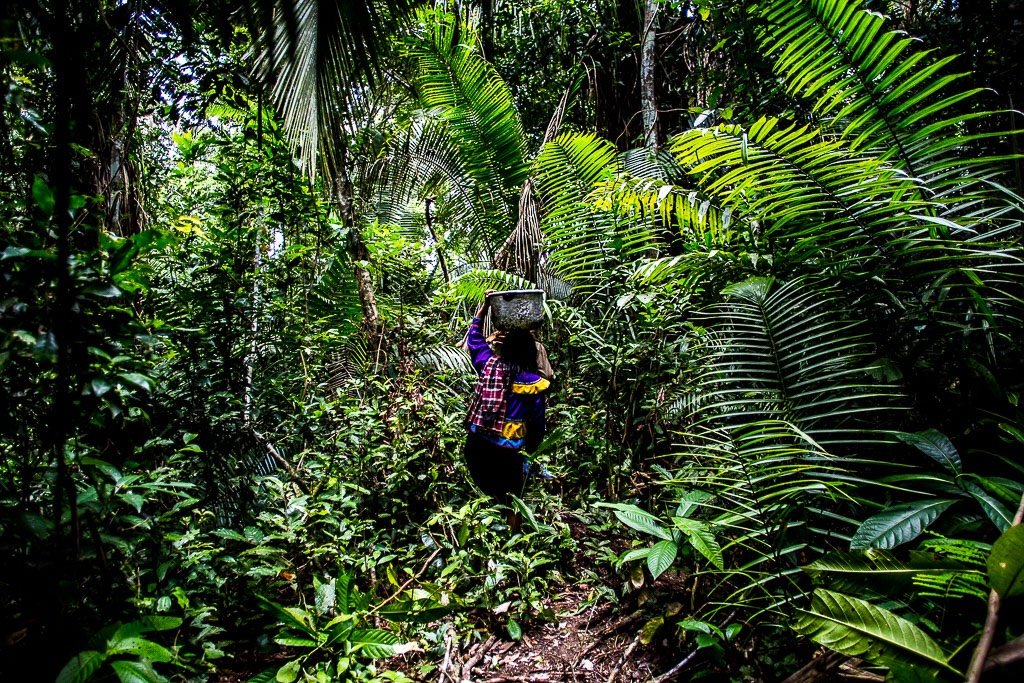
In the urban outskirts of Yarinacocha, many Shipibo families live in conditions marked by economic hardship, social exclusion, and limited access to public healthcare. Migrating from their ancestral territories in search of opportunity, they often find themselves navigating a city that overlooks their needs and undervalues their traditions.
Women and children are especially vulnerable. Mothers carry the burden of care with few resources, and children grow up in environments where cultural identity and health autonomy are at risk of being lost. In this context, medicinal gardens are more than green spaces—they are acts of resistance and restoration. They offer families tools to care for themselves, reclaim their heritage, and reconnect with each other.
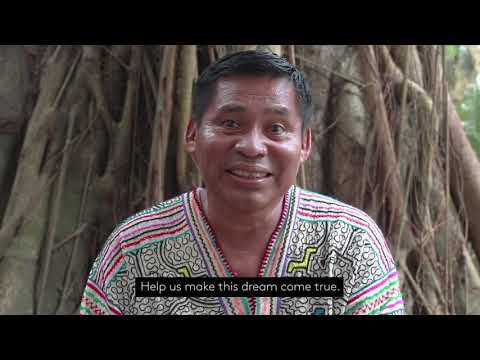
We’re close to the finish line. With your help, we’ll get there—not just with gardens fully implemented, but with a vision fully alive: one where Indigenous knowledge is honored, health is self-determined, and communities flourish despite adversity.
Thank you for walking this path with us.
Project reports on GlobalGiving are posted directly to globalgiving.org by Project Leaders as they are completed, generally every 3-4 months. To protect the integrity of these documents, GlobalGiving does not alter them; therefore you may find some language or formatting issues.
If you donate to this project or have donated to this project, you can receive an email when this project posts a report. You can also subscribe for reports without donating.



Support this important cause by creating a personalized fundraising page.
Start a Fundraiser