By Macarena Arias | Project Leader
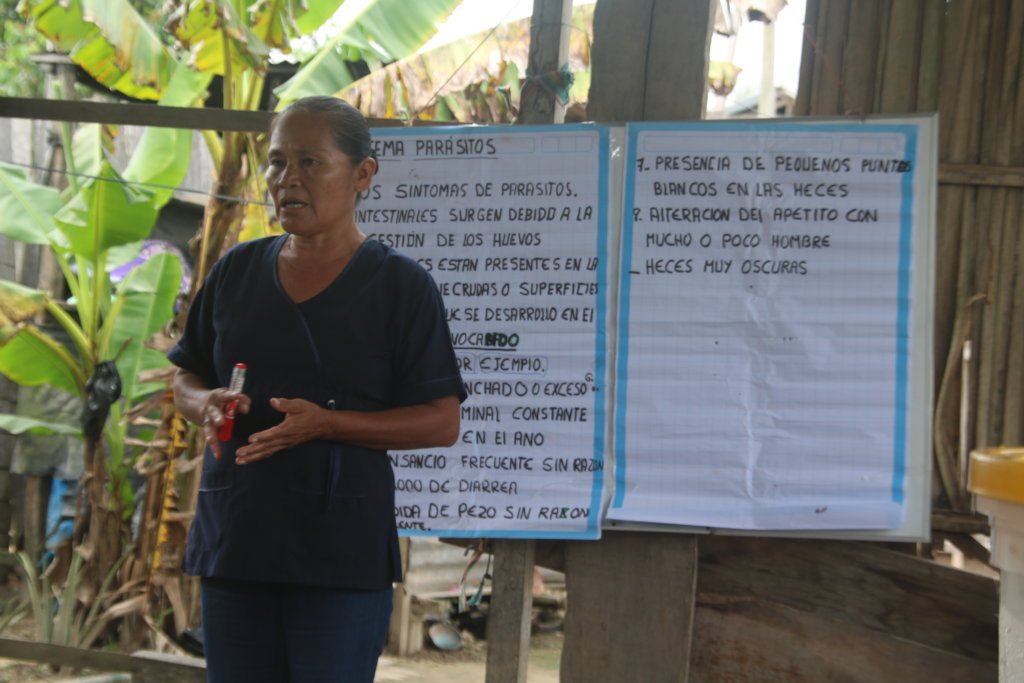
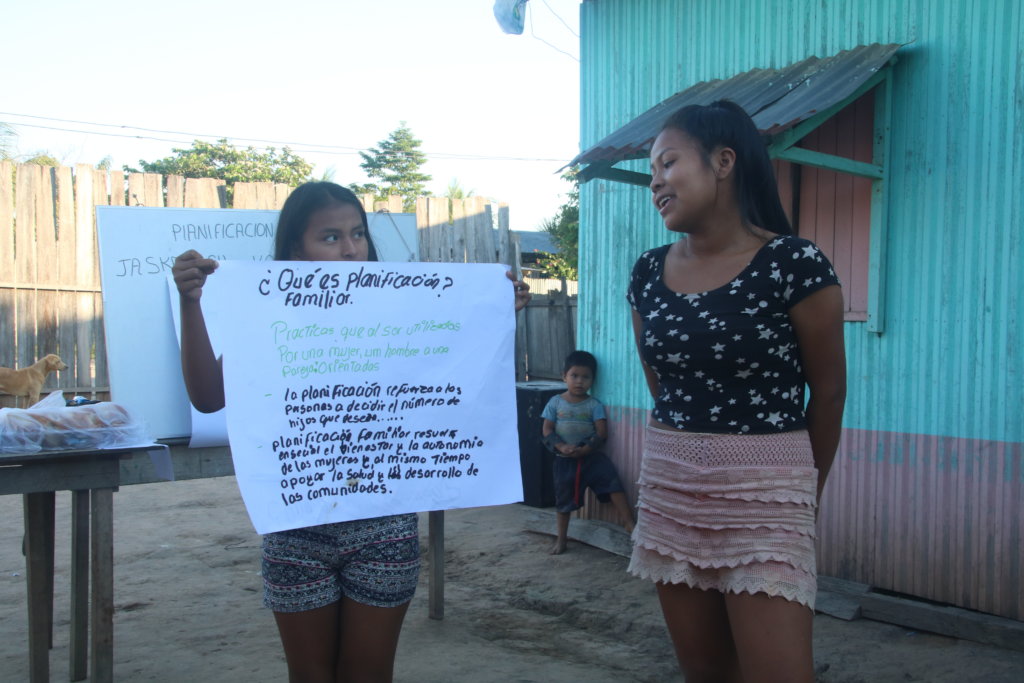
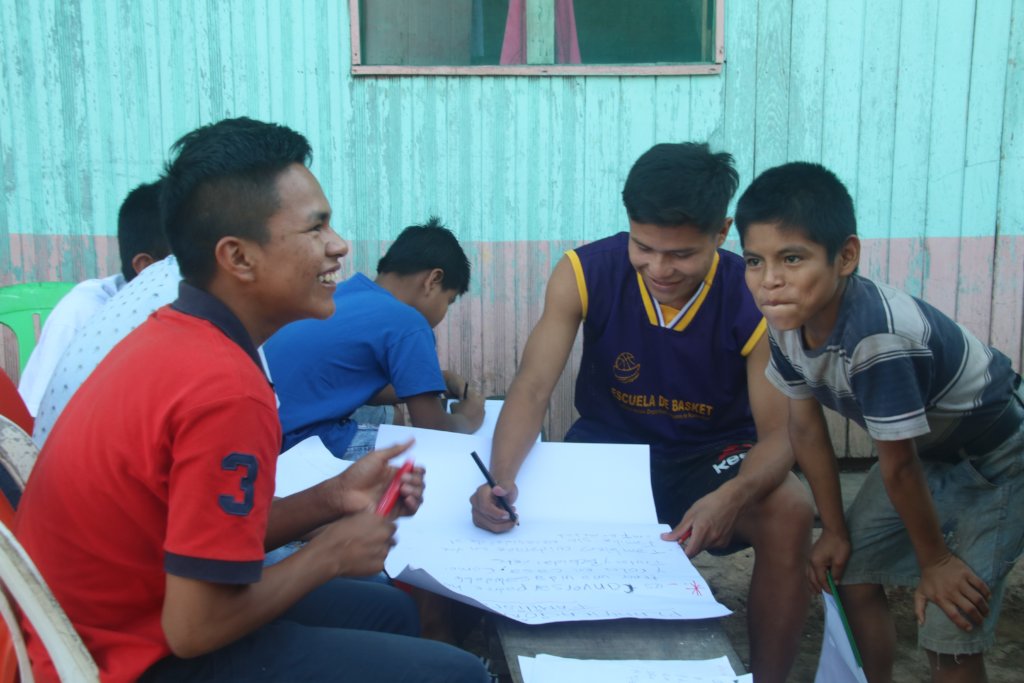
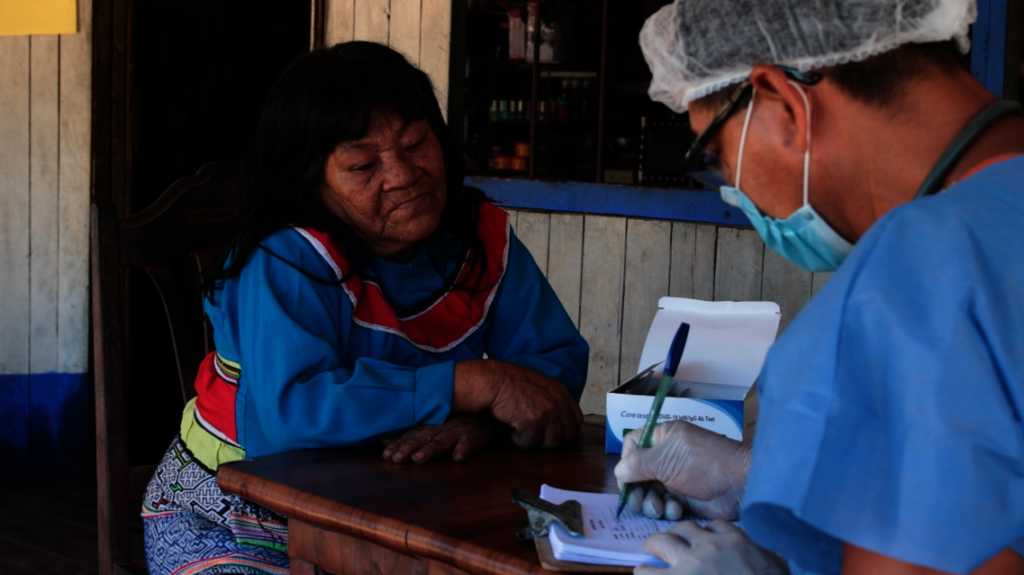
Last January in 2017, Alianza Arkana collaborated with the urban, nearby community of Bena Jema to run health literacy workshops for women. The workshops touched upon STDs, cervical cancer, menopause, and menstrual cycle. Since there, a PAP smear campaign has been successfully conducted and further communications. Summer 2018, women gathered with the Alianza Arkana staff (Shipibo nurses, Silveria and Marcela; project coordinator, Macaren; and summer intern, Ellen) and community health workers Luzmila and Amelia, to discuss next steps. The health problems the women face (i.e. high incidences of HPV, HTLV-1, and cervical cancer), heavy expenses of medicine and treatment, awareness of plant medicine, and valuable ancestral knowledge, paved the way for a follow-up workshop on plant medicine and gynecology, lasting for two days.
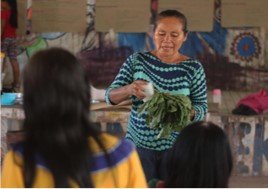
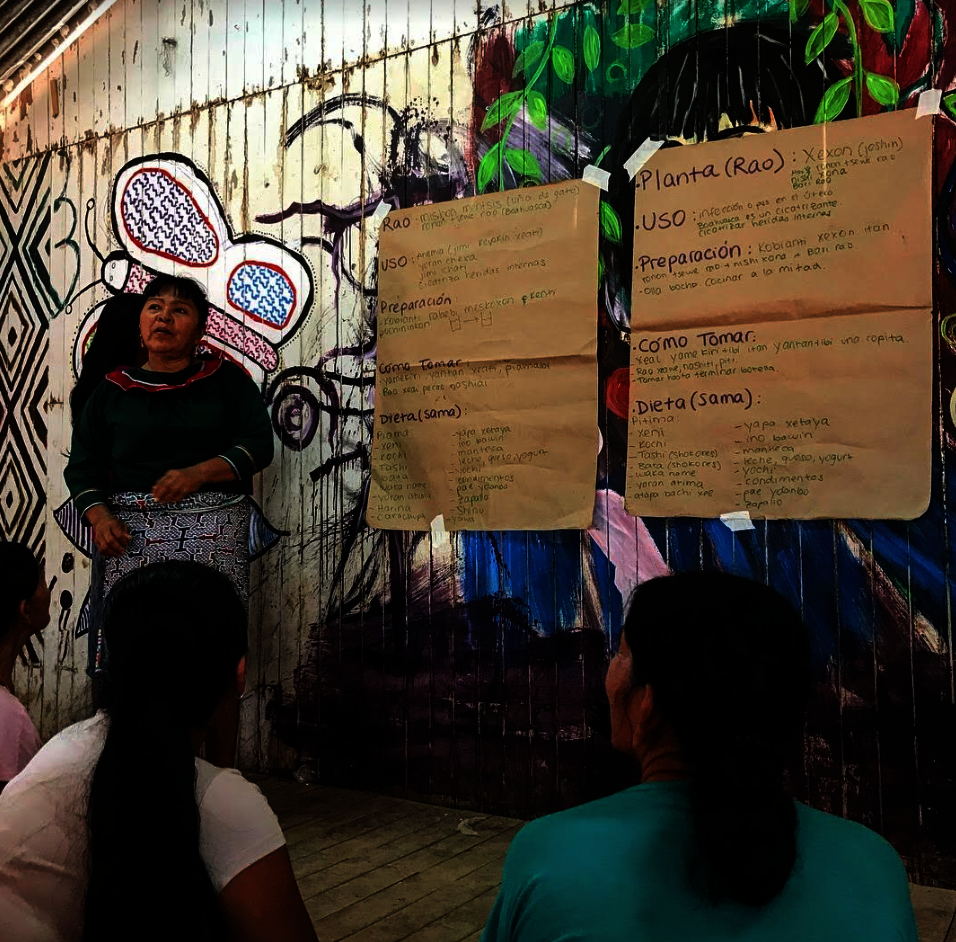
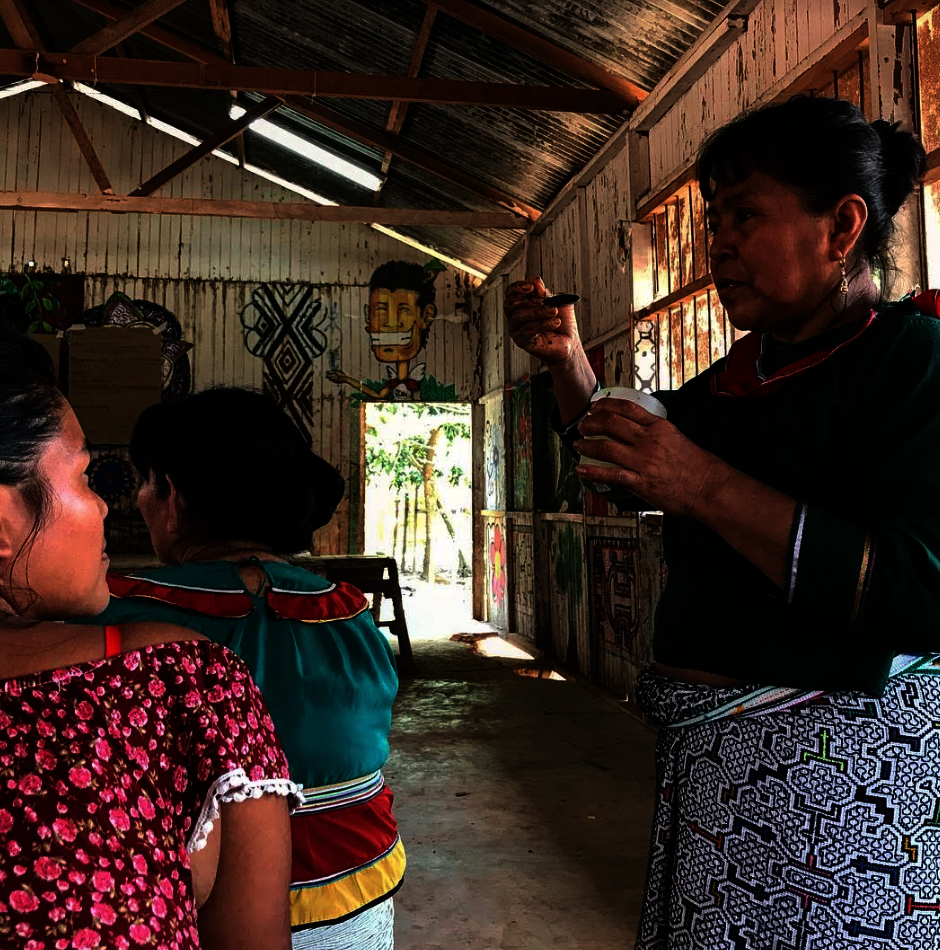
On August 11th from 3-5PM, the workshop ran with approximately 15 women at the community center of Bena Jema. The women’s ages ranged from 14 to 66. The workshop was conducted in Shipibo with the help of wandering woman clinic plant medicine expert, Carolina Mahua. There was an introduction of the workshop before delving into the topic of the day: contraceptives. In particular, the workshop discussed a specific plant’s leaves, suelda con suelda (isaa poi), that could be mashed up so the juice could be taken to prevent pregnancies. While there is a strict diet, counting of days to take the medicine, and strict guidelines to follow such as taking it for three menstrual cycles, the contraceptive was effective, according to the stories women shared. As the workshop concluded, I felt as excited as the women there for tomorrow.
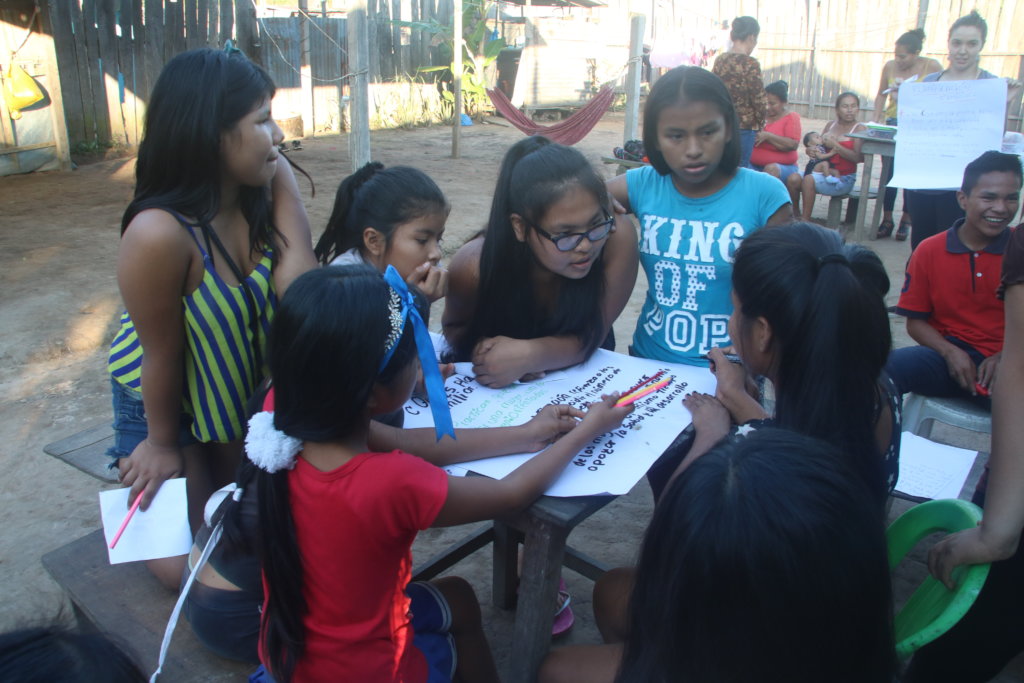
The second day of the workshop continued with learning about brews from barks and lianas such as boahuasca (ronon tsewe rao), renaquilla (nishi xona), tamamuri (xaná), icoja (bari rao), ubos (xexon), wayra caspi (waninkaya rao), and cat’s claw (mishon mentsis). Carolina explained how different combinations of these could be utilized to reduce scarring, heal infections, and reduce tumors in the uterus. At the same time, there are many herbs that the women use to treat fevers, coughs, and other ailments. In the sweltering summer heat, women took careful notes in journals regarding the names, uses, preparation, and diets necessary for taking these plants.
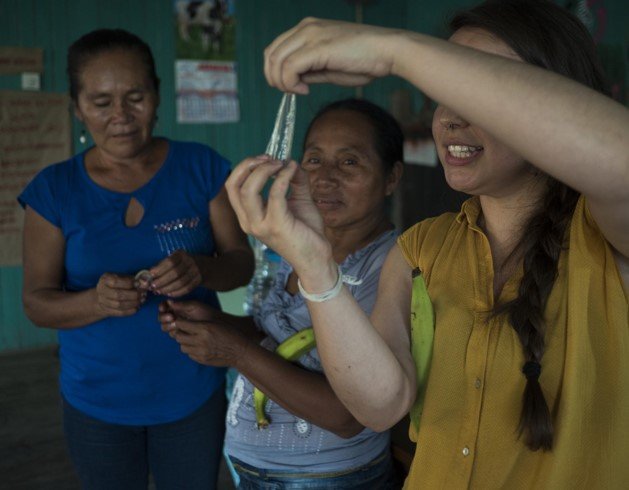
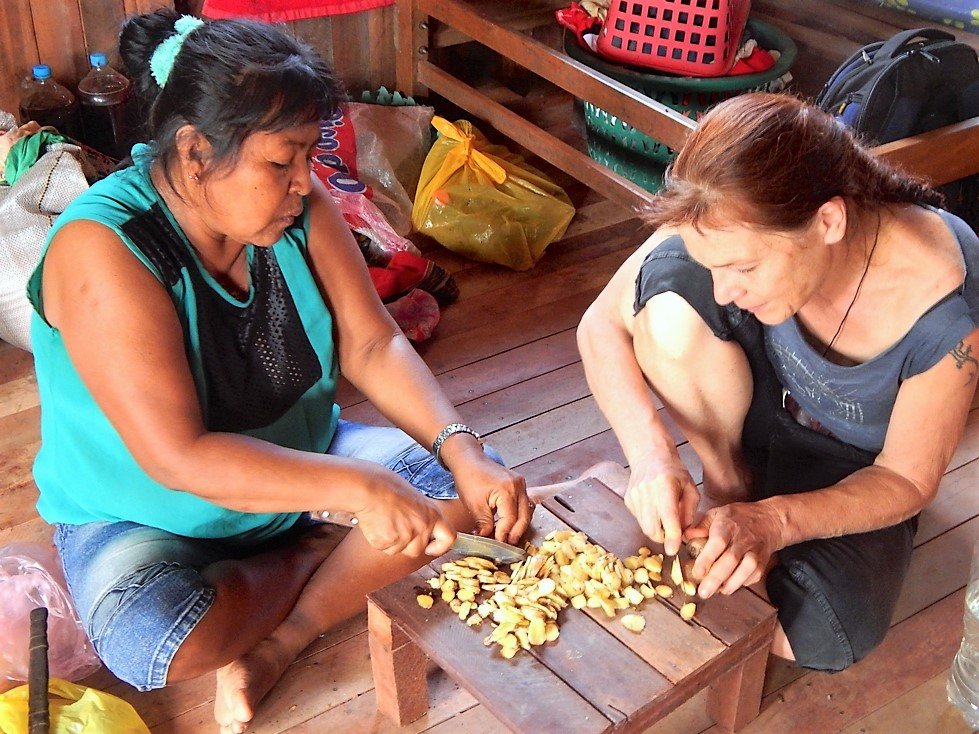
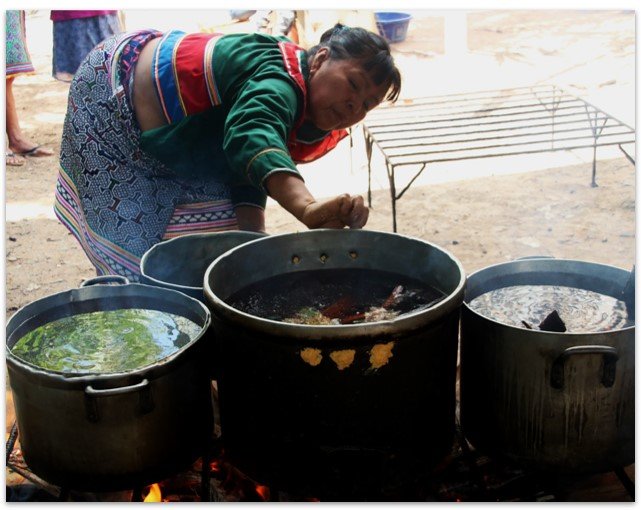
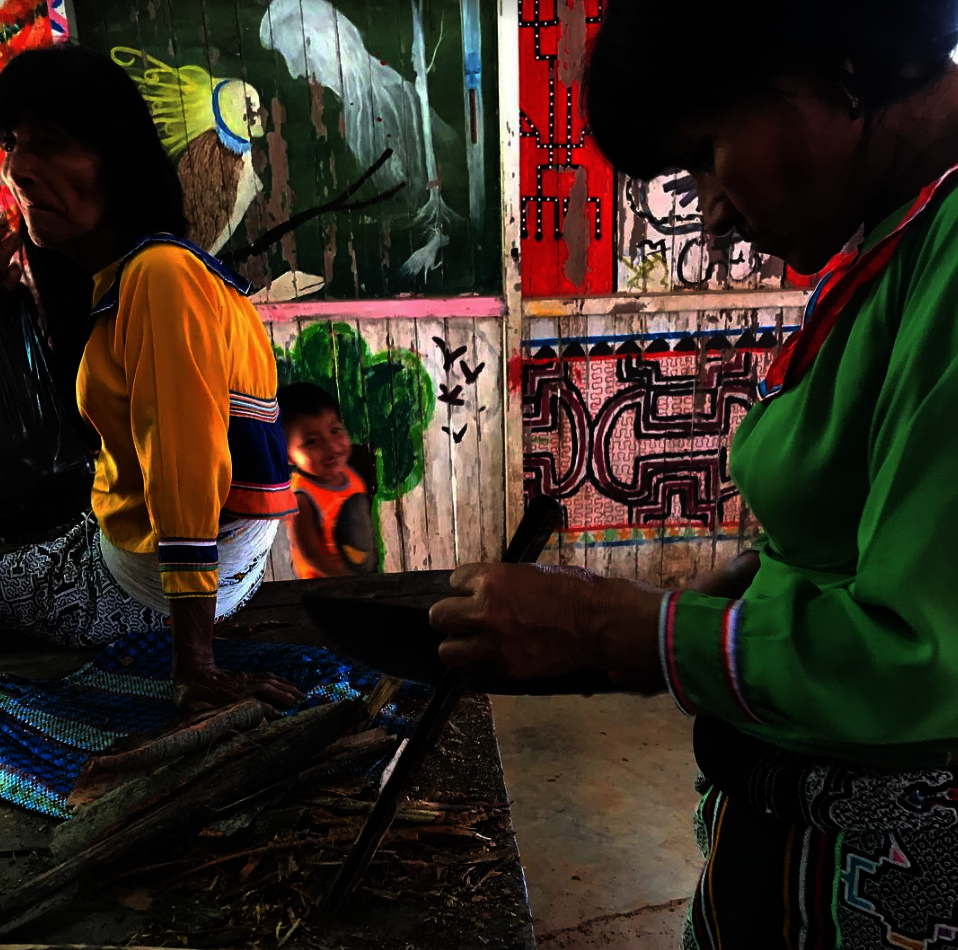
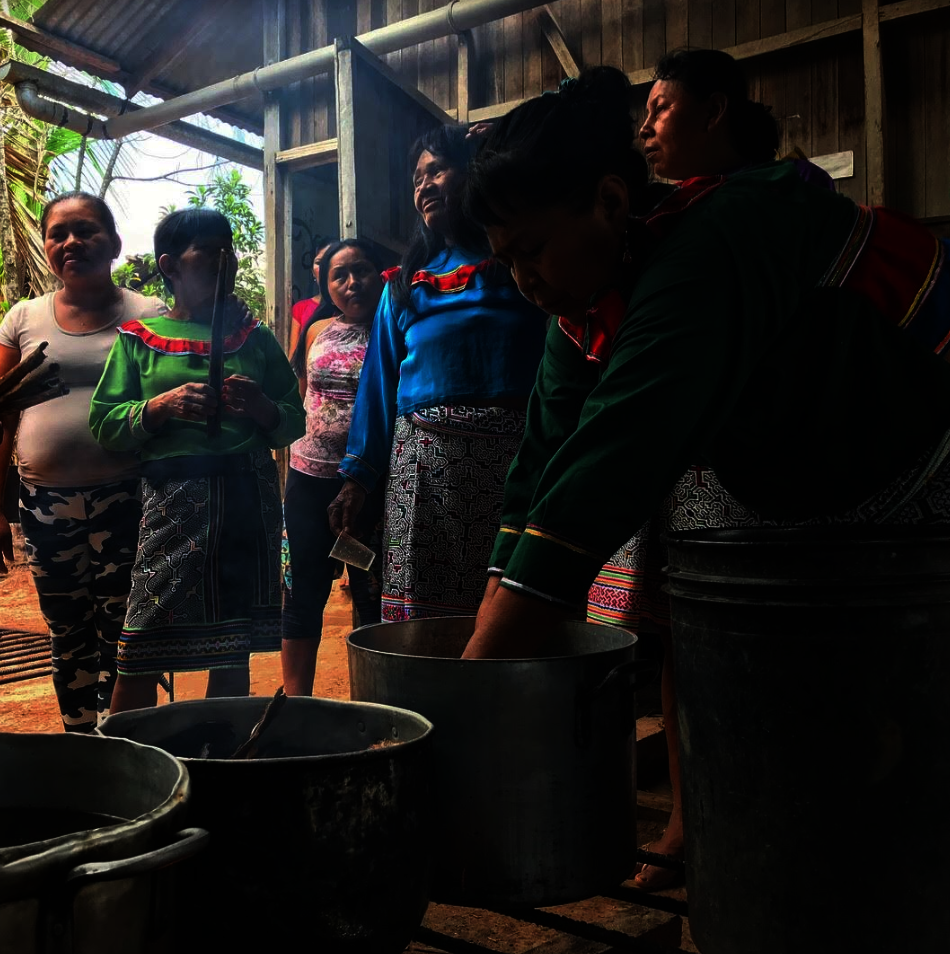
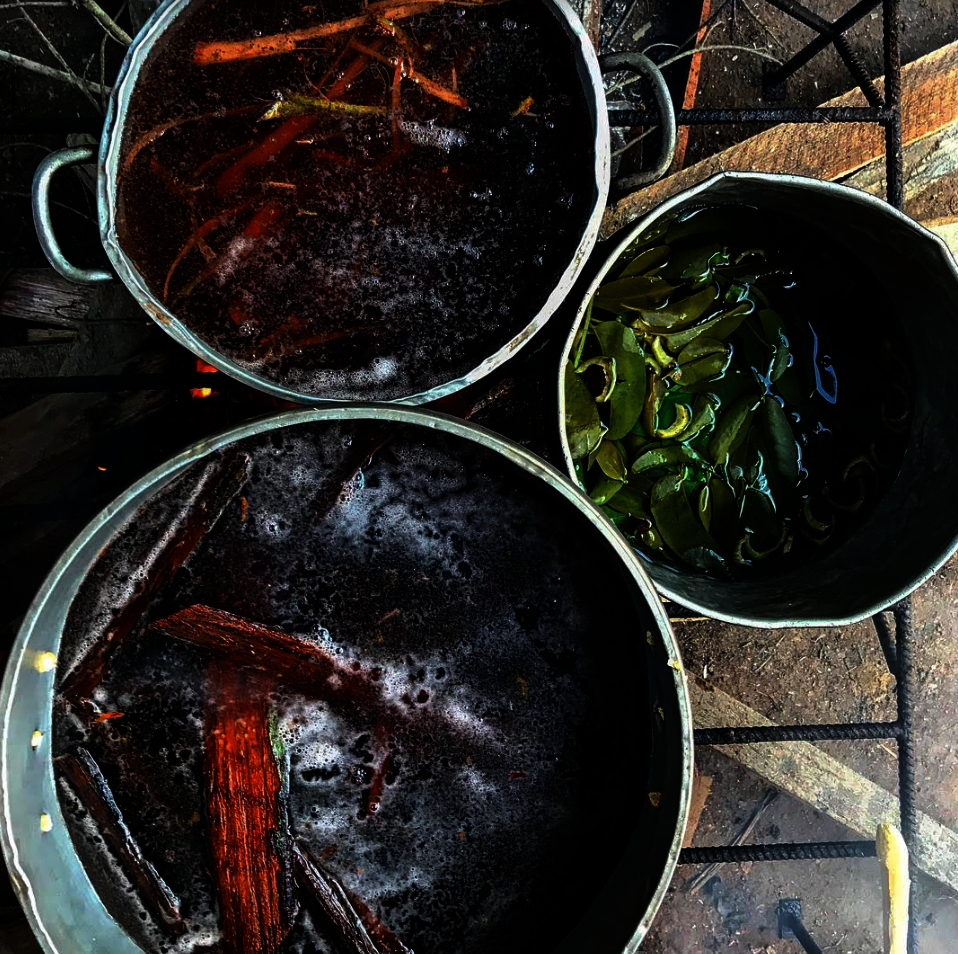
I watched as women used a machete to skin the bark of branches and skillfully peel at the plant. I was mesmerized by the boiling clear water turning red and dark with one of the plant barks – later, sipping on it, I could feel how powerful the brew was. The women also shared how to utilize these brews: typically, one could either prepare one version to drink it, or prepare another one to insert it directly up one’s vagina. It was powerful to see how this knowledge was shared amongst Shipibo women themselves, bridging gaps between urban and rural realities as well as generations. I felt privileged to be able to learn from them.
Women in urban regions tend to use less plant medicines than those in rural places. However, even if urbanization makes plant medicine less accessible, it is beautiful to see women show great interest in using plants for themselves, for they are convinced that these are highly effective treatments. Moreover, the under-resourced facilities and discrimination present in the state-run hospitals makes Shipibo women less willing to trust the healthcare system, which is why promoting proper use of plant medicinal knowledge, while bridging information about hospital treatment options and the navigation of the system, can be life-saving. It is our hope that this knowledge stays with them and continues to be passed on to enhance their health. Another way that we hope to share our knowledge while working on program sustainability, is through a gynecological care plant medicine workshop open to the public, which aims to raise funds for our programing and to provide income for mothers who can sell their medicines. We are also in the process of elaborating a zine which documents the plants and treatments. Overall, the workshop was a success and we look forward to continue working with the community of Bena Jema. We see great potential for the future, as we are beginning to build pilot model of integrative intercultural health practice in Shipibo communities.
Project reports on GlobalGiving are posted directly to globalgiving.org by Project Leaders as they are completed, generally every 3-4 months. To protect the integrity of these documents, GlobalGiving does not alter them; therefore you may find some language or formatting issues.
If you donate to this project or have donated to this project, you can receive an email when this project posts a report. You can also subscribe for reports without donating.