By Macarena Arias | Project Leader
Testing for Papanicolaou is very important, as it enables the doctor to diagnose any existent abnormalities in the cells of the cervix. If the abnormalities are not treated in time, they can cause different types of cancer.
Alianza Arkana (AA) was able to persuade the Public Health Authorities to carry out this Papanicolaou Campaign. The objective was to get all the women of the community to participate, in order to then be able to treat the women prone to cervical cancer.This goal has been achieved, due to the great work of the organizers, who convinced a large number of women to undergo the Papanicolaou test.
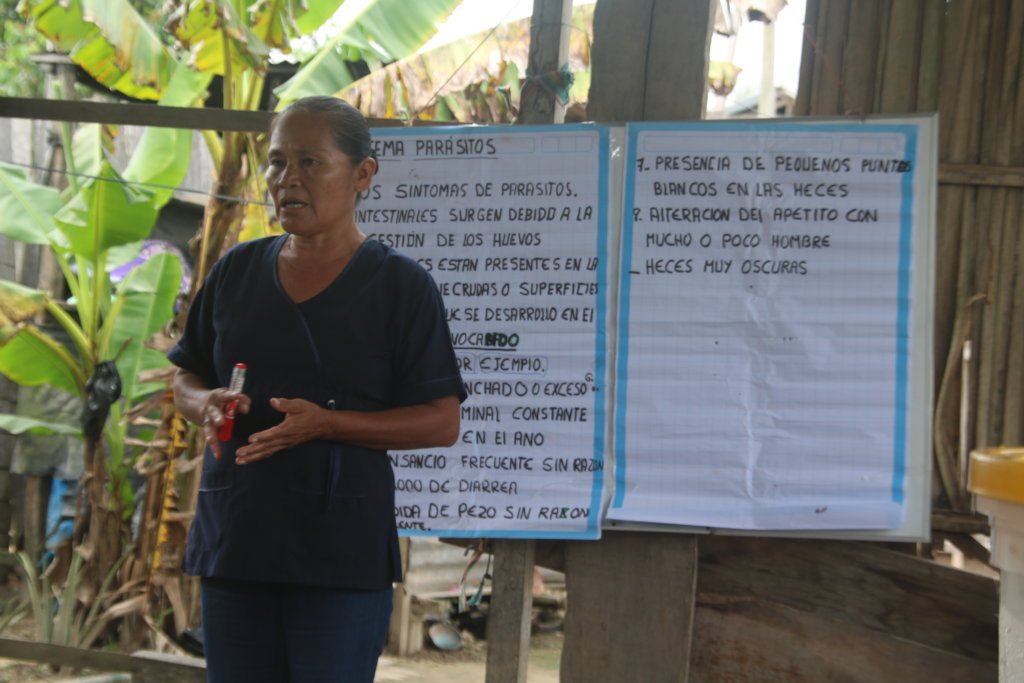
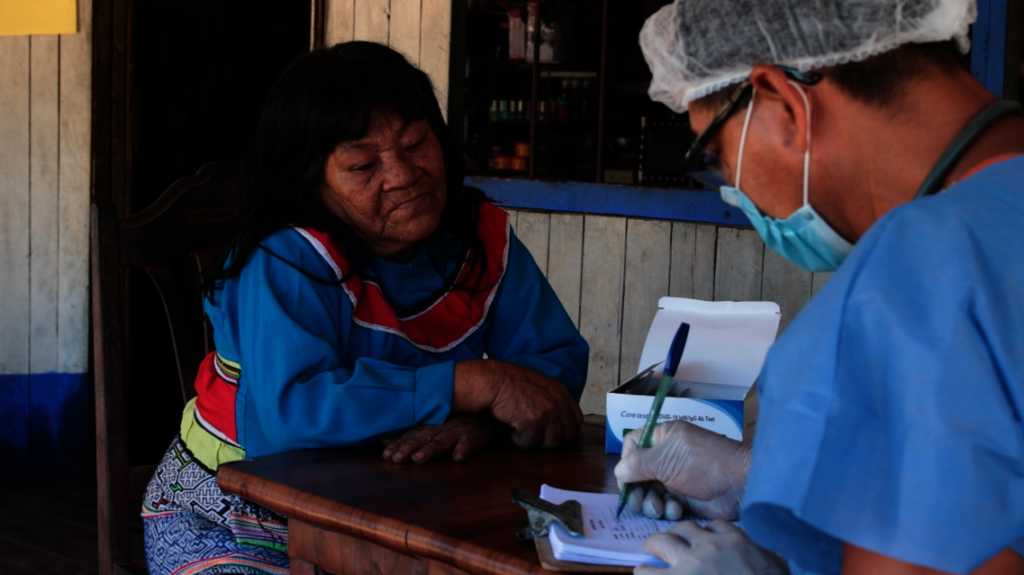
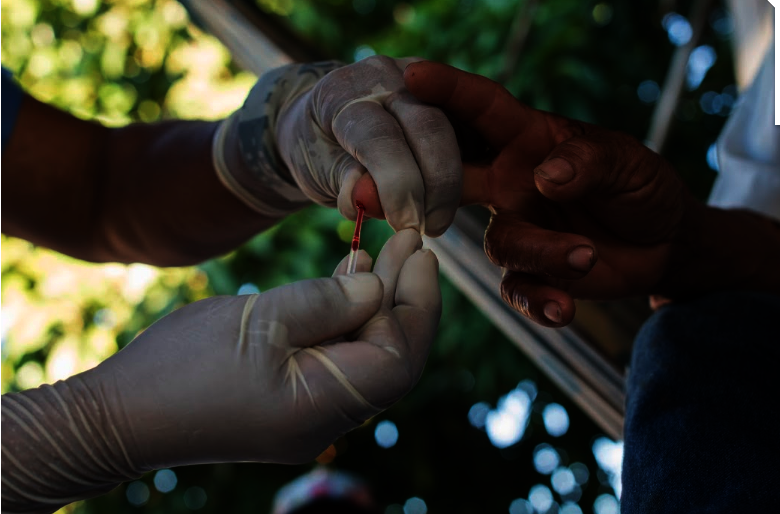
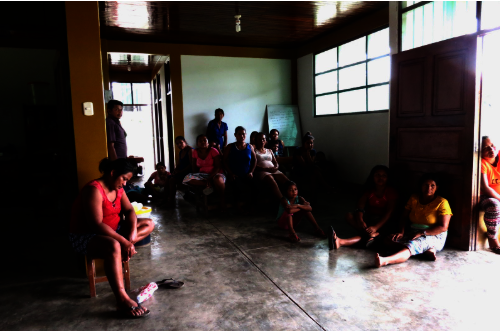
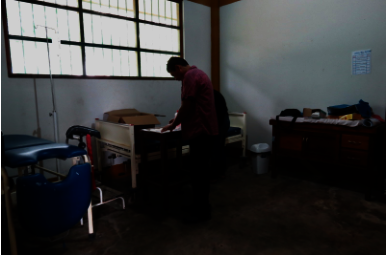
The campaign began on Sunday the 11th of November, at 8:30 in the morning, in the medical post of the Paoyhan Community. An obstetrician from the community of Tiruntán carried out the tests in collaboration with Silveria, a Shipibo nurse from Alianza Arkana. Meanwhile, Alianza Arkana organized the preparation of the meals for the involved community members, as well as the transport of the obstetrician from Tiruntán to Paoyhan. I was supporting the organizational part of the campaign and I was present to answer the participants’ questions.
The women of the community arrived little by little to the medical post during the morning. Usually not many women participate in medical campaigns due to the lack of confidence in the health system, the fear of having an illness or for cultural reasons (relating to machismo for example). Despite this, we are happy to say that there were approximately 35 women participating - exceeding the number of participants from past campaigns. The women were mostly between 18 and 52 years old.
Many women appeared relieved to have taken the test, although a few left with worried faces. The obstetrician was able to diagnose several women with infections and wounds in the vaginal area. Two of them had to be medicated immediately. The obstetrician suggested, on his own initiative, to carry out a Syphilis and HIV campaign as soon as possible.
After the campaign, at 12:30, we had lunch with the promoters and other community members. Now it is necessary to wait for the results of the tests, which will be sent to Iquitos or Contamana. According to the obstetrician, the results will be delivered in approximately 20 days - although past experience with the laboratories has demonstrated that the waiting time may exceed the 20 days. For example, the results for the campaign held in Bena Jema were delivered 6 to 7 months after the campaign, despite our persistent communication with the hospital. The consequence of this delay is that in that lapse of time the disease or infection can get worse.
Unfortunately, the health system in Peru is inefficient and corrupt. The doctors' salary is very low, to the point that the nurses of the communities are often on strike and the ill are only attended to in cases of emergencies. This leads to low medical care in hospitals or medical posts and impedes the efficiency of medical campaigns.
Despite all the organizational complications, AA is pleased with the outcome of this campaign as there were a high number of participants. Once the diagnoses have been delivered, it will be important to support the women in need of treatment, answering their questions and accompanying them to the hospital so they can undergo treatment.
Project reports on GlobalGiving are posted directly to globalgiving.org by Project Leaders as they are completed, generally every 3-4 months. To protect the integrity of these documents, GlobalGiving does not alter them; therefore you may find some language or formatting issues.
If you donate to this project or have donated to this project, you can receive an email when this project posts a report. You can also subscribe for reports without donating.