By Jessica Northridge | Program Coordinator
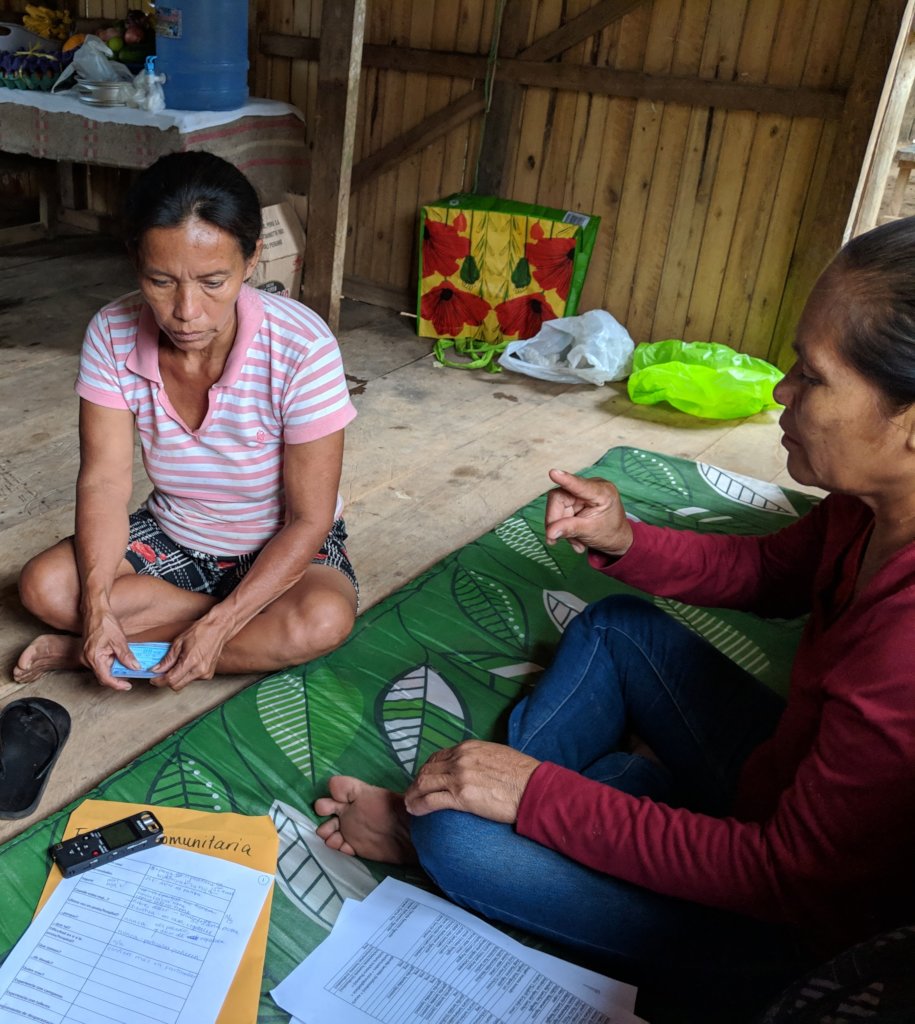
The past three months have been filled with many new initiatives for our Intercultural Health team. We are very excited to announce that we began a training course for Shipibo students in health professional tracks. This month-long course is entitled "Intercultural Strategies for Community Health." Additionally, we have continued our work in the community of Santa Clara, completing a household survey and focusing on parasite prevention following our most recent health campaign.
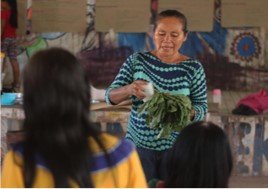
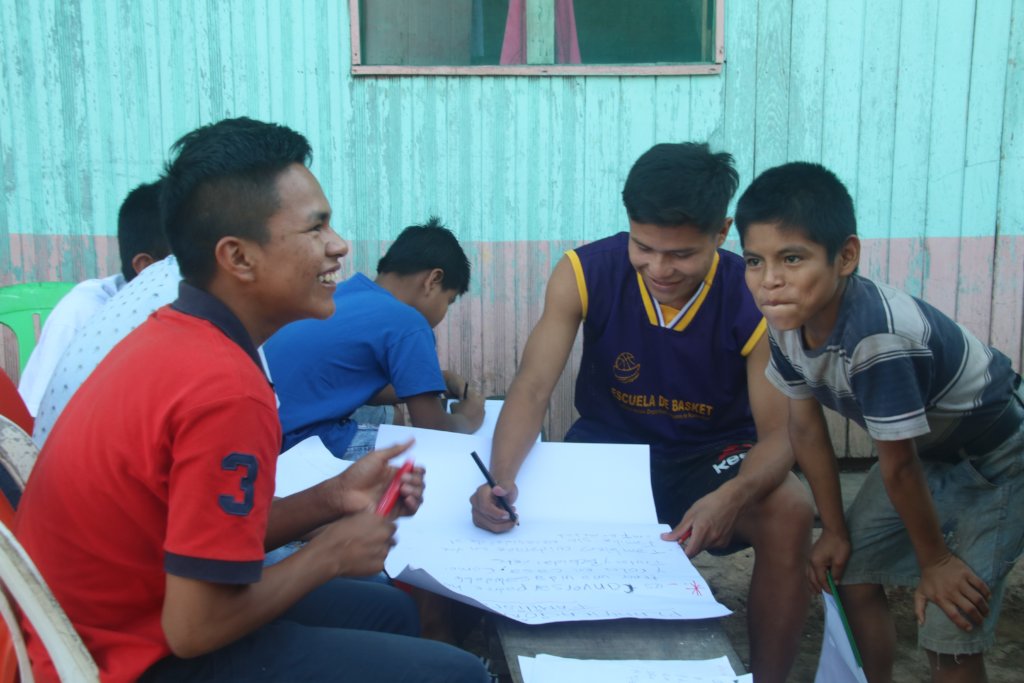
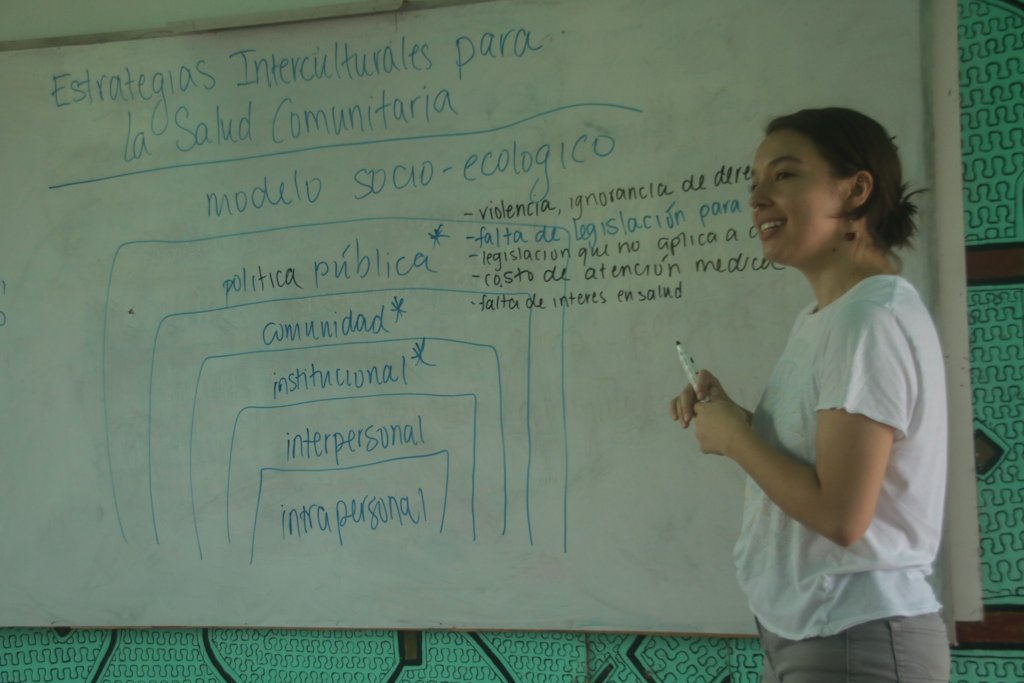
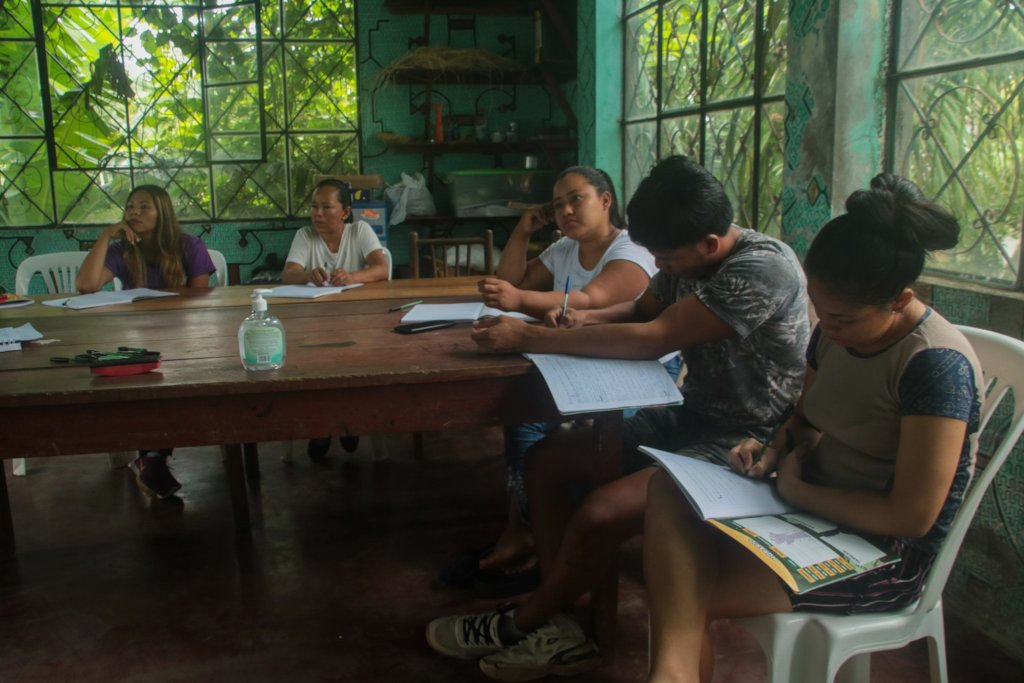
Training course for Shipibo students of health professions
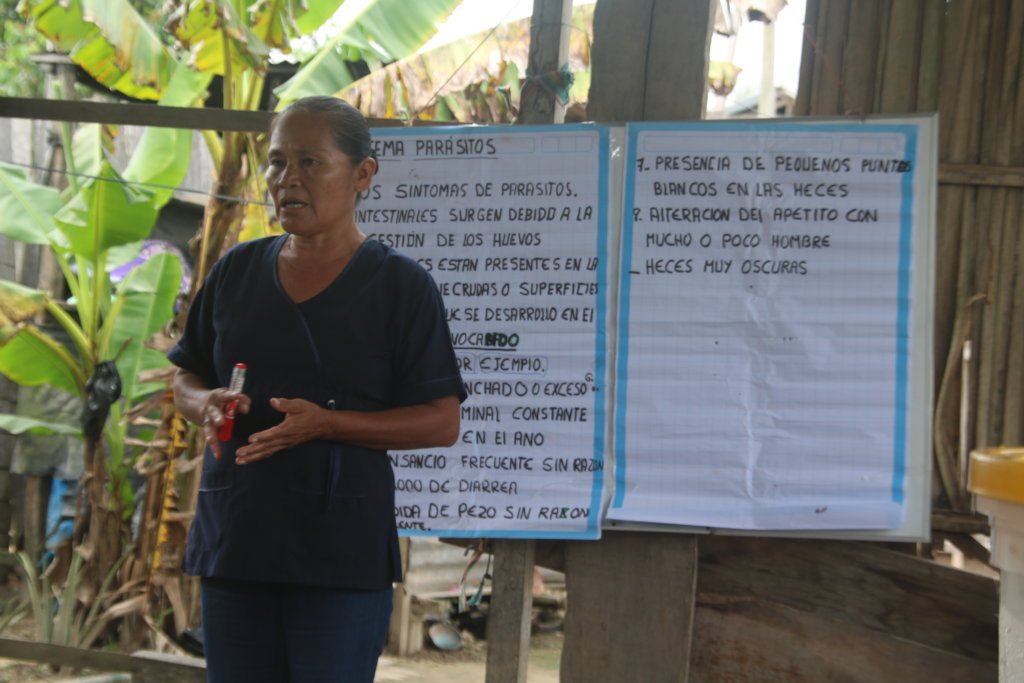
During the month of November, we are offering a course for Shipibo students currently enrolled in a health professional track. The aim of the course is to review in detail specific diseases that are particularly relevant to Shipibo communities, while introducing public health topics and research methodology. Throughout our classes, we aim to develop community-based strategies which would better serve Shipibo communities in procuring their health and well-being. We have an impressive group of 5 nursing and 3 pharmacy students that are committed to learning and teaching one another. It has been a great experience so far!
Fostering community health in Santa Clara
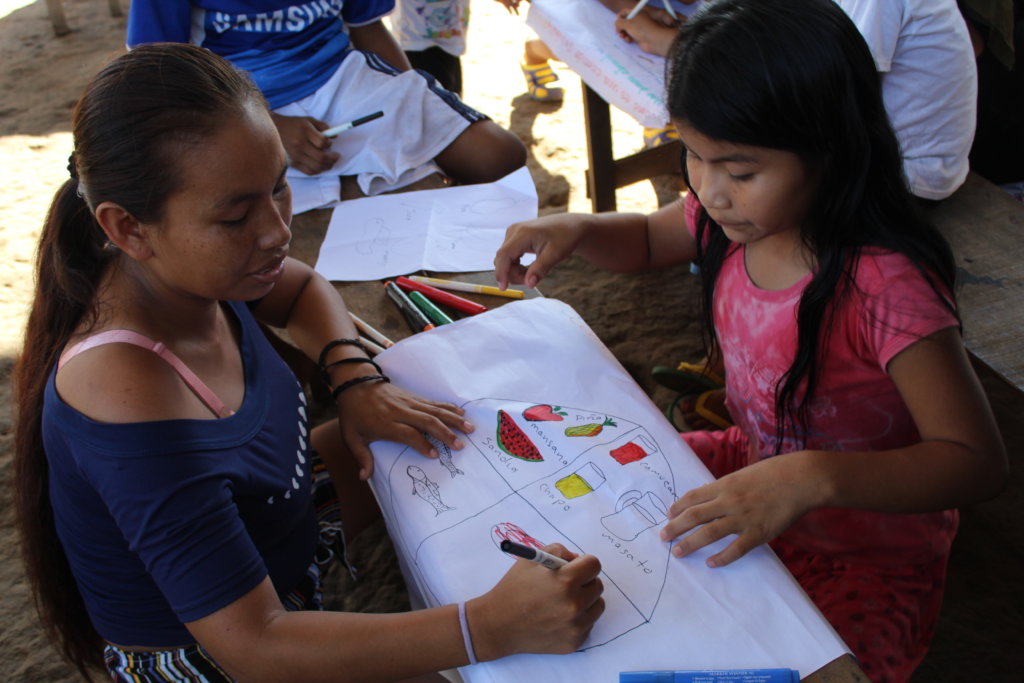
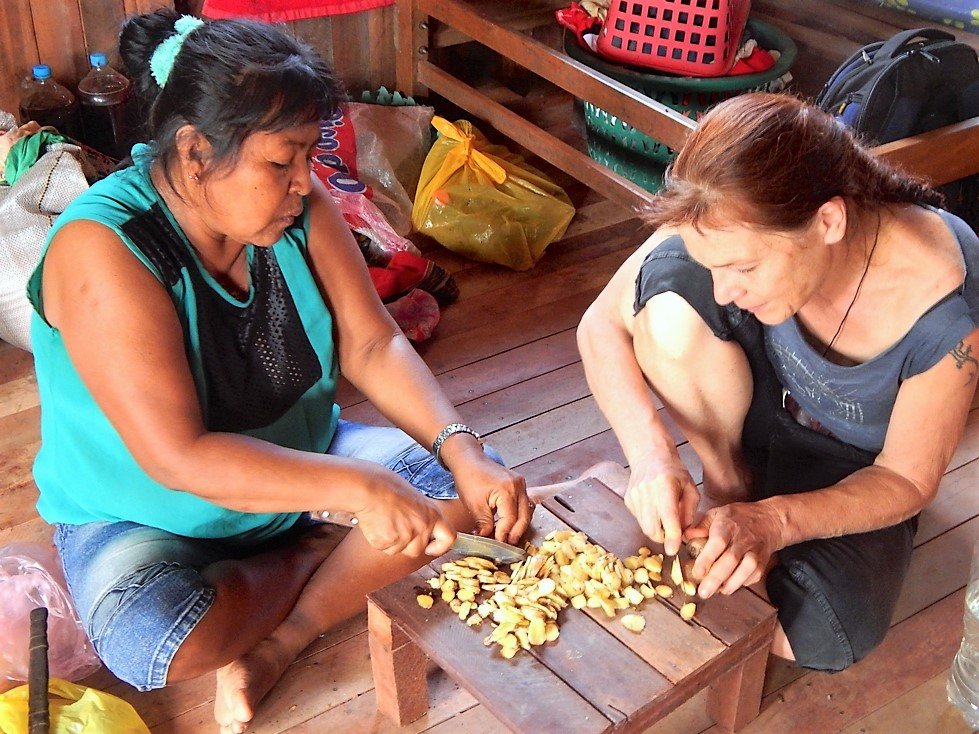
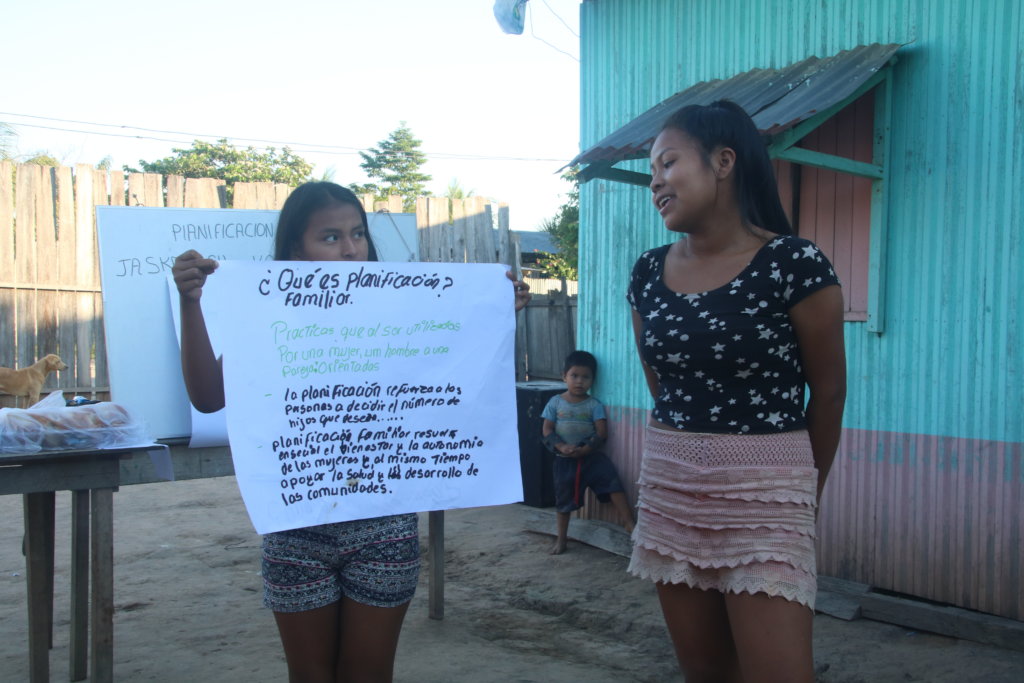
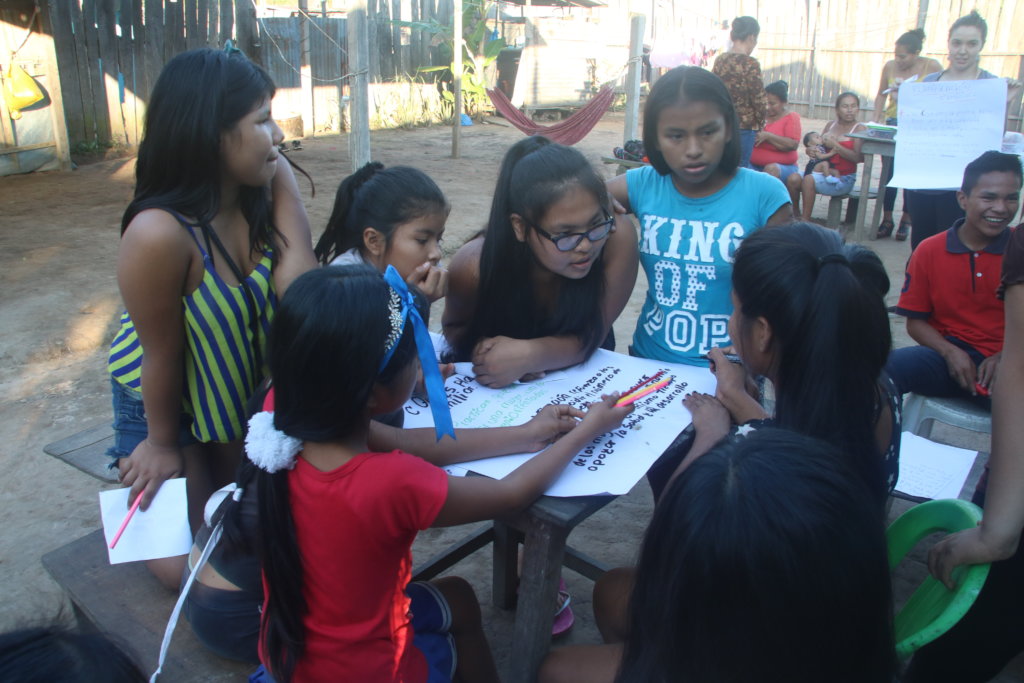
Our Intercultural Health Program was established following requests from women in communities for educational workshops on sexual and reproductive health. Once in communities, we gained a further understanding of the health issues faced. Anemia, for example, is a persistent challenge among our community partners, especially for children. One of the major drivers of high rates of childhood anemia, aside from deficient nutrition, is chronic gastrointestinal infections due to parasites. For this reason, we added water, sanitation, and hygiene (WASH) components to our program as well as anti-parasite health campaigns.
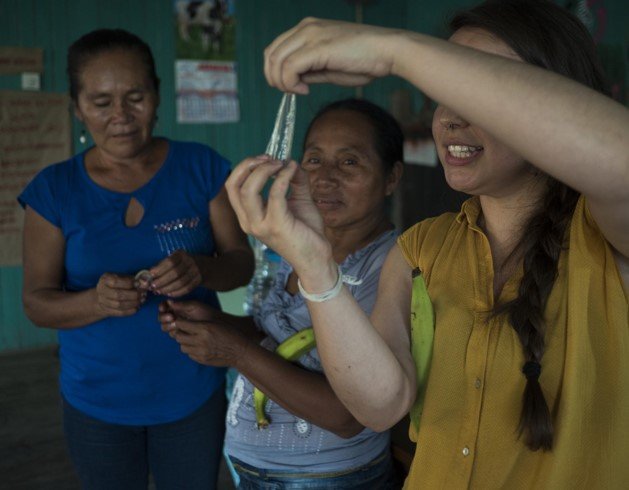
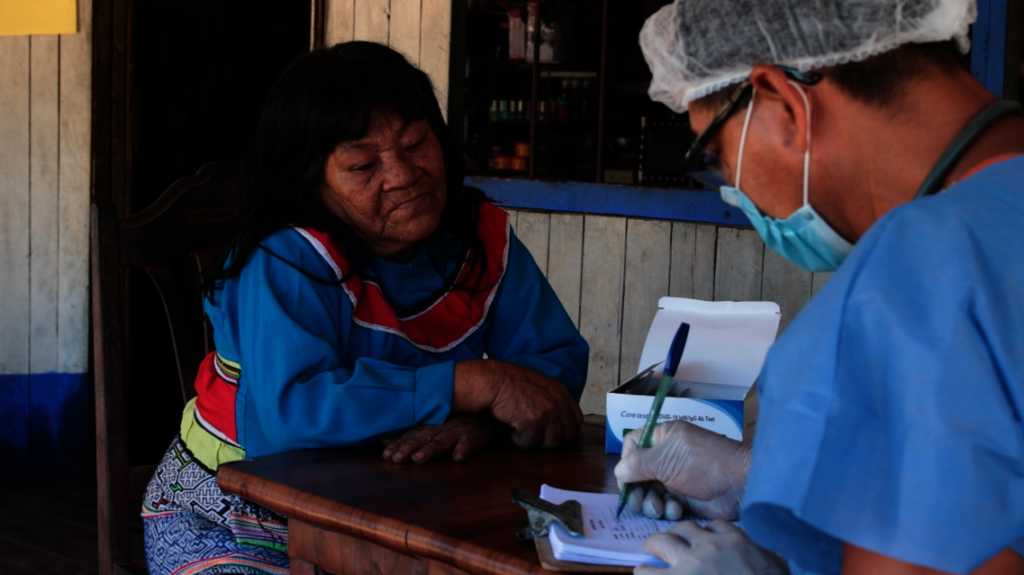
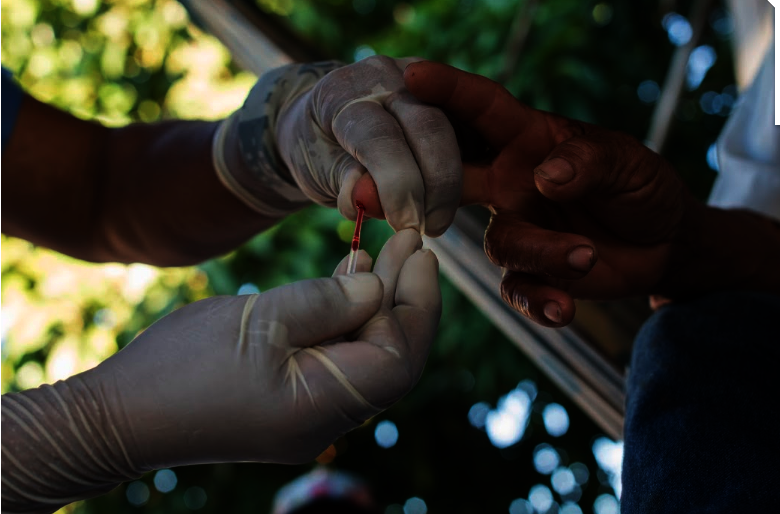
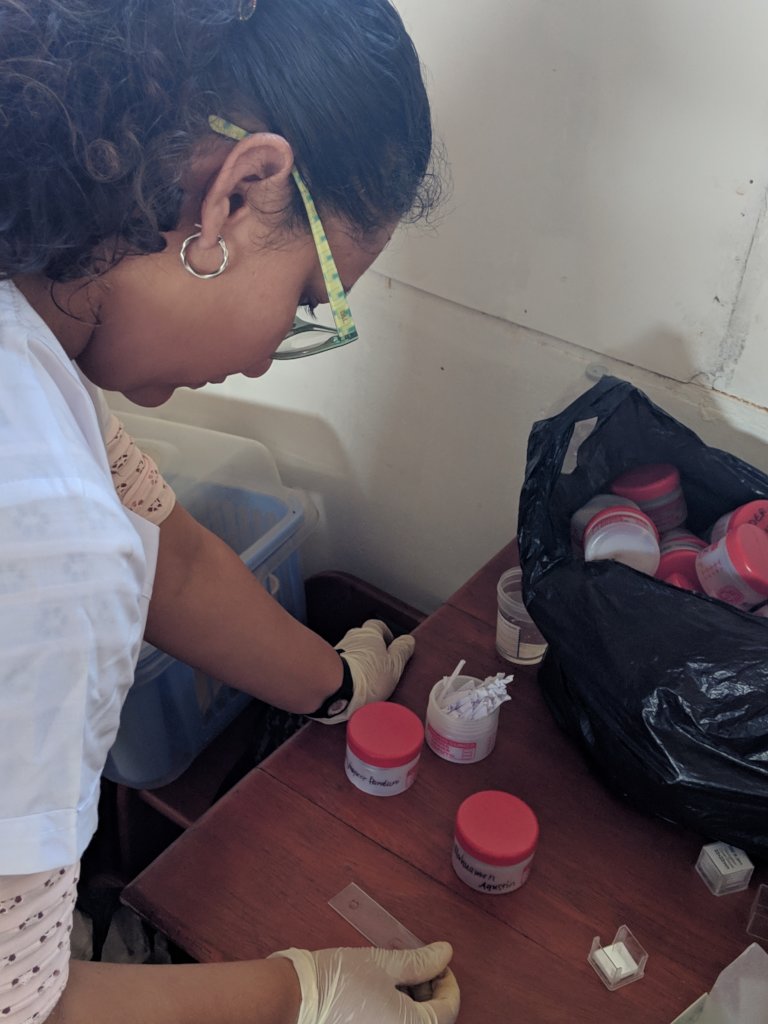
Our first activity in our partner community Santa Clara was a deworming and anti-parasite campaign. Approximately half of the community participated, which reflected major interest in receiving care. Among the participants aged 1 to 79 years, about 37% tested positive and received treatment for parasite infections (53 out of a total 142). Further, 13% of those with infections suffered from 2 or more different kinds of infections simultaneously (7 out of a total 53). This data confirmed that parasite infections are a serious health issue for the community, and careful follow-up was completed to ensure participants received the full doses of their treatments. To finish the year, we will implement a parasite prevention workshop and yet another anti-parasite campaign.
Next year, we will use our findings from a community-wide household survey we conducted in September to inform future activities. Stay tuned for what is to come!
Alianza Arkana is an indigenous-led non-profit organization working with Shipibo-Konibo communities in the Ucayali region of the Peruvian Amazon. Our Intercultural Health Program works to address health issues in urban and remote communities through a series of educational workshops, health campaigns that bridge access to government resources, and community-based action. For more information, follow Alianza Arkana on Facebook and Instagram, visit our website, and contact us at salud@alianzaarkana.org.
Project reports on GlobalGiving are posted directly to globalgiving.org by Project Leaders as they are completed, generally every 3-4 months. To protect the integrity of these documents, GlobalGiving does not alter them; therefore you may find some language or formatting issues.
If you donate to this project or have donated to this project, you can receive an email when this project posts a report. You can also subscribe for reports without donating.