By Charles Olupot | Director
Malaria facts!
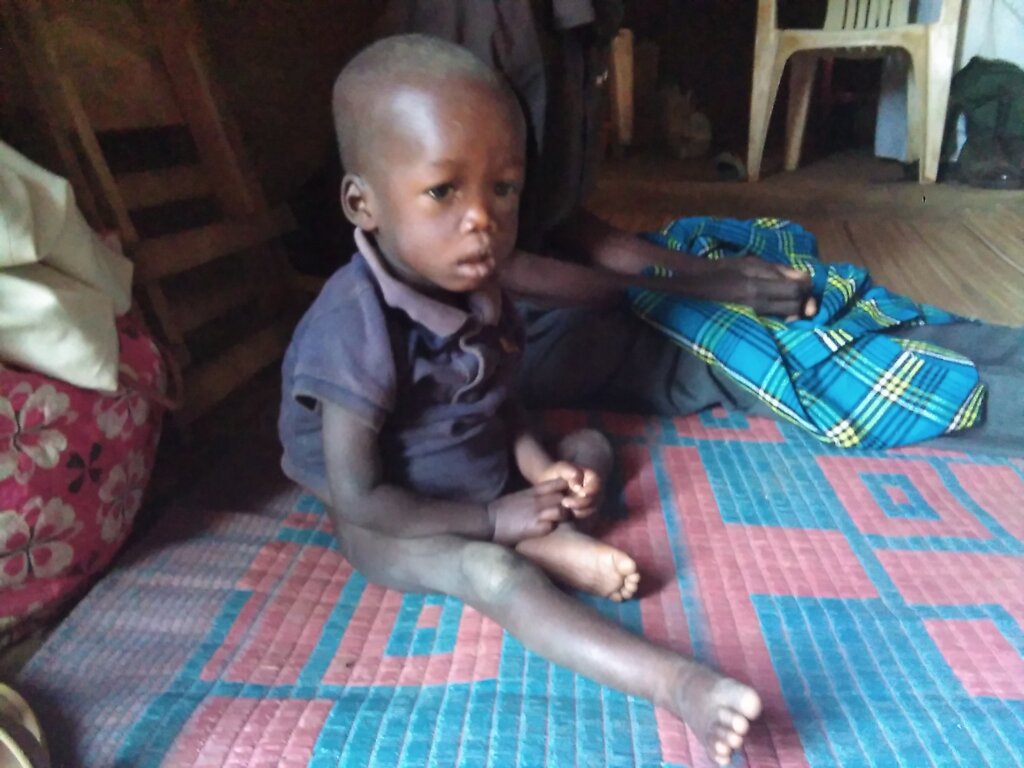
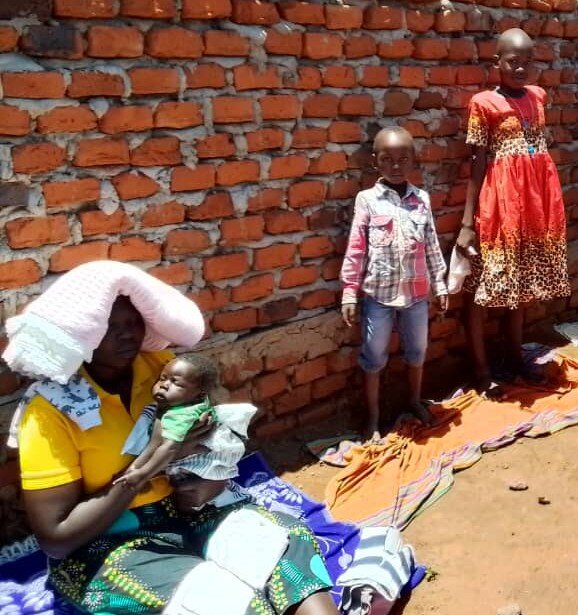
Uganda remains a high-burden malaria country, with its entire population of 45.5 million at risk of being infected with malaria. Vulnerable groups include pregnant women and children under five, with the highest transmission areas being Kumi in eastern, karamoja and acholi in northern Uganda.
As of 2023, Uganda had the 3rd highest global burden of malaria cases (4.8%) and the 8th highest level of deaths (2.7%). It also had the highest proportion of malaria cases in East and Southern Africa, accounting for 20% in 2023.
Between 2022 and 2023, the estimated number of malaria cases decreased by 3.5% from 268 to 258 per 1000 of the population at risk, while deaths fell 11.8% from 0.37 to 0.33 per 1000 of the population at risk over the same period.
There is stable, perennial malaria transmission in 95% of the country, with Anopheles gambiae and An. funestus being the most common malaria vectors. [4]
Aparis Village Malaria reduction -2026 aims to reduce malaria infections by 50 percent, morbidity by 50 percent, and mortality by 75 percent by 2025. The Plan aims to achieve these goals through stratification to ensure appropriate tailoring of intervention mixes for the various epidemiologic contexts, universal coverage of services (including in the private sector), robust data management, social and behavioural change, multisectoral collaboration, and malaria elimination in Kumi district.
Although the entire population is at various levels of risk, marginalised populations are confronted with economic, social, and contextual challenges and barriers that may limit their access to malaria prevention, treatment, and control programmes. These populations include vulnerable and underserved populations such as:
Children under five years and pregnant women
People living with HIV
People with disabilities
Inmates and other detainees
People in closed/congregate settings
Migrant and mobile populations
Internally displaced populations
Refugees and asylum seekers
Older persons
People affected by ethnic, geographical or cultural barriers.
To address the human rights barriers, our organization has developed a comprehensive strategy document aimed at a malaria-free Aparis Village through protecting human rights, achieving gender equality, and improving health equity for all Ugandans in all their diversity – The plan is entitled: “Leaving no one behind:
Malaria transmission
Plasmodium falciparum accounts for 97% of infections; both P. vivax and P. ovale are rare and do not exceed 2% of malaria cases in the country.
Aparis Community Kumi Uganda experiences two malaria transmission types: stable, perennial malaria transmission which exists in 90–95% of the country, and low, unstable transmission with potential for epidemics in 5-10% of the country.
Transmission peaks are aligned with the two annual rainy seasons, which take place from March to May and from September to November.
To guide the deployment of interventions, the country has been stratified into three strata, based on epidemiologic, entomologic and socio-behavioral characteristics:
Case management
For severe malaria, intravenous or intramuscular artesunate is the recommended treatment for all adults and children. When artesunate is not available, parenteral artemether or quinine can be used. Once a patient is able to tolerate oral medication, and after at least 24 hours of parenteral therapy, treatment should be completed with a full course of an oral first-line artemisinin combination therapy (ACT).
For pre-referral intervention before transfer to an appropriate level of care, a single intramuscular dose of artesunate, intramuscular artemether, or intramuscular quinine can be used. At the community and lower-level health facilities, or where injections are not available, a single dose of rectal artesunate can be used as pre-referral intervention for children under six years of age only.
Malaria in pregnancy
Our organization has adopted the WHO guidelines for Intermittent preventive treatment in pregnancy (IPTp), which includes a treatment dose of sulfadoxine-pyrimethamine (SP) for HIV negative women at each scheduled antenatal care (ANC) visit starting at 13 weeks gestational age, with a minimum of four weeks between doses, and a recommended minimum of three doses (IPTp3). SP is recommended to be administered as directly observed therapy (DOT).
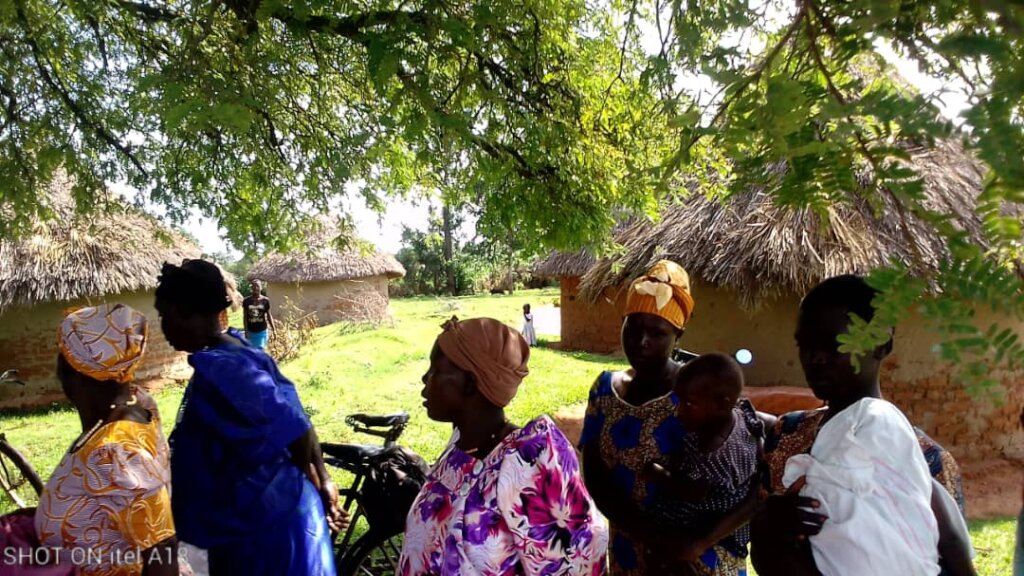
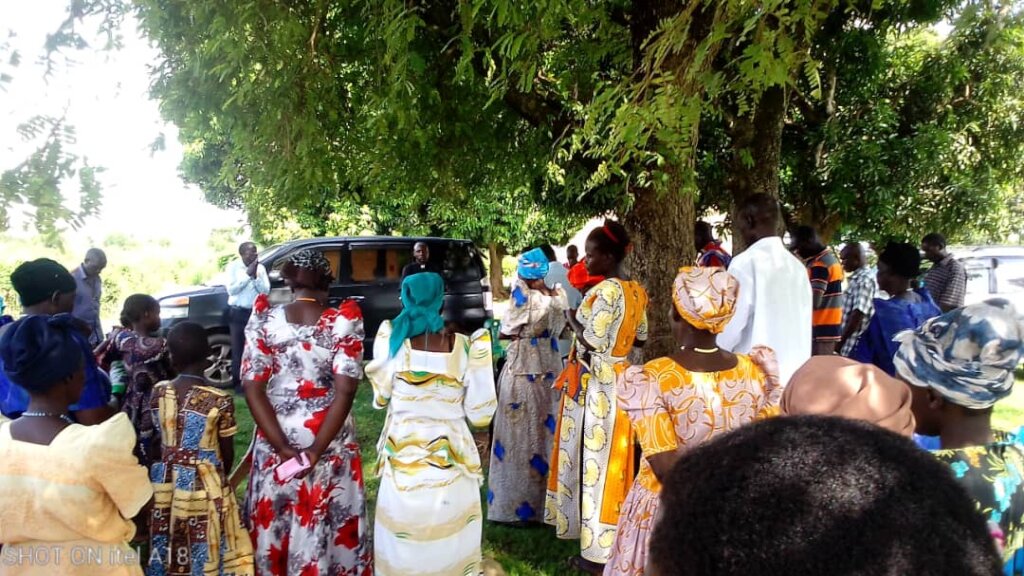
Field Report! Visit to government health care facilities!
Between 2019 and 2022, the proportion of pregnant women who received three or more doses increased from 40% to 62% which is below the coverage goal in the UMRESP 2021–2026 for MIP of at least 85 percent of all pregnant women.
Over the same period, there was a slight increase in the use of mosquito nets by pregnant women (64% in 2016, 65% in 2018).
Seasonal Malaria Chemoprevention
The National Malaria Control Division (NMCD), in collaboration with Malaria Consortium and funded by the Bill & Melinda Gates Foundation, conducted a pilot SMC project consisting of five cycles among children aged 3–59 months in two districts from May to September 2021. This was increased to eight districts in 2022 and then nine in 2023 from May and ended in September. About 277,000 children were targeted. The coverage rate for 2023 was 86.6%.
The primary challenge encountered was the considerable cost of providing SMC. To address this issue, SMC is now conducted over three days instead of four, the number of supervisors has been reduced, and stocks are delivered for the entire round instead of by cycles.
Aparis Community Development Program is committed to further engaging with districts to boost their contribution to SMC and will persist in innovating to identify additional avenues for decreasing the cost of SMC.
Insecticide-treated nets
ITN use by children increased from 33% in 2009 to 60 % in 2018–2019. The use of ITNs by pregnant women increased from 44% in 2009 to 65% in 2018–2019. However, between 2016 and 2018–2019, there was a slight decline in ITN use among children under five years of age over the same period
Gender disparities
Gender-based disparities and social customs have created hurdles to accessing malaria-related services. A key example of this is that health-seeking decisions are often taken by male family heads and this could lead to delays in seeking treatment. In addition, there are instances where only men are sleeping under ITNs at the expense of children or pregnant women. Steps to tackle these challenges include the attainment and maintenance of universal coverage of bed nets. [6]
Survey data also reveals that severe anaemia (mostly due to malaria) continues to be a public health problem in Uganda. For severe malaria in pregnancy, intravenous artesunate is recommended as the first-line treatment, and quinine as the alternative.
All malaria in pregnancy cases are noted in antenatal care registers and reported in health management information system platforms such as District Health and Information Systems databases.[3] The Integrated Management of Malaria curriculum includes management of uncomplicated and severe malaria, management of malaria in pregnancy, and parasite-based diagnosis with rapid diagnostic tests or microscopy, including how to manage a patient with fever and a negative rapid diagnostic test (RDT) or microscopy result.
Project reports on GlobalGiving are posted directly to globalgiving.org by Project Leaders as they are completed, generally every 3-4 months. To protect the integrity of these documents, GlobalGiving does not alter them; therefore you may find some language or formatting issues.
If you donate to this project or have donated to this project, you can receive an email when this project posts a report. You can also subscribe for reports without donating.



Support this important cause by creating a personalized fundraising page.
Start a Fundraiser