By Sarah Kerremans | Project Leader
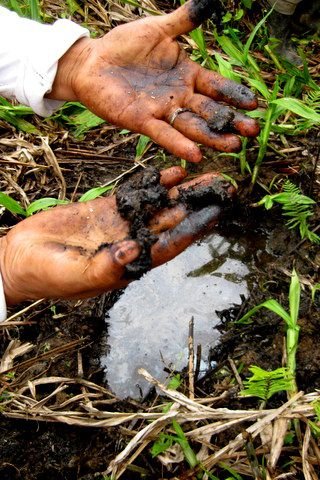
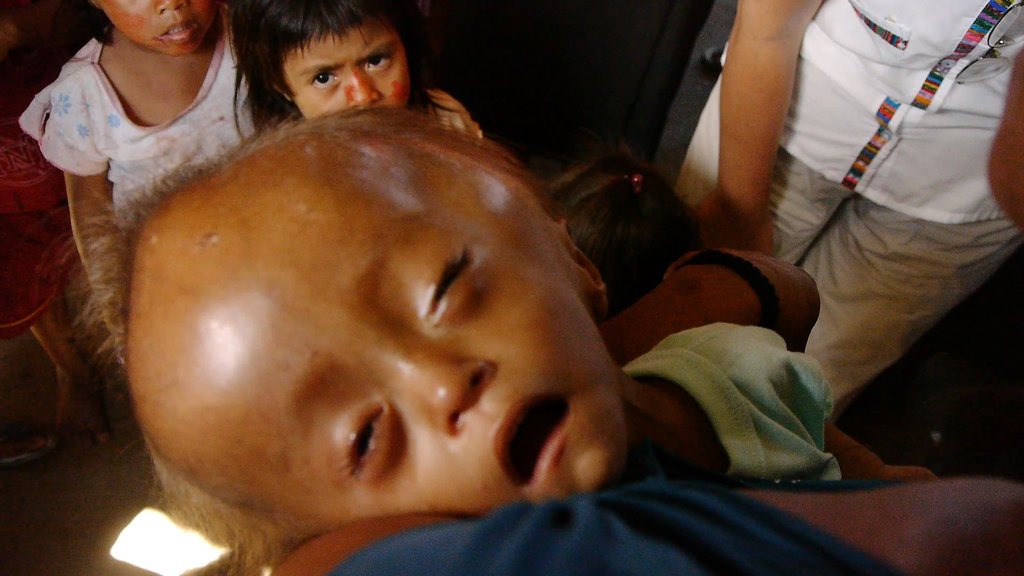
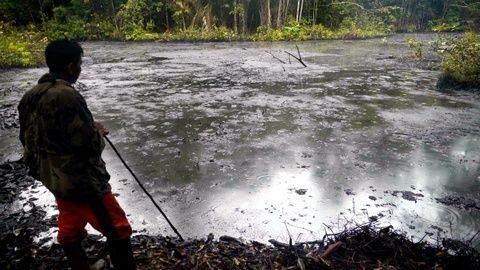
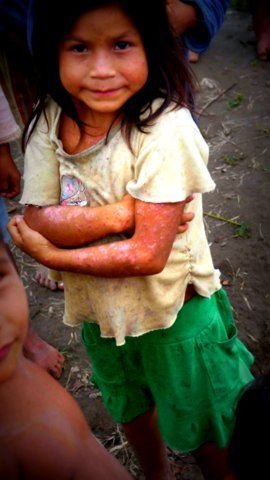
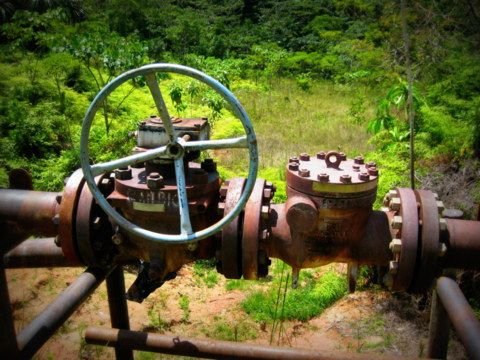
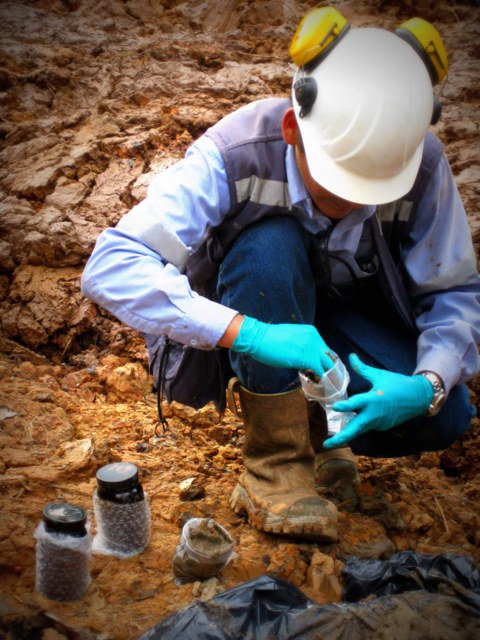
After the declaration of an environmental emergency in March 2013 and the declaration of a health emergency in April 2014 in the Pastaza river, the Peruvian government installed in May 2014 a Multisectorial Commission for Development, as a dialogue mechanism between the State and indigenous peoples to find solutions for the damages caused by more than 43 years of oil pollution in Pastaza.
However, eight months after the installation of that Commission, and after numerous meetings, no solution has been found. During the last official meeting in November, the Prime Minister’s High representative admitted that it is not a matter of legal nor technical answers, it all depends on political will. He made the promise that during a meeting at the end of November, that is before the International Conference on Climate change would take place in Lima, answers would be given by the Prime Minister himself.
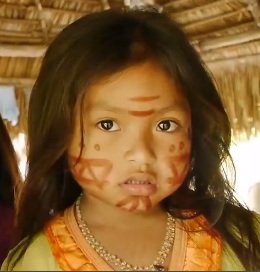
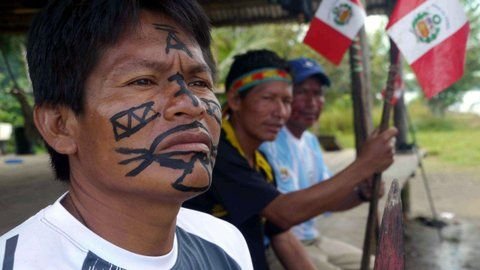
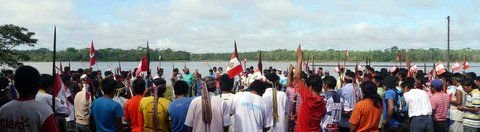
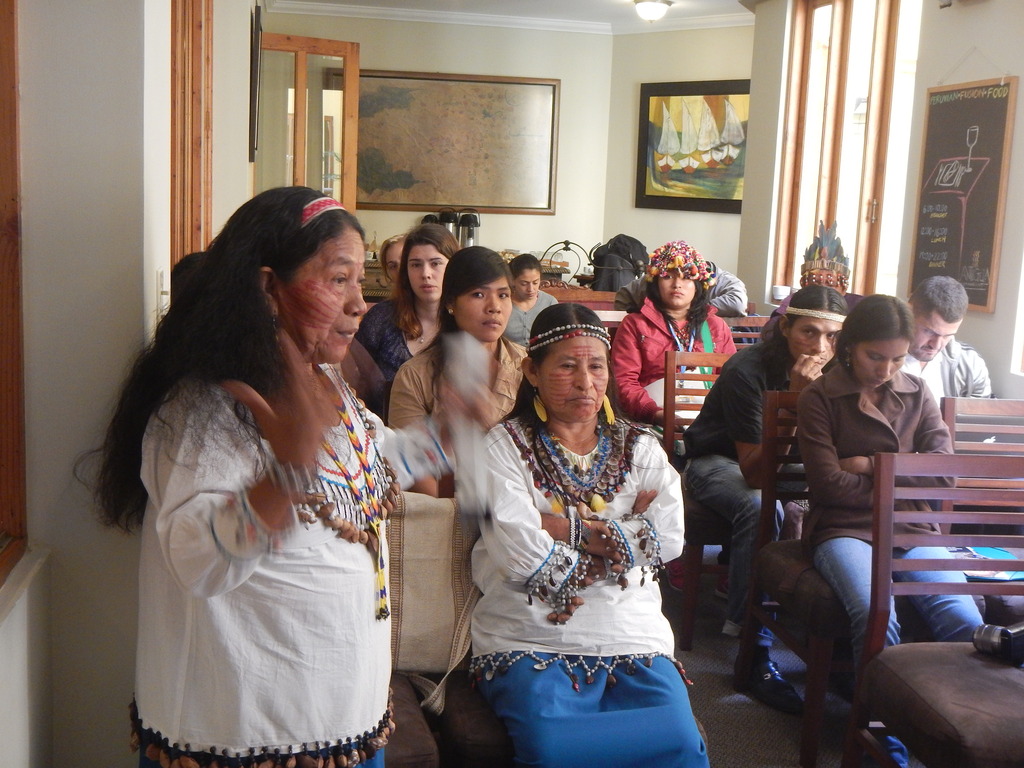
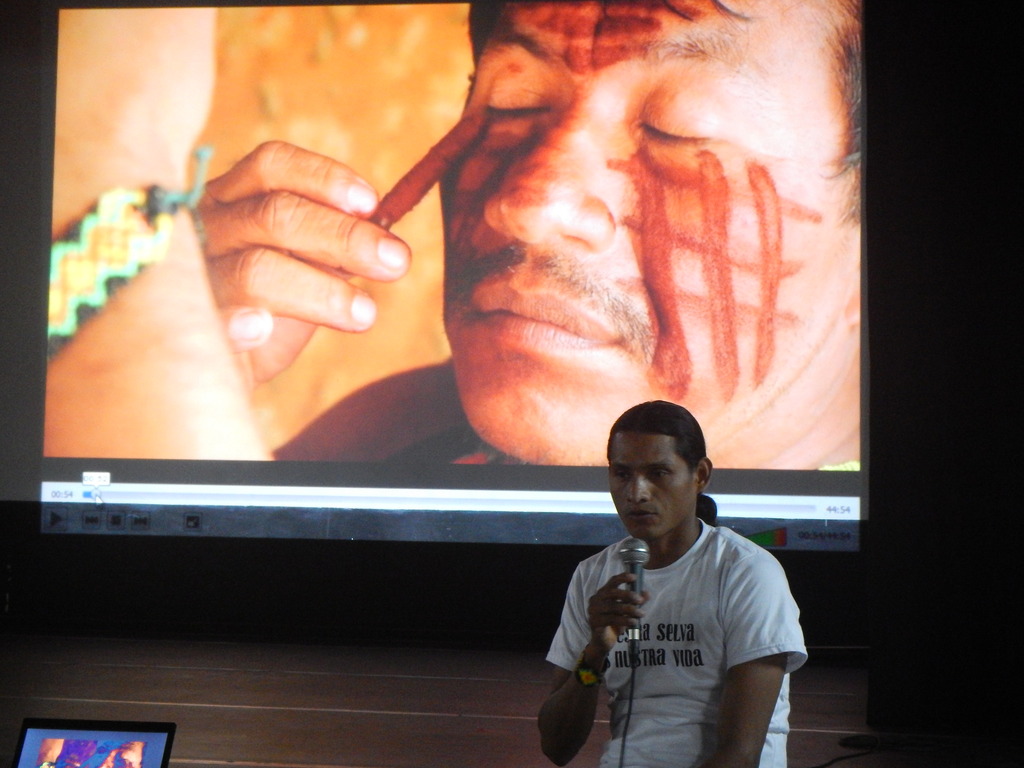
None of that happened and during the Climate change conference the Peruvian government kept in silence the suffering of its peoples. Although the federation FEDIQUEP together with woman leaders and its environmental monitors tried very hard to denounce the situation on the international scene, by presenting and sharing the Pastaza movie on different occasions, little attention was paid to it on an official level. However new alliances were woven with social movements from Peru, Ecuador and across the world, and the Quechua women returned home obviously inspired and strengthened by the many women’s movements they met. The internationally recognized ethic Tribunal for the Rights Of Nature accepted the case of the polluted river basins of Loreto as a case of severe violation of the rights of nature and assigned it a special hearing in Peru in the very near future.
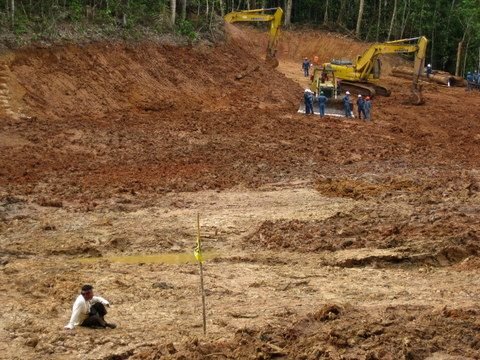
The situation for the people of Pastaza is concerning. And there is more: PeruPetro, the company that promotes oil and mining inversion in Peru, announced the bidding of at least 26 new licences for 2015, including a new contract in the severely polluted area of oil block 1AB, now 192, on the Quechuas’ territory. In the meanwhile the operating company Pluspetrol is appealing against the fines imposed by the state’ environmental control body, and tries constantly to divide the communities by offering and negotiating amounts of money for the use of their territories.
The federation FEDIQUEP and its communities face a very challenging year. 2015 takes off with too many pending questions and unsolved matters. The hard task for the Federation is to organize, unite and inform its communities even more and to re-strategize in the wake of the announced new oil contract on their territories. One of the key issues for 2015 will be the right to prior and informed consent in oil block 192.
That is why we dare to ask your very necessary support again. Please help FEDIQUEP and its communities to stand up against the injustice of 43 years of oil contamination and to get real respect for the indigenous right to prior and informed consent.
Project reports on GlobalGiving are posted directly to globalgiving.org by Project Leaders as they are completed, generally every 3-4 months. To protect the integrity of these documents, GlobalGiving does not alter them; therefore you may find some language or formatting issues.
If you donate to this project or have donated to this project, you can receive an email when this project posts a report. You can also subscribe for reports without donating.