By Sarah Kerremans | Director, Environmental and Social Justice
Agreement with the government leaves room for interpretation: Is the agreement signed between indigenous leaders of the contaminated rivers in Loreto and Peruvian government a real recognition of the social and environmental damage?
Historical demonstration of indigenous capacity
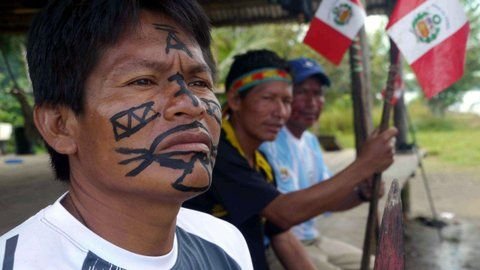
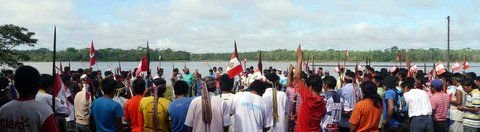
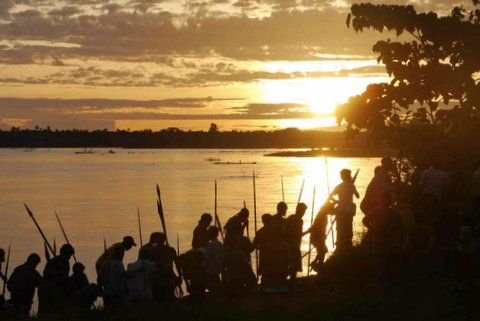
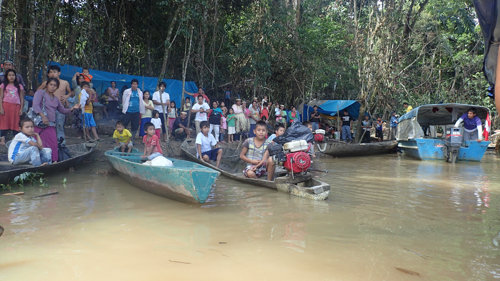
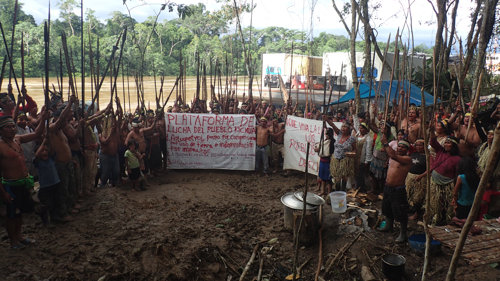
After more than 3 years of dialogue in 2 multisectoral commissions, in 3 work groups and in endless sub-commissions and meetings, after countless travels forth and back from their far away communities to Iquitos and Lima, the indigenous leaders of the contaminated river basins in Loreto decided to sign the agreement on the negotiation table with the Prime Minister. Historical it is because of the enormous capacity showed by the indigenous organizations to use democratic mechanisms in order to reclaim their rights. Even though they have had enough of the government´s broken promises, the communities continued the process and stood up for their rights. At least 10 indigenous protest actions were registered on the Corrientes, Maranon and Tigre Rivers in the last 10 months. The latest actions in Andoas (Pastaza), Nuevo Remanente (Tiger) and Pampa Hermosa (Corrientes) were only ended recently (February- March 2015).
The right to have rights
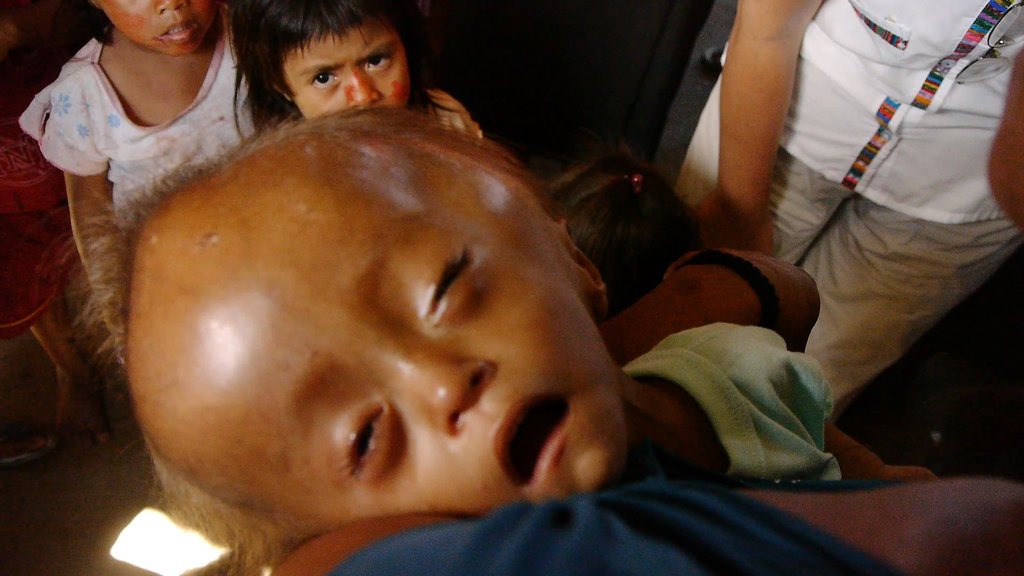
The agreement includes: installation of provisional clean water systems, a toxicological and epidemiological study of the people in cooperation with the OPS (Organización Panamericana de Salud) that should be ready by next year, the implementation of an integral health plan for over 110,500 community members. Actions for intercultural education, electrification and agriculture are also on the list.
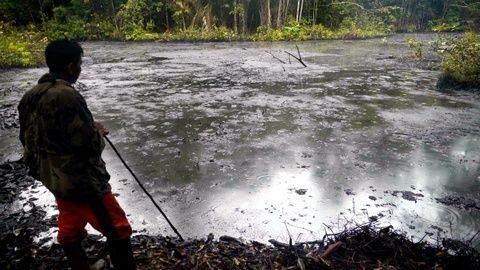
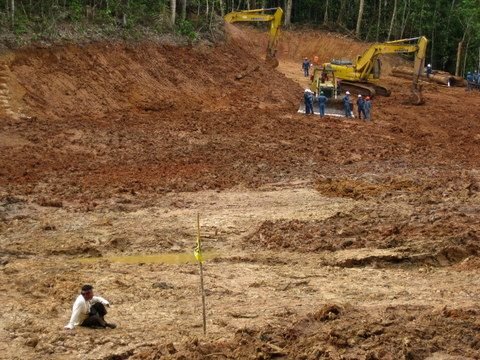
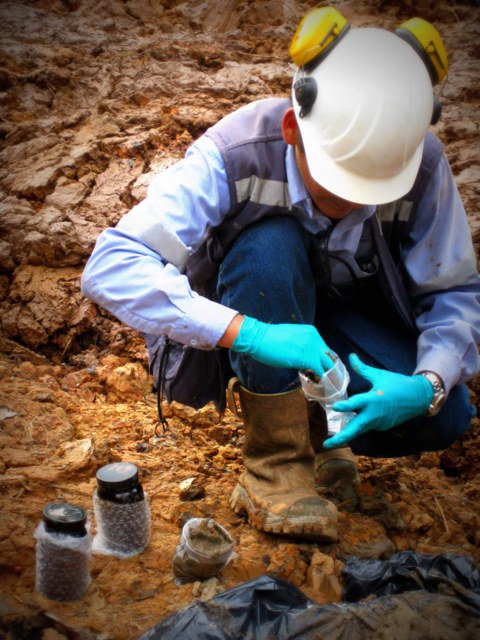
When it comes to remediation, the wording gets more generic. The state will guarantee the clean up by the responsible company within the framework of existing standards. To evaluate the company’s cleanup plan, the findings of the environmental taxation body - OEFA will be taken into account. At the same time, a 50 million soles guarantee fund will be created, for which – as says the actual law proposal - a good part will have to come from OEFA’s budget.
The same lack of specificity is kept when referring to the land titling: the Regional government - the responsible authority for the titling of indigenous communities, will (finally) start to do so.
In a nutshell: the agreement reaffirms that the state has to guarantee its’ citizens’ rights. The importance of the agreement is therefore the reaffirmation that indigenous peoples have the right to have rights in Peru.
No reason to celebrate
Although last Tuesday in Lima the official message was one of victory and joy announcing a renewed social pact between the state and the indigenous peoples, immediately after the official ceremony, the leaders themselves stated that there is no reason to celebrate. It calls the attention that no representative from the Tiger River was present.
First of all, the question is whether the state will accomplish the agreement, as there is a long list of unaccomplished acts and a much longer history of no-state presence in these remote areas.
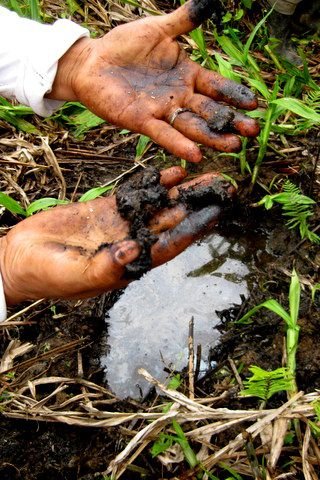
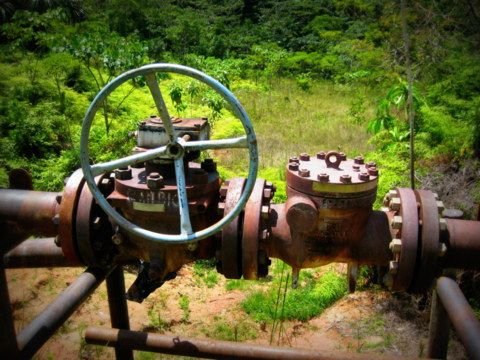
Secondly, the wording used in the agreement leaves room for interpretation of what the next steps are. Will Pluspetrol clean up the areas already abandoned in 2011? Will the land titles include the areas where the installations were build on indigenous territory? Will the 50 million soles fund be sufficient taking into account Perupetro’s public statement that the remediation of oil lot 1AB will cost around 90 million USD? Will the old tubes and installations be replaced so that no new oil spills can occur?
Thirdly, the agreement does not address important unsolved issues as the valorization of land use and the compensation for the environmental, cultural and social damage. In that sense, an interesting precedent was created by five Achuar communities who presented last week, after years of trial, the extra judicial agreement they reached with the previous company and polluter Occidental Petrolueum.
New contract?
The present contract for the oil block 1AB (192) expires in August. The government is desperate to continue the exploitation in one of Peru´s most oil productive lands and to start the new bidding round. As the ILO-Convention 169 states, the indigenous peoples have to be consulted before signing a new contract. In this case, the government will have to ask for consent the peoplethat have suffered the consequences of oil exploitation for over 40 years. Are they satisfied with this agreement?
Project reports on GlobalGiving are posted directly to globalgiving.org by Project Leaders as they are completed, generally every 3-4 months. To protect the integrity of these documents, GlobalGiving does not alter them; therefore you may find some language or formatting issues.
If you donate to this project or have donated to this project, you can receive an email when this project posts a report. You can also subscribe for reports without donating.