By Janet Preethi G | Administrator, VOICE Trust.
The need for education in tribal areas is urgent and foundational to improving the overall quality of life for tribal communities. These regions often face isolation, marginalization, and socio-economic challenges, making targeted educational efforts essential. Here's why:
1. Breaking the Cycle of Poverty
Education provides skills for employment and entrepreneurship, helping tribal families increase income and economic stability.
It reduces dependence on unskilled labor and subsistence livelihoods.
2. Empowering Marginalized Communities
Tribal populations often face social exclusion; education promotes self-confidence and dignity.
It equips individuals to claim their rights and participate in society more actively.
3. Improving Health and Hygiene
Educated individuals are better informed about nutrition, sanitation, and disease prevention.
Literacy helps communities understand health programs, vaccinations, and government schemes.
4. Enhancing Civic and Political Awareness
Education helps tribal citizens engage with governance, participate in elections, and demand accountability.
It raises awareness about land rights, environmental protection, and legal support.
5. Reducing Exploitation
Lack of education often makes tribal populations vulnerable to exploitation, displacement, and fraud.
Educated individuals are more aware of their legal protections and less likely to be deceived.
6. Promoting Gender Equality
Education helps empower tribal girls and women, improving their social status and reducing early marriage, domestic violence, and gender-based discrimination.
7. Preserving Culture with Modern Knowledge
Tailored education can blend traditional tribal wisdom with modern knowledge, ensuring cultural preservation while enabling advancement.
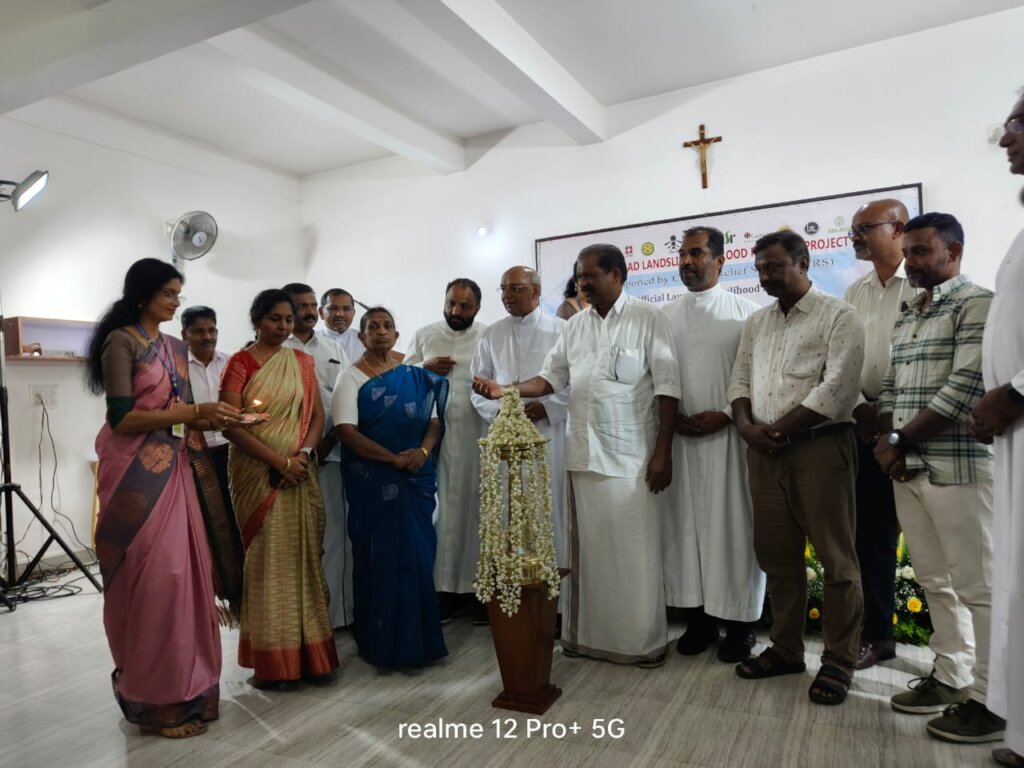
We are planning to conduct more rehablitation activities:
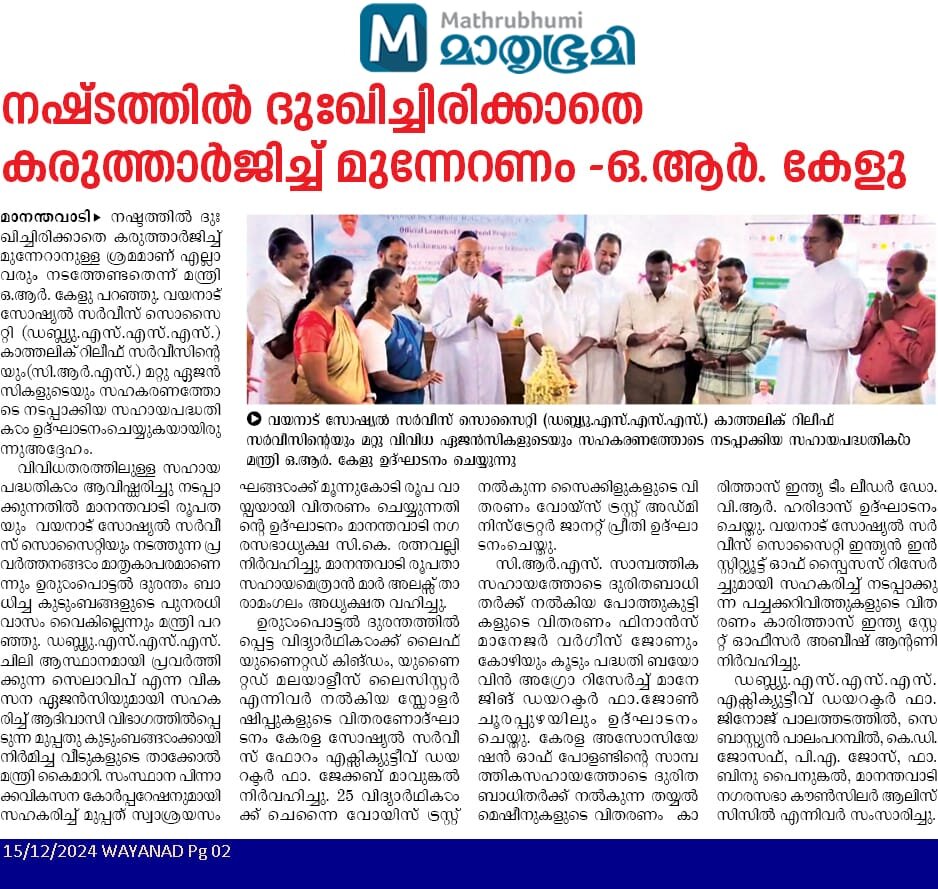
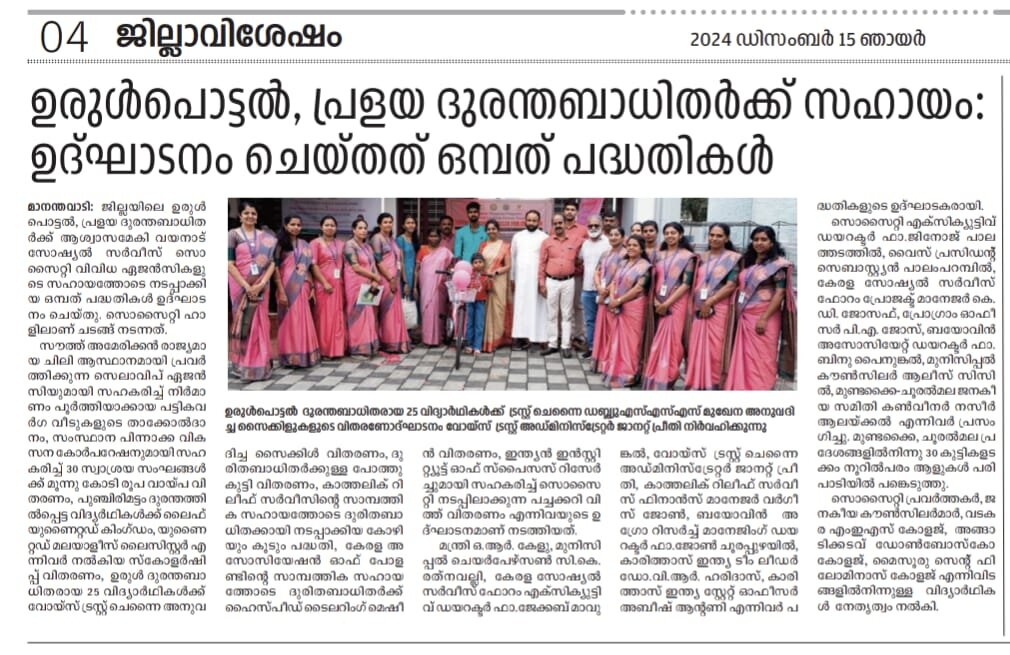
Initially, we will plan with distribution of stationary, books, bags for continuing education.
Other rehablitation activities needs:
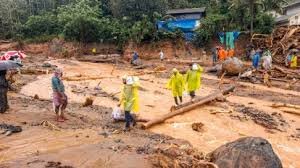
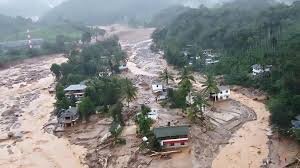
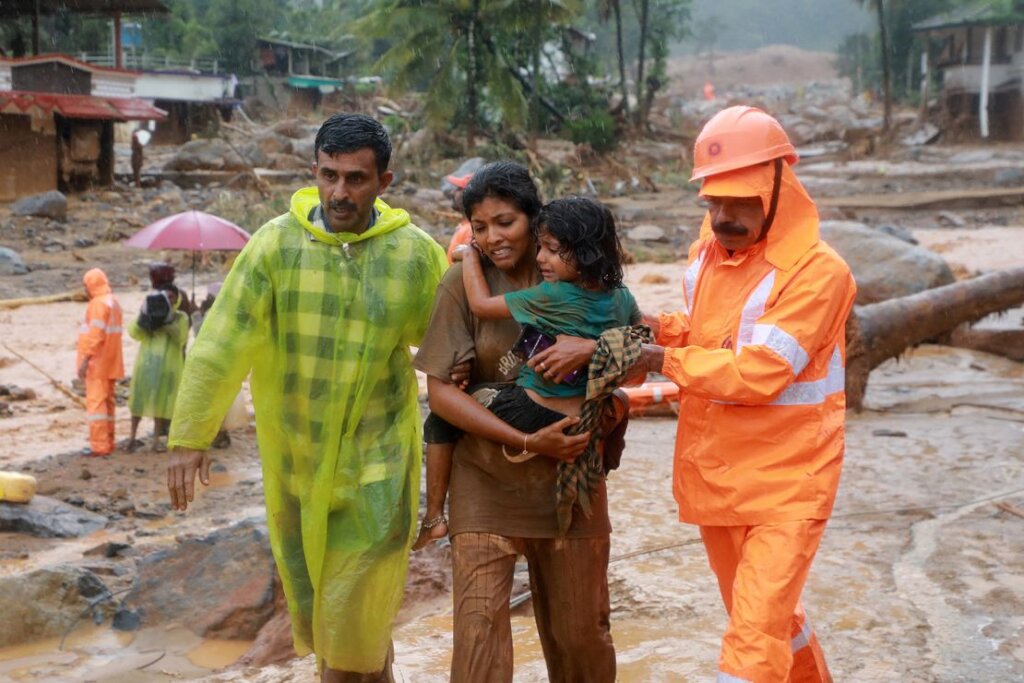
1. Infrastructure Rehabilitation
Rebuilding damaged homes using disaster-resilient techniques.
Restoring public utilities such as electricity, water supply, sanitation, and telecommunications.
Repairing transportation systems, including roads, bridges, and public transit.
Clearing debris and hazardous materials.
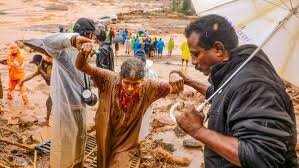
2. Health and Psychological Support
Medical care and rehabilitation for the injured and disabled.
Psychosocial support and trauma counseling for survivors.
Rehabilitation of health facilities and ensuring continued access to care.
Disease prevention measures like vaccination and sanitation programs.
3. Economic Rehabilitation
Restoring livelihoods, especially for farmers, small businesses, and daily wage earners.
Providing microfinance or grants to restart businesses.
Employment generation programs through cash-for-work or skill-building initiatives.
4. Education Recovery
Rebuilding schools and providing temporary learning spaces.
Supplying educational materials like books, uniforms, and stationery.
Support programs for children who lost caregivers or homes.
5. Social Rehabilitation
Community rebuilding activities to restore social cohesion.
Support for vulnerable groups (e.g., elderly, women, children, disabled).
Legal assistance for documentation, land, and property rights.
6. Environmental Rehabilitation
Restoring natural resources, like reforestation and soil stabilization.
Waste management and decontamination of polluted areas.
Assessing and mitigating environmental risks for future resilience.
7. Institutional and Governance Support
Strengthening local governance for disaster recovery management.
Training and capacity-building of emergency response teams.
Developing disaster-resilient policies and infrastructure.
Once again thank you all for your support!!
Interested in virtual volunteering please email connect@voice-trust.org
Links:
Project reports on GlobalGiving are posted directly to globalgiving.org by Project Leaders as they are completed, generally every 3-4 months. To protect the integrity of these documents, GlobalGiving does not alter them; therefore you may find some language or formatting issues.
If you donate to this project or have donated to this project, you can receive an email when this project posts a report. You can also subscribe for reports without donating.



Support this important cause by creating a personalized fundraising page.
Start a Fundraiser