Dear Kresy Siberia supporters: We continue to preserve and share the history of our Sybiraks. Next year it will be 25 years since our group was founded. Inevitably there are fewer and fewer left to speak for themselves.
Now, we are seeing grandchildren, young friends, and historians join our world-wide group. They find help and community. Increasingly, we are the causeway that connects the generations that remember with the generations who seek to learn.
Two Sybiraks and Kresy-Siberia members, recently left us, Cecylia Kokorowski and Krzysztof Lancucki.
We remember and celebrate them.
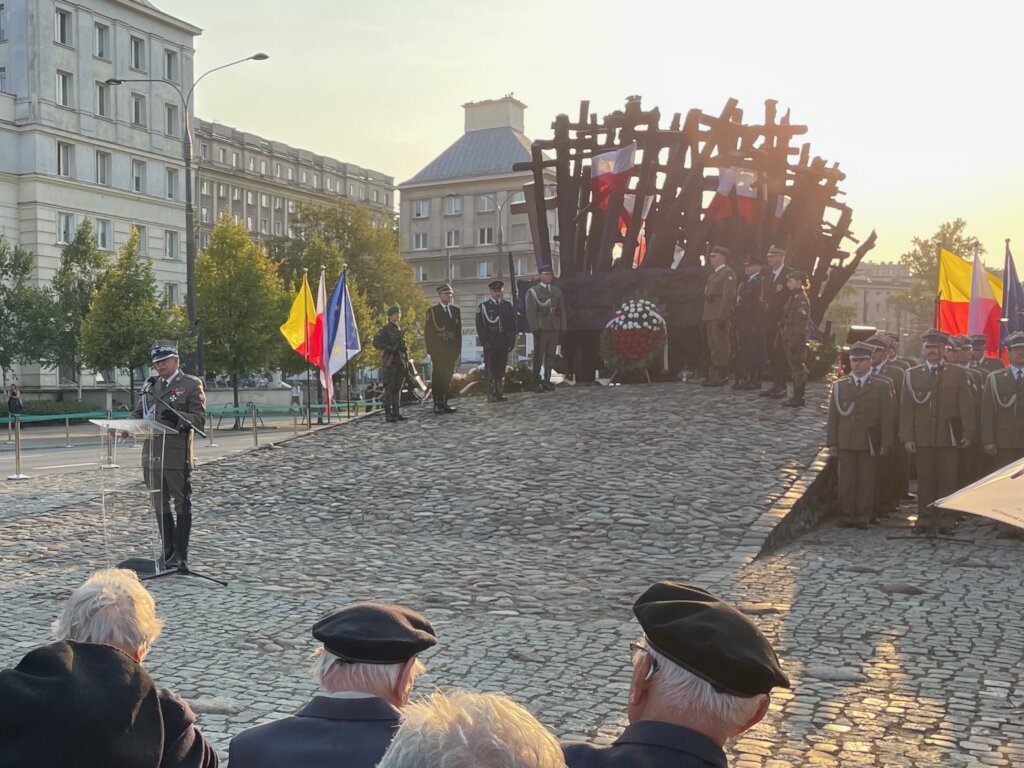
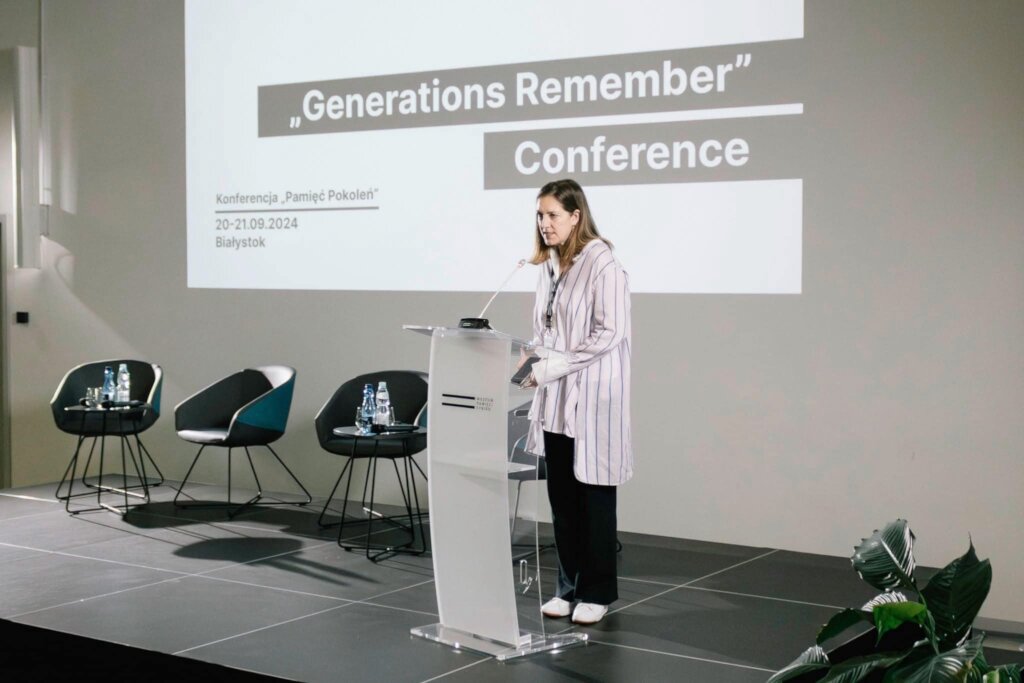
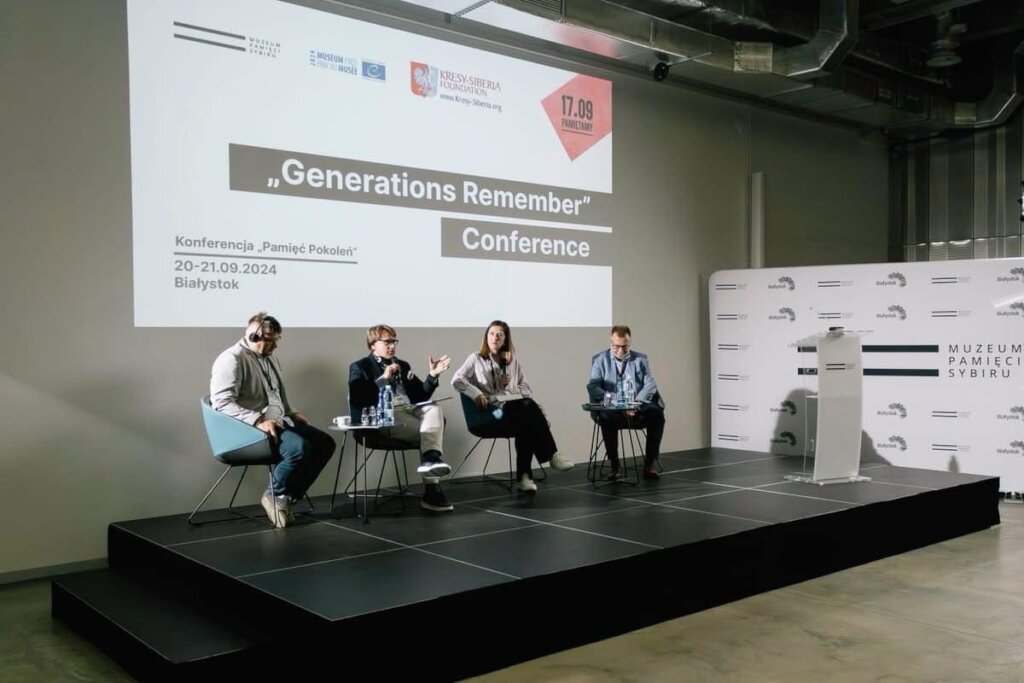
In order that you may make advance plans, please note that we are holding our next “Generations Remember” Reunion and Conference around 17 September 2026 in Warsaw.
Thank you for your loyal support.
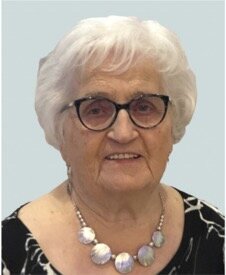
Cecylia Kokorowski (nee Kuzio)
(February 7, 1932 - March 16, 2025)
At the age of nine, Cecylia and her family, mother and father Marianna and Jozef Kuzio, and sister Janina, were forcibly transported, under orders from Russia, from their home in Novosiolk to a slave labor camp in Siberia. After amnesty was declared in the summer of 1941, the family moved to a collective farm south of Siberia, where her father worked as a labourer and her mother as a seamstress.
Jozef then joined the Polish army while, in 1943, her mom, sister, and Cecylia slowly made their way through Iran and Pakistan to a displaced persons camp named Abercorn in North Rhodesia -- now Mbala, Zambia. The family lived in a grass hut and Cynthia became a Girl Scout and made many friends. The contrast between her happy life in beautiful surroundings and what she had experienced before was a source of amazement she remembered all her life.
Eventually the camp was dismantled and she and her mother and sister left for the UK in 1948, where her father awaited them. On January 26, 1949, the family arrived in Alberta, Canada. Cecylia married Antoni Kokorowski in 1950. They were married for 57 years until his passing in 2008. They raised two children, Janina and Richard, who are grateful for all the wonderful memories of their kind and loving mother. She took much joy and pride in watching her grandchildren, Laureen and Mark, grow up. Becoming a great-grandmother to Jonah Oliver and Paulina Cecylia was one of Cecylia's happiest moments.
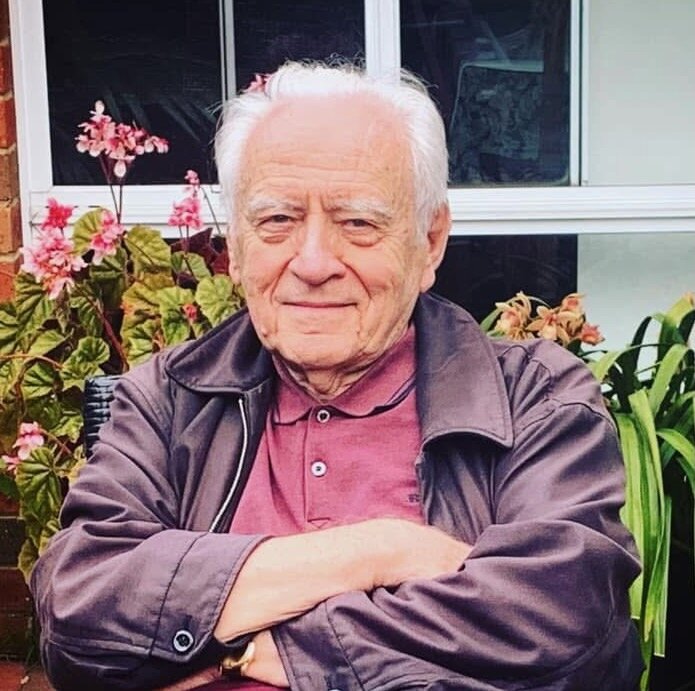
Krzysztof (Christopher) Jozef Lancucki
(June 1, 1935 - February 21, 2025)
Born on June 1, 1935 in Sanok, Poland, at the age of five Krzysztof and his mother were sent to Kazakhstan in 1940 by the occupying Soviets. In 1942, under the care of the General Anders army, he traveled through Iran and India, eventually arriving in Tanganyika (now Tanzania) in East Africa, where he resumed his education at the Polish Children's Center. In February 1950 he went to Australia. Though he arrived speaking little English, he did well in school, receiving scholarships that allowed him to complete high school at Christian Brothers College in Highgate and then pursue a Bachelor of Science in physics from the University of Western Australia. Beginning in 1959, he worked at the CSIRO (Commonwealth Scientific and Industrial Research Organisation) Construction Laboratory in Melbourne, during which time he published at least forty articles in prestigious scientific journals both in Australia and internationally. He retired in 1995.
A natural leader and champion of democracy, Krzysztof Lancucki united and consolidated the organizations he led. He established relationships with federal and state governments across Australia. He kept ties with Polonia in other countries. He was also concerned about the rights of the elderly.
He served as the Chairman of the Council of Principals of Poland Australia (RNPA) continuously for 18 years during a difficult period of political and economic changes in Poland (1979-1997). In addition, he headed the Federation of Polish Organizations in Victoria intermittently for a total of sixteen years.
Krzysztof was a social activist, carrying out key functions in many organizations in Polonia, among them the Polish Union in Melbourne, the Polish House Cooperative, the Editorial Board of "Polish Weekly" and the Polish Radio Committee (1974-80). He was a co-founder of the Polish Art Foundation in Melbourne.
He was also active in many Australian organizations and institutions, including the State Ethnic Broadcasting Advisory Committee of Victoria in the Institute of Multicultural Affairs. After the declaration of martial law in Poland in 1981, he created a fundraiser, "Help Poland Live", that raised $2.2 million for his Polish compatriots.
He supported the "Solidarnosc" movement and Poles suffering persecution at the hand of the communist government in Poland. He was actively involved in the Presidency of the Coordination Council of Poland in the Free World (1984-93). Later in life, he participated in the Australian umbrella organization Fair Go for Pensioners Coalition, which brings together organisations representing pensioners from various ethnic groups and trade unions (2007-2020), seeking to increase pension benefits and improve living conditions for Polish pensioners.