By Miri Cha | Education Team Officer
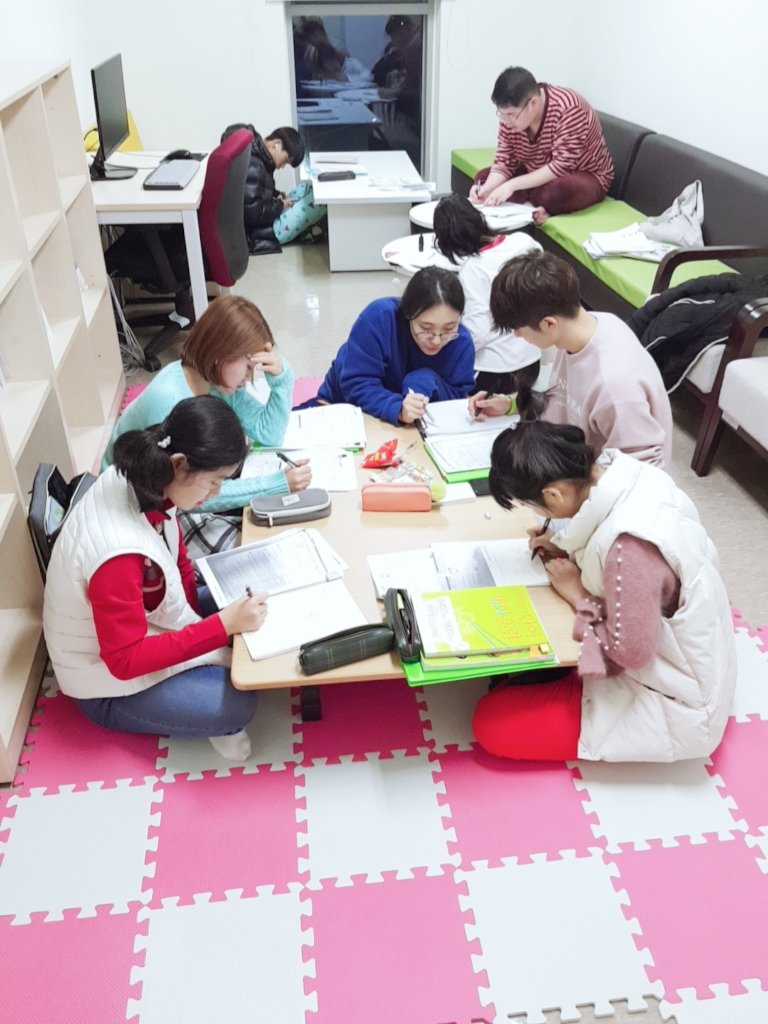
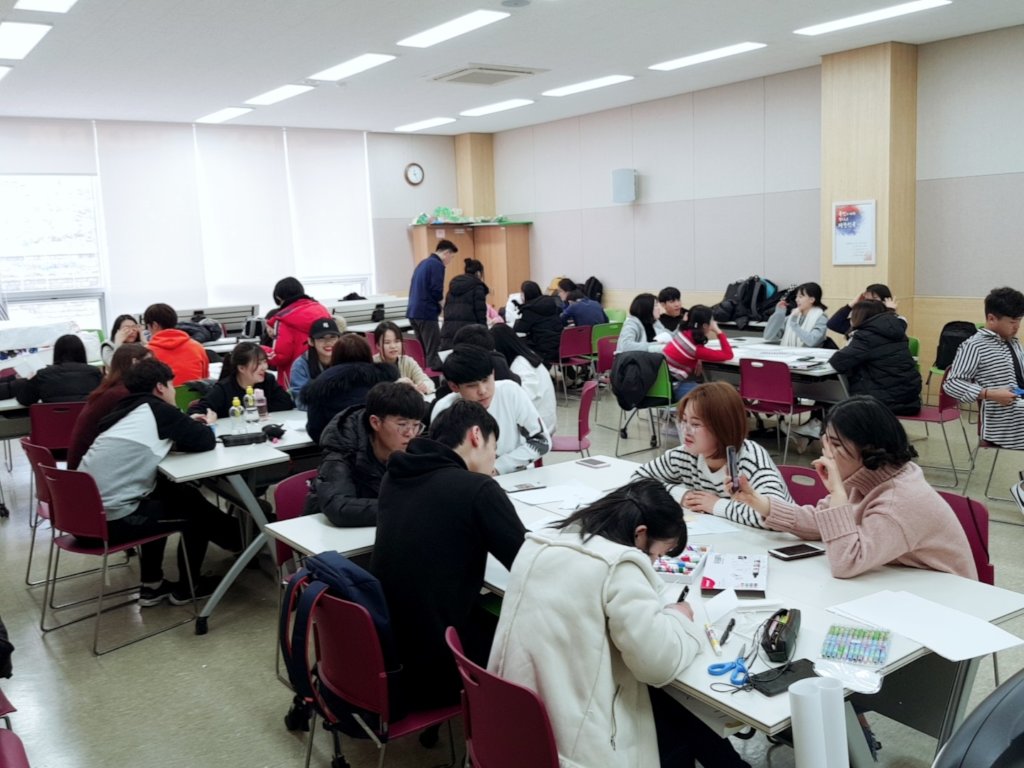
The NKHR's leadership program "U-Bridge" (You are the Bridge for Unification) is aimed to foster North Korean university students to become future leaders who will be able to take an active part in the transition of North Korea in case of reunification. The program thus places great emphasis on studies not only related to economics, politics and systems, but also on history, and socio-cultural and psychological adjustment in transition to democracy. Most importantly, it instills in participants an understanding of the value of freedom, democracy and human rights and the importance of dealing with the past in societies where large-scale violations have happened.
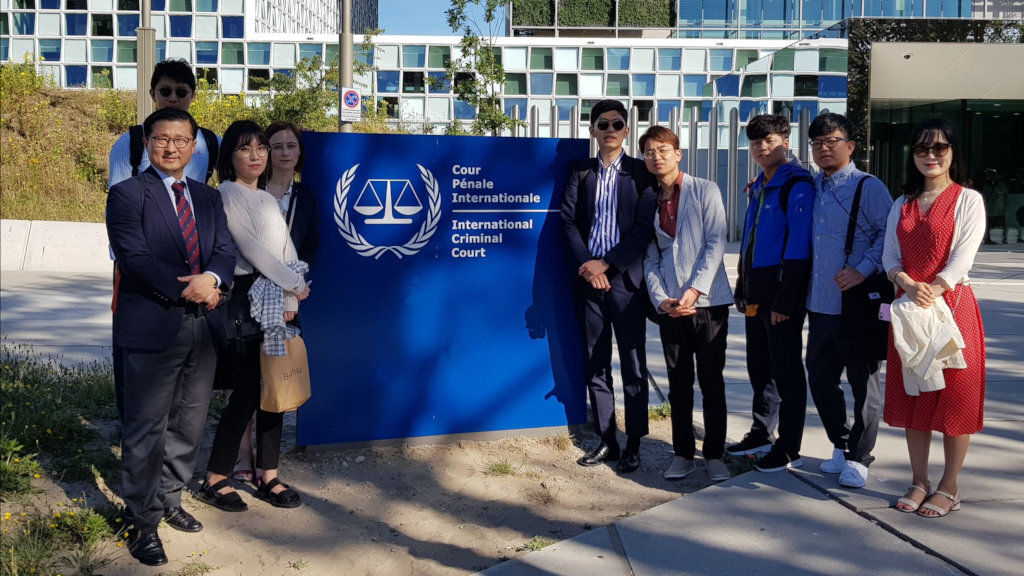
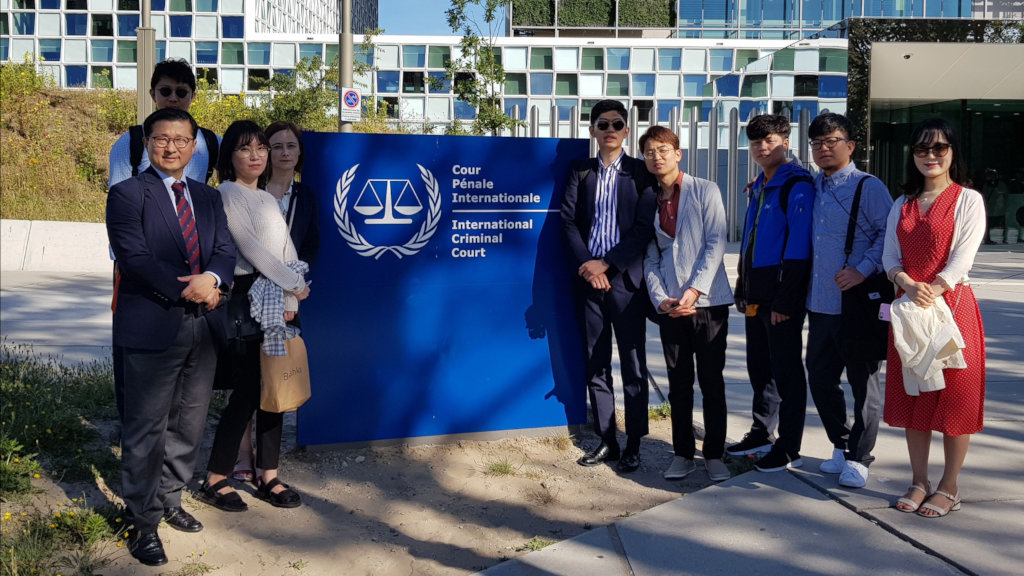
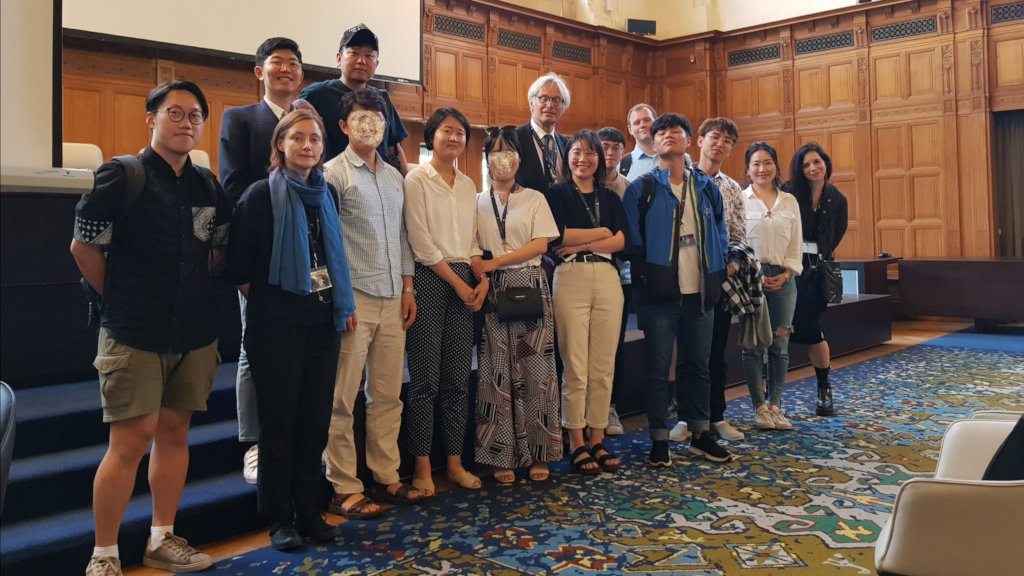
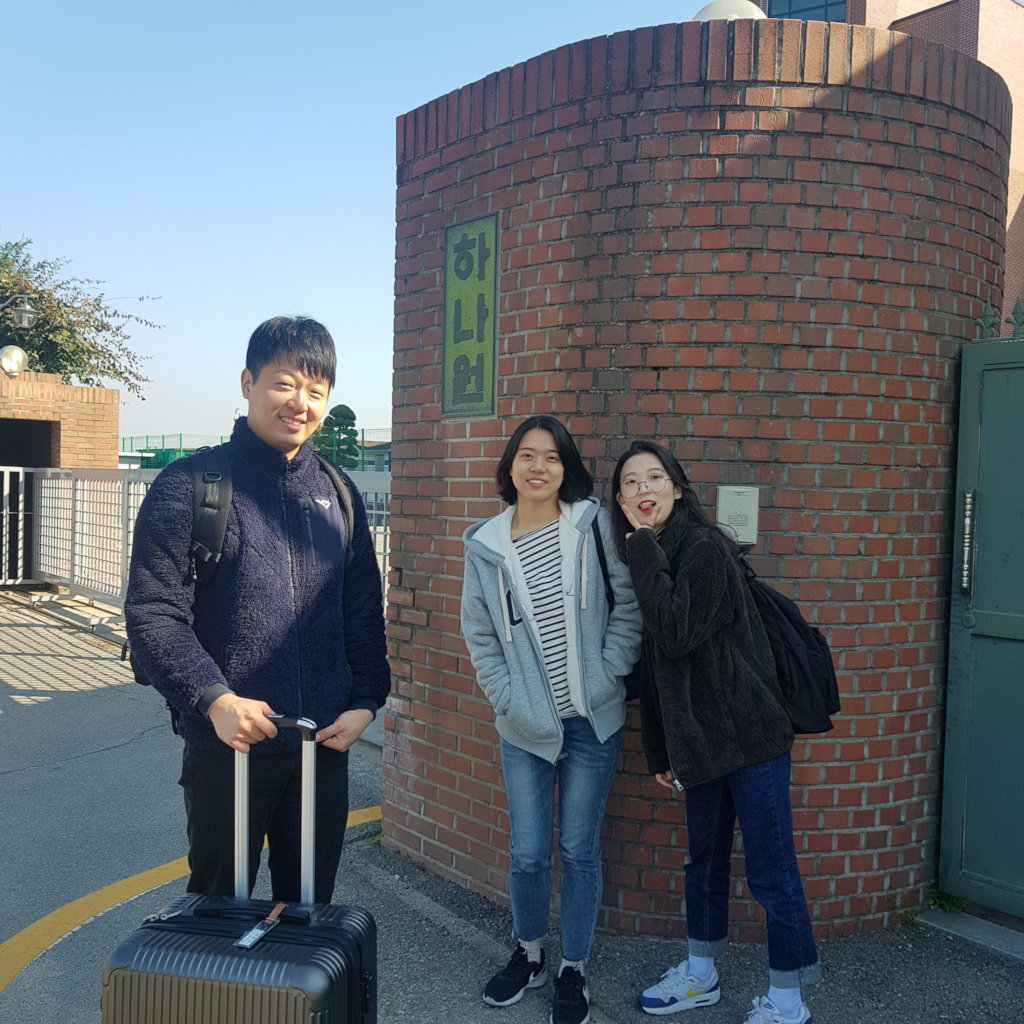
This year's program selected a total of seven South and North Korean students (two from the South and five from the North). The program involved three months of preparatory sessions in South Korea, as well as the field experience in the Netherlands and Germany where students learned about transitional justice. In the Hague, the students visited Yijun Peace Palace, International Criminal Court (ICC) and Mechanism for International Criminal Tribunals and met with the experts from the institutions. Especially in ICC, they observed the trial of Dominic Ongwen who is allegedly responsible for crimes against humanity and war crimes in Uganda. The trial drew the participants' attention since the case is applicable to the North Korean situation. Participating students also met with the Human Rights Ambassador of the Netherlands and diplomats and discussed the human right violations in North Korea. In Germany, students also visited various places related to "memory" and were amazed by how Germans preserved and documented history.
The participating students said that the trip seeded a profound question inside them - "What can I do for the unification of Korea?" Although they could not find the complete answer yet, they were able to observe the Korean situations from the third-parties' perspective and diagnose which elements Korea lacks to be fully prepared for the smooth transition; thus, they also realized their roles to fill the gap and could be more motivated to pursue their field of studies. The students were also profundly impressed by foreigners' interest in their life back in the North and their adjustment in South Korea - "questions that many South Koreans avoid to ask," one female North Korean student said.
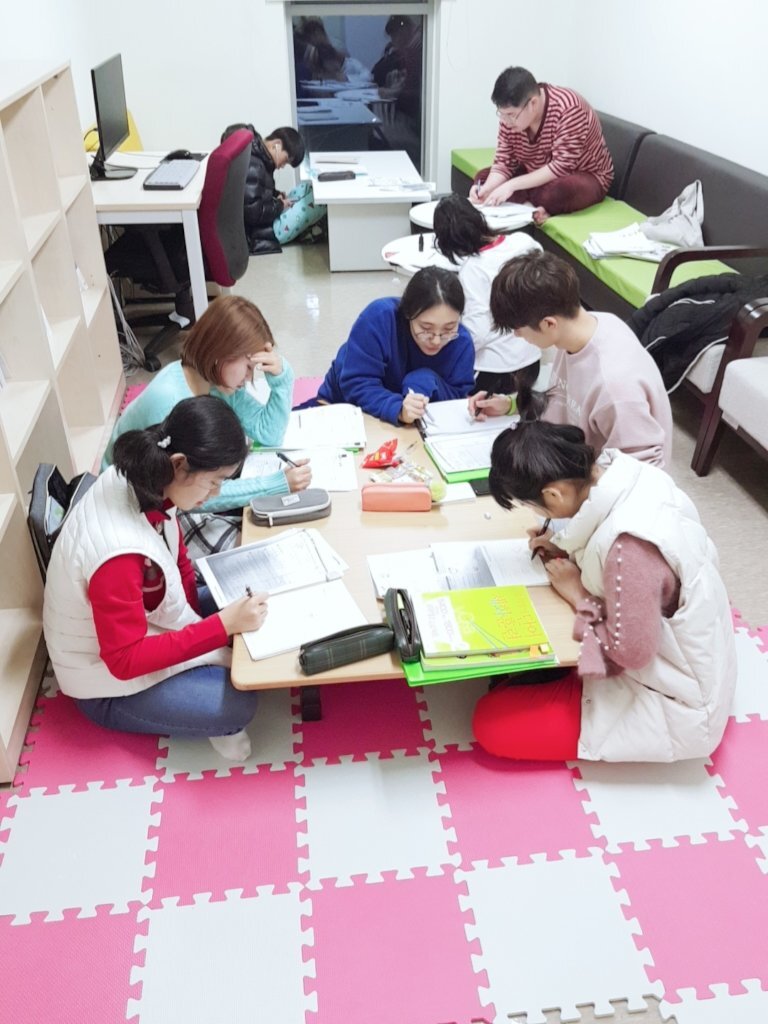
The students who participated in the program in the past few years continue to meet during monthly meetings of the Leadership Club, where they discuss solutions to current ongoing problems in society.
By Yuna Chu | Education Team Officer
By Miri Cha and Joanna Hosaniak | Project staff and Leader
Project reports on GlobalGiving are posted directly to globalgiving.org by Project Leaders as they are completed, generally every 3-4 months. To protect the integrity of these documents, GlobalGiving does not alter them; therefore you may find some language or formatting issues.
If you donate to this project or have donated to this project, you can receive an email when this project posts a report. You can also subscribe for reports without donating.