By Joanna Hosaniak | Deputy Director
It is already December and we would like to provide an overview of our 2021 education/integration programs for our donors. Thank you for your support throughout a difficult 2021!
1. Academic Mentoring Program:
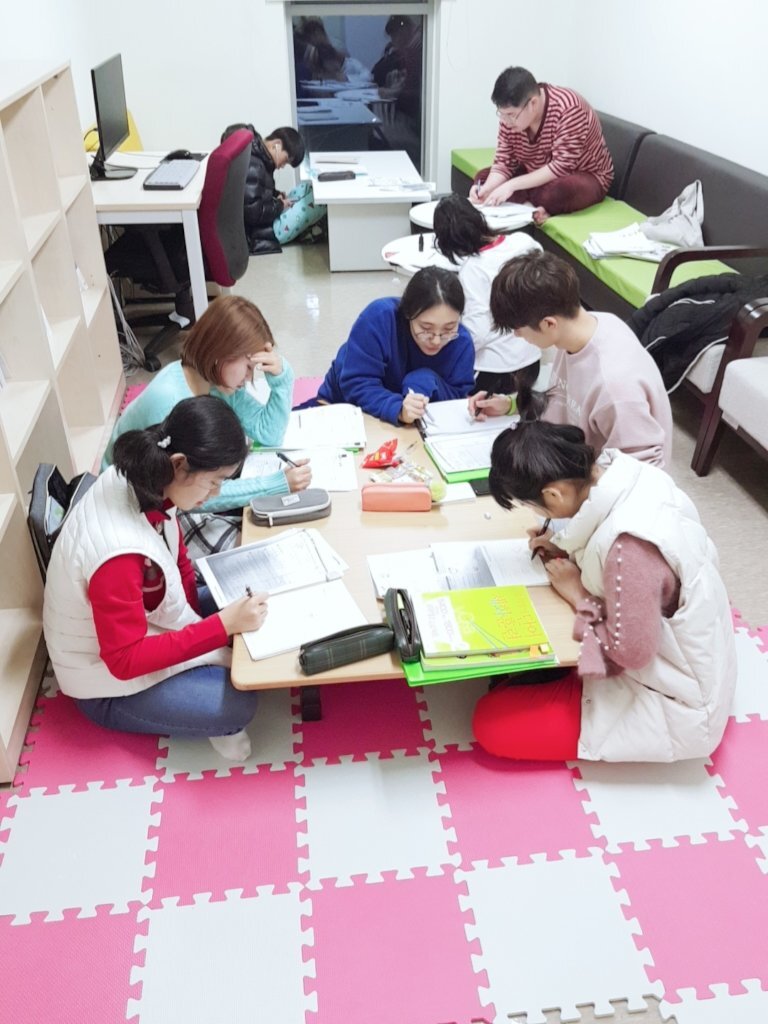
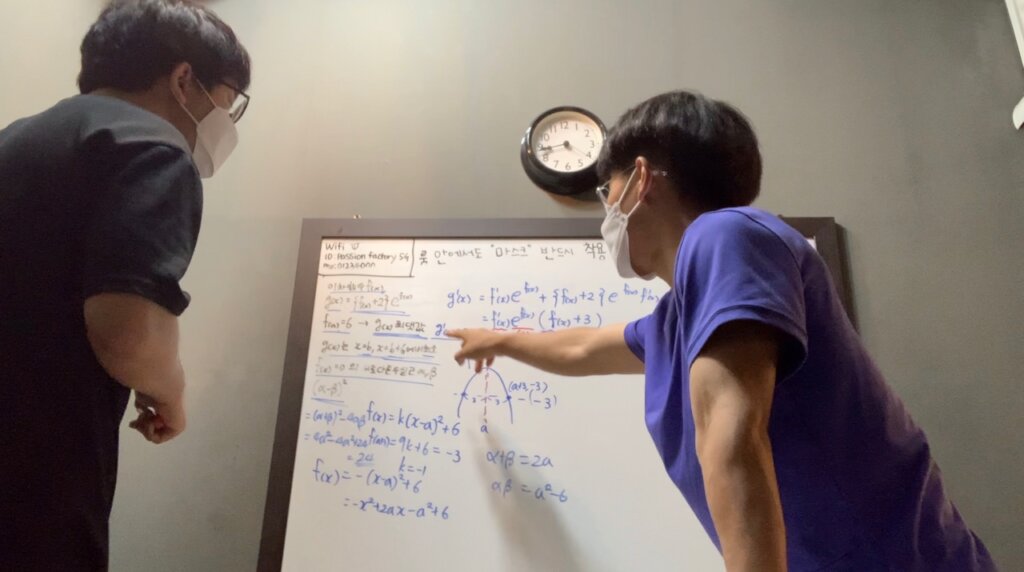
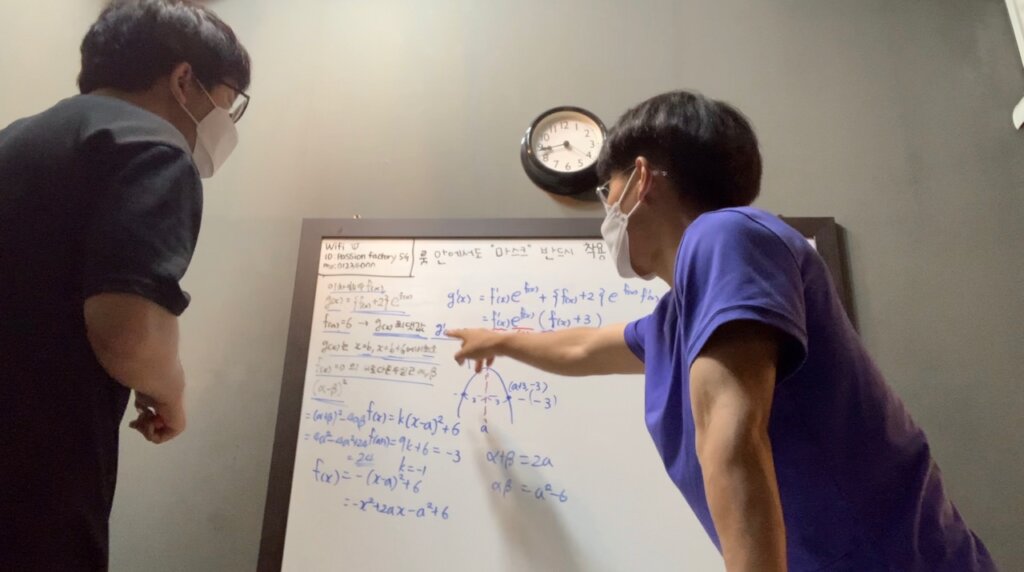
The program focuses on supporting North Korean students to strengthen their academic skills by providing 1:1 personalized academic mentoring matched with current university students. Each team meets for 2 hours per week to study. Mentors are required to upload progress reports.
2. Workshops and Mentorship on College Entrance Preparation:
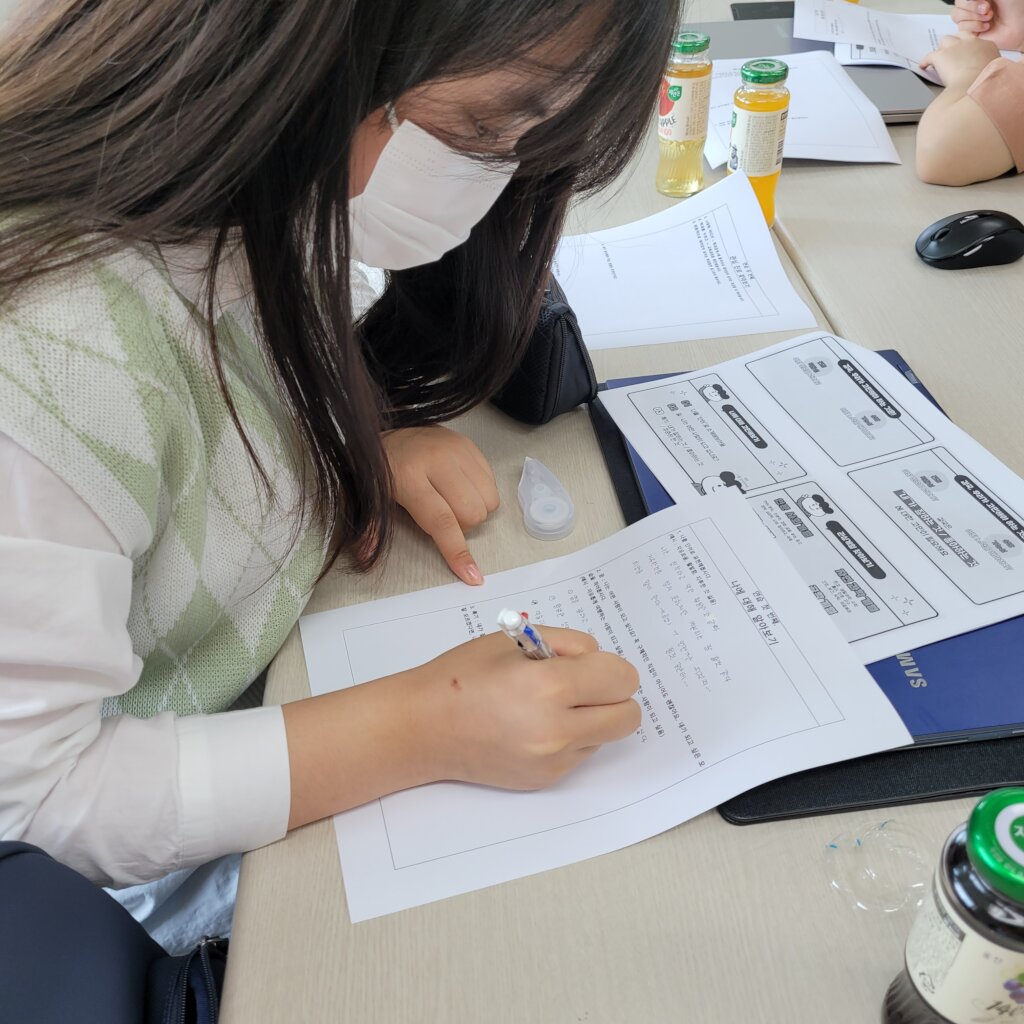
We provided workshops in January, March, May, and September. In January and March, we mainly focused on seniors in high school to explain to them the college application process. We also provided information on educational support programs offered by the South Korean government. The workshop held in May was focusing on sophomores and juniors in high school to assist them in finding their academic path along with tips on managing their cumulative school records. During the last workshop in September, we provided extra sessions revising and finalizing students' college application essays and held mock interview sessions to prepare them for the college entrance interviews.
3. Psychological support Program
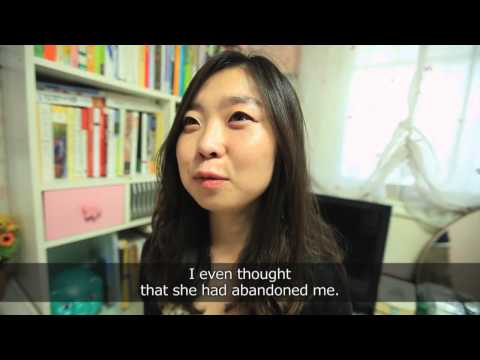
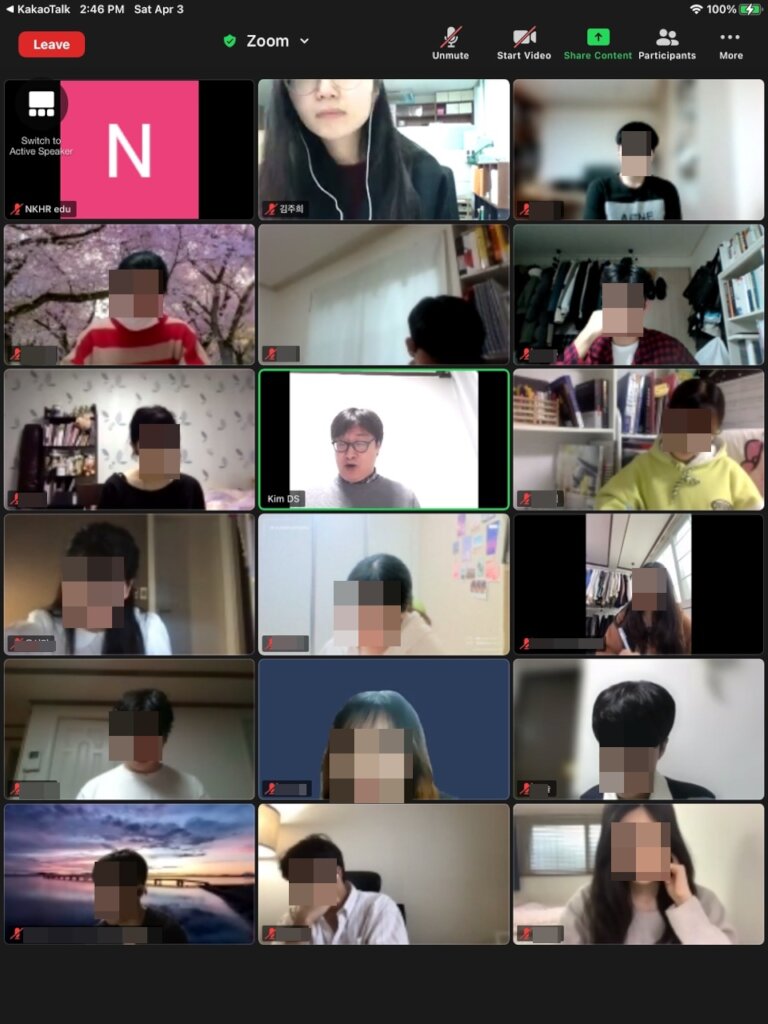
When schools closed due to COVID-19 in 2020, students from North Korea were forced to stay at home looking at their laptops. Many experienced technical difficulties but were unable to receive support. Many also expressed their loneliness. The staff occasionally visits such students to check how they are doing and whether there is anything that they need.
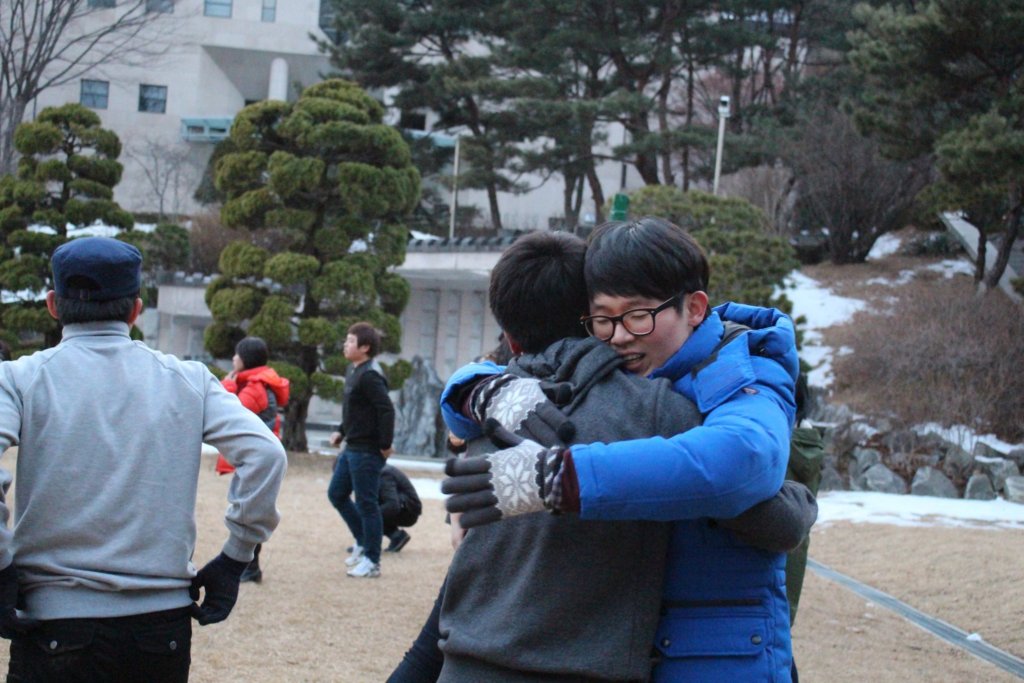
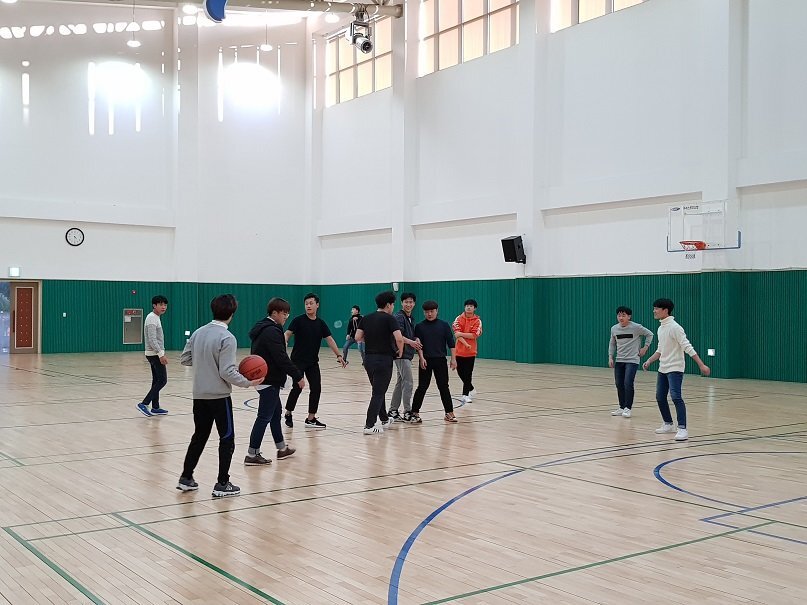
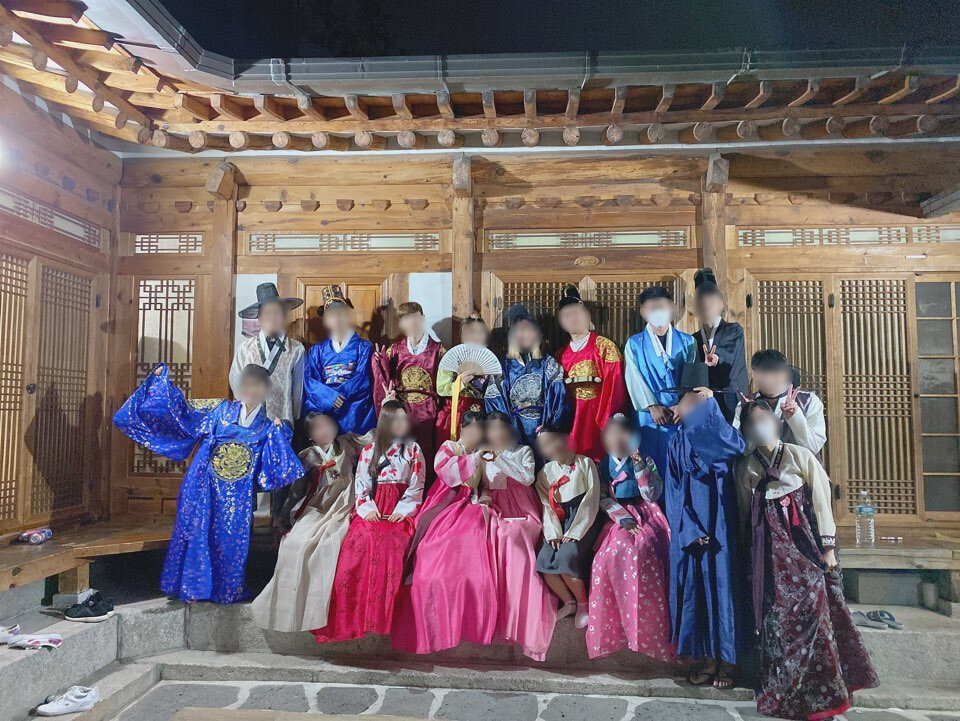
Whenever possible and pandemic restrictions allow the NKHR staff prepares special programs around the time of major holidays such as Thanksgiving/Chuseok or Lunar New Year. During these gatherings, students prepare traditional North and South Korean foods and play traditional games.
4. Civic Participation Project
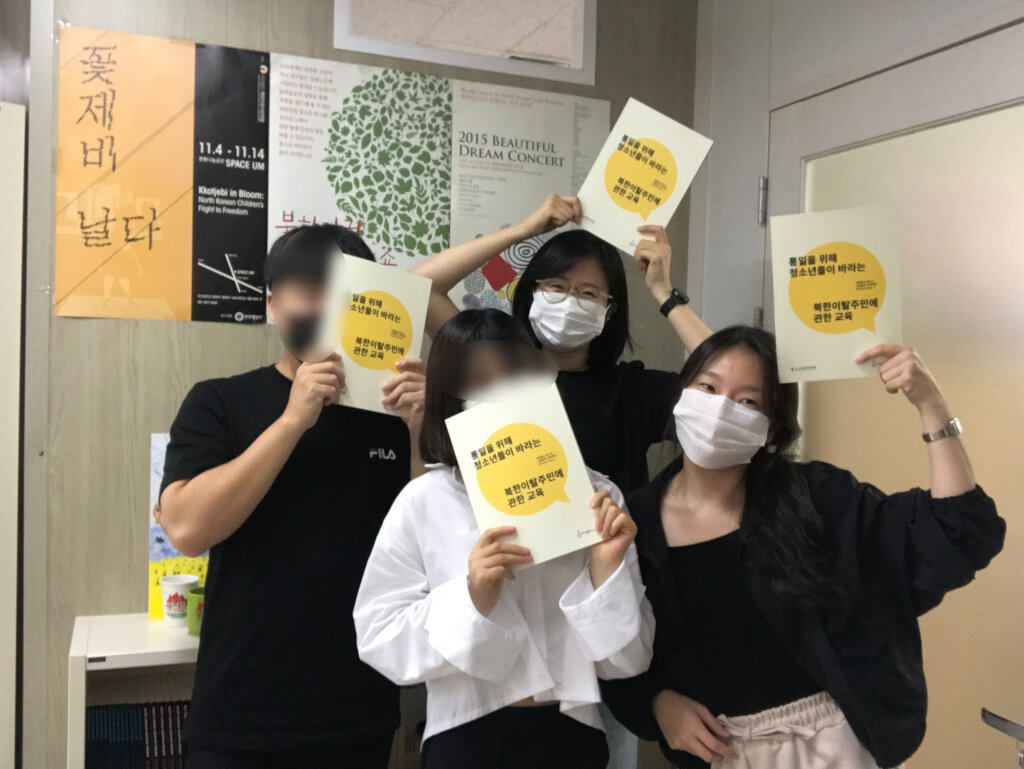
The project was to analyze how North Korean escapees were described in the school textbooks and how the official South Korean textbooks should be revised. Four students from North Korea conducted an initial text analysis of the textbooks used in South Korean schools using passages from 10 books (9 from junior high school and 1 from elementary school). High school textbooks were excluded from the analysis since there was no content on North Korean escapees.
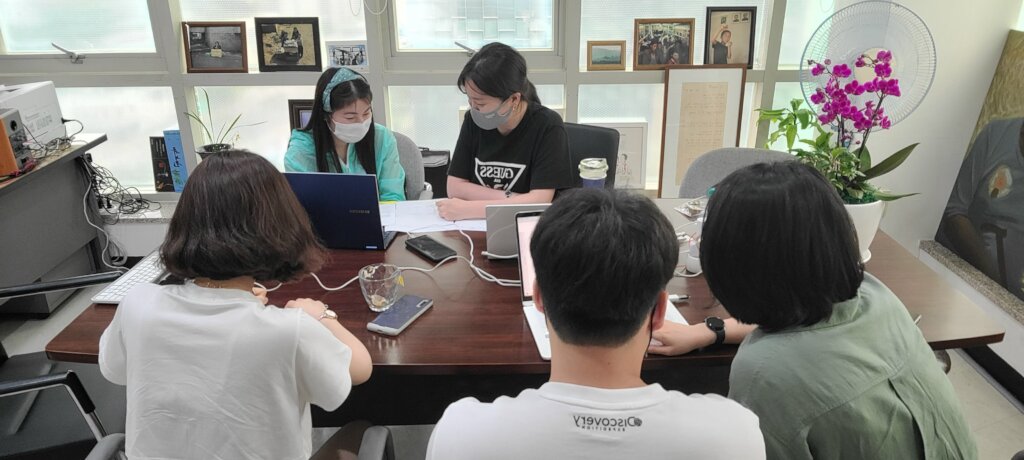
The students actively assisted the NKHR's staff in writing the report based on collected raw data and prepared a policy proposal on changes to the Seoul City government and Korean Youth Work Agency affiliated with the Ministry of Gender Equality and Family.
5. Book-Club “Na-Neoul”: Reading Humanities
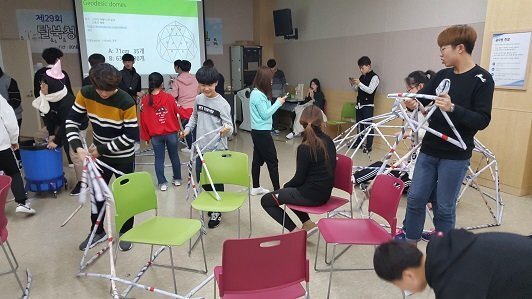
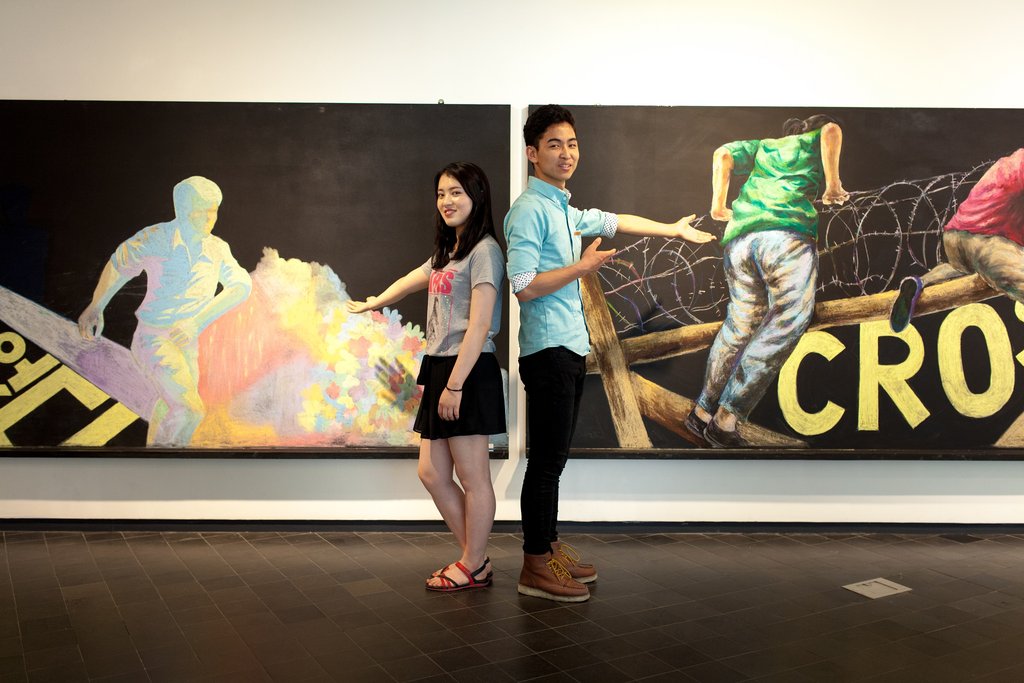
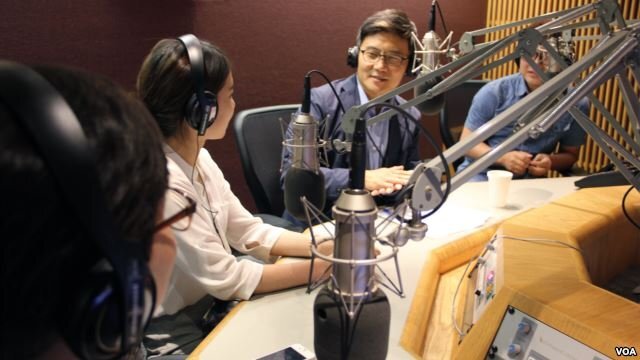
The Book Club "I-You-Us" is directly run by South Korean and North Korean university students with support from NKHR staff. This year, the program focused on mankind and communication. Students read and discussed the books on Origin of Humanity, the Characteristics of Homo sapiens, the development process of media, and the Fourth Industrial Revolution. Whenever possible students also have a discussion with a special speaker related to the topic of the book or visit exhibitions.
6. U-Bridge Program: Learning about transitional justice
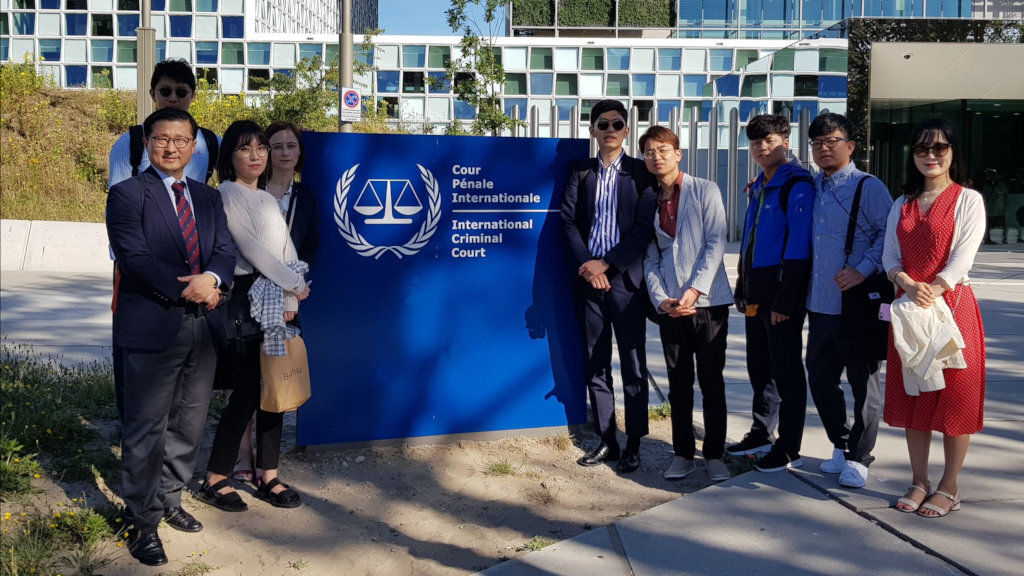
NKHR’s Leadership Program titled U-Bridge (‘You are the Bridge to Unification’) focuses on empowering undergraduate and graduate North Korean students enrolled at South Korean universities and preparing them to play an important role in the future transition of the Korean Peninsula. The project aims to train motivated students interested in various aspects of socio-economic and political transformation, as well as expose them to various transitional justice processes in countries transitioning to democracy, applying these lessons to the future of North Korea and the Korean Peninsula as a whole. The students are currently awaiting field-trip training in Poland, Germany, and the Netherlands.
7. Scholarships
NKHR selects and provides scholarships to selected students from North Korea to alleviate their concerns about living expenses and allow them to focus on attending the schools. High school students receive $150, while university students receive $250 of monthly support.
Project reports on GlobalGiving are posted directly to globalgiving.org by Project Leaders as they are completed, generally every 3-4 months. To protect the integrity of these documents, GlobalGiving does not alter them; therefore you may find some language or formatting issues.
If you donate to this project or have donated to this project, you can receive an email when this project posts a report. You can also subscribe for reports without donating.