By Joanna Hosaniak | Project Leader
The Hangyoreh School is an alternative winter school for North Korean youth. Since its inception in 2001, over 500 North Korean youth have benefitted from this program through its emphasis on alleviating academic difficulties, fostering creativity, honing logic, increasing students’ awareness of their rights and freedoms and encouraging consideration for others.
In recent years we have seen an increase of North Korean children who are unable to read and write Korean. This is because they are the children of the many North Korean women who were victims of sex trafficking and sold as brides in China. In China, North Korean women, even brides of Chinese men, live in hiding because they fear deportation. As a result, they do not register their children—whether born to Chinese men or brought from North Korea—with the Chinese authorities, and the children born in China are de facto stateless until they re-settle in South Korea. Chief among the negative consequences of being unregistered in China is that the children cannot attend school. When they finally reach South Korea, those children tend to have the academic level of an elementary school student despite now being teenagers.
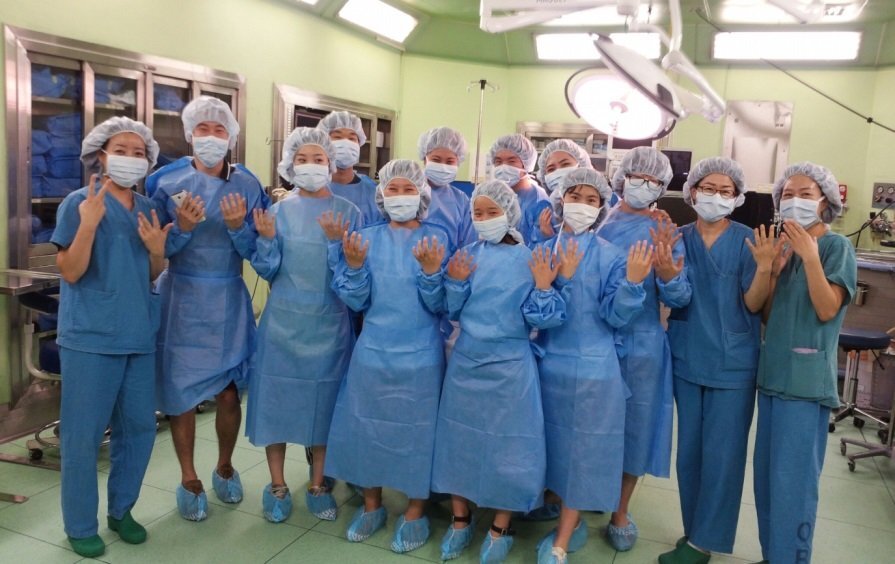
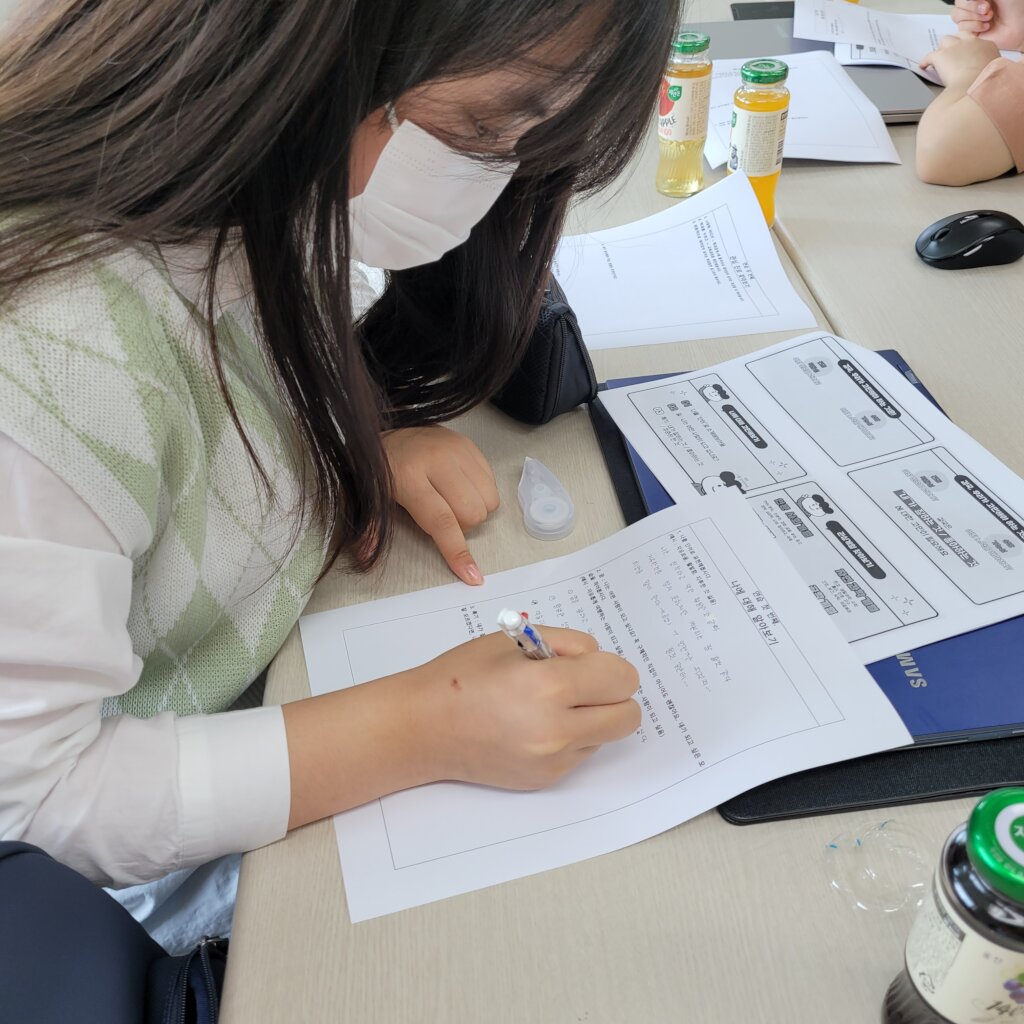
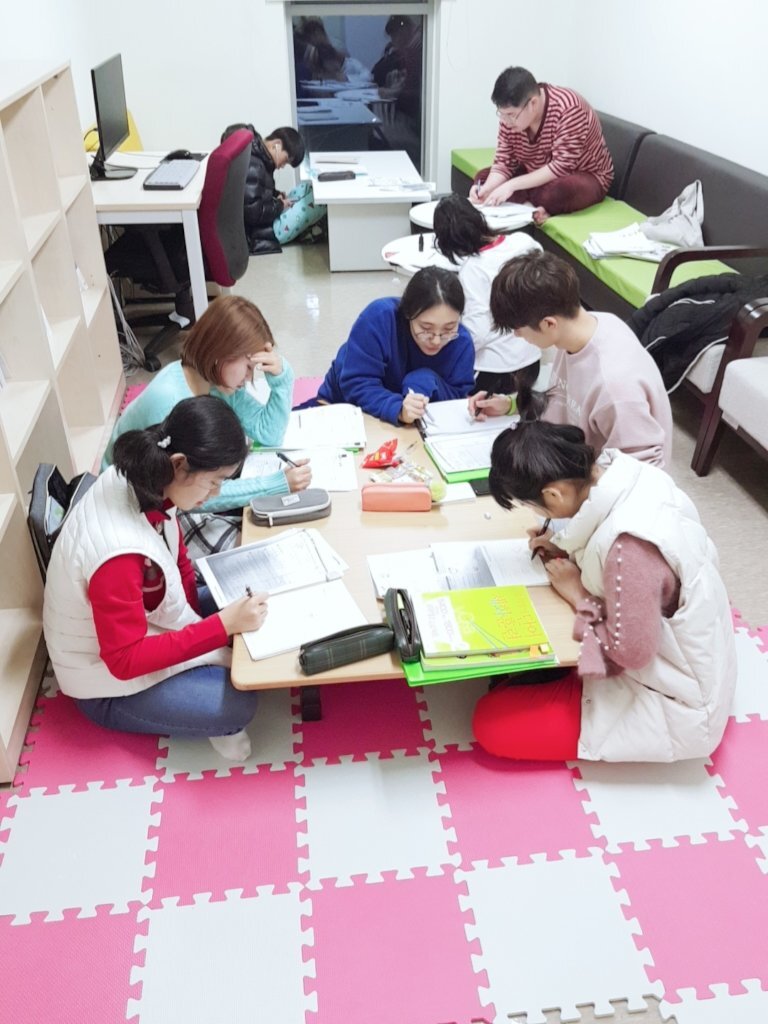
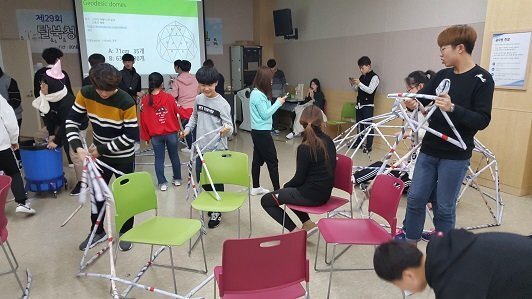
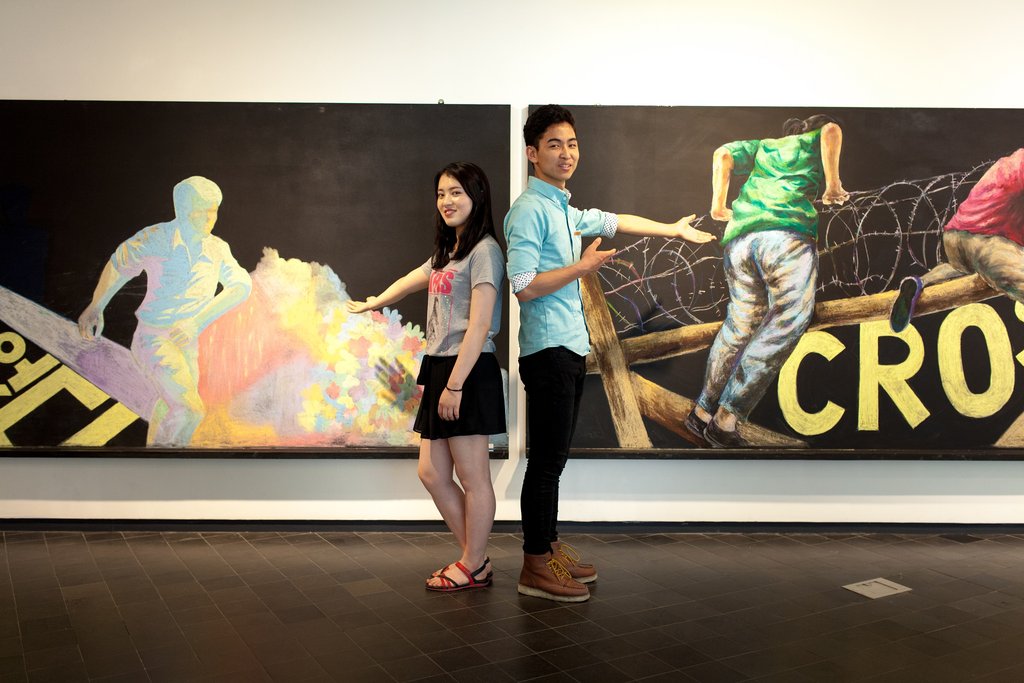
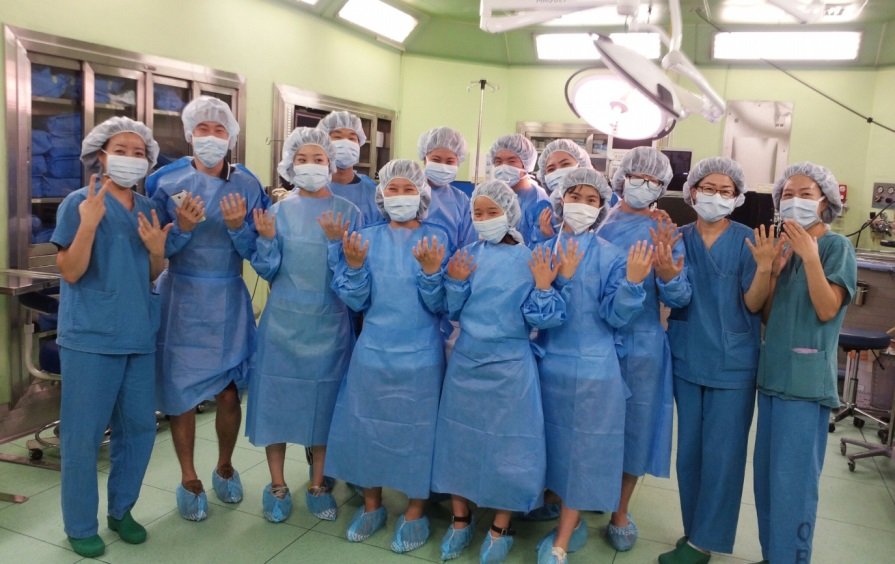
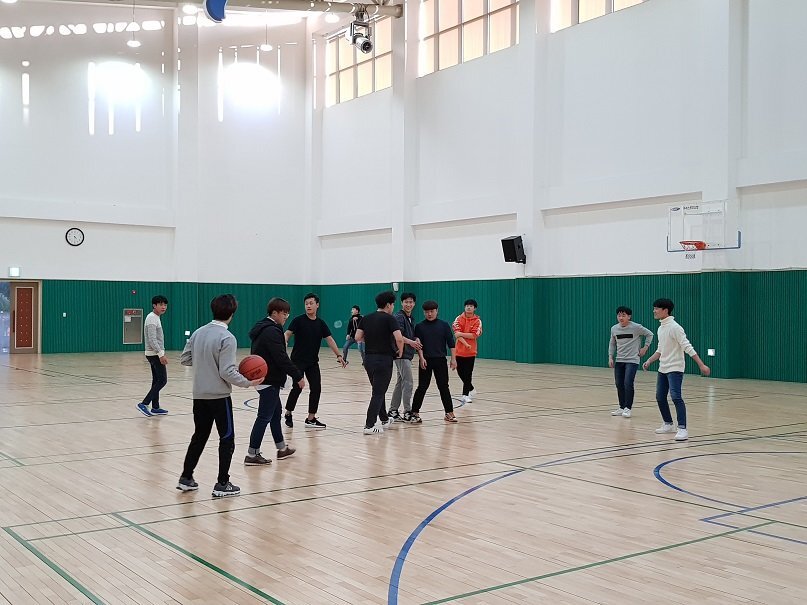
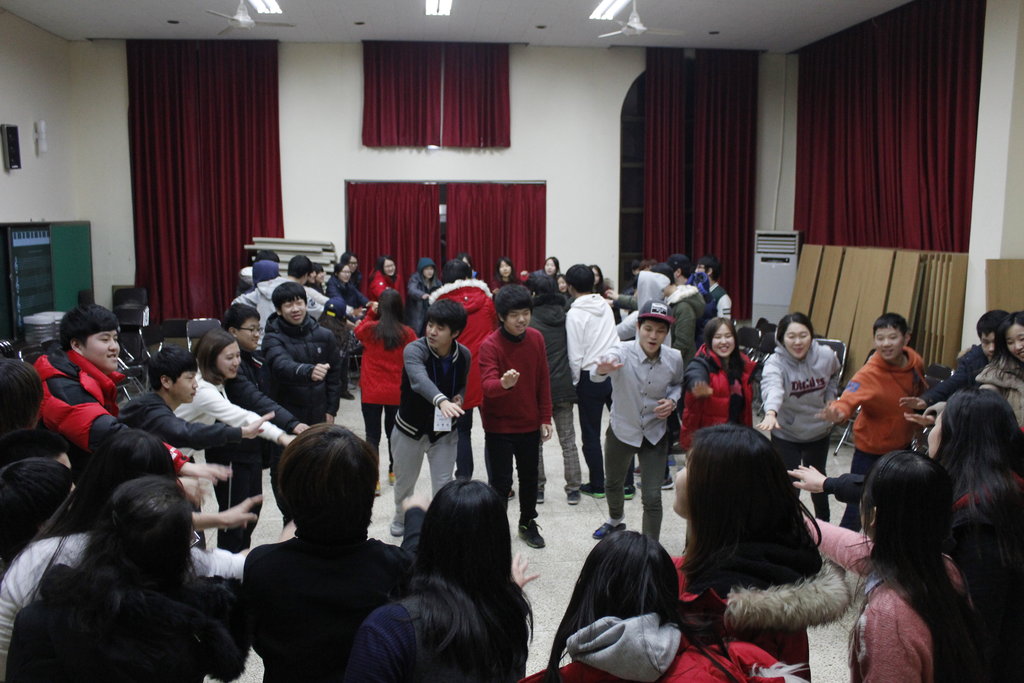
In January 2014 we conducted our 25th Hangyoreh School. Thirty North Korean students participated and were divided into small groups based on their academic level. The three-week program focused on improving students’ skills in Korean, English and math—the three most difficult subjects for North Korean youth. The students were also taught other subjects such as history, public speaking, art, sports, civic education, and they spent two days at an integration camp with South Korean youth. For many of the South Korean students, it was their first opportunity to interact with their brothers and sisters from North Korea.
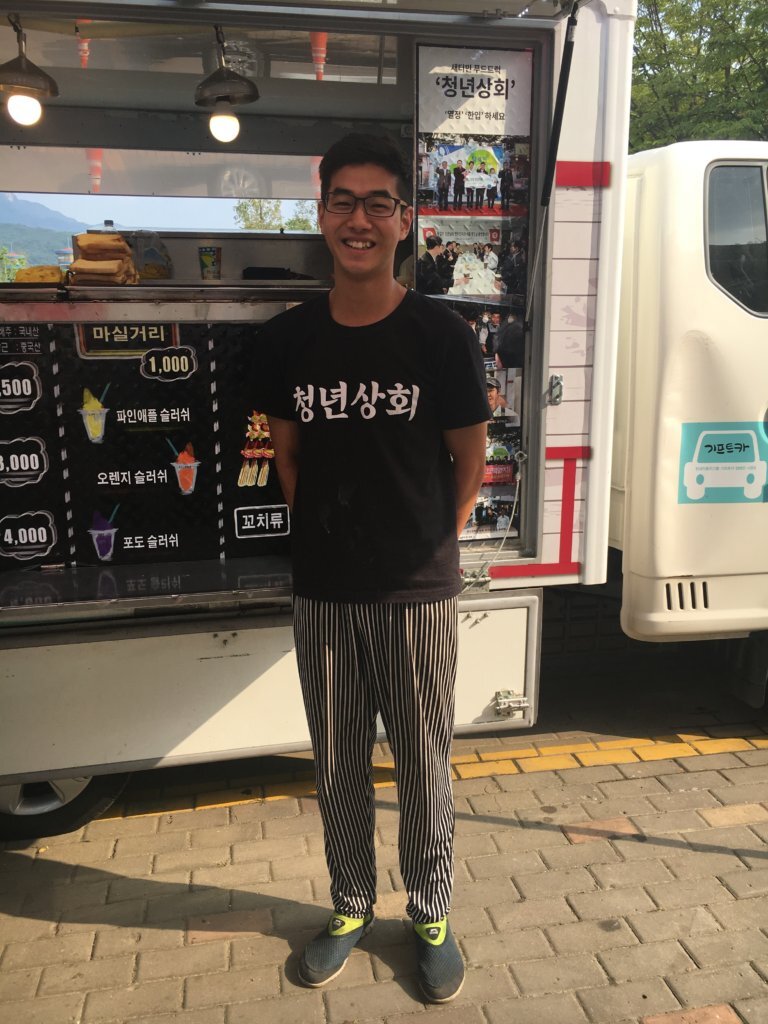
The total cost of the 2014 Hangyoreh School was $22,000. Thanks to the generous donations of Global Giving donors during holiday season, the Learning Freedom campaign contributed $239.25 toward the expenses of school supplies, accommodation and meals for the students. The Hangyoreh School would not be possible if not for the passionate and engaged South Korean volunteer teachers, either university students or professional middle and high school teachers, who volunteered their time during their winter break. We asked one of them to share his observations from the school:
I initially wanted to volunteer at the Hangyoreh School because I was curious about students from North Korea. Would they look different? Would they talk differently? These were the somewhat immature questions running through my head as I prepared for school to begin. I was half excited, half worried.
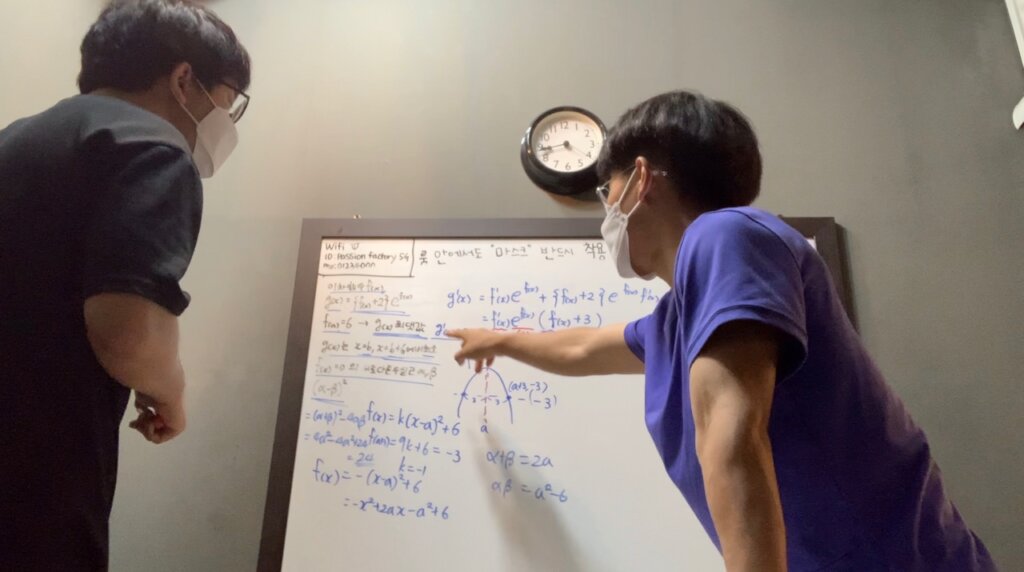
I taught math at the Hangyoreh School. As the oldest volunteer teacher, I felt a lot of responsibility toward not only the students but also my fellow teachers. I had a hard time figuring out how to approach students and get close to them, as I have always been a little shy. I was discouraged when some students just passed me by, pretending that they did not see me and without bothering to greet me, especially because it took a lot of courage for me to say hi to those students for the first time. On the first day, I was envious of other teachers who easily became close to the students.
On the first day of classes, I was so nervous to the point of stuttering and not being able to write on the board properly. But my students made me feel more comfortable by throwing personal questions at me. By answering their questions and giggling with them, I managed to open up—I could even see myself starting to joke with them! This marked the start of our journey together.
Math is the subject that really gives students a hard time. Some older students who were assigned to my elementary math class complained about being in an “easy” class, but they soon stopped when they realized that solving basic math problems was more difficult than they had initially expected. The students showed enthusiasm for learning by actively participating in class discussion, asking questions during self-study time, and even staying up late to solve difficult problems. I was impressed by their enthusiasm.
In my Korean class, most of my students were more familiar with Chinese than Korean. They were either born in China or raised there, so they were poor at reading Korean and even poorer at speaking. Teaching the Korean class challenged me everyday. I had to come with creative ways to teach and answer questions I had never considered before: Should I allow the students to speak Chinese with each other throughout the class, and if not, would it negatively affect their learning if they could not communicate with their peers?
Because of their language barrier, Chinese-speaking children also faced difficulty getting along with other students, so I tried to find ways to help them outside of class. I sat with them during meals so that I could show them a smile and make eye contact. I do not know if they were aware of my efforts, but some students who used to keep their distance eventually started approaching me to share their interesting stories. I was happy and energized to see these small changes.
As the winter school progressed, it became clear that the students were unable to keep up with many of the lessons, and our progress was far below the goal that I set. I knew that in China and North Korea they had been deprived of the chance to attend school, but the disparity was more extreme than I had thought. I felt sorry that outside the Hangyoreh School the North Korean students were having such a hard time catching up with South Korean students, who have financial access to private institutes. The North Korean students are expected to excel academically while simultaneously having to adjust to the unfamiliar environment in South Korea. At Hangyoreh, I met many students who had managed to adjust well, but some others had given up academically after failing to adjust to life in South Korea. I gave them advice on their academic direction and offered different perspectives on life, but I felt bad that I could not help with so many of their personal needs. I hope South Korea develops an educational system that enables them to hone their basic academic skills in a secure environment.
After living with the students for 16 nights and 17 days, I became affectionate toward them as if they were my own children. Like a parent, I sometimes had to cajole students out of bed in the morning and scold those who said hurtful things or fought. I played on the field and screamed with them during free time. I listened to their problems and gave them sincere advice. Students who came to the school were generally frank about their feelings, and I noticed that this sometimes made them act in a rough manner. They did not have bad intentions but they failed to control their anger. But after students fought, I noticed that they became closer, which made me reflect on my own tendency to not always treat others with sincerity.
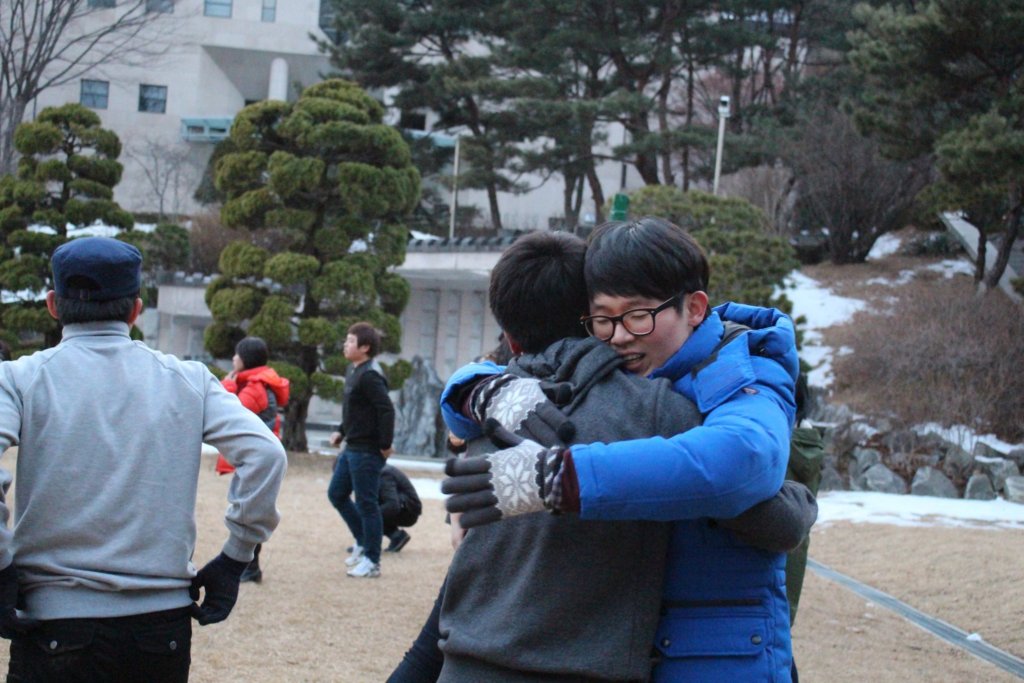
After taking photos at the end of our last Korean class, a student named Soojin said to me in tears, “Teacher, I feel sorry that the winter school is over. I am sad. Thank you.” Two ther students, Hyangmi and Eunju, secretly put a thank-you letter in my pocket, and Hyuk, the class leader, cried as he spoke about the winter school. All the students cried in each other’s arms after saying goodbye. Looking back, I feel sad that the school is over, but reminiscing also makes me smile—I think to myself that this will be one of the most worthwhile things I do in my life.
The Hangyoreh Winter School is over but I want to keep in touch with the students. I want to help them as much as I can. I want to see them become successful members of our competitive Korean society. They were students who taught me to deal with others with heart, not head. I will always cheer for them! Thank you all to the teachers and students of the 25th Hangyoreh Winter School.
Hyung-seok Goh
Korea Polytechnic University, 4th-year nanotechnology student,
Elementary Math and Korean Instructor
Project reports on GlobalGiving are posted directly to globalgiving.org by Project Leaders as they are completed, generally every 3-4 months. To protect the integrity of these documents, GlobalGiving does not alter them; therefore you may find some language or formatting issues.
If you donate to this project or have donated to this project, you can receive an email when this project posts a report. You can also subscribe for reports without donating.