By Miri Cha | Program Staff
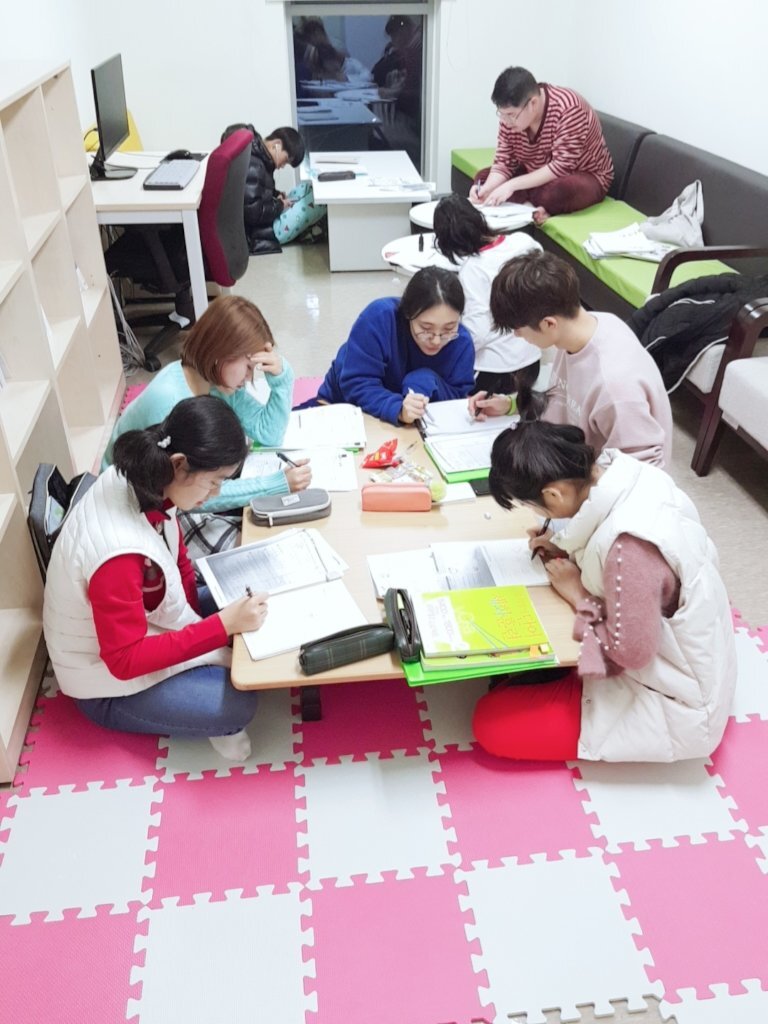
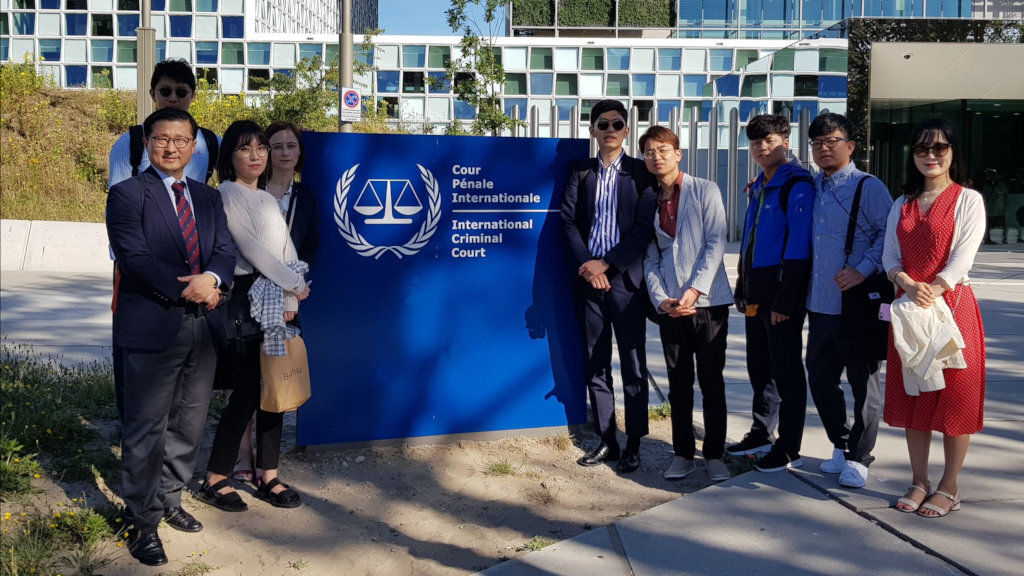
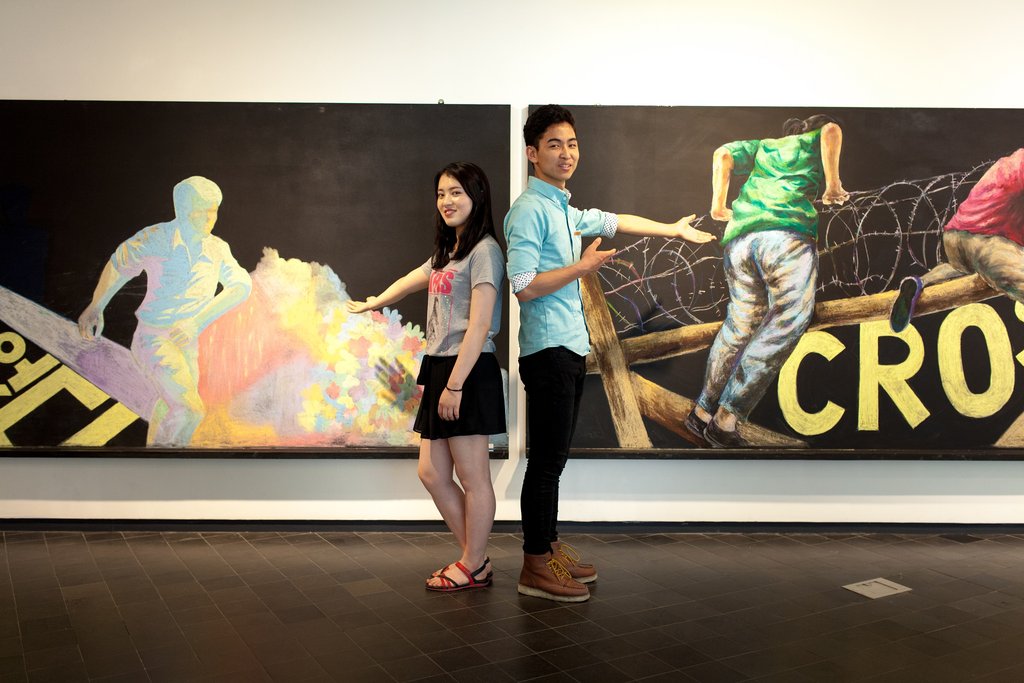
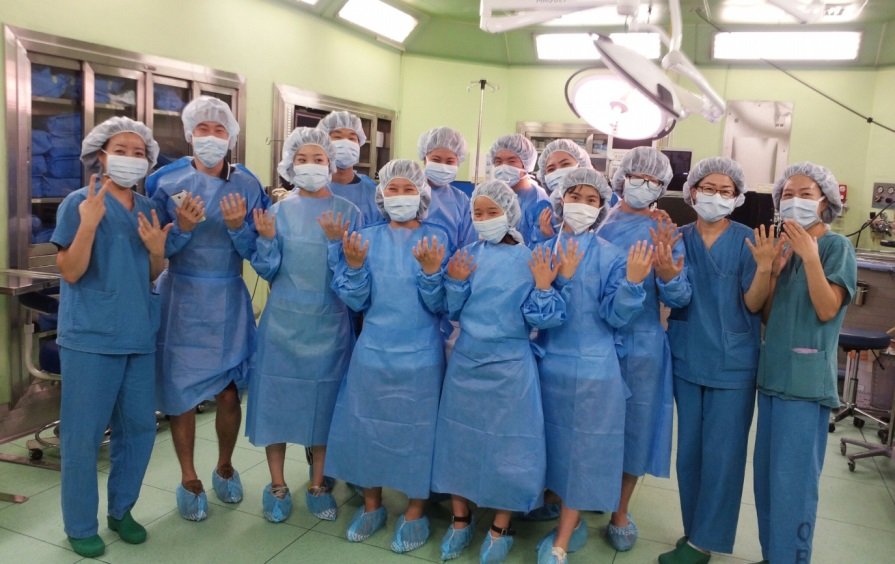
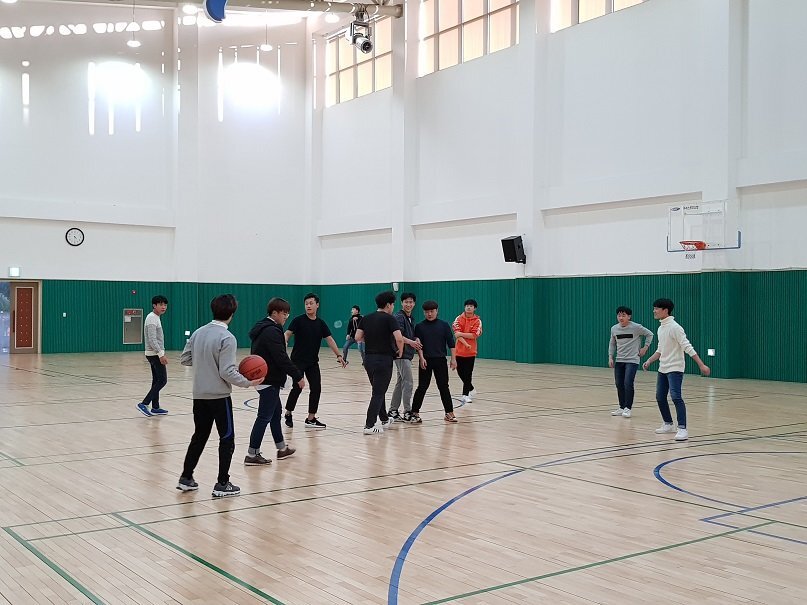
In July 2015, nine college students—six North Korean students resettling in South Korea, and three South Korean students—participated in NKHR’s Washington Leadership Program. The students spent three weeks in Washington D.C. and New York learning about democracy and sharing their experiences as North Korean youth resettling in South Korea. In preparation for this year’s trip, the students spent three months taking classes about Korean history, democracy, market economies, the Universal Declaration of Human Rights as it relates to North Korea, and the leadership of South Korea and the United States.
We arrived in Washington D.C. on July 3, right on time to spend July 4, Independence Day of the United States, in the capitol. We prepared sandwiches and hurried to the Lincoln Memorial early in the morning to enjoy nationwide fireworks and commemorate the day. Throughout the day we toured the many memorials such as the Korean War Veterans Memorial and the Thomas Jefferson Memorial. We visited the Holocaust Memorial Museum the following day. The museum helped the students vividly feel and understand the Holocaust, which until then we had only read about in books. We shared our thoughts, comparing the Nazi’s concentration camps to North Korea’s modern-day political prison camps.
Over the course of a week and a half, the students visited a number of institutions such as the U.S. Capitol, the International Monetary Fund, the World Bank, and the National Endowment for Democracy. In addition to the two weeks in Washington, D.C., the students also spent few days in New York City visiting the United Nations, Human Rights Watch, and Open Society, and touring Manhattan. The students complemented their academic lessons by giving back to the community and helping to serve breakfast to the homeless.
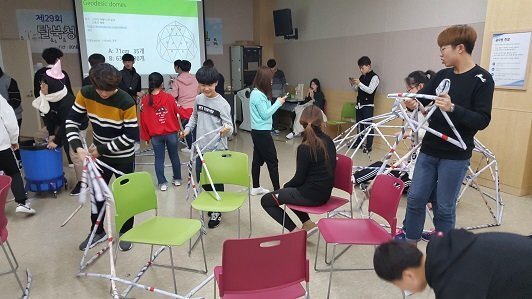
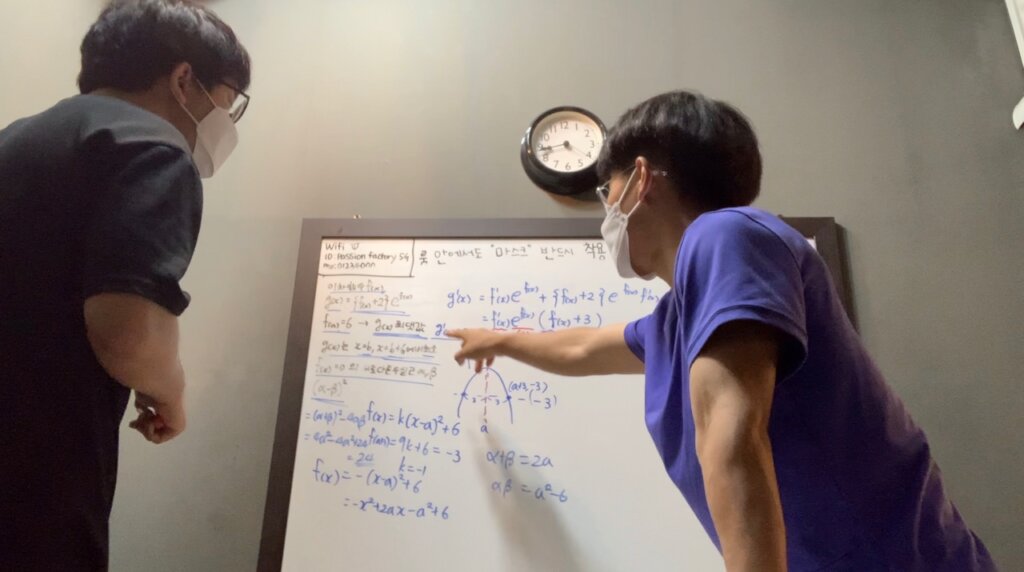
The students participated in lectures about leadership, the structure of the U.S. government, and American democracy and citizenship. These lectures raised important questions about democracy: What is democracy and why is it so important? What freedoms do I enjoy as a citizen, and what responsibilities come with it? What are the elements of sustainable democracy? The group also learned about American foreign policy on North Korea and institutional changes in Eastern Europe. The students also engaged in discussions about issues important to Korea and unification such as national security, education, domestic politics, foreign relations, and the economy.
These lectures also helped the students develop analytical skills and critical thinking, as unlike many of the lectures the students had grown accustomed to, these lectures were discussion-based. The students developed important skills from their three-week leadership program. I witnessed them mature. They learned that people have many different opinions, and that engaging with different opinions can strengthen their own. They also developed a sense of tolerance and understanding for one another.
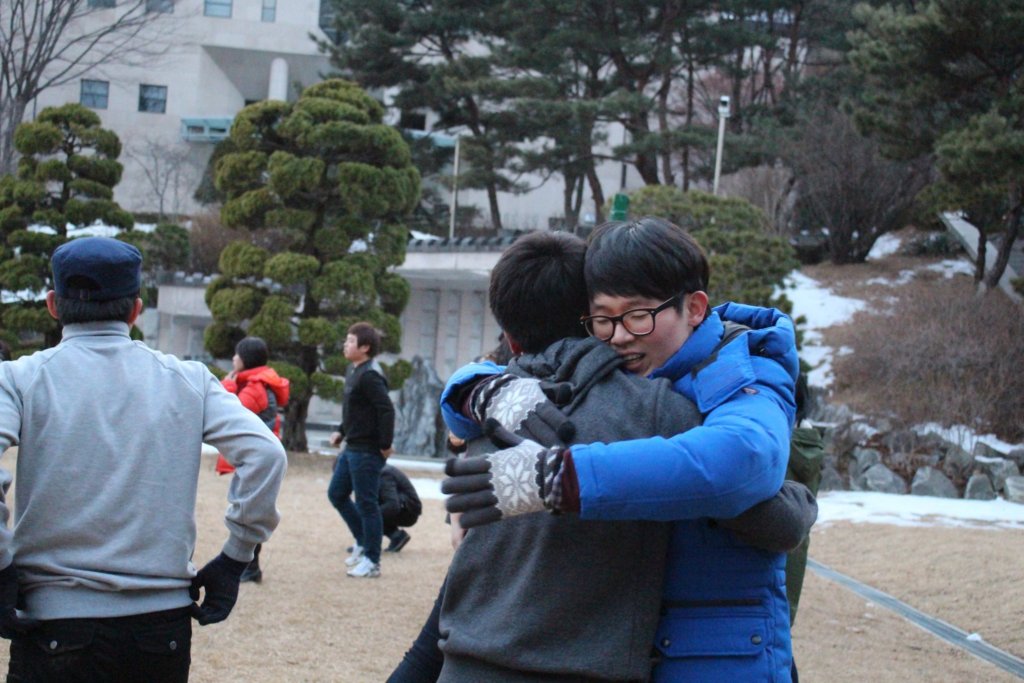
In its own way, the trip became a small reunification of North and South Korea for the six students from North Korea and the three students from South Korea. I felt that unification could not be too far away, as long as we learn to recognize, tolerate, and accept differences among one another.
Project reports on GlobalGiving are posted directly to globalgiving.org by Project Leaders as they are completed, generally every 3-4 months. To protect the integrity of these documents, GlobalGiving does not alter them; therefore you may find some language or formatting issues.
If you donate to this project or have donated to this project, you can receive an email when this project posts a report. You can also subscribe for reports without donating.