By Ljiljana Vasic | Director
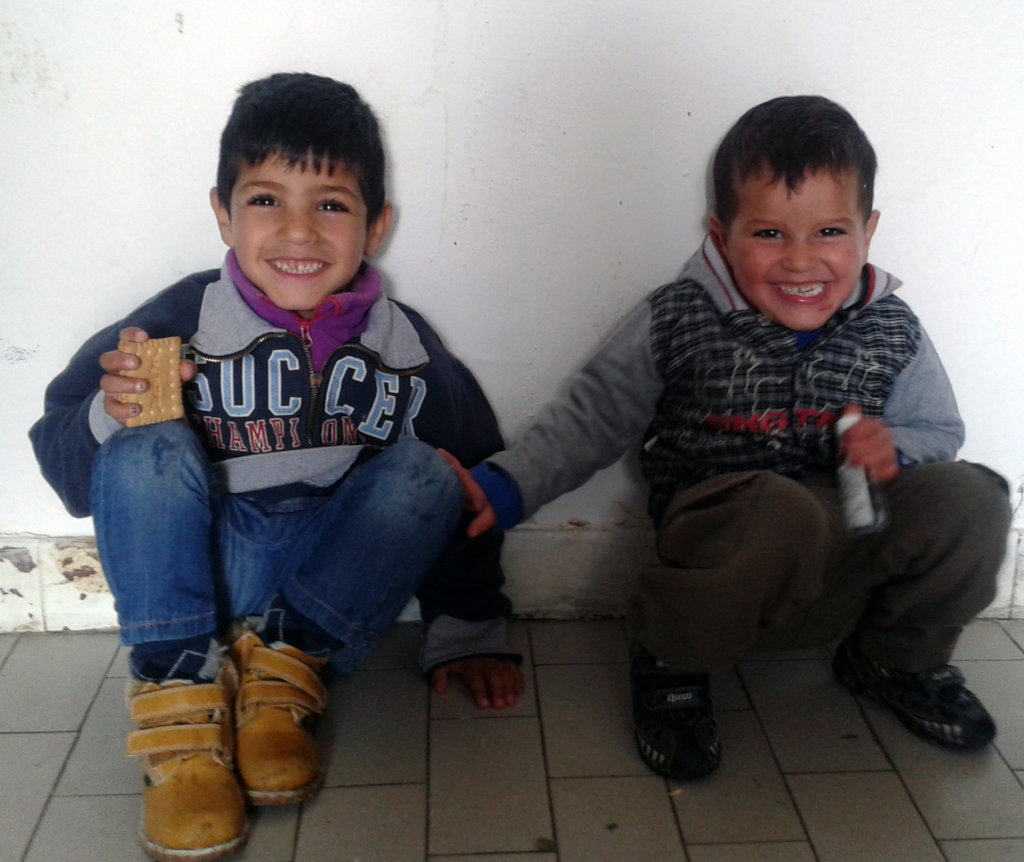
It was springtime this year when we first met at the Institute for upbringing of children and youth in Belgrade. This is the place where refugee children mostly from Afghanistan and in small numbers from Pakistan come and go on a daily basis. Sabur welcomed us with a warm smile, without saying a word. We entered into a modest room, which he shared with other refugee boys. Immediately, it seemed that we stepped into a bit of Asia. All the walls were covered with drawings of earth, sunny skies, houses, children and black-red-green striped flags. We were surrounded by coloured stories of refugee children showing who they were and where they came from. At this picturesque wall there were a few paintings of strange, giant animals and a boy with strong muscles. It was signed: Sabur.
This fifteen year old boy arrived at the Institute at the beginning of the year, with elder brother who was placed in a refugee camp. He came exhausted, and his twenty-two-year old brother was in poor mental condition. He often visited Sabur and persistently tried to persuade him to continue their journey the smugglers’ help to Western Europe.
Looking at a mild face of a silent Sabur, one could feel the life, tender heart, compassion with it, but suddenly just a little knowledge of this life has been missing. Is he just a boy like everyone else in the world, is he a “kite runner” like the other boys in Afghanistan. Is his ethnic background important, what are the right words to say? What people know about the life of children in Afghanistan, what people know about Afghanistan, anyway? In the best case, it has become a dangerous place to live after decades of wars. Or, this is one of the poorest countries in Asia, where nearly half the population has only one dollar per day for life. Are just those two crude facts enough to embrace every child who managed to escapea country of huge despair?
Sabur and his brother came from such a world. As the oldest sons, they worked hard physical labour, even in the quarry. And when the wage was not enough for the family to survive, parents sent them into the world, to get the best they can, to find work and send some money back home. This was the last solution for the poor family of six boys and two daughters to go on with their lives.
After four months Sabur was pleased to see us back again. He smiled, opened his arms joyfully and embraced us.
“How are you Sabur?”
“I am well. And how are you?”, asked Sabur in good Serbian language. He was proud he succeeded to surprise us with his Serbian language knowledge.
It was a touching and warm meeting as if we were friends for a long time.
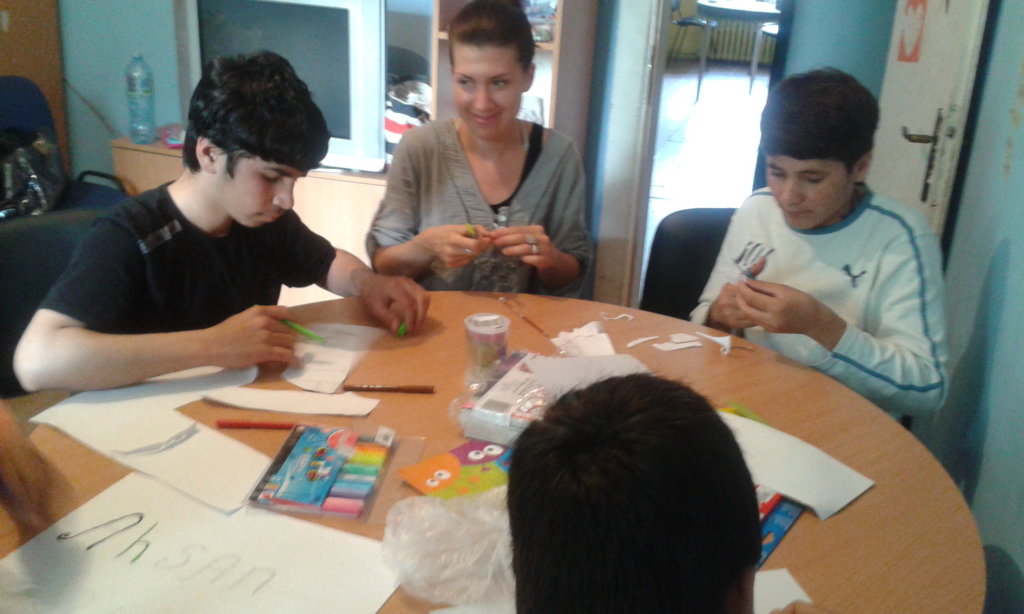
This time Pomoc deci wanted to start up with workshops as a part of psychological help for refugee children in the Institute. We brought sweets, a few balls for sport, badminton and accessories for drawing. Sabur immediately sat down at the table to create a new drawing together with other friends. His new drawings have now been full of flowers, little black and a lot of green and red colours of Afghanistan.
Sabur’s brother health improved and soon they would be able to move on to Canada through UNHCR. Sabur is looking forward to it.
Educators at the Institute are happy that Sabur’s life will continue in a safe place. But they say they will surely miss this tender boy a lot.
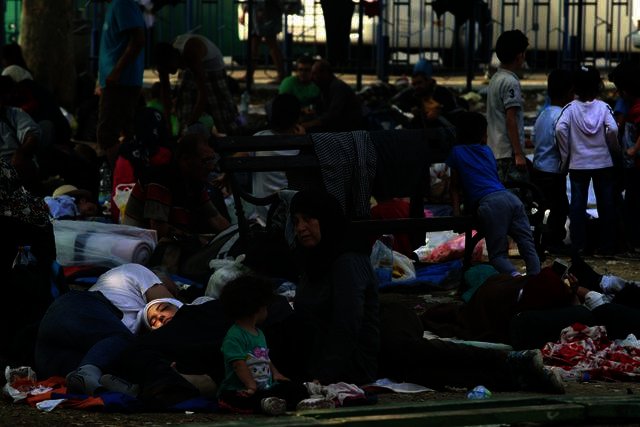
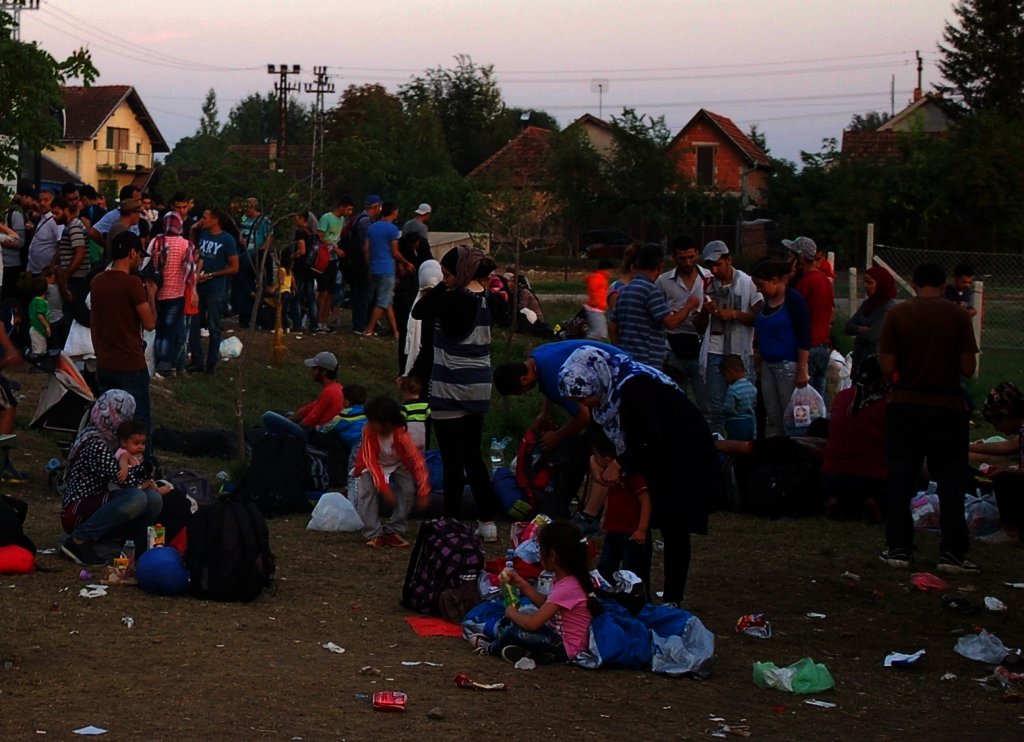
A few refugee children arrive to the Institute every day.
“A large number of children, mostly the boys, stay in the shelter house a day or two, just to take a break, to take a bath and get some food and then move on to Western European countries,” said Kristina Ristic, Head for Foreign Children at the Institute.
Just some of them stayed for months, like Sabur has. Each of the boys came with their personal drama and trauma along the long journey. Sometimes they are in a state of visible depression, said psychologist in the Institute in Belgrade.
Between ten and fifteen refugee children are at the Institute every day. The Institute provides them with accommodation and food, but they need also all other things important to everyone, especially clothing and shoes. So, any help from individuals and non-governmental organizations are precious..
The Institute appreciates donations from Pomoc deci. Our organization provides urgent necessities. These are primarily hygienic items and clothes: jackets, sweatshirts, underwear, socks and shoes. Pomoc deci also provides professional psycho-social help and organises workshops for refugee children.
On June 15th, GlobalGiving.org will be holding a Bonus Day with $110,000 available in matching funds. There will also be two $1,000 Bonus Prizes that will be awarded to the projects with the highest number of donors and the most funds raised on Bonus Day. GlobalGiving.co.uk will be running a simultaneous Bonus Day with £10,000 available in matching funds. Please, consider helping us by donating for our project on June 15th because your donation on that day will bring us additional 50% from the GlobalGiving Matching funds and we will be able to help more children refugees on their way to safety!
Links:
Project reports on GlobalGiving are posted directly to globalgiving.org by Project Leaders as they are completed, generally every 3-4 months. To protect the integrity of these documents, GlobalGiving does not alter them; therefore you may find some language or formatting issues.
If you donate to this project or have donated to this project, you can receive an email when this project posts a report. You can also subscribe for reports without donating.