By Zuhra Shafiq | Program Director
Since 2021, the ability to monitor and track key maternal health indicators in Afghanistan has been severely disrupted due to political instability and the discontinuation or restriction of data systems. This data gap has hindered the health sector’s ability to respond to the worsening maternal health crisis in the country.
Afghanistan currently has one of the highest maternal mortality rates in the world. According to the latest estimates by UNOCHA (2025), more than 600 women die per 100,000 live births—a figure that is nearly three times the global average. Alarmingly, without urgent action, this number is projected to increase by over 50%, reaching 963 deaths per 100,000 live births by the end of 2025 (UNOCHA, 2024). These statistics reflect not only a humanitarian crisis but also the consequences of systemic collapse in women's access to quality healthcare and education.
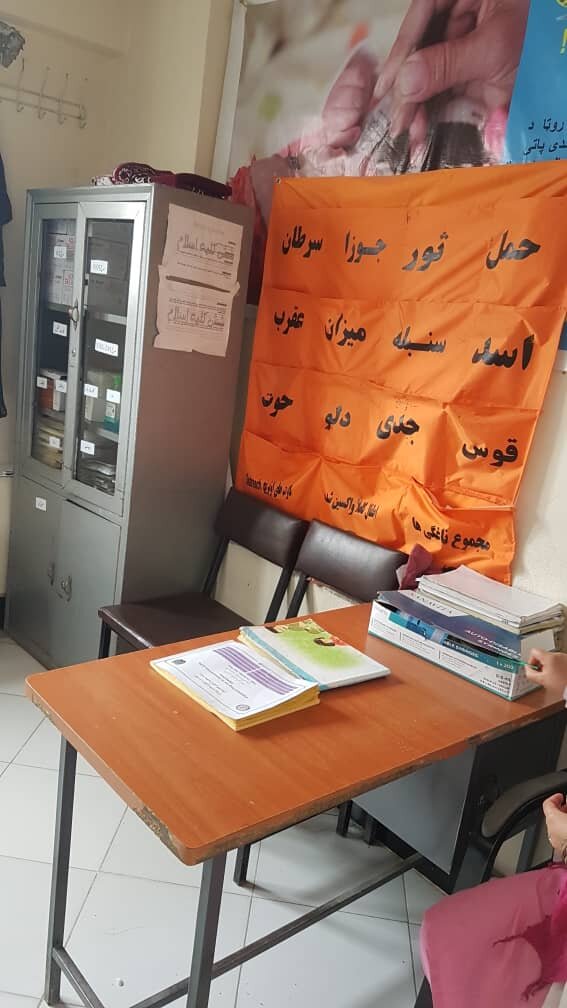
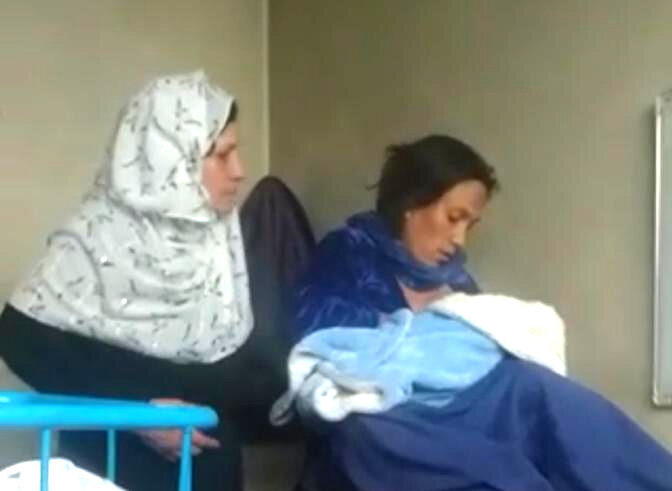
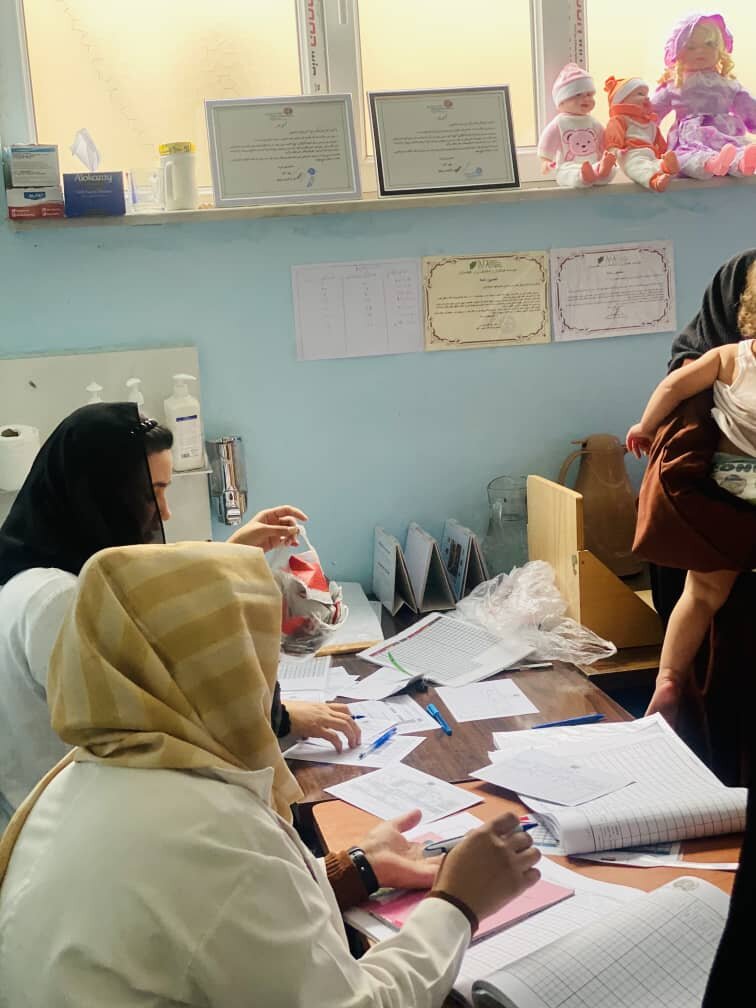
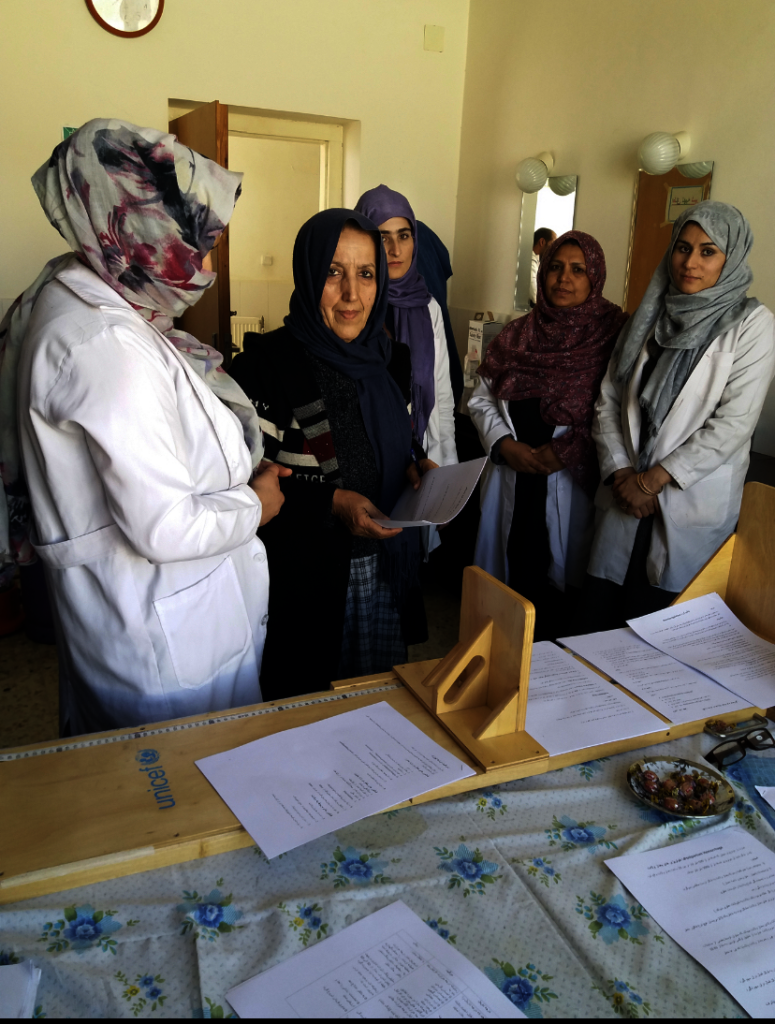
In response to this urgent need, Action for Development (AfD) launched a Midwife-led Community Health Center (CHC) inpatient service in Kabul in September 2024. This facility was established to address critical gaps in maternal healthcare access for women—particularly those most affected by recent socioeconomic and political constraints.
Although our project is in its early stages and we currently lack longitudinal data, AfD is committed to embedding robust monitoring and evaluation mechanisms. We will begin systematic tracking of maternal health indicators as part of our ongoing monitoring framework, with an impact assessment planned for 2027/28 (Year 4 of implementation) to produce localized, evidence-based outcomes.
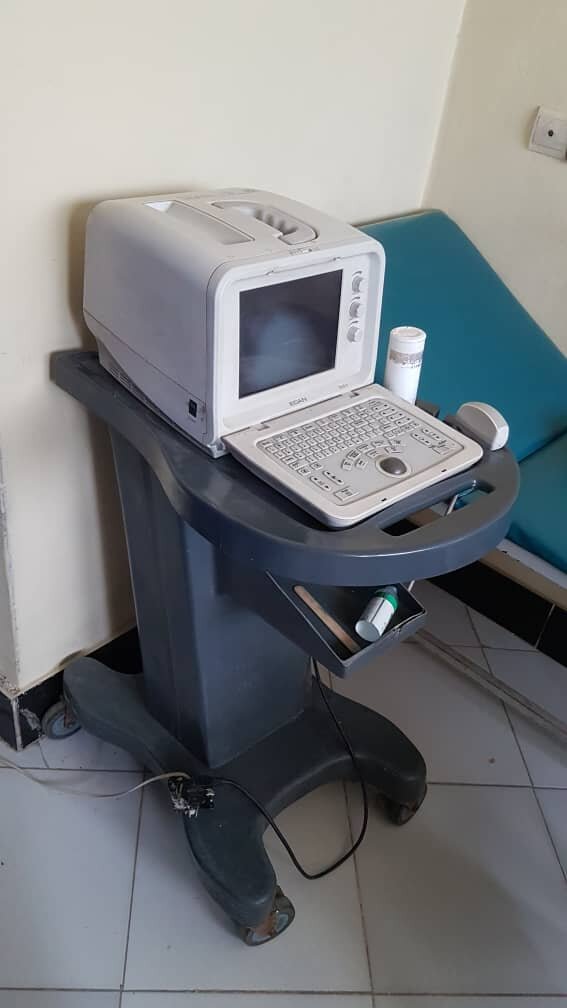
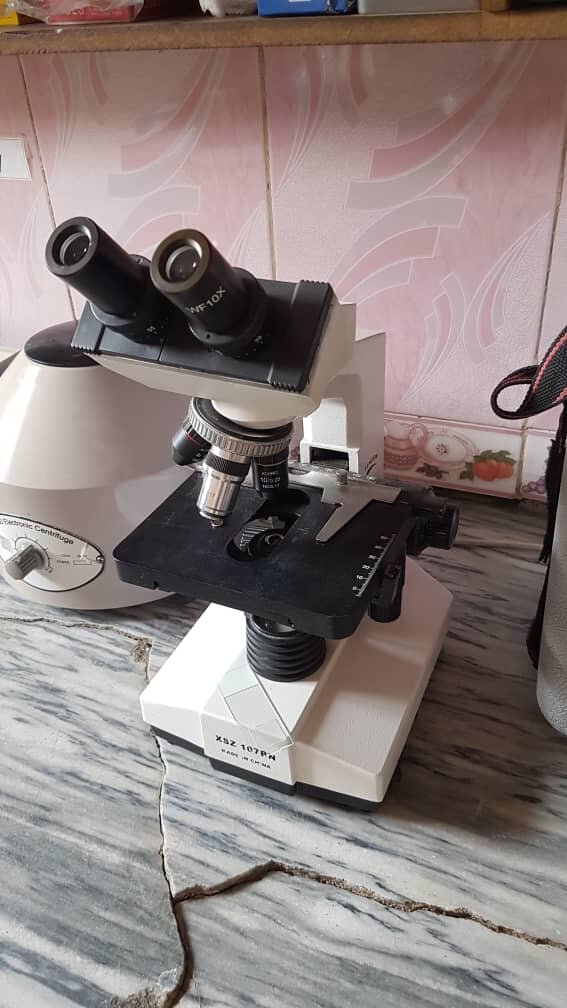
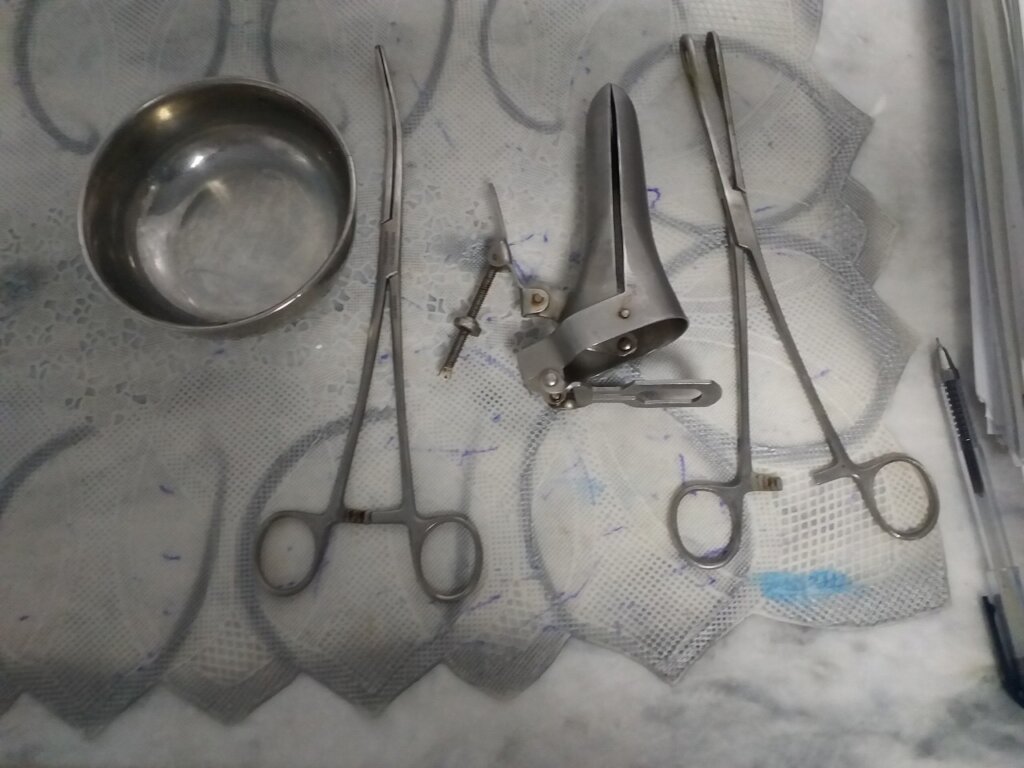
Despite this important milestone, our maternal health unit in Kabul remains significantly under-equipped. We are currently operating with limited resources and lack many of the essential tools, equipment, and medical supplies required to provide comprehensive and safe maternal care.
The following critical needs have been identified:
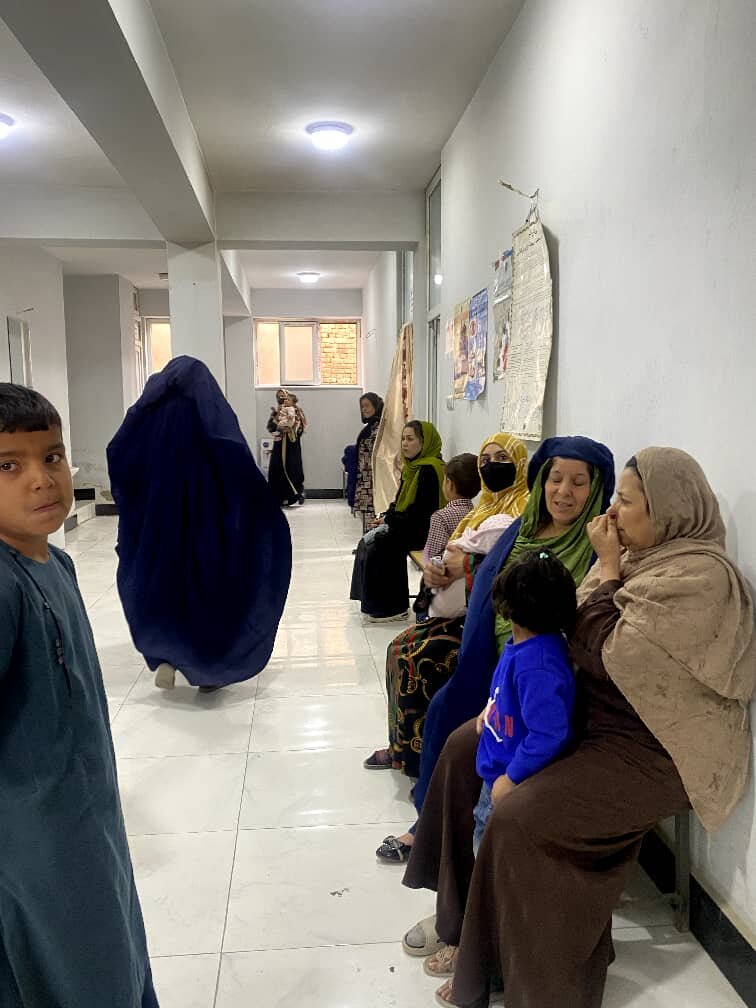
Without immediate investment in equipping this facility, our ability to provide life-saving services will remain limited. This will directly impact maternal and neonatal outcomes, especially in emergency cases. Currently this health facility provides services to over 117 pateints per day. Having necessary medications and equipment is a must in order to ensure accurate diagnosis of the problem and address it tactfully.
Action for Development is urgently seeking funding and in-kind support to fully equip the maternal health service unit and ensure its safe and effective operation. The lives of countless women and newborns in Kabul—and by extension, the broader region—depend on access to quality, respectful maternal care.
Our vision is not only to reduce maternal mortality but to rebuild trust in the healthcare system, empower midwives and female health workers, and generate localized data that can inform national policy in the years ahead.
We call on our partners, donors, and the international community to stand with us in this crucial phase. Together, we can ensure that childbirth is no longer a life-threatening experience for women in Afghanistan.
Project reports on GlobalGiving are posted directly to globalgiving.org by Project Leaders as they are completed, generally every 3-4 months. To protect the integrity of these documents, GlobalGiving does not alter them; therefore you may find some language or formatting issues.
If you donate to this project or have donated to this project, you can receive an email when this project posts a report. You can also subscribe for reports without donating.



Support this important cause by creating a personalized fundraising page.
Start a Fundraiser