By Jane Manson | Fundraising
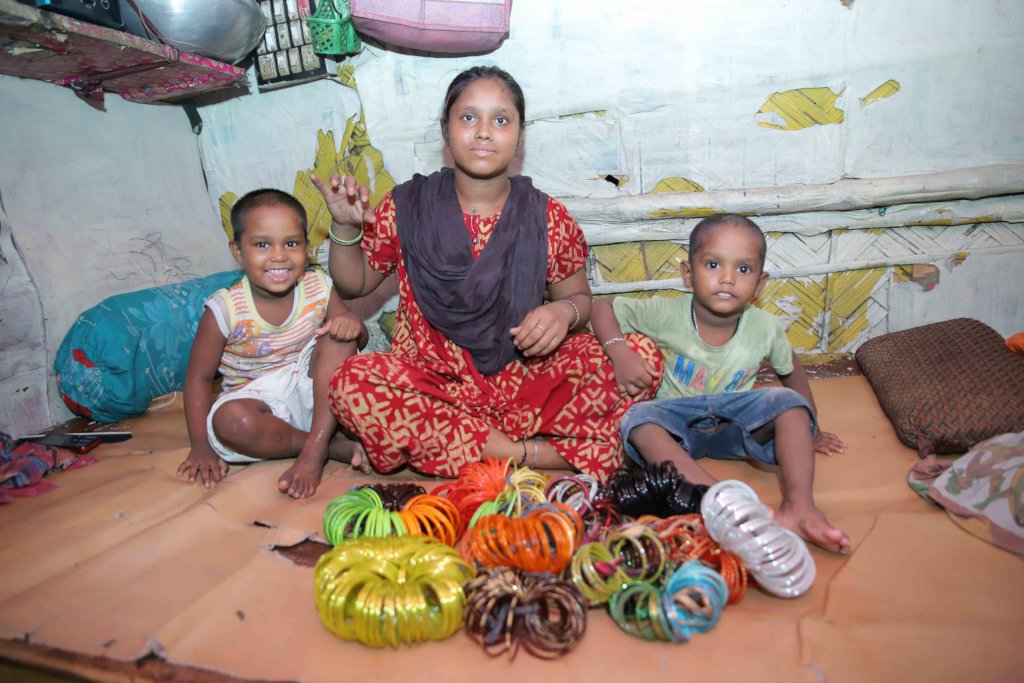
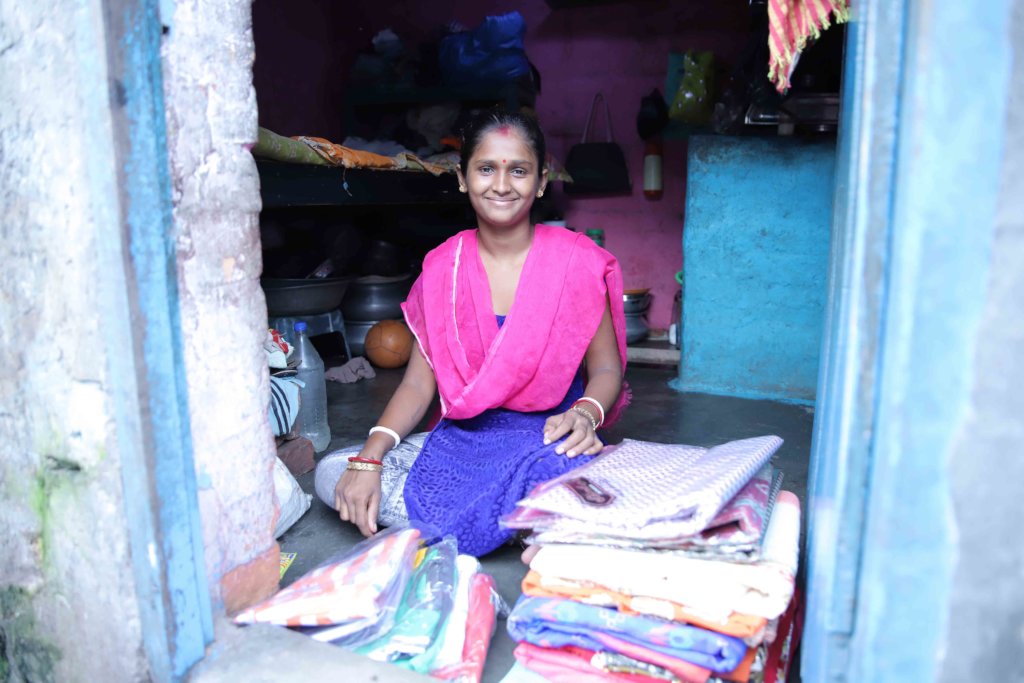
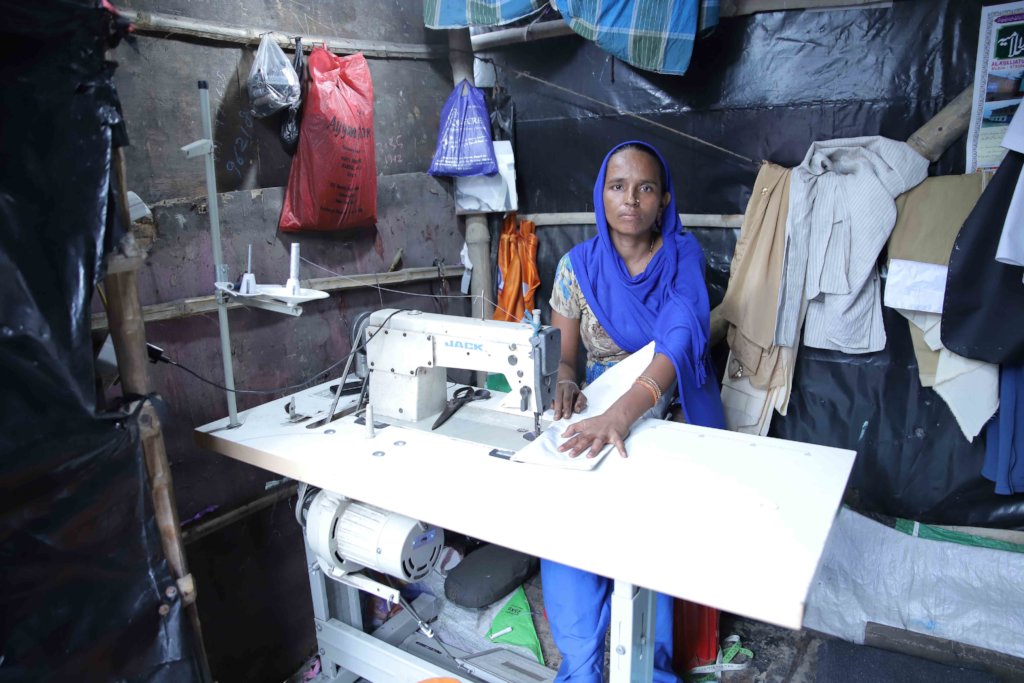
My most recent trip to Kolkata brought yet more positive stories from this great project. Your donations have been put to work as small loans to Kolkata’s poorest and most marginalised people: rag pickers and the ultra-poor who live in shelters alongside the railways and open sewers in central Kolkata. Since this project began over £16000 has been invested as small loans (of less than £250). Every loan comes with a story – many of which you have read in my reports over the last 2 years.
Please consider a special donation this New Year. Every sum donated is loaned to a vulnerable woman who will use it to improve the family income, keep her children in education and even to help her avoid domestic violence. And she will repay the loan which can then be used again and again to help more families. Read on to see how your donation will be spent...
This time I met a group of women who form a CIG (credit interest group). The group members are jointly responsible for loan repayments and also for deciding on who gets new loans. The members of this CIG all live in the Topsia canalside squatter camp. Tiljala SHED staff tell me that all these beneficiaries make their repayments early each month (who ever heard of that?)
Here are some of their stories…
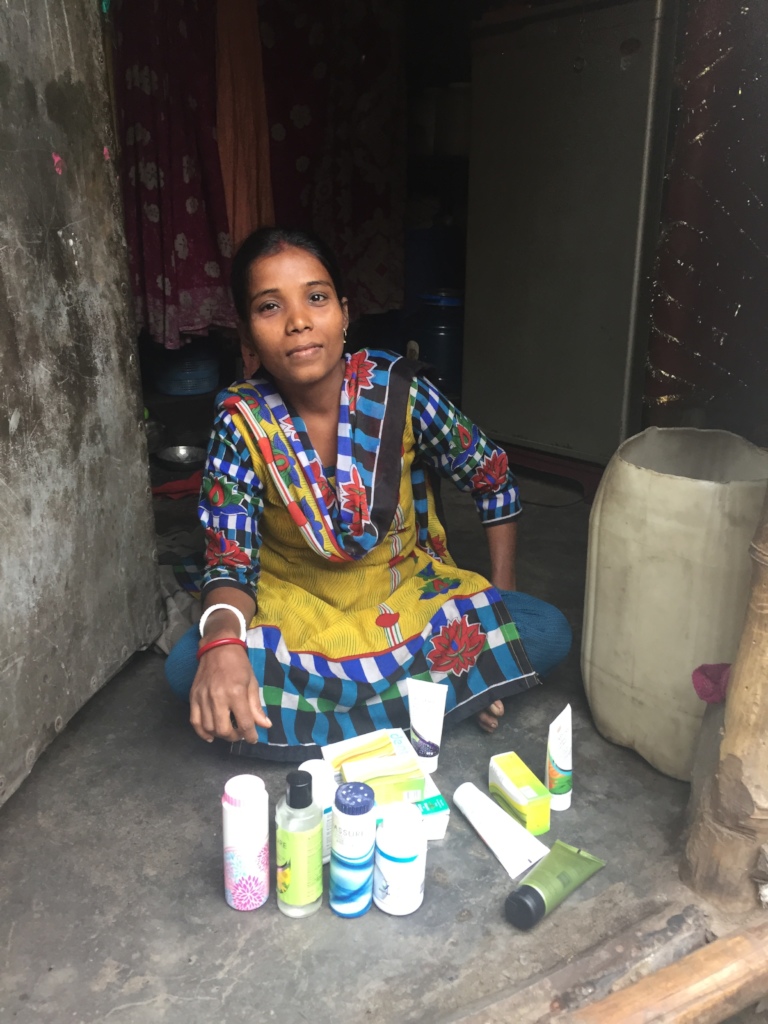
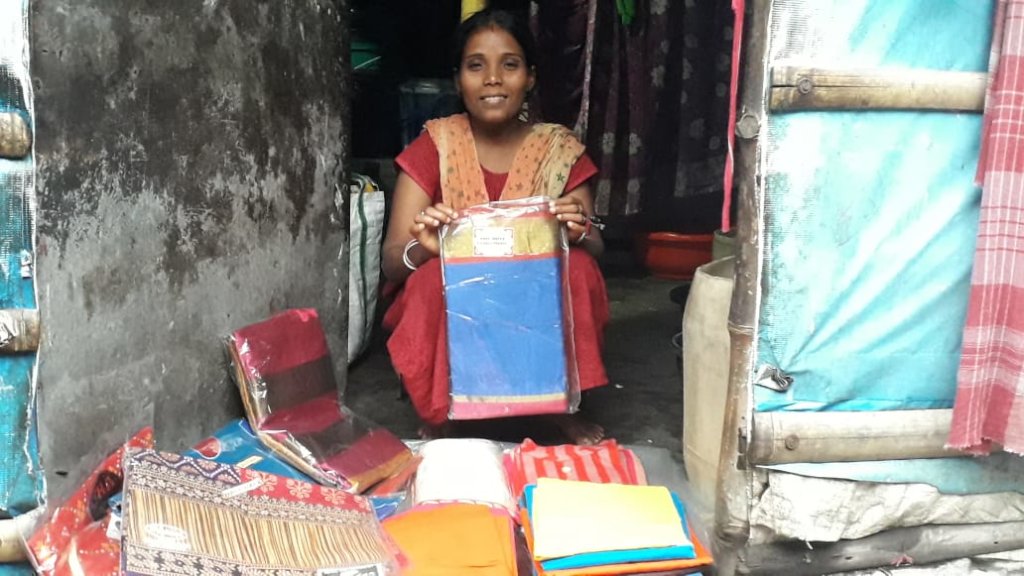
Shankari sells toiletries door to door. Before she took out a Rs15,000 (£180) loan she used to sell cheap disinfectant. With the loan she was able to buy much more interesting and high value stock. She has kept her customer base but has doubled her income. Shankari’s husband is a fish seller and they live in a shelter together with their 4 year old daughter. One of the conditions of the loan is that beneficiaries should commit to keeping their children in education. Well Shankari’s daughter is too young for kindergarten but she is, nevertheless, paying for her to have private tuition.
She has opened a bank account and manages to save Rs500 9360 per month as well as repaying her loan.
Shankari also told us that she suffers much less domestic violence now that she has economic independence.
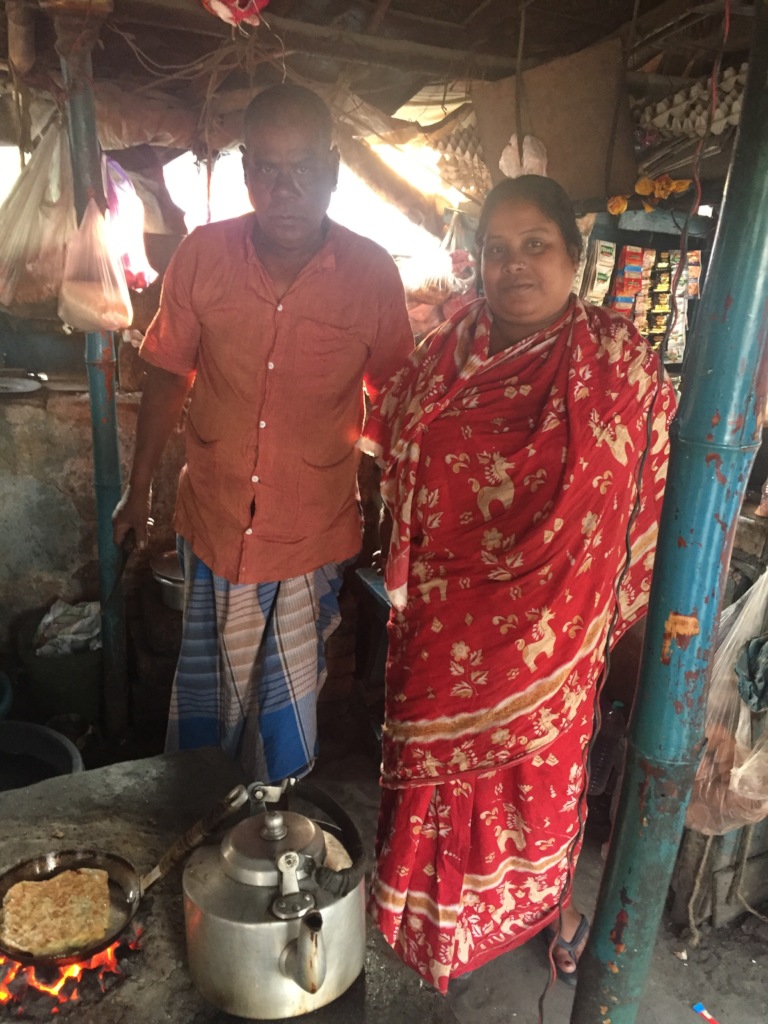
Kakoli has run a small tea stall on the edge of the squatter camp by the main road for 10 years. With her loan she was able to diversify and offer her customers paratha and boiled eggs and guguni (pea curry) for breakfast. Besides repaying her loan (early like Shankari) she is saving to buy a house of her own. She wants another loan after she has repaid this one so that she can start selling evening snacks too.
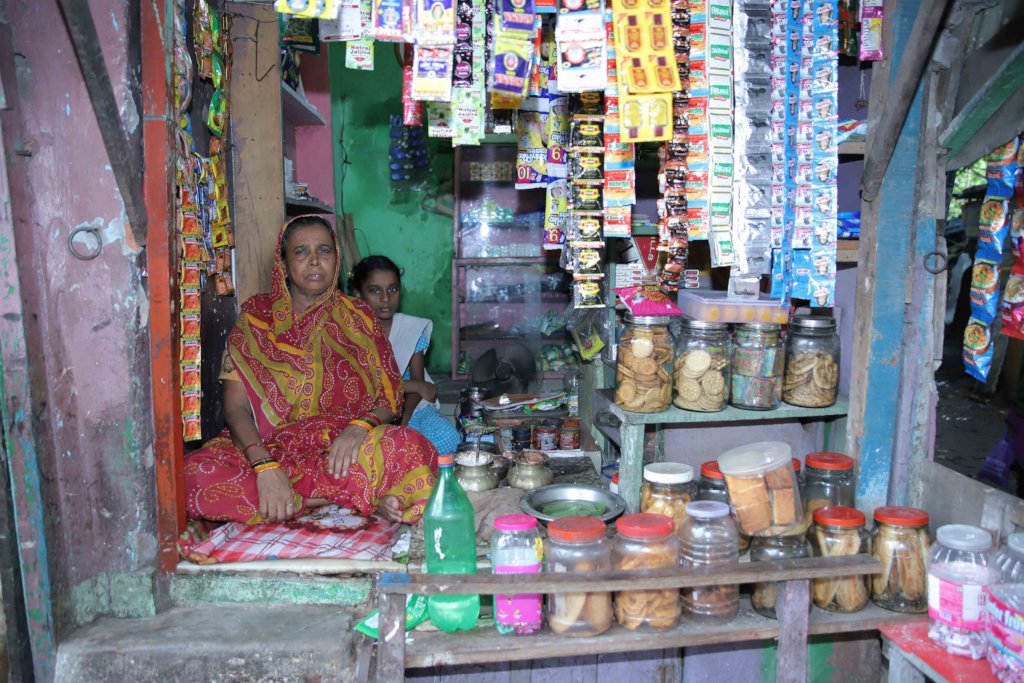
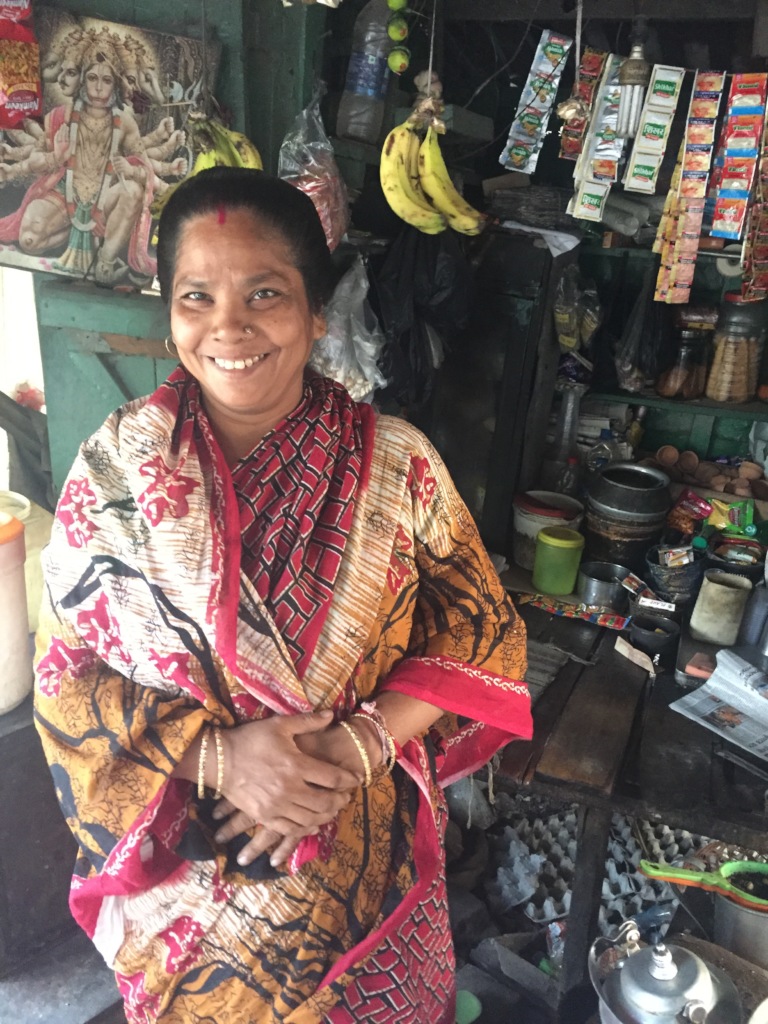
Purnima also sells tea and snacks. With her loan she diversified into other products – sweets and biscuits. She too is looking forward to a further loan to be able to grow her business. She proudly told us how her daughter is training to be a nurse and her son has just passed his class 10 exams.
When I meet the beneficiaries I hear stories like this again and again. I had not expected the loans to provide more than economic benefits, but the social and personal benefits are really significant. These amazing women, given a little training, support and investment can change not only their own lives but those of their families and communities.
They are able to lift themselves out of poverty and aspire to life in mainstream society, marginalised no more.
Project reports on GlobalGiving are posted directly to globalgiving.org by Project Leaders as they are completed, generally every 3-4 months. To protect the integrity of these documents, GlobalGiving does not alter them; therefore you may find some language or formatting issues.
If you donate to this project or have donated to this project, you can receive an email when this project posts a report. You can also subscribe for reports without donating.



Support this important cause by creating a personalized fundraising page.
Start a Fundraiser