By Rick Montgomery | Executive Director, Global Roots
Protecting Maasai girls from FGM in 2015
Thank you for your going donations!
This report includes the following sections:
1. All 72 girls are still protected!
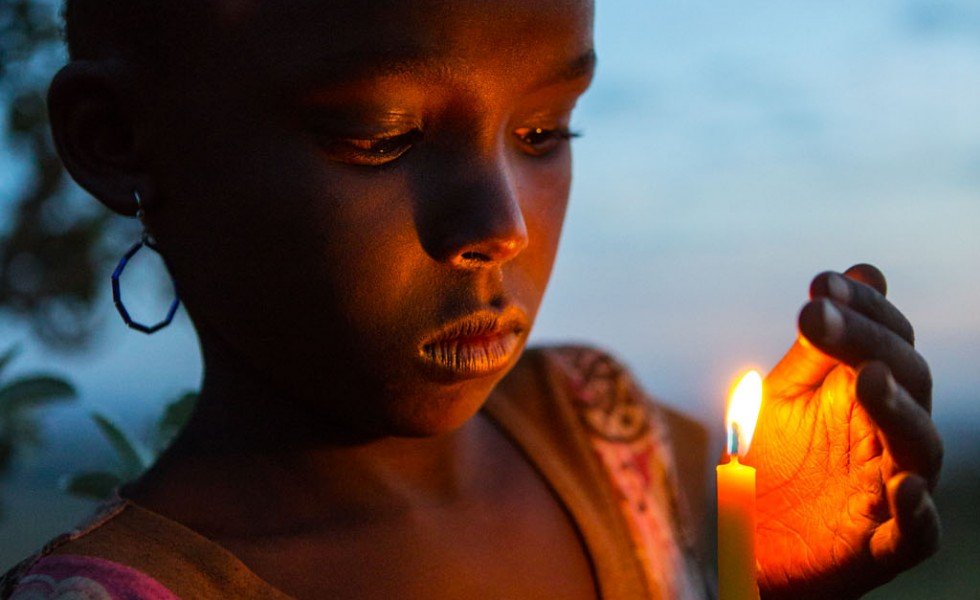
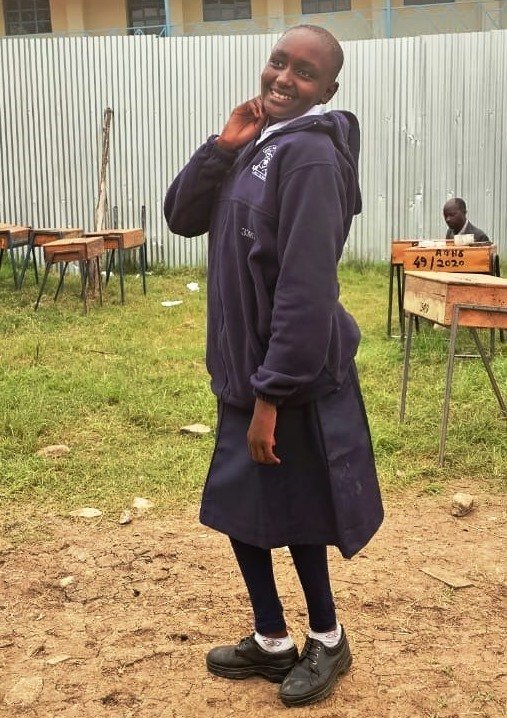
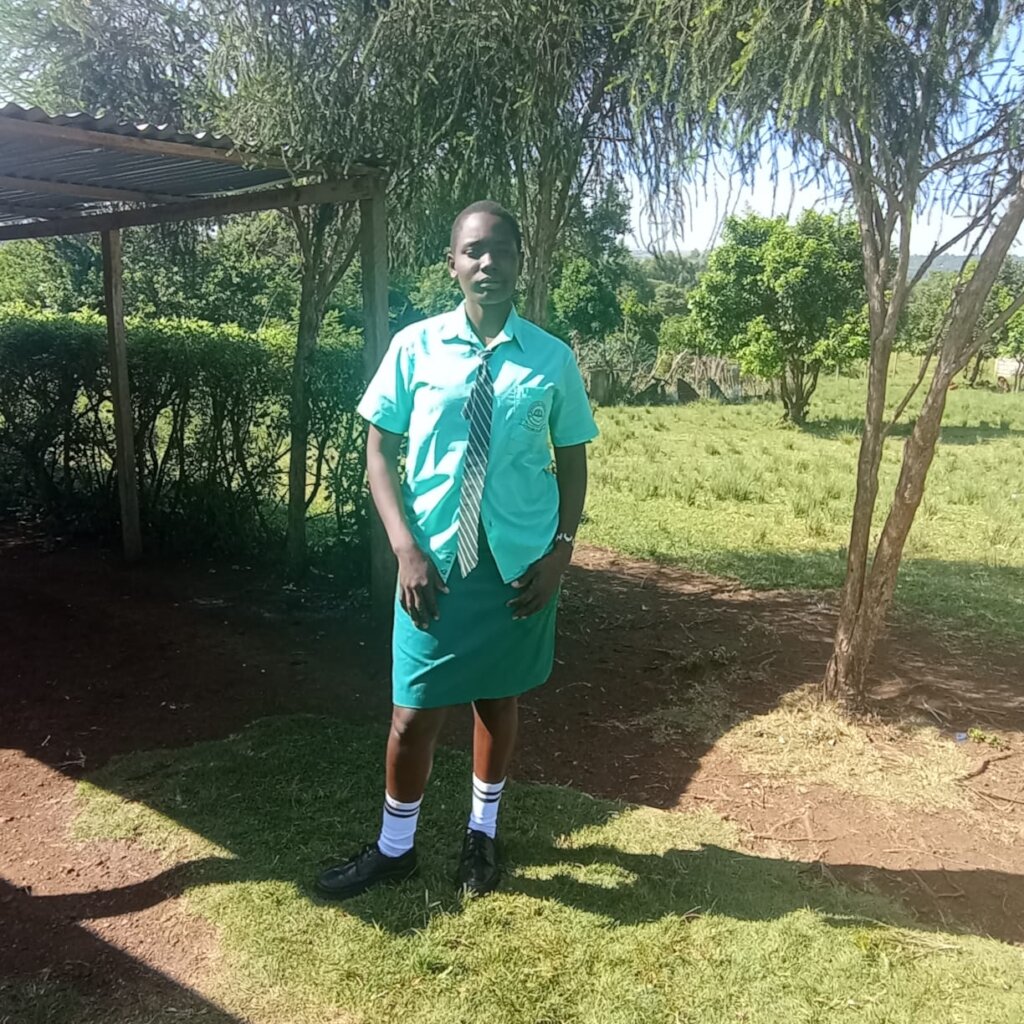
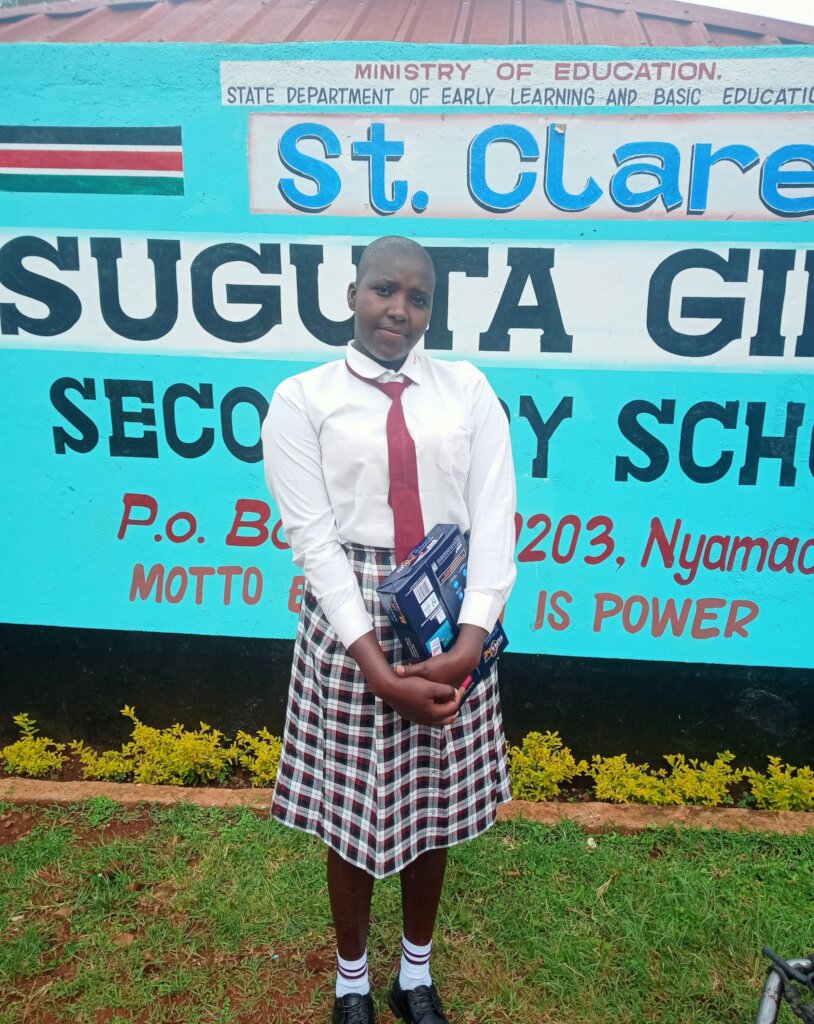
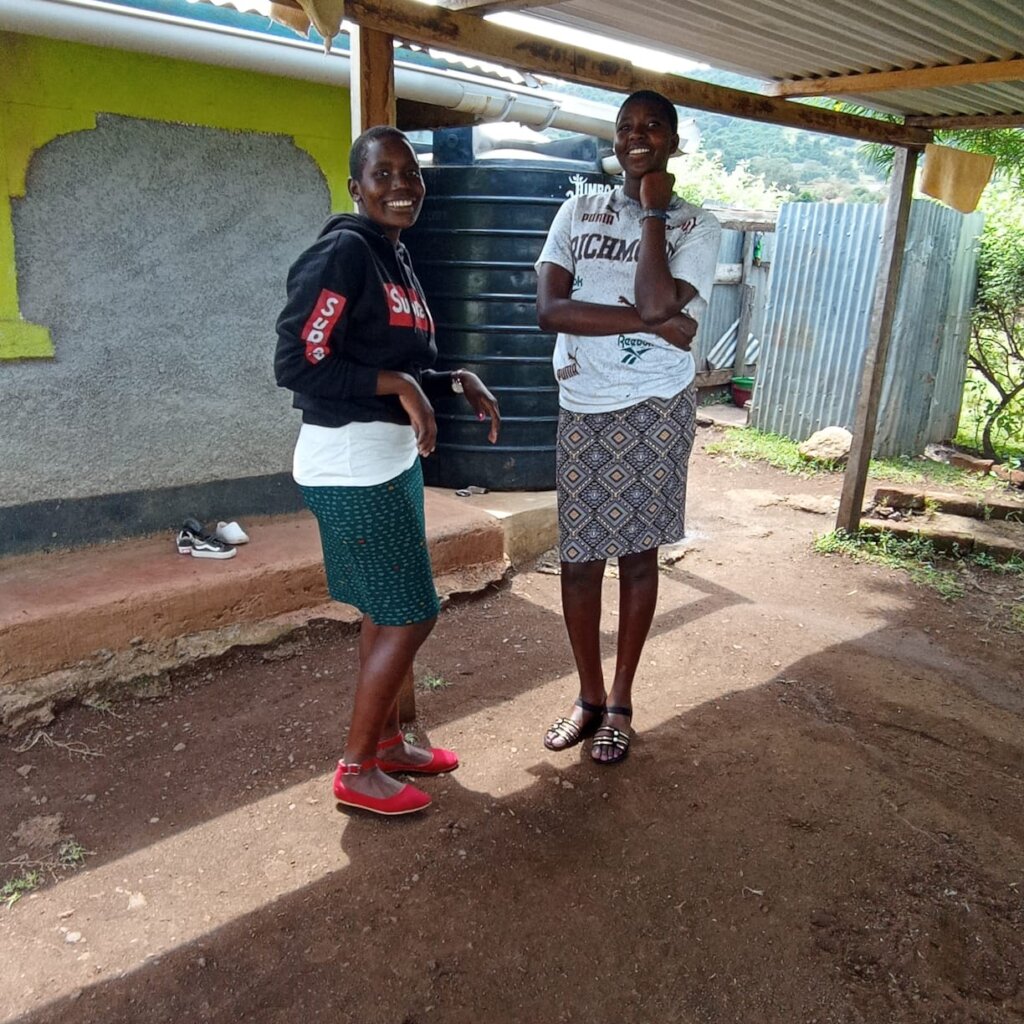
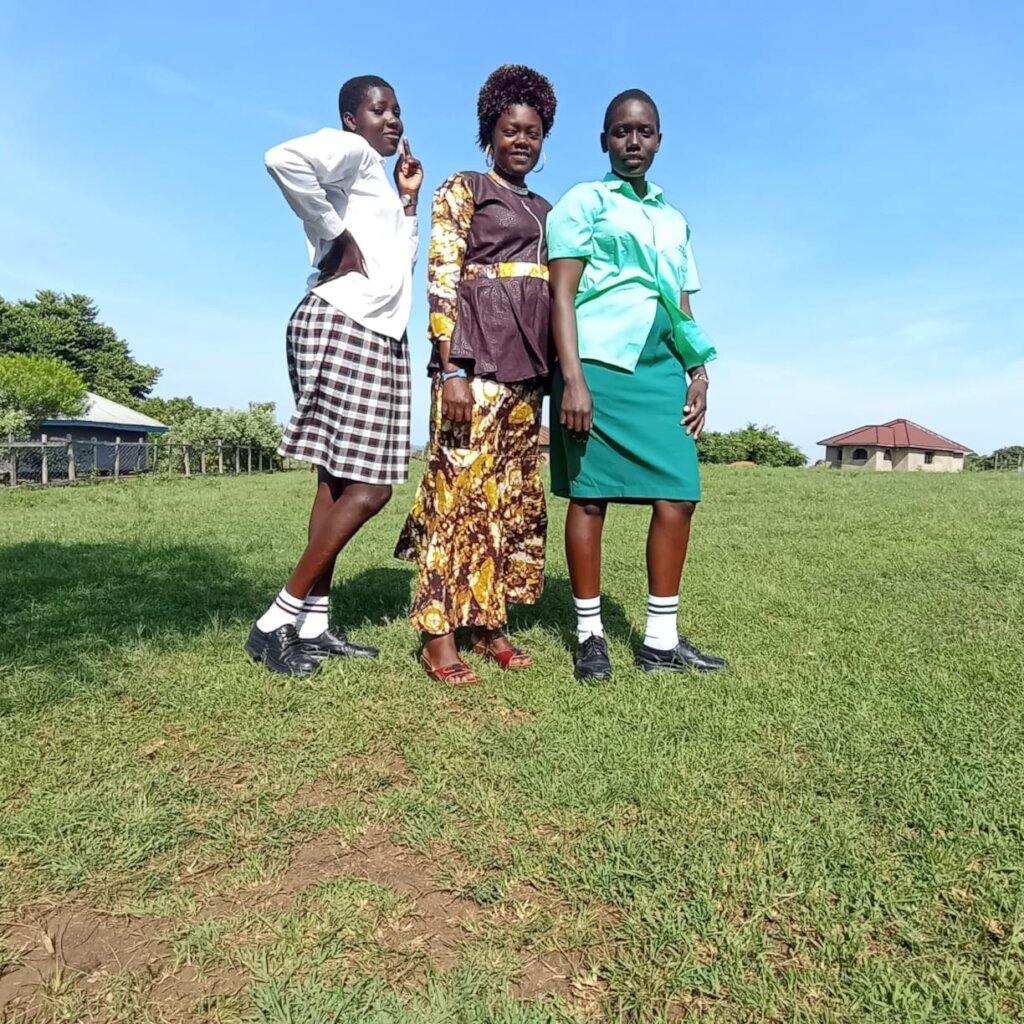
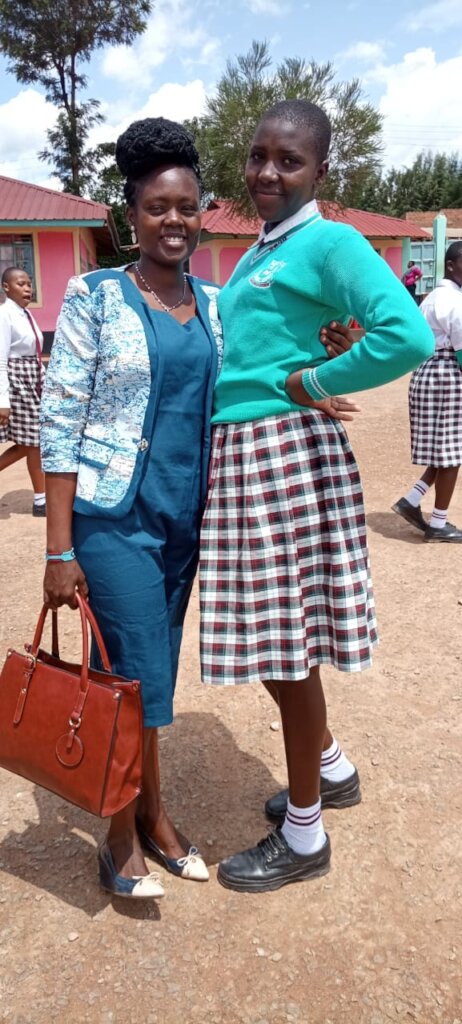
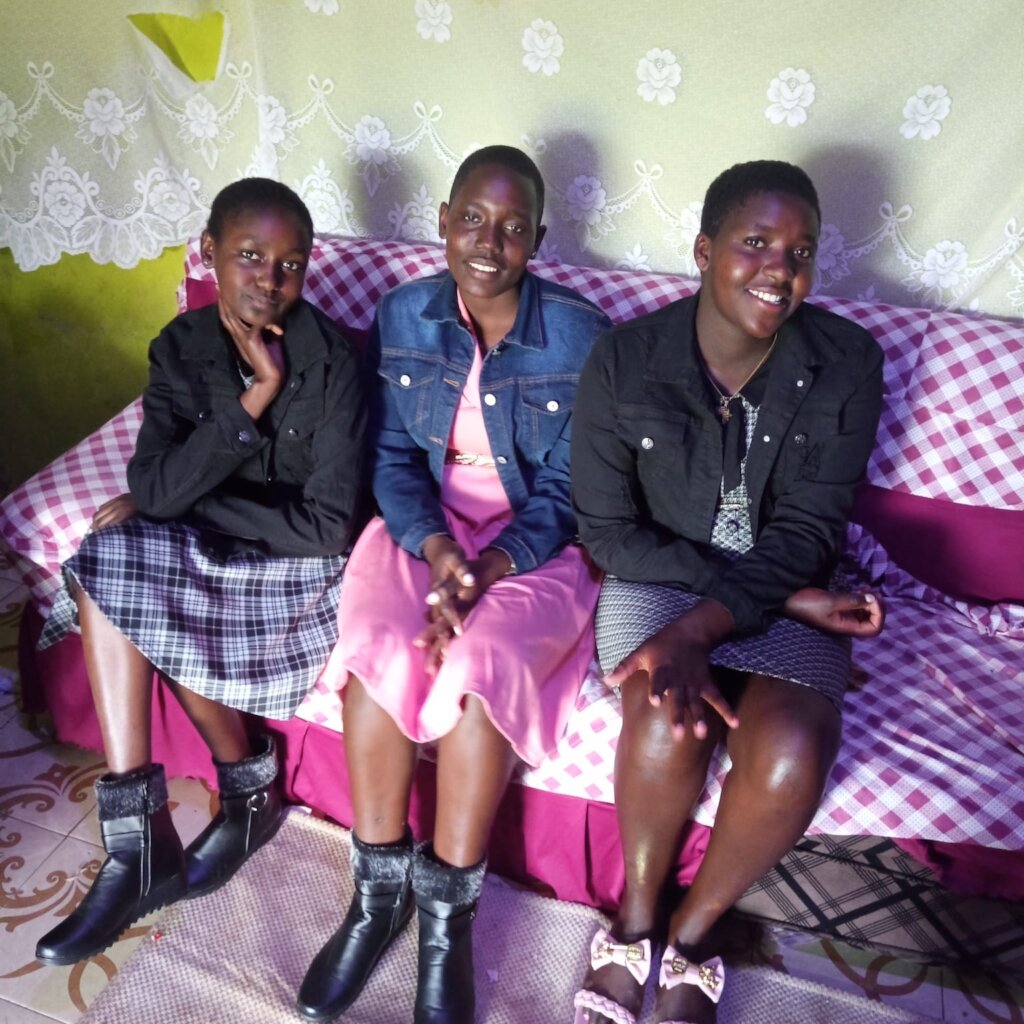
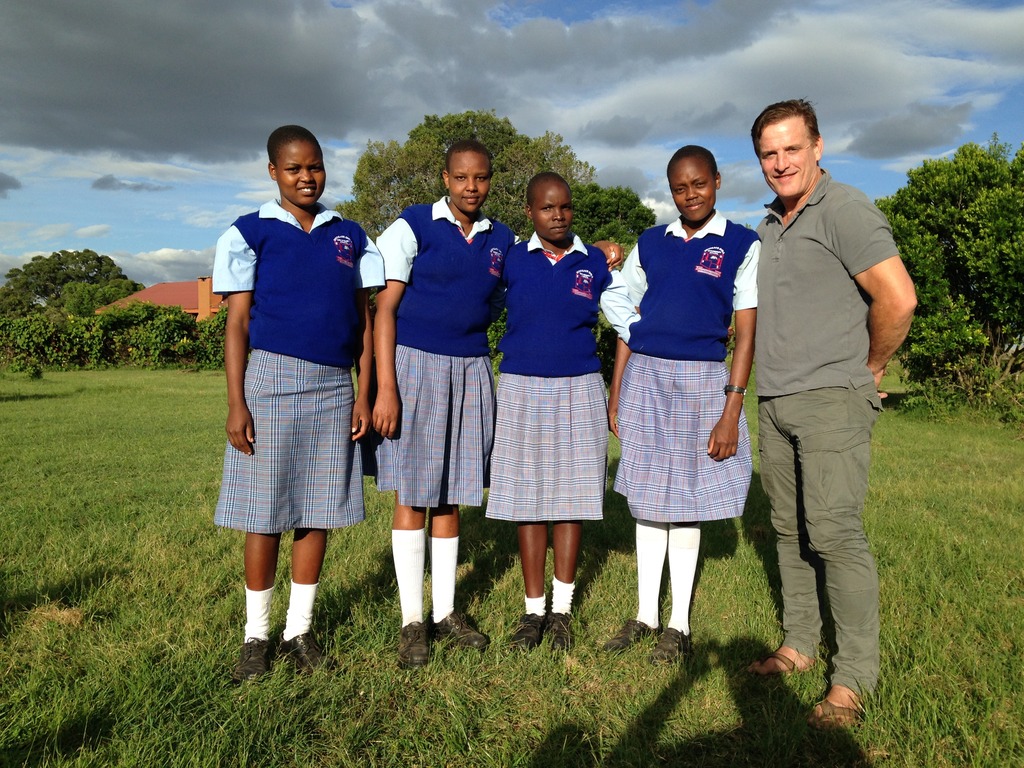
We have just returned from our annual oversight mission to Kenya (July 2015) and we are happy to report that all of the 72 girls we have been protecting from three illegal acts (forced removal from elementary school, Female Genital Mutilation (FGM) and forced sale into marriage) are still protected.
All 72 of our girls ran away from home on the night they learned they were going to have their clitorises and labia cut out by razor blade and sold into early marriage. The number of cattle exchanged would depend on each girl’s beauty and intelligence. Unaware of what “the cut” would mean for their livelihoods (10% of girls subjected to FGM die before they are 16 and the majority suffer life-long urinary tract disorders not to mention other less-talked-about mental disorders).
Global Roots has been supporting the rescue home created by our local partner, Carole N, for over three years. Carole N is a proud Maasai woman who was a victim of FGM as a child and made a stand to protect her own three daughters from it.
She took in her first runaway in 2009 and has been working with local law enforcement officials and Maasai chiefs to receive more girls ever since.
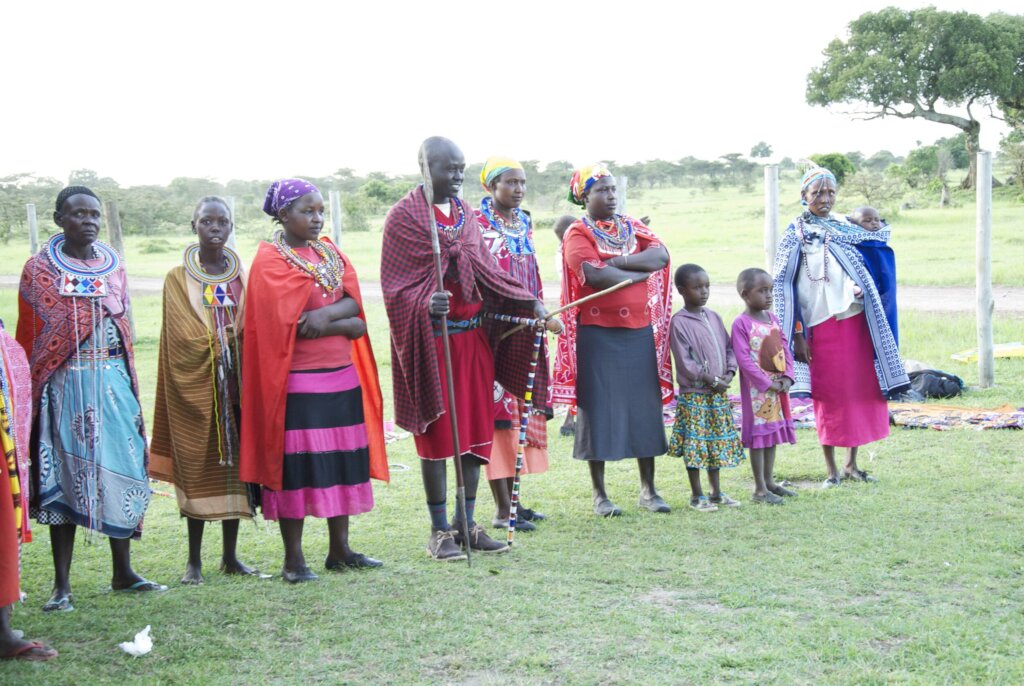
FGM is a crime in Kenya and no police officer or Maasai chief can return a girl to her minyatta (Maasai village) once the girl has sought protection.
2. Program background. In Kenya, most young men are socialized to believe that women are not generally not useful member of society. They learn at a young age that women are inconsequential in the grand scheme of things and definitely should not be leaders.
Women are considered objects and are treated and even traded as such. African men behave according to these practices and this perpetuates violence – leading to to human rights violations.
FGM is a traditionally perpetuated barbaric act which is one of the key element in the cascading impact in the communities. At first, girls between 6 and 12 are mutilated (circumcised) which lead them to think that they are an adult (right of passage) and ready to be married. They then get married, and have children sometimes as early as 14 years old. She then is caught into a life of servitude to an older husband, as a child caretaker and a cattle herder. They are deprived of any kind of education.
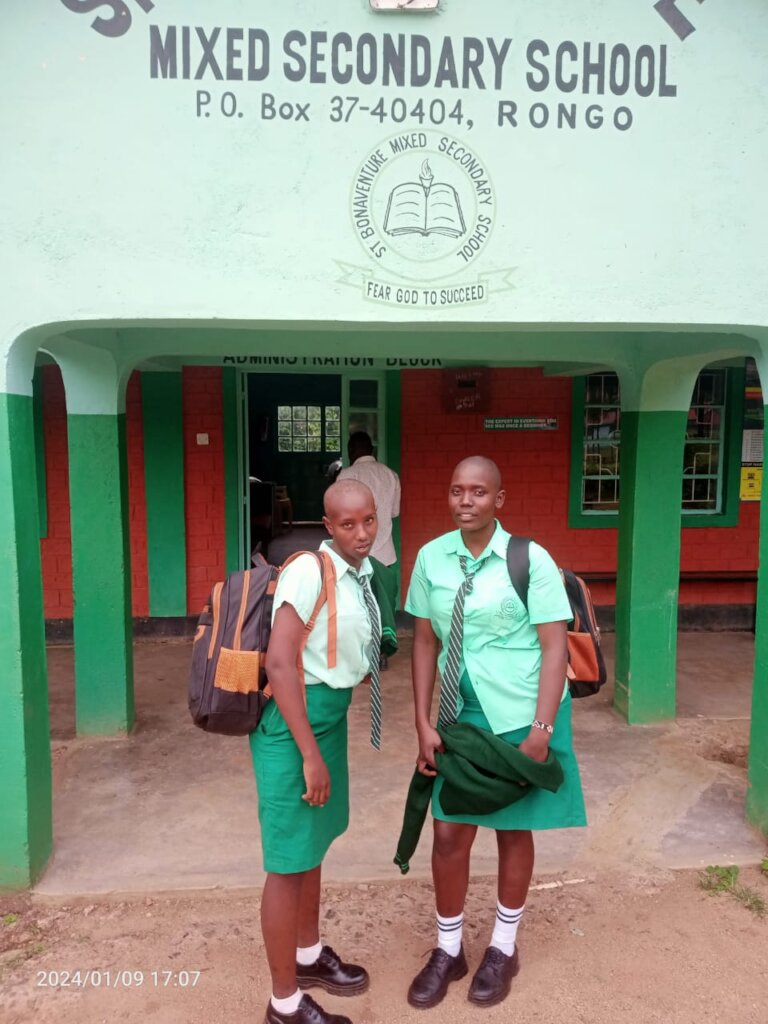
How our program actually works. In short: we pay boarding school fees for the 72 girls we support directly to their boarding schools.
3. Program Administrative structure. Funds are first wired from the USA to Anthony K, Lead Transparency Officer for Global Roots in Nairobi. Before wiring funds onward to eight different boarding schools across the Trans-mara region and Maasai Mara regions, Anthony must establish the “relative need” of each “Maasai 72” by analyzing each girl’s particular situation. Each girl’s need is different based on the relationship we have established with the participating boarding school.
Relative Need. When Global Roots met our local partner Carole N. four years ago, we agreed to start paying a portion of quarterly school fees for the Maasai 72. We were not told, however, that each child was already carrying debts from fees not paid previously.
Severely underfunded at the start, Carole gave each school as little as possible so that she could take more girls in. Ultimately, Carole employed what we have come to call “Carole’s Smokescreen” to maintain control over program finances. She knew that the girls would be rejected and she would be forced to send them home if she admitted she had no idea how she could eventually pay all fees due.
Without Carole, all of the girls would have been forced to leave school, undergo FGM and be sold into marriage. Ten percent of the 72 girls would have died before the age of 16 — mostly due to the hemorrhaging of their FGM wounds when they are reopened during the birthing process. Those lucky enough to survive would have lost their chance at a high school education. They would birth their first child at 13, suffer from diseases related to their wounds for the rest of their lives.
Carole heard that Global Roots was looking for a local partner to struggle against FGM three years ago. When she learned Global Roots was in the Mara on a service mission, she flagged a taxi down in Kilgoris and drove three hours across the Maasai Mara to meet our Executive Director and discuss a partnership.
It is not uncommon that we do achieve immediate 100% transparency with our partners. We continue to question, cross-reference, validate, and investigate, to get closer to reality. You can imagine how difficult it is to operate such difficult programs with the distance, the language barriers, the regional relationship and cultural dynamics.
We have learned that different schoolmasters allow for different levels of debt. One year ago a schoolmaster who allowed debt was replaced by one who didn’t and five of our girls were immediately expelled.
Fortunately, we had already set up an early warning net which allowed us to successfully intervene and pay the fees before the girls were sent home.
It is our goal to wipe out the debt for the first four of the Maasai 72 who are graduating from high school this fall. None of the schools we deal with allow a child to graduate and take college entrance exams if they have debt.
Our local transparency officer has worked hard to eliminate all admin smoke screens so that we know the situation of each girl.
4. Current Updates
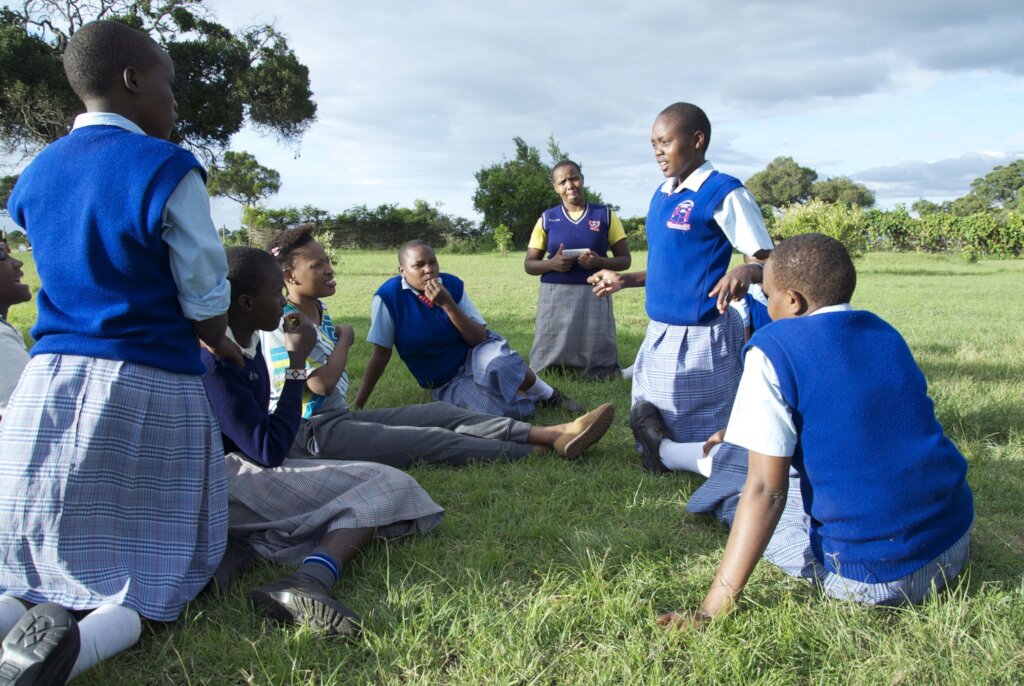
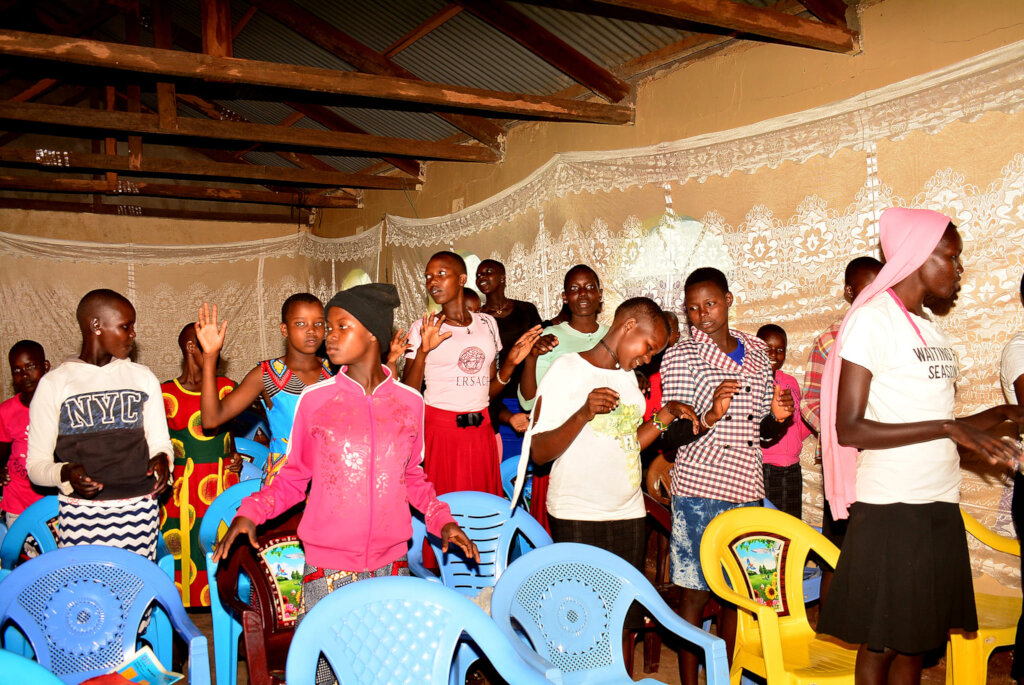
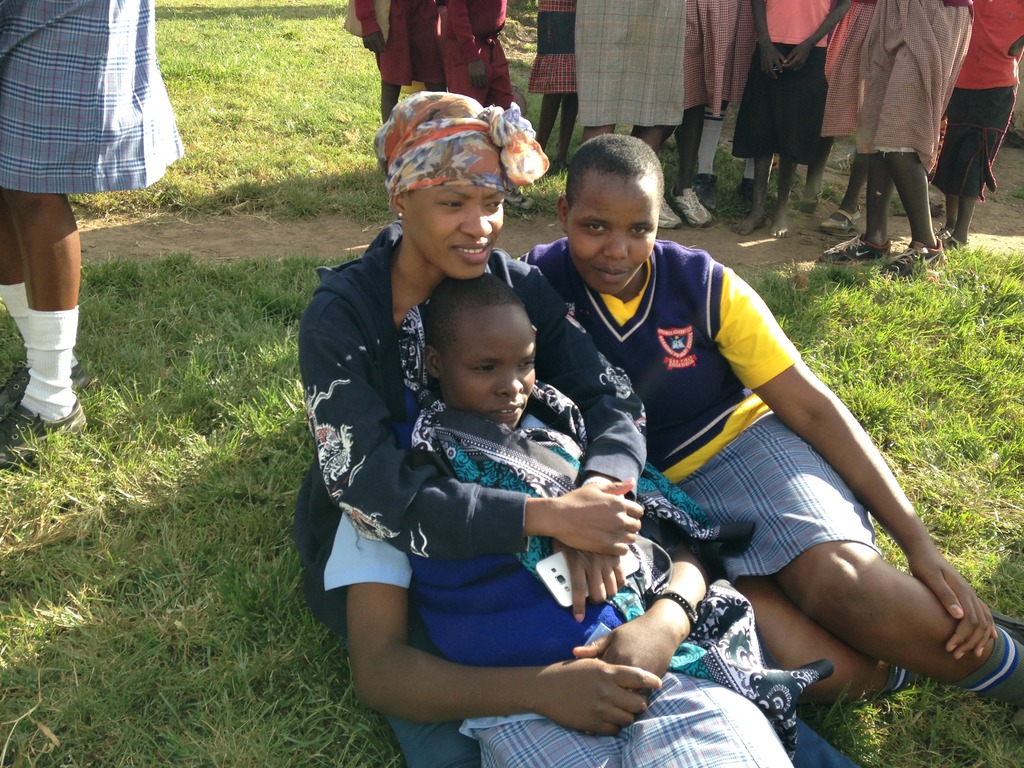
Maasai School Girls sing about the benefit of education to a Maasai Minyatta. On July 5, 2015, Global Roots funded a trip for 10 of the Maasai 72 to sing, dance and act out a play that shows what an educated girl can bring to any Maasai community. The details of this epic journey will be told in our next project report.
The Global Roots summer dormitory. Global Roots currently funds 50% of the boarding school costs for the Maasai 72 and we also help with food and accommodation during the two months of the year when they are not at boarding school.
Unable to return to their parents, the Maasai 72 sleep in a Global Roots funded dormitory in the Kenyan city of Kilgoris during the two months they are not in boarding school.
The next month long vacation is August 2015 and we have already contracted the same dormitory that we used last summer.
Nike employees donate 1.2K. Our executive director Rick M. was interviewed on Nike radio (Chaos) two months ago and managed to raise 1.2K from Nike employees. Along with funds raised from generous donors at Global Giving and a private donor in Portland, OR — we were able to pay all spring fees.
5. Movie in the Making
Mary K. — the documentary. A key element of our new plan is to create a documentary movie that tells the story of Mary Keruta — one of the first Maasai girls to seek protection from Carol N.
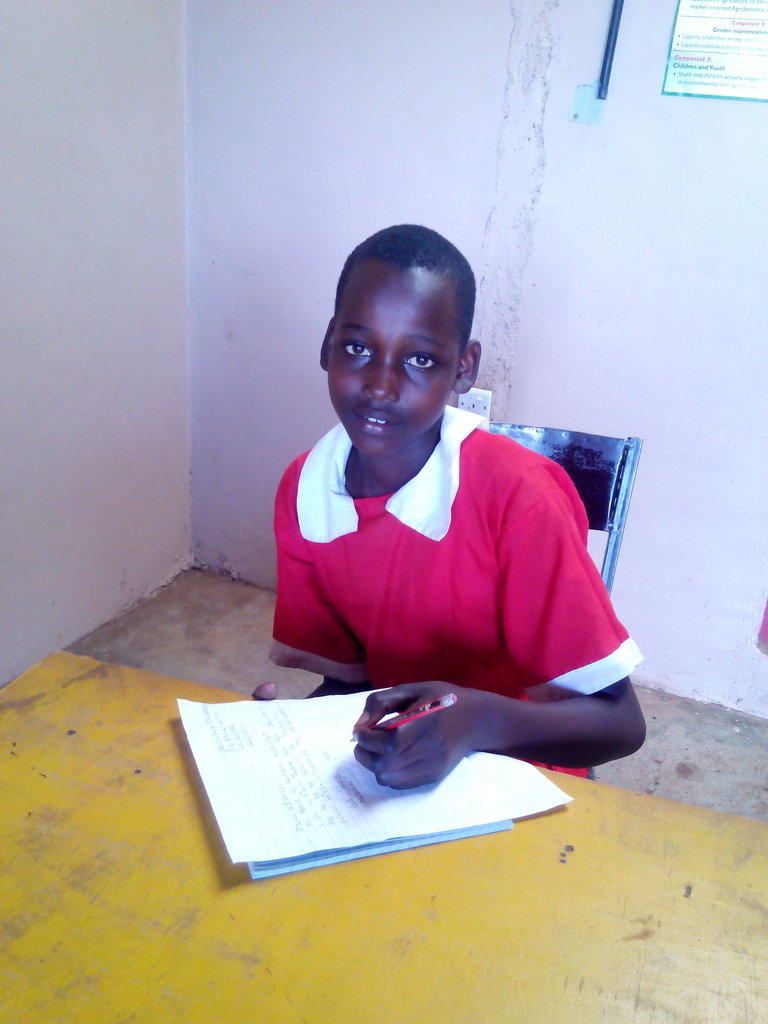
Mary is 17 years old and is about to graduate high school with top honors. She is an accomplished athlete (soccer and track), loves to sing and dance (she created a dance and theater group that is composed of nine other members of the Maasai 72) and she has excelled in academics. She is currently the top pupil in her boarding school and plans to attend college with a grant from Global Roots. Mary wants to become a lawyer so that she play a key role in protecting future Maasai girls from FGM.
We are convinced that the true story of Mary’s successful flight from a lifetime of slavery and the lifelong pains of FGM, if told in an uplifting way, will inspire viewers to take action. FGM is illegal in Kenya but not enough is being done to stop it. The Kenyan government relies on whistle blowers inside Maasai communities to locate those parents who mutilate their daughters. We are currently negotiating with the Kenyan government to learn more about whether or not this form of enforcement is actually working.
100% of the proceeds of our movie will help finance our five year plan to FGM. Like many current plans, ours will include community outreach and education. What makes our plan unique, however, is that it includes a key element of enforcement. Working with local school masters we will create a tracking program that will alert our team when a child goes missing. Working with a coalition of support both inside and outside Kenya, the perpetrators will be arrested, testified and sentenced.
Documentary timeline
Step one. July 2015. Kickstarter video.
Longtime Global Roots volunteer and board member Patrick F. will make a 2.5 minute “Kickerstarter” with fresh footage taken during our annual oversight and transparency trip to Kenya this summer.
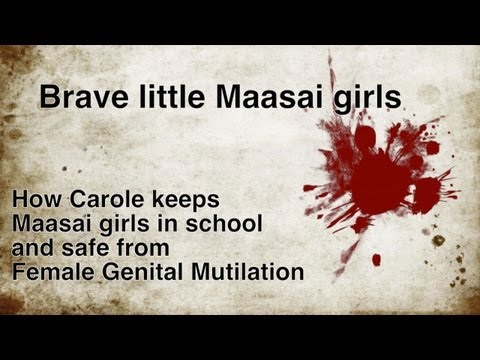
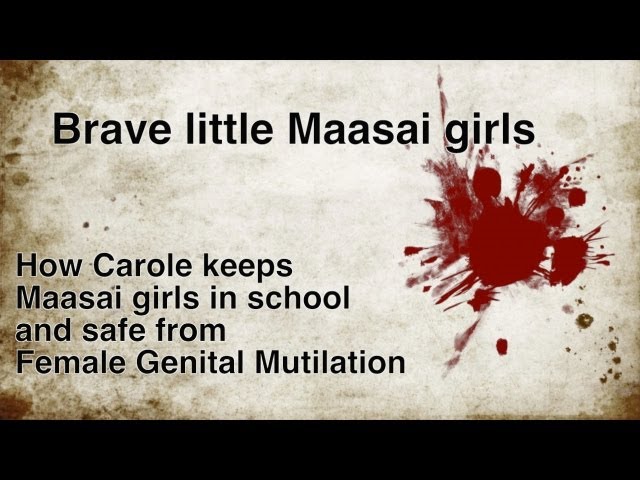
Patrick is the same filmmaker who produced an informative video about the plight of Maasai girls two years ago. https://www.youtube.com/watch?v=_sg9U7HRYeA
Step two. August, 2015 Kickstarter launch
Patrick will work with Executive Director Rick M to edit the documentary into finished form.
Global Roots will then launch a Kickstarter in September of 2015 to raise the $200K we need to produce the film and simultaneously pay off all debt for the Maasai 72 as well as school fees for 2016.
Step three. December 2015. Documentary production.
Patrick will travel back to Kenya with professional documentary maker Chris Parkhurst of Barang Films to make an original documentary about Mary Keruta that we will enter into elite film festivals.
March, 2016 Documentary submission
Our documentary — Mary K. — will help raise awareness about FGM and draw international attention to our fight against it in Kenya.
We trust that the international outcry will further our plan to launch a branding campaign entitled “Mutilaton Free Minyatta” or MFM. Any Minyatta that becomes MFM Certified will be eligible to receive Global Roots education grants.
Project reports on GlobalGiving are posted directly to globalgiving.org by Project Leaders as they are completed, generally every 3-4 months. To protect the integrity of these documents, GlobalGiving does not alter them; therefore you may find some language or formatting issues.
If you donate to this project or have donated to this project, you can receive an email when this project posts a report. You can also subscribe for reports without donating.



Support this important cause by creating a personalized fundraising page.
Start a Fundraiser