By Ibrahima Diao with El Hadj Abdou Sy | Staff members, Maison de la Gare
Ibrahima Diao, from talibé to committed instructor
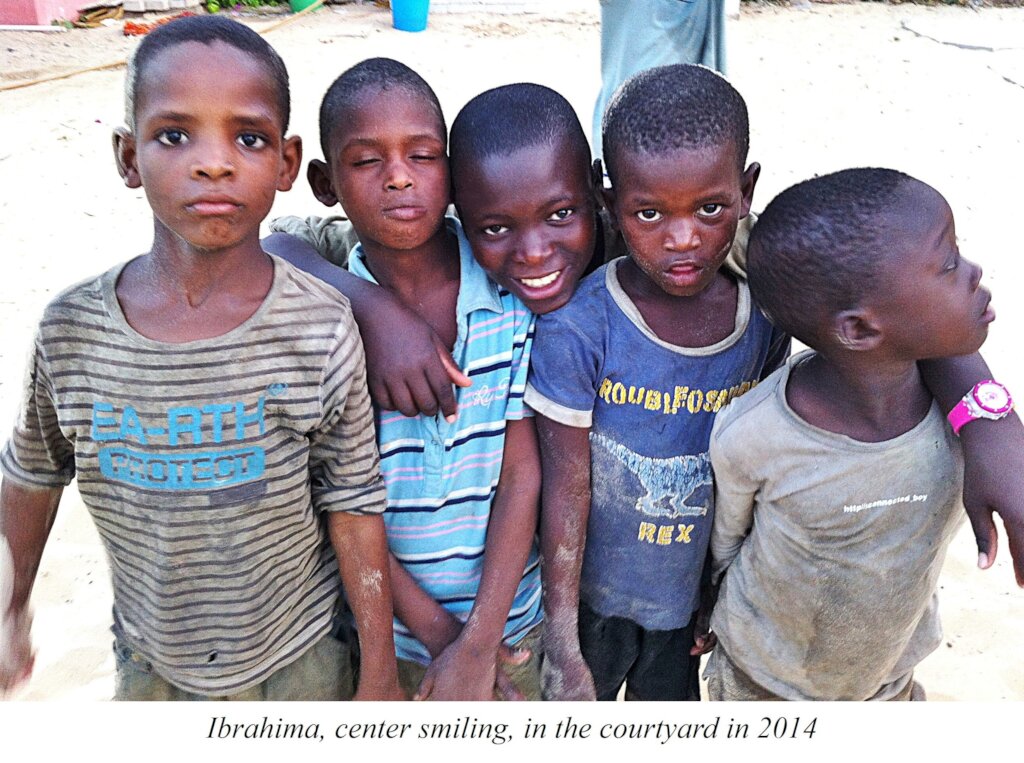
Ibrahima Diao has never forgotten the bitter taste of separation, nor the smell of the dust kicked up by the car that took him away from everything he knew as a child. Born in Niagha, a peaceful village in the Sédhiou region of Senegal, he grew up in a Muslim family surrounded by the discreet but profound love of his mother Aïssatou. His life changed abruptly when his parents divorced. His mother moved with him to Gambia to find work. Too young to be left alone, Ibrahima was brought back to Senegal and entrusted to his aunt.
In her home, he experienced a period of balance, warmth and simple happiness. Enrolled in school, he discovered the pleasure of learning and playing with his classmates. He thought he was out of trouble, ready for a childhood like any other. But it was only a short respite.
The beginning of the ordeal
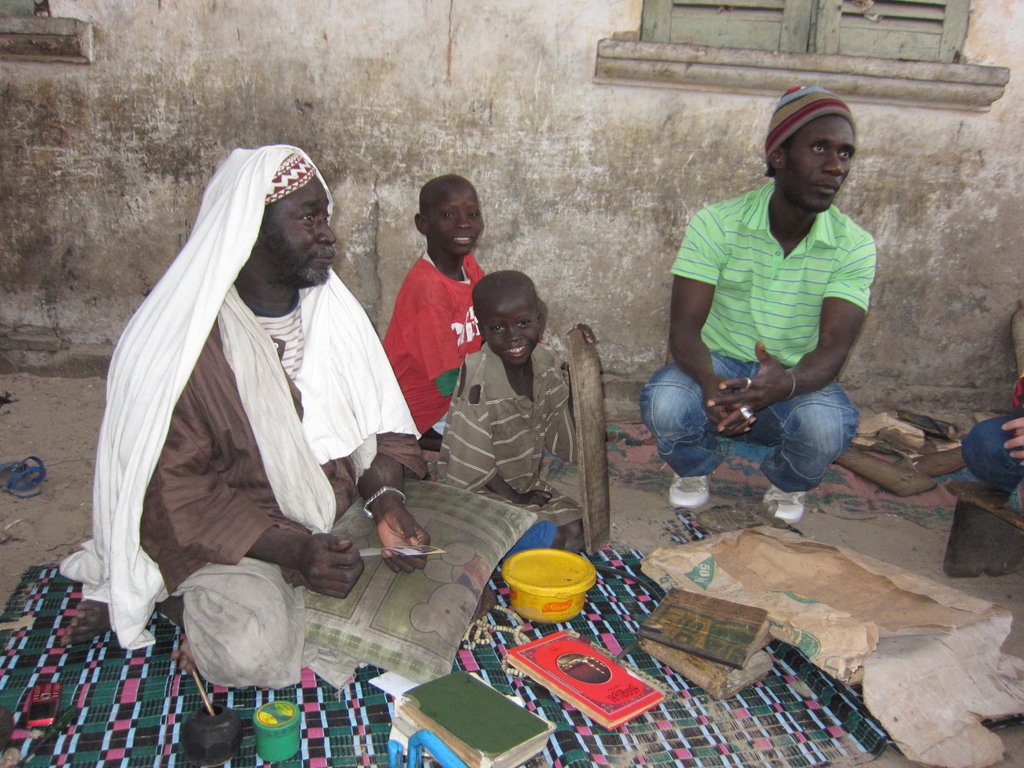
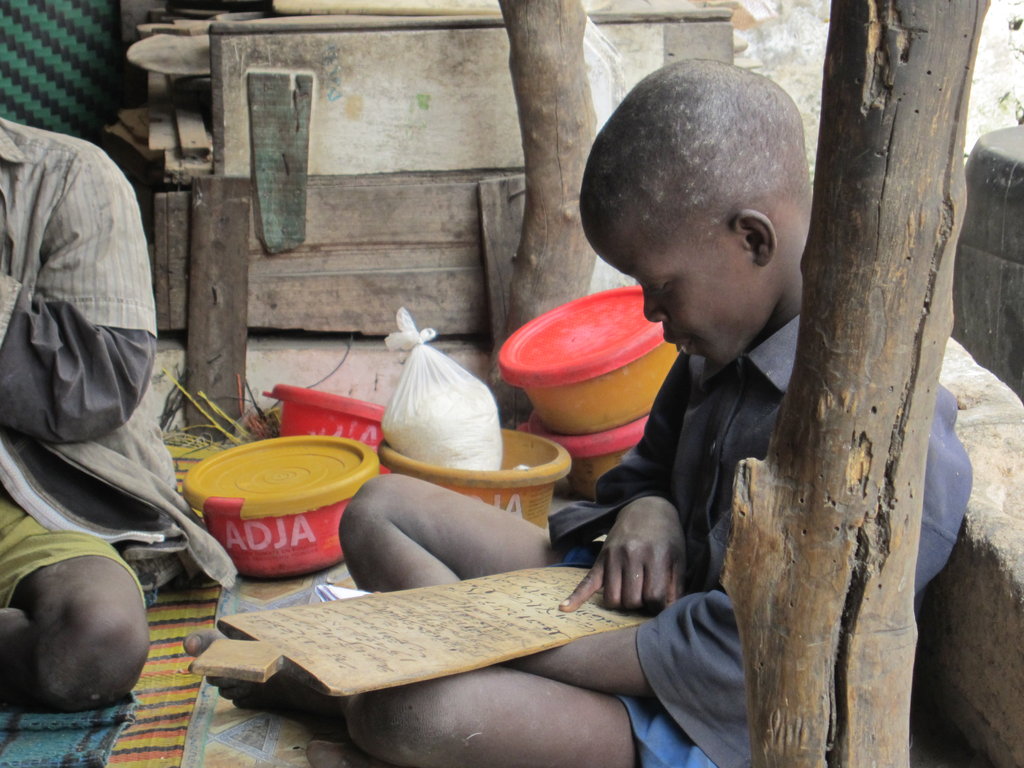
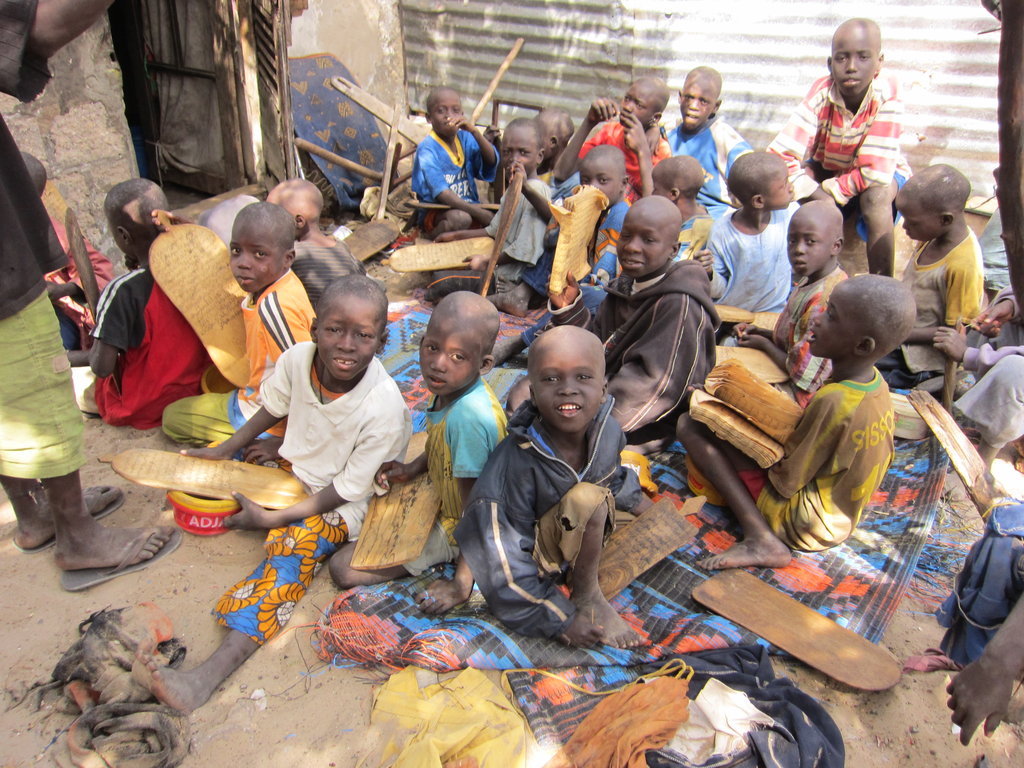
At the age of ten, Ibrahima's father decided to enroll him in a daara, a Koranic school, without explaining the reason for doing this. For Ibrahima, it was an unknown, almost exciting adventure. But this feeling was extinguished within the first few moments. When he arrived at the daara in Bango, close to Saint Louis, reality struck with unbearable brutality, poverty, loneliness, begging, and psychological violence.
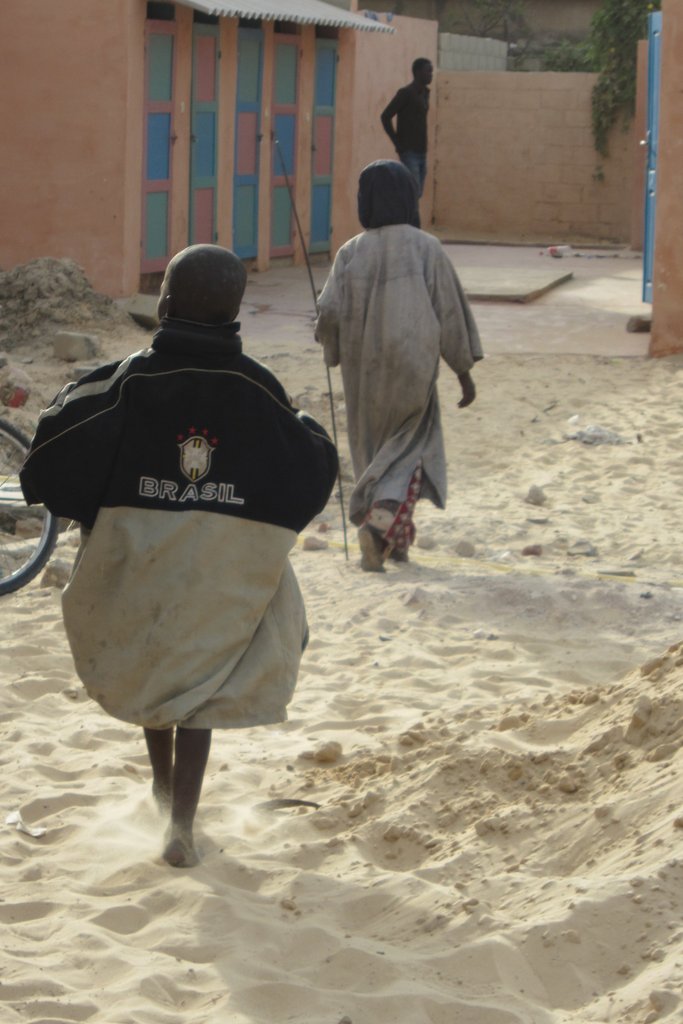
Deprived of his childhood and his family, he had to adapt to a rigid and demanding daily routine of nightly recitations of the Koran, waking up at dawn, and long hours of barefoot walking to beg for food. “I had become a real talibé, poor, dirty and alone,” he confides. He had lost his bearings. His identity was lost in the streets of Saint Louis, between empty tomato crates and indifferent stares.
A glimmer of hope
Yet even in the darkest night, a star can shine. Ibrahima found his first refuge in the friendship between talibés, children who, like him, shared the same distress and helped each other to survive.
Later came another spark, an opportunity to train as a hairdresser thanks to a friend, a former talibé, who had found his place with this skill. Ibrahima clung to this opportunity for five years, training with rigor, determination and patience. It wasn't just a profession for him, it was a way out, a lifeline.
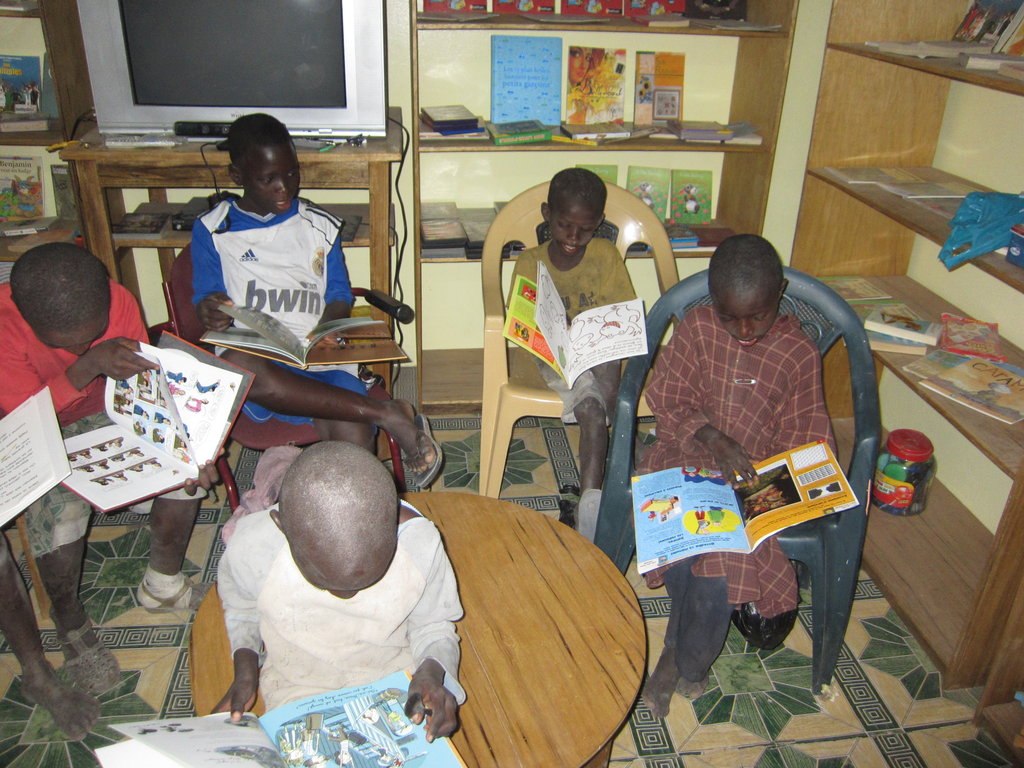
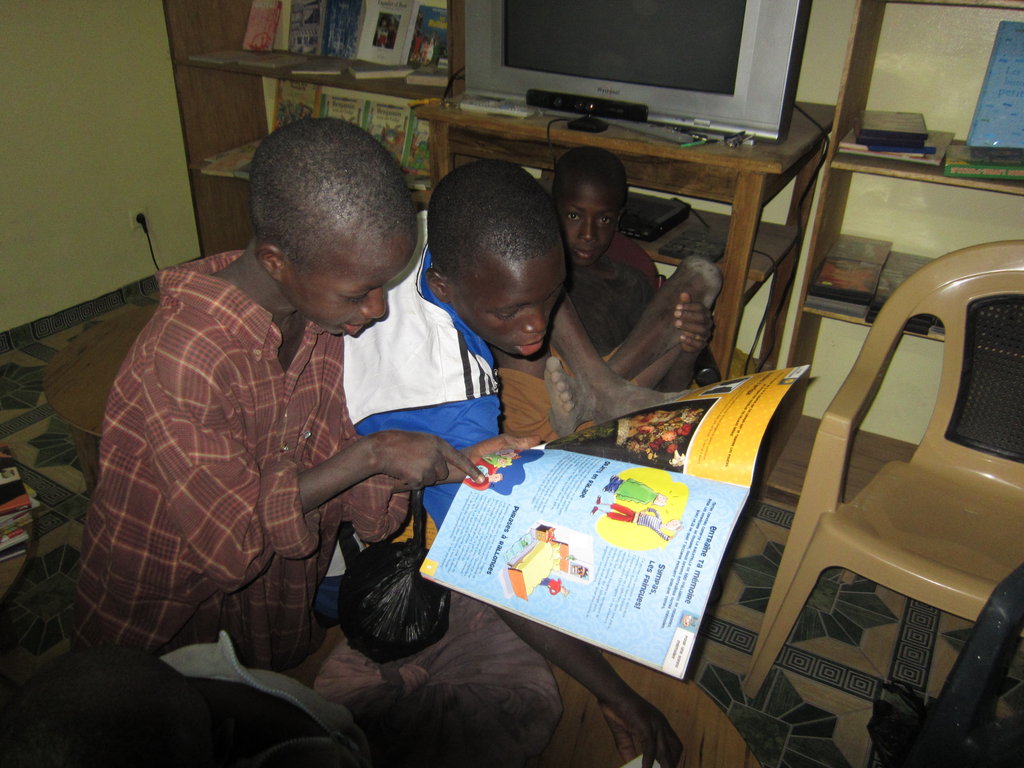
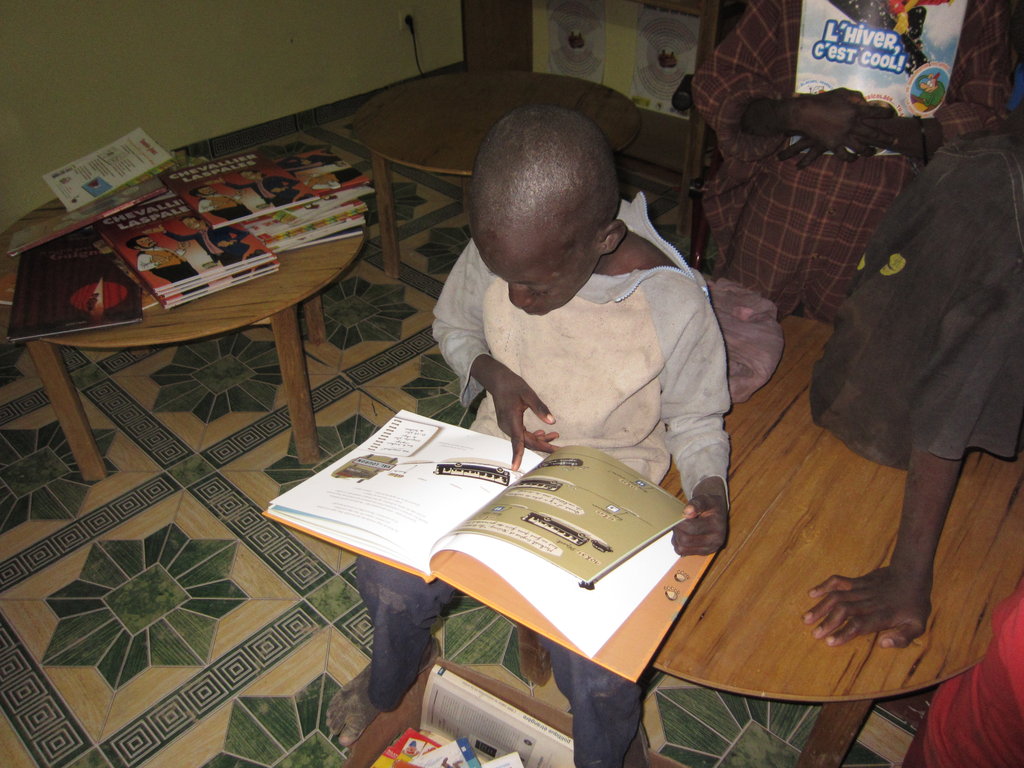
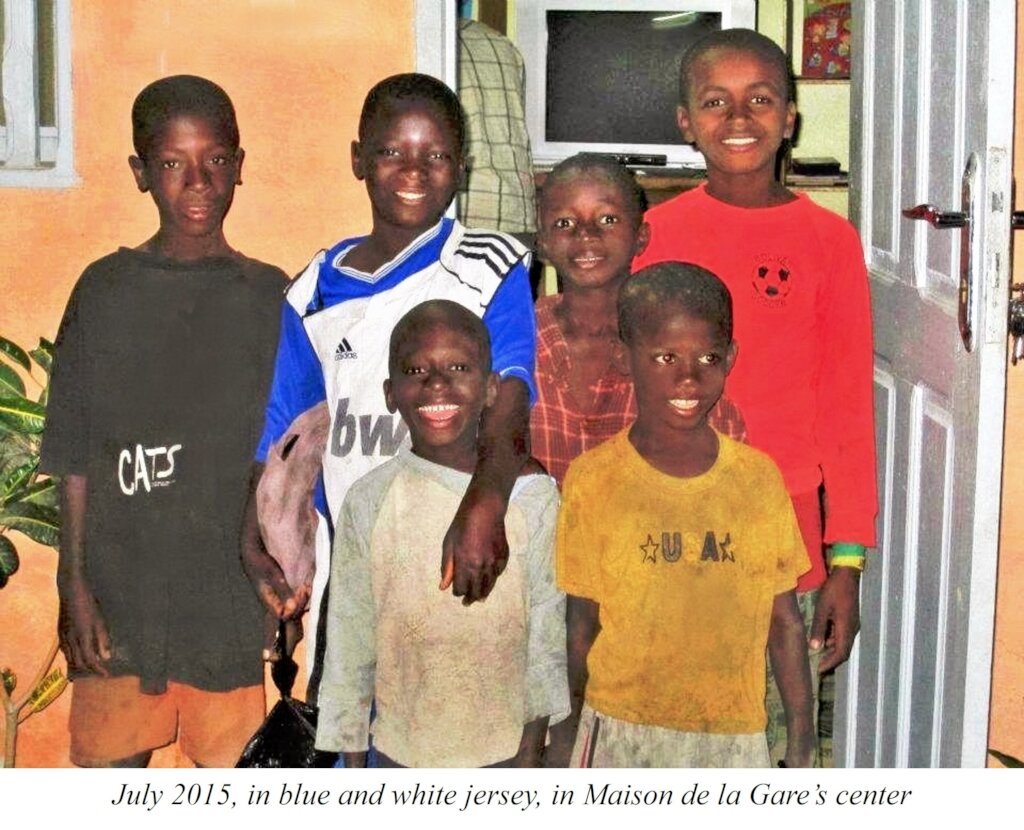
Ibrahima had already found a sheltering oasis at Maison de la Gare’s center. As he began to use his new skill here, he found a family, a place of welcome, a place where he was not judged on his appearance or his past, but on his potential.
From student to instructor
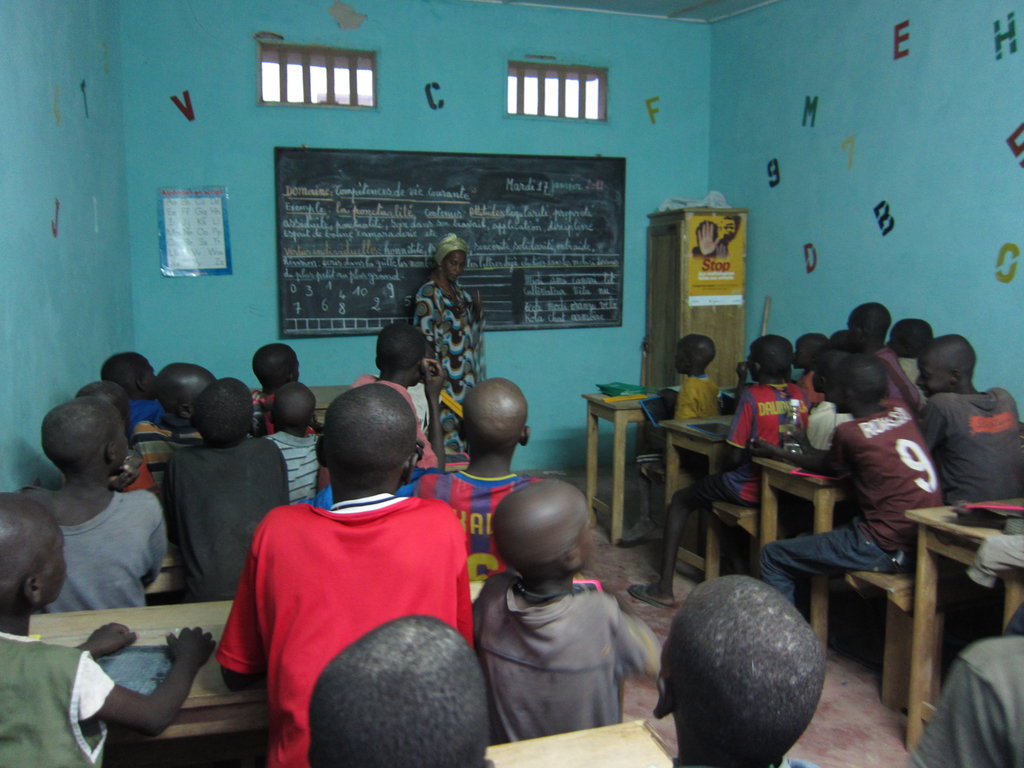
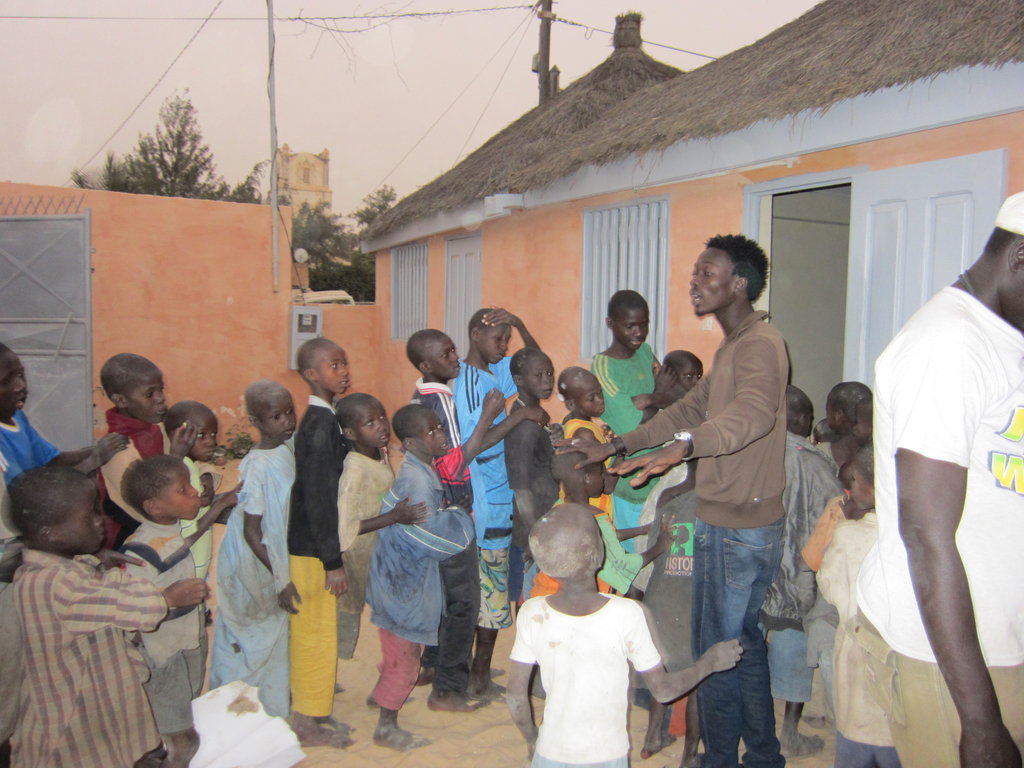
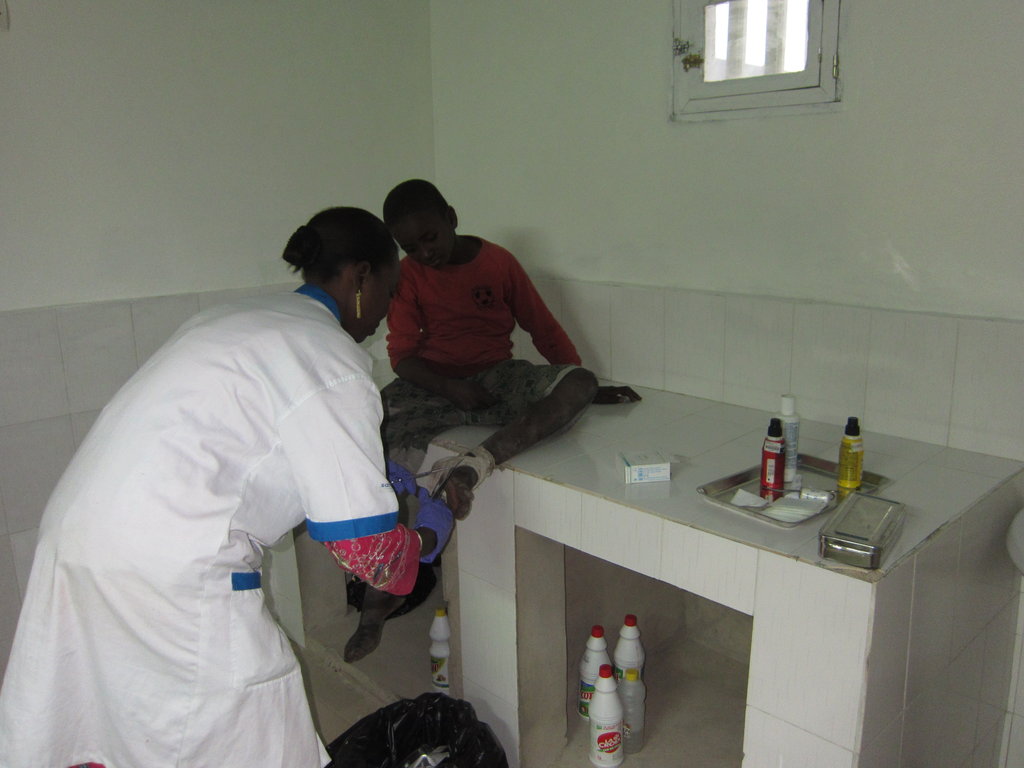
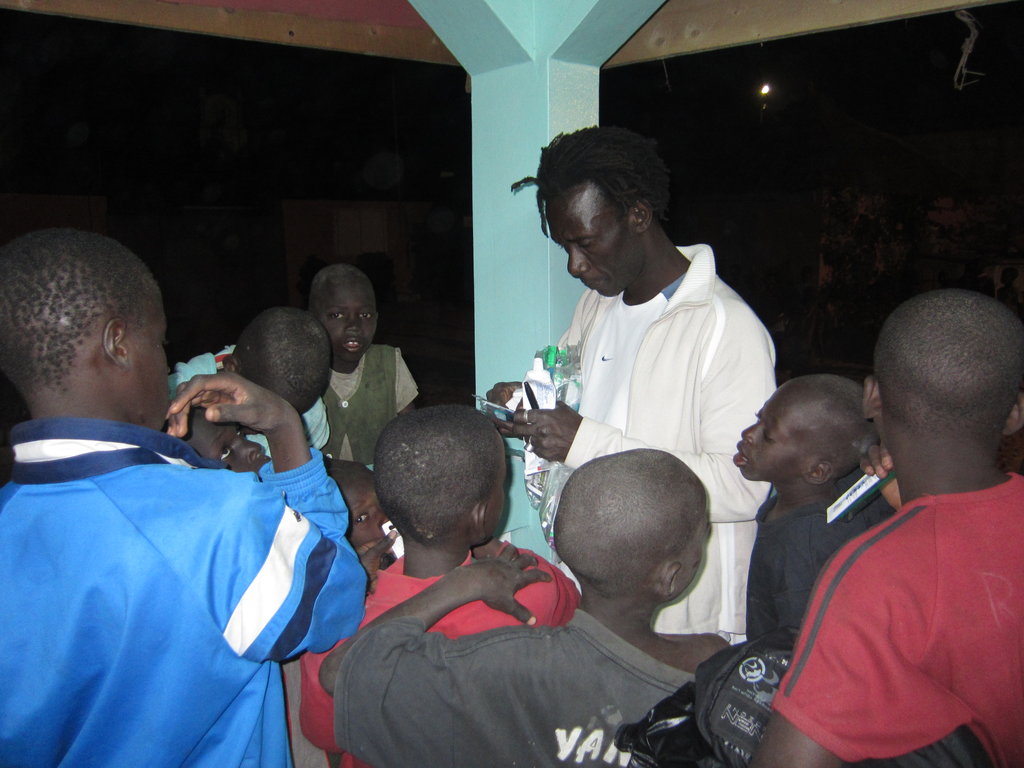
Thanks to Maison de la Gare, Ibrahima was able to put his hairdressing skills into practice for the talibé children. He demonstrated his commitment and generosity, gradually becoming a role model for the younger children. But he didn't stop there.
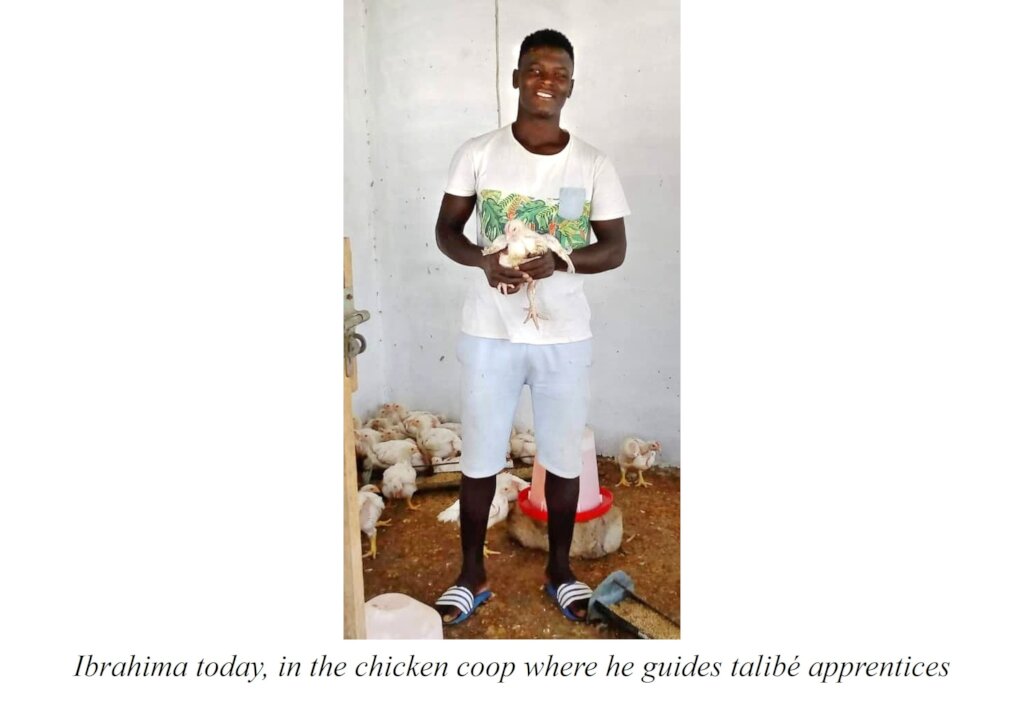
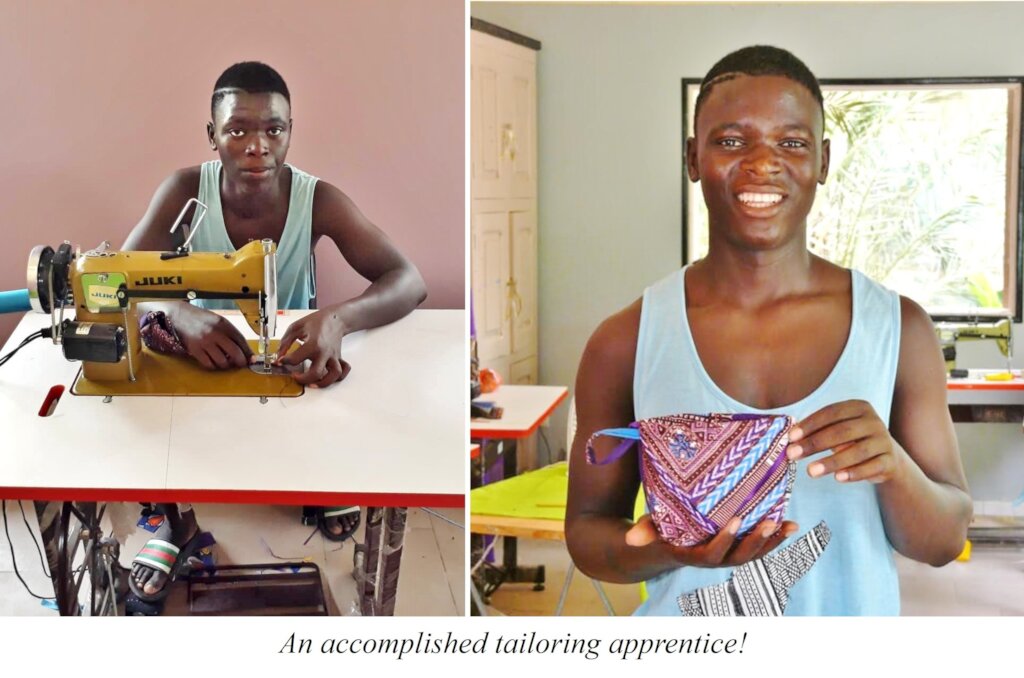
Always eager to learn, he joined the sewing apprenticeship program and, later, the poultry farming apprenticeship program. Here again, his diligence and passion shone through. He completed the poultry farming program and, thanks to the confidence of his trainer Cheikh Ablaye, was entrusted with the management of a chicken coop.
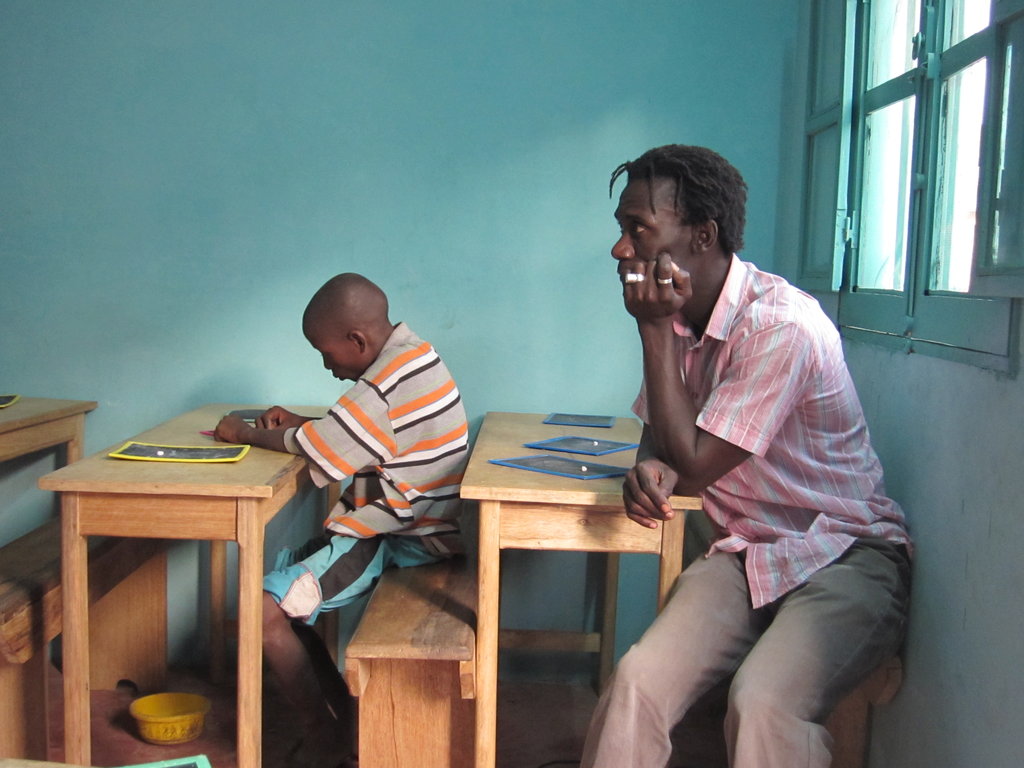
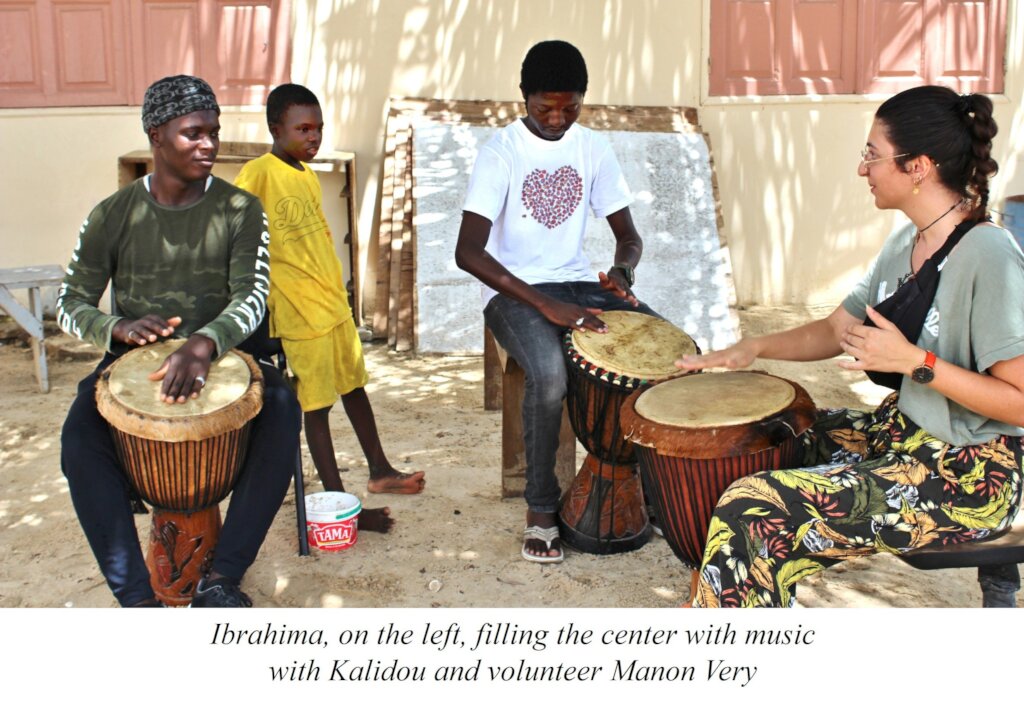
Today, Ibrahima is no longer simply a former talibé. He has become an instructor, a man standing on his own two feet who passes on his knowledge, an agent of change who reaches out to those going through the hell he himself experienced.
A clear vision for the future
Ibrahima doesn't dream of an extraordinary life. He aspires to a dignified, independent life where he can support himself without begging or depending on others. “I want my story to be useful to others. I want to tell them that nothing is finished, that there is always another way, another possible future”, he says with deep conviction.
His story illustrates the resilience of talibé children when they are supported, listened to, trained and valued. It also testifies to the crucial importance of associations such as Maison de la Gare, which offer much more than help. They restore an identity, a hope, a voice.
Today, Ibrahima continues to make his contribution to the community. He's not looking for recognition, but for progress. His struggle is silent, but powerful. He is living proof that children can emerge from the invisible and build their own light.
Links:
Project reports on GlobalGiving are posted directly to globalgiving.org by Project Leaders as they are completed, generally every 3-4 months. To protect the integrity of these documents, GlobalGiving does not alter them; therefore you may find some language or formatting issues.
If you donate to this project or have donated to this project, you can receive an email when this project posts a report. You can also subscribe for reports without donating.



Support this important cause by creating a personalized fundraising page.
Start a Fundraiser