By Roger Nokes | Communications Manager, Friends of UNFPA
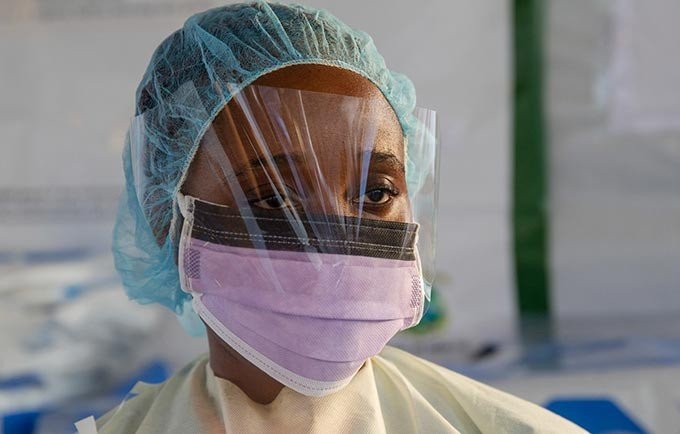
In 2014, the Ebola Virus infected over 10,000 people in the West African countries of Guinea, Liberia, and Sierra Leone. Millions more were affected. 1.1 million pregnant women were cut off from essential maternal health services. Overwhelmed by the virus, strained health systems became unable to provide reproductive health care.
UNFPA helped limit the spread of the virus through the process of contact tracing. By training community professionals to locate each person who came in contact with an infected patient, UNFPA was able to refer at-risk people to necessary testing and care. UNFPA also provided drugs, equipment and other support to health facilities throughout the region.
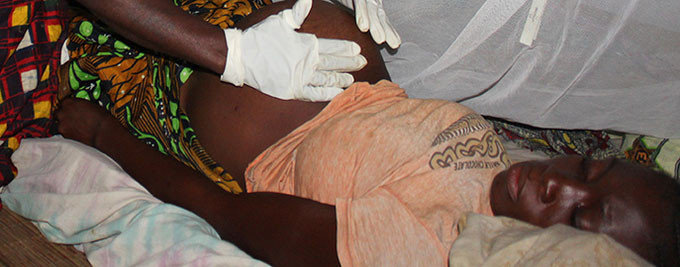
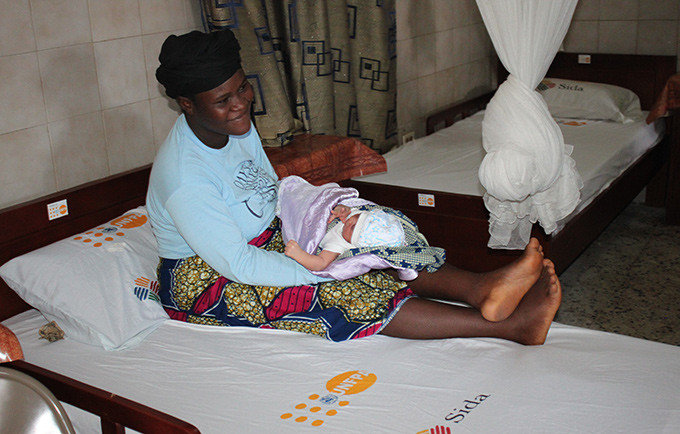
The outbreak is slowing down, but health systems remain disrupted. Too few women deliver under the care of skilled birth attendants, such as doctors or midwives, and many health centers lack electricity and running water. UNFPA is working with partners to improve women’s access to antenatal care, safe delivery services and postpartum care in the aftermath of the crisis.
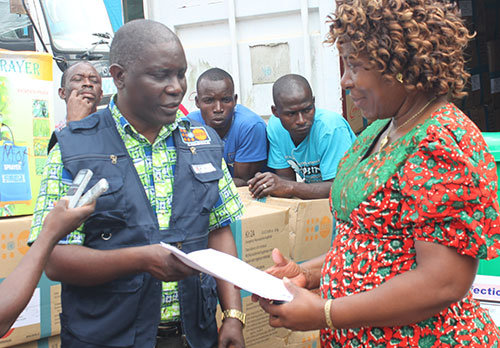
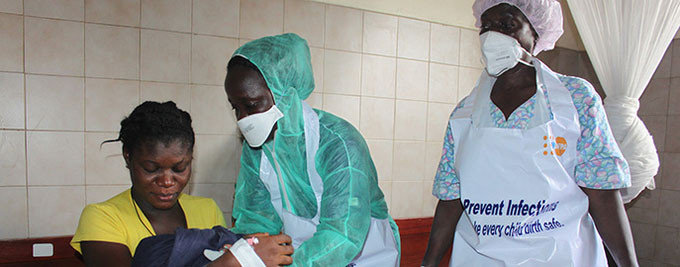
In Liberia, UNFPA and partners distributed 2,000 solar-powered lights to health facilities throughout the country. In facilities without electricity, the lights help health workers safely deliver babies at night; previously, staff had to rely on flashlights or candlelight. “We are now able to conduct safe deliveries at night with less worry about illumination,” said Patricia Wilson, the maternal and child health supervisor at Fish Town Hospital, in River Gee County, Liberia.
During the outbreak, many pregnant women turned to traditional birth attendants for care. UNFPA has now trained many of those attendants to promote facilities-based deliveries and care so women can be adequately treated if childbirth complications arise. As a result, in Bomi county Liberia alone, facilities-based deliveries increased from 61 percent to 74 percent within the months following the outbreak.
More work is still needed to ensure the reproductive health needs of women and girls throughout the region are being met. Currently, UNFPA is working to recruit and train 500 midwives, doctors, and health workers. We are grateful for your partnership in supporting UNFPA’s efforts in West Africa to decrease maternal mortality rates and improve access to family planning in the wake of the Ebola outbreak. With your continued commitment we can ensure that women who give life don’t have to risk their own.
Links:
Project reports on GlobalGiving are posted directly to globalgiving.org by Project Leaders as they are completed, generally every 3-4 months. To protect the integrity of these documents, GlobalGiving does not alter them; therefore you may find some language or formatting issues.
If you donate to this project or have donated to this project, you can receive an email when this project posts a report. You can also subscribe for reports without donating.