By Kristine Meise | Project manager
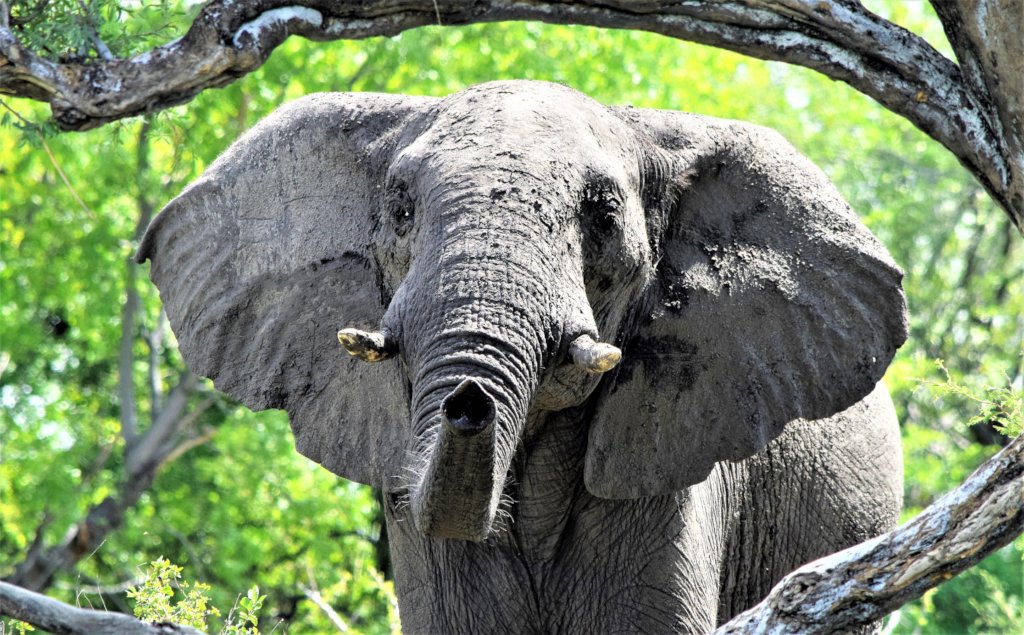
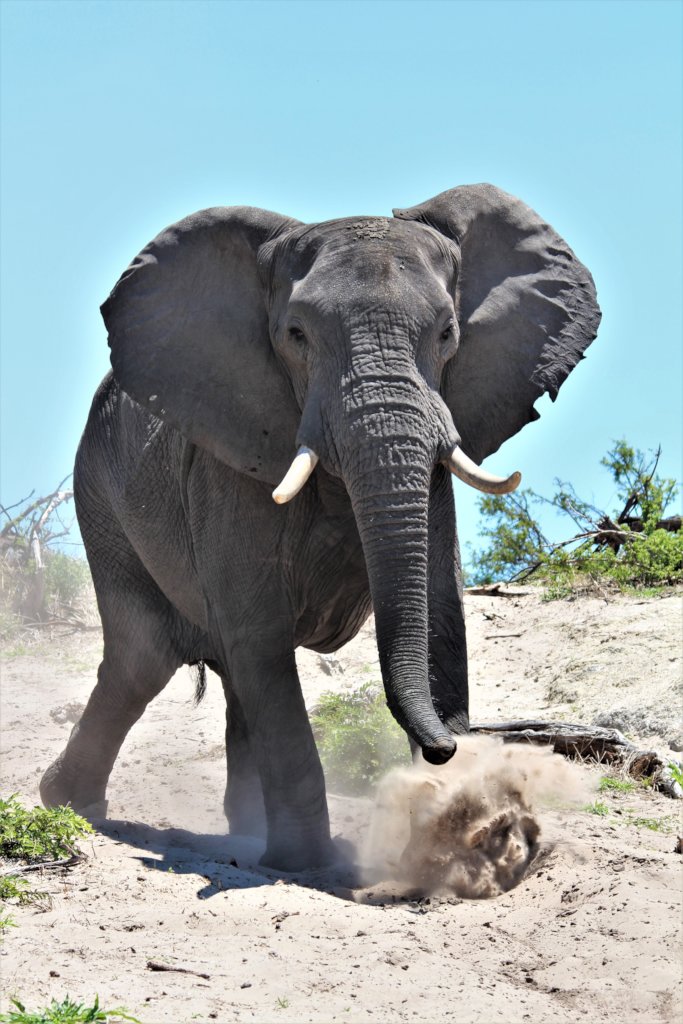
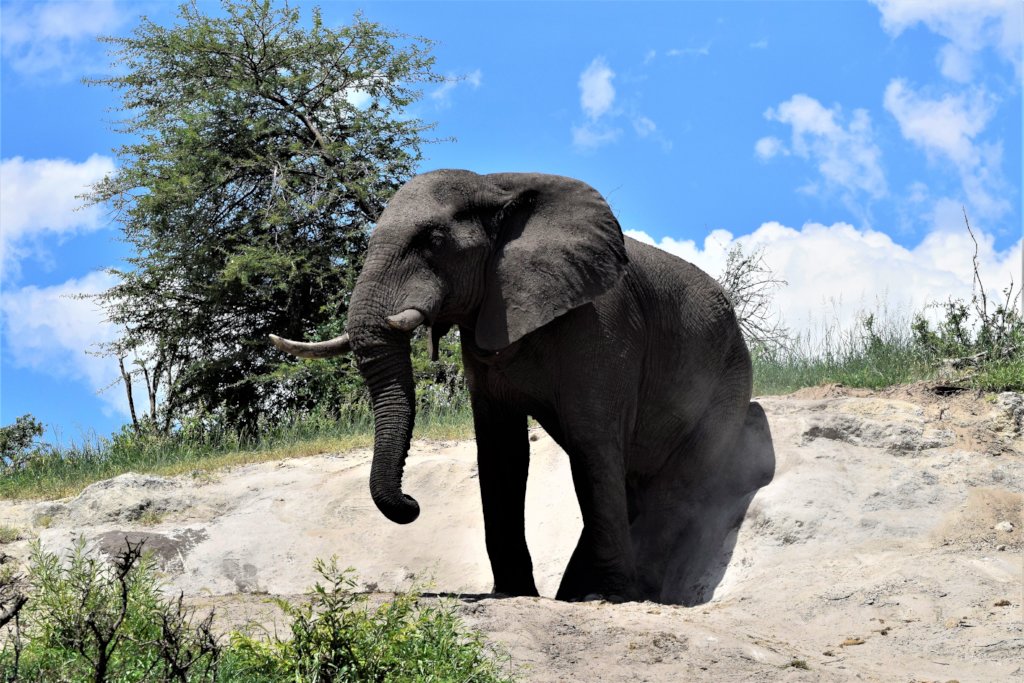
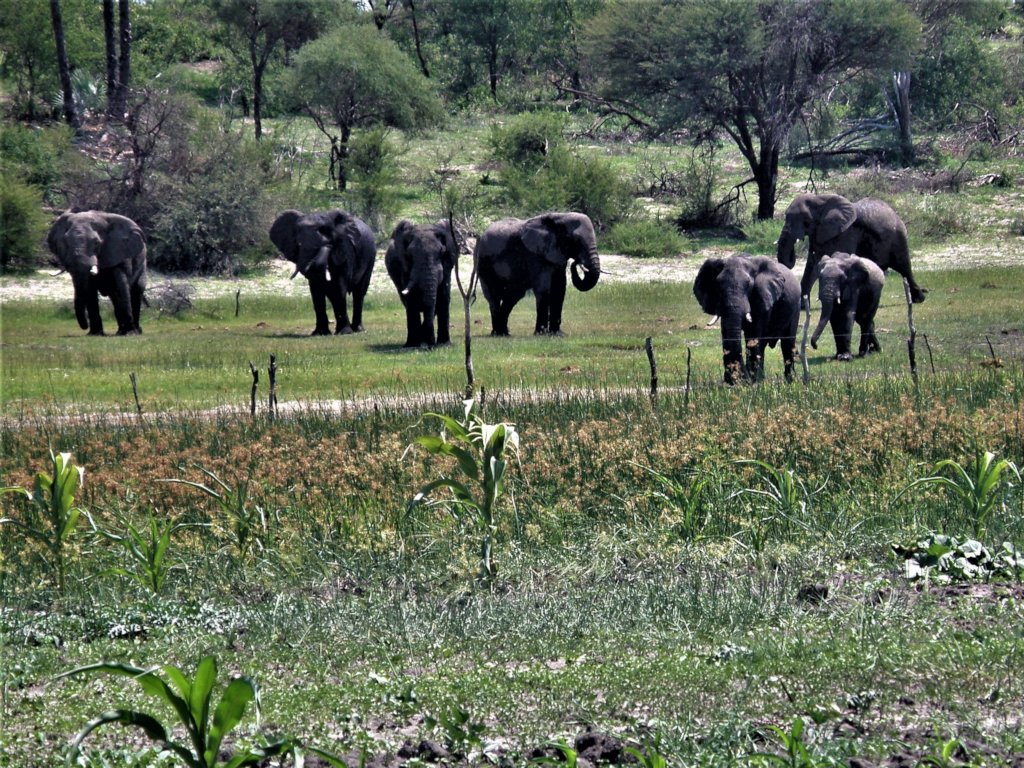
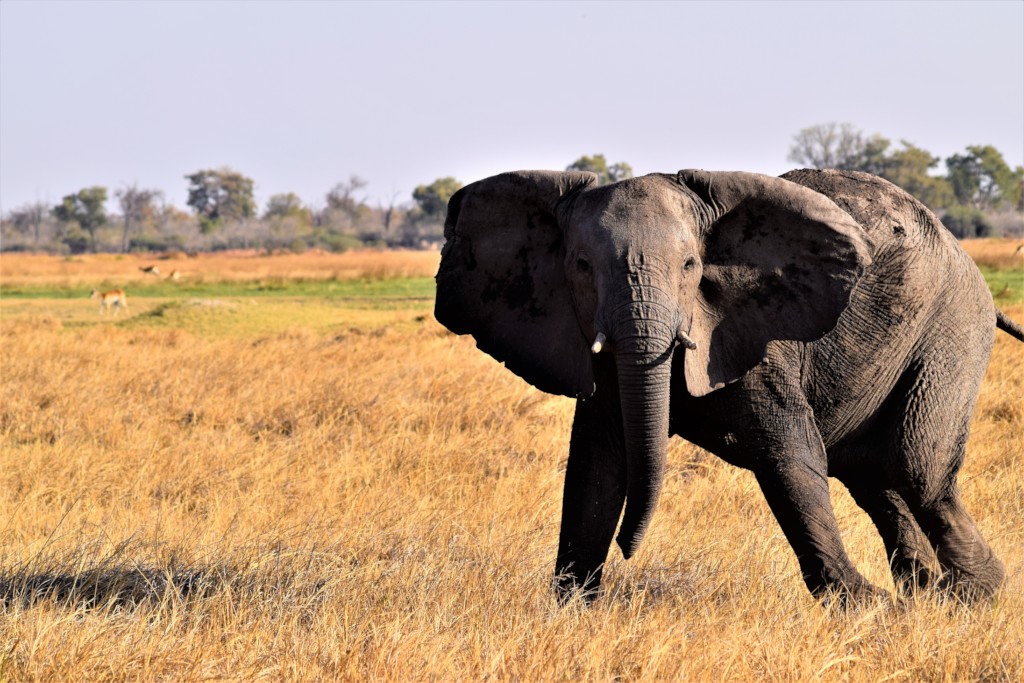
The elephant population in the Makgadikgadi Pans National Park is unique with more than 95% of the population being males. As males have no young to defend, they are usually less skittish than the breeding herds. Thus, most males stay fairly calm when approached by our research car. However, there are certain factors that can have an impact on the strength of their response when we approach them, which range from completely ignoring our presence to them running away.
One aspect that clearly affects an elephant’s behaviour is the distance to the car – the closer you approach an elephant the more likely it is to get nervous and move away. You should therefore never approach an elephant too closely when on safari. This is for your own safety, but you will also have much more fun observing the animal carrying out its normal behaviours in its natural environment when you respect its personal space.
The second aspect is the elephants age. An old elephant bull has hardly any enemies in the African bush and they are past the age where they need to test their strength sparring with other males. Thus, they rarely respond to our presence and often completely ignore us, which can be slightly irritating if we are trying to get back home and they are standing on the road in the way!
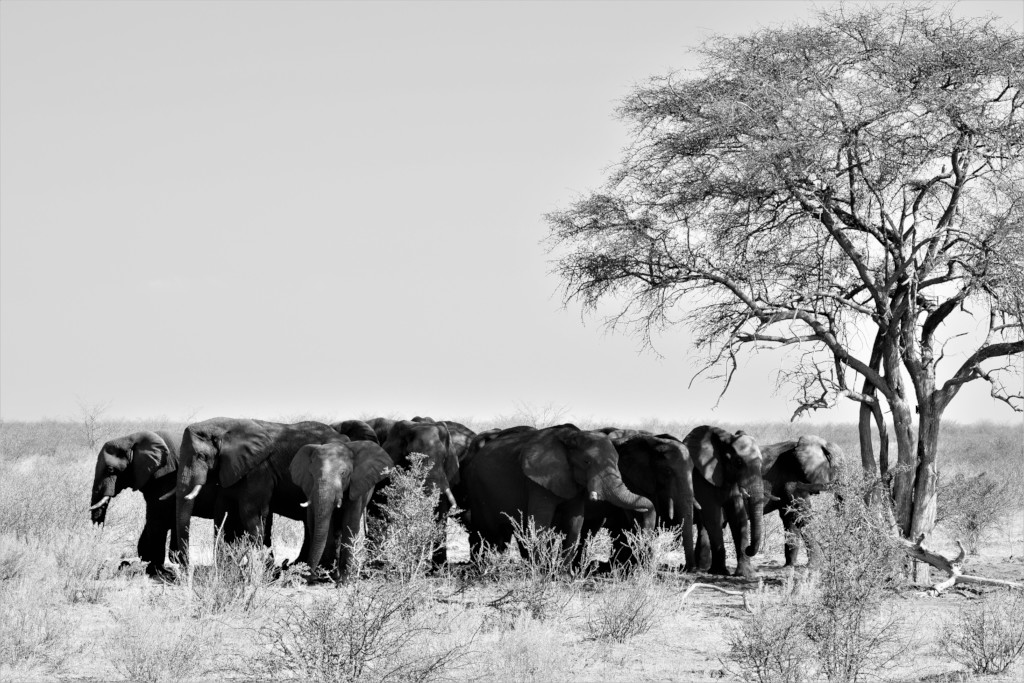
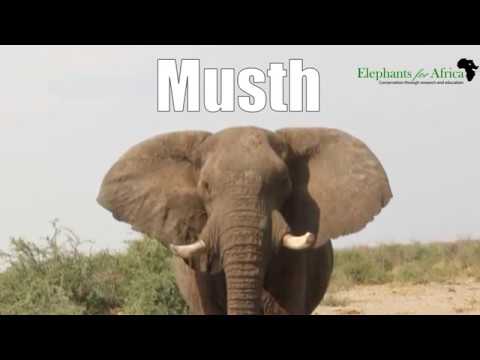
Group size and group composition are also likely to play a role in an elephant’s behaviour. Larger groups may provide a sense of security, even more so when they contain older bulls. The young ones could therefore react less strong towards the presence of our car. On the flip side, this sense of security can encourage them to test how far they can go – leading to a mock charge, ears out trumpeting, rather than a retreat.
We still need to extend our dataset to fully understand how much an elephant’s behaviour is influenced by these different factors. The degree of their importance is important to understand, so we can feed this information into our later analysis to see whether any behavioural changes are really due to hunting or due to shifts in age structure, e.g. due to an influx of younger males. We look forward to keeping you informed of our findings and the progress of the project.
Best wishes and stay safe.
The EfA Team
Project reports on GlobalGiving are posted directly to globalgiving.org by Project Leaders as they are completed, generally every 3-4 months. To protect the integrity of these documents, GlobalGiving does not alter them; therefore you may find some language or formatting issues.
If you donate to this project or have donated to this project, you can receive an email when this project posts a report. You can also subscribe for reports without donating.



Support this important cause by creating a personalized fundraising page.
Start a Fundraiser