By Dr Kate Evans | Founder, CEO & PI
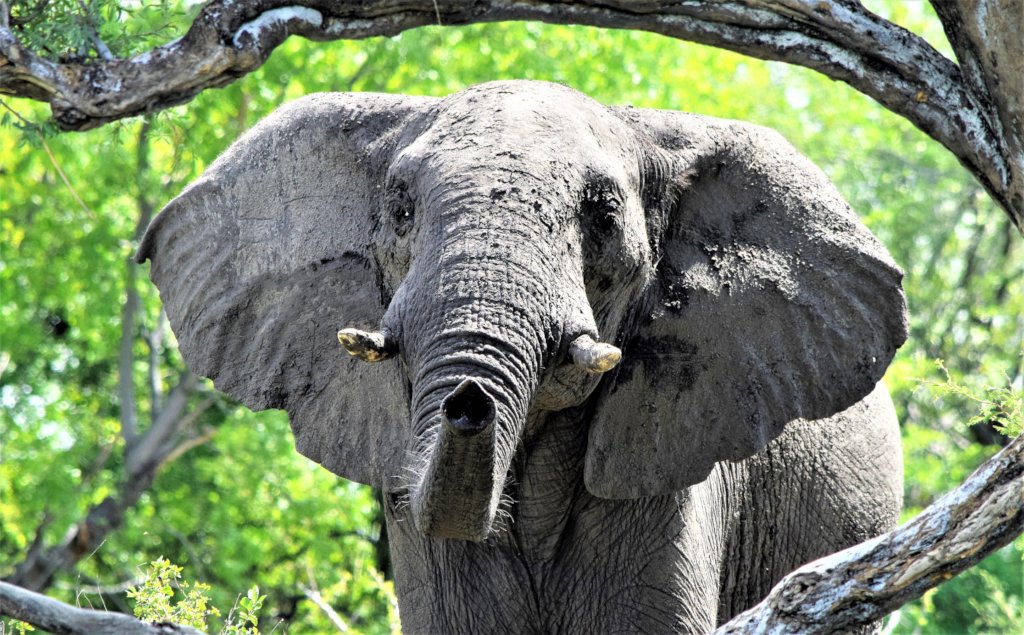
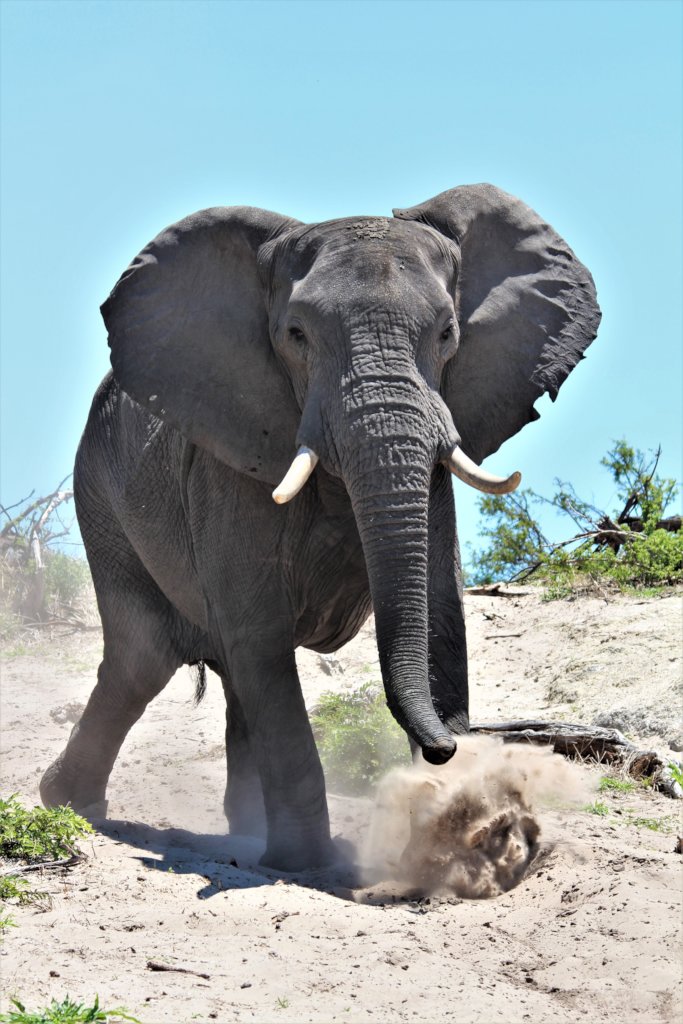
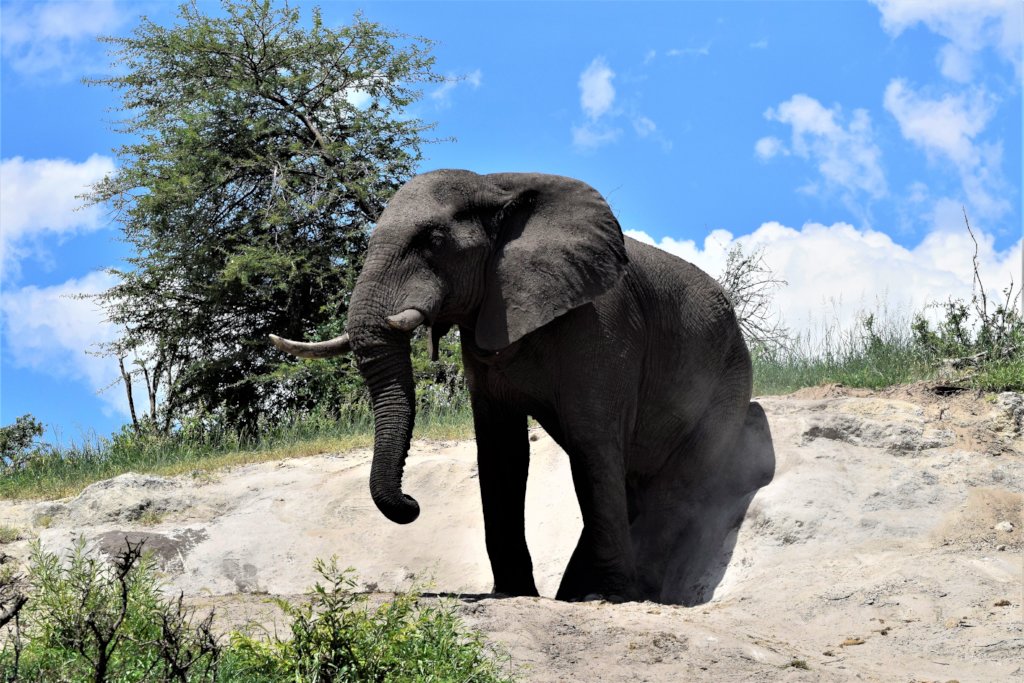
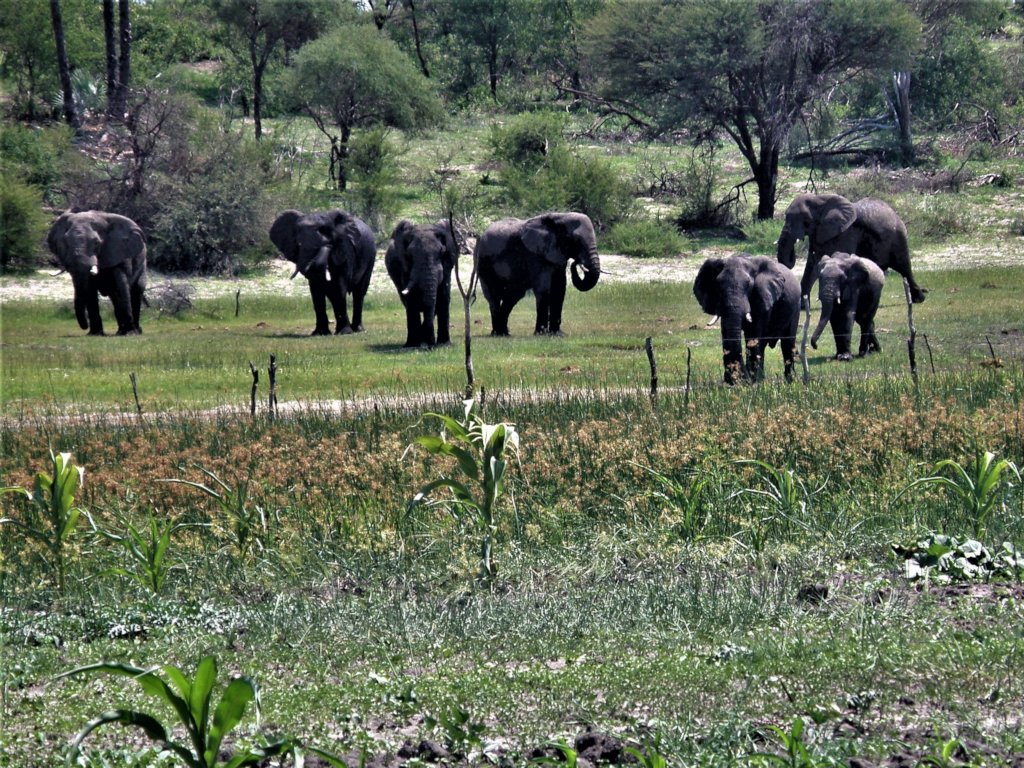
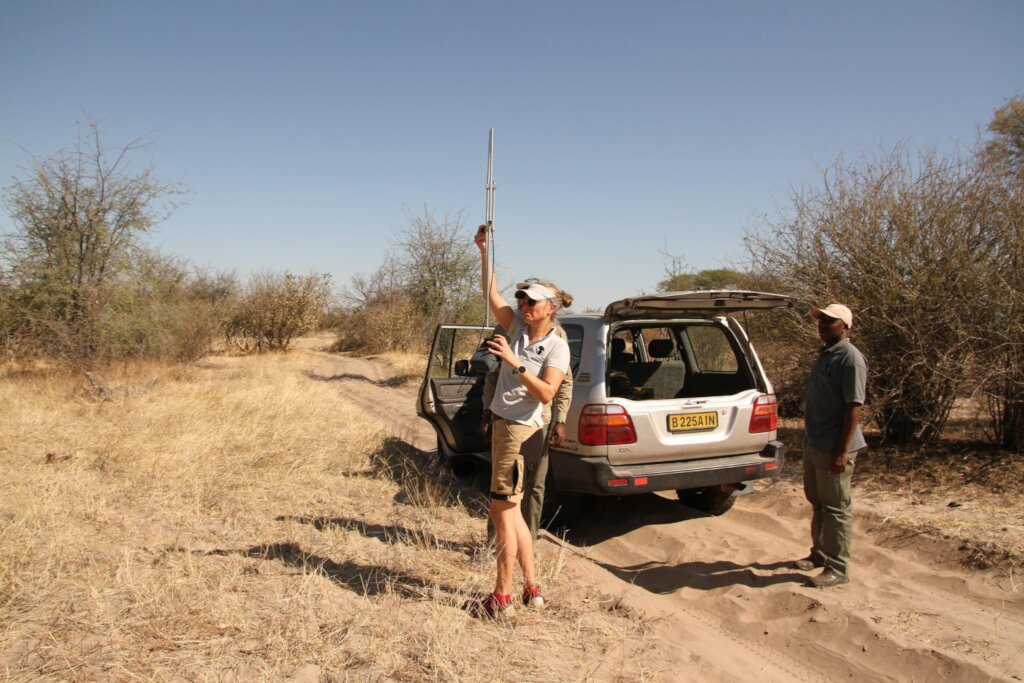
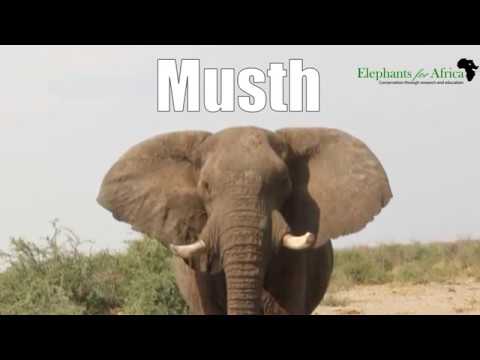
Our 10 collared elephants have been giving us so much insight into where they go when they are not utilising our study site along the Boteti River. This short video shows their movement, including one that headed for Hwange National Park in neighbouring Zimbabwe. https://youtu.be/ILZOYMSLNJw
We talk about a country’s elephant population, but elephants do not stick within the boundaries of the countries that we have designated, nor do they need passports. Transboundary movement, such as this, highlights the importance of countries working together to conserve wildlife and biodiversity study area, the Makgadikgadi Pans National Park is art of the Kavango Zambezi Transfrontier Conservation Area, a truly remarkable example of our ability to work together for conservation. Five countries, an estimated 250,000 elephants, 600 species of birds and two World Heritage sites – it really is a privilege to be able to contribute to the shared knowledge of this vast wilderness.
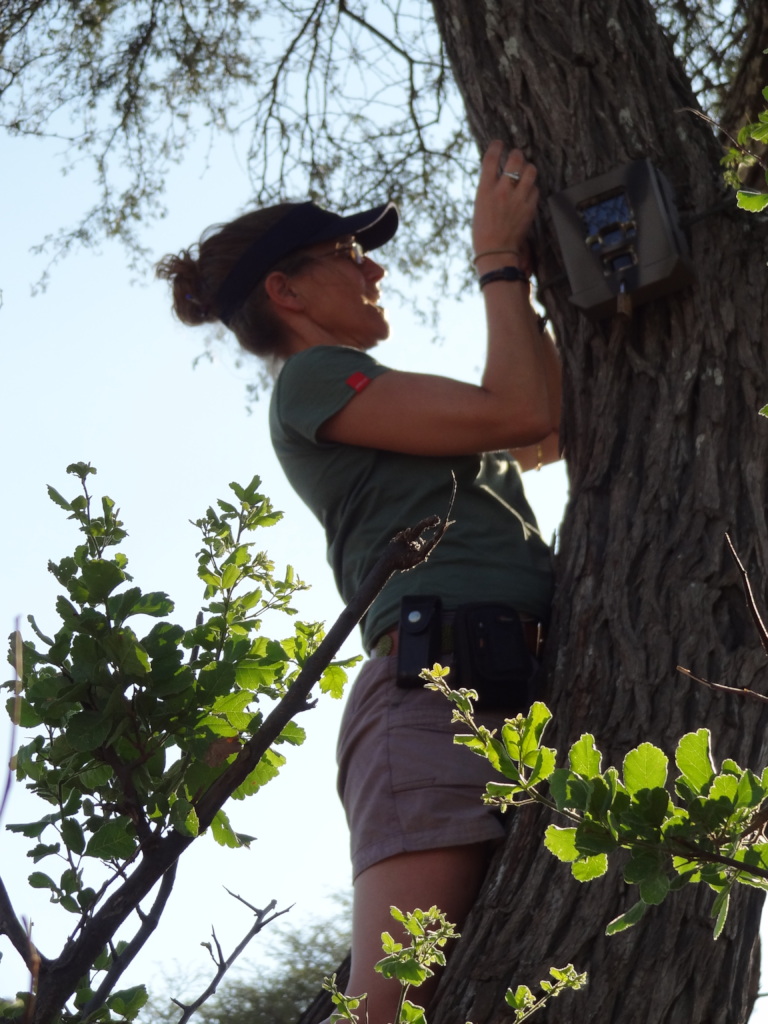
Alongside the use of satellite collars, we use other technology to research the male elephants of the Makgadikgadi including remote camera traps, which has been useful in collecting data on the more elusive females in the area and showing us how they are slowly increasing in numbers. Currently we have a Masters student using camera traps to see if we can manipulate elephant movement though olfactory clues, placing soil from areas of high elephant use (so lots of urine and dung present) along elephant highways. As with any fieldwork, especially that using technology, we have had a few challenges getting the methodology right, but thankfully the current set up as seen less valuable camera traps going missing!
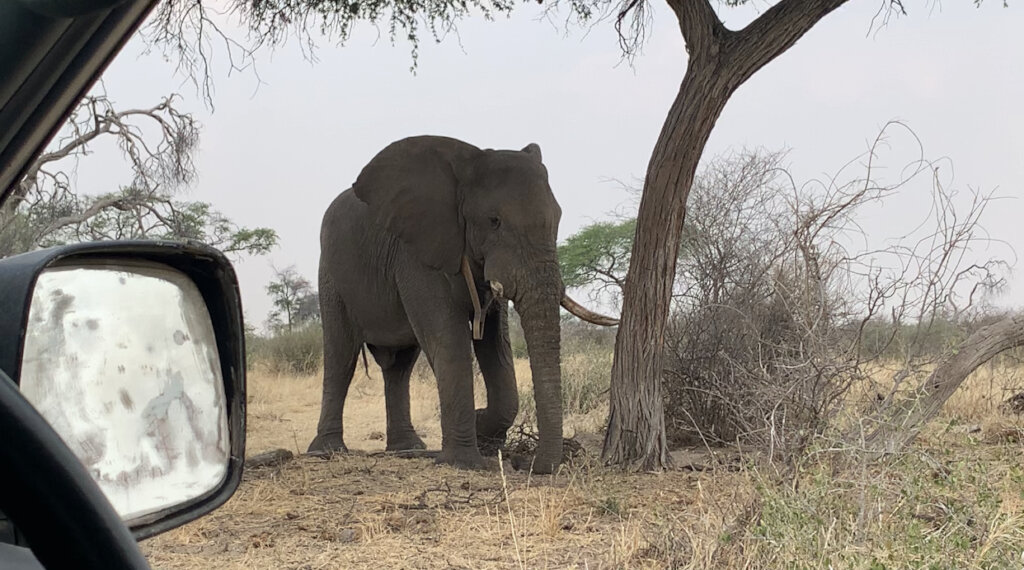
To see how an elephant can interact with a camera trap, check out this video https://youtu.be/vU1wMCYrkIA
We hope this finds you well and look forward to updating you soon.
Project reports on GlobalGiving are posted directly to globalgiving.org by Project Leaders as they are completed, generally every 3-4 months. To protect the integrity of these documents, GlobalGiving does not alter them; therefore you may find some language or formatting issues.
If you donate to this project or have donated to this project, you can receive an email when this project posts a report. You can also subscribe for reports without donating.



Support this important cause by creating a personalized fundraising page.
Start a Fundraiser