By Gretchen Metzler | Administrator
Greetings friends,
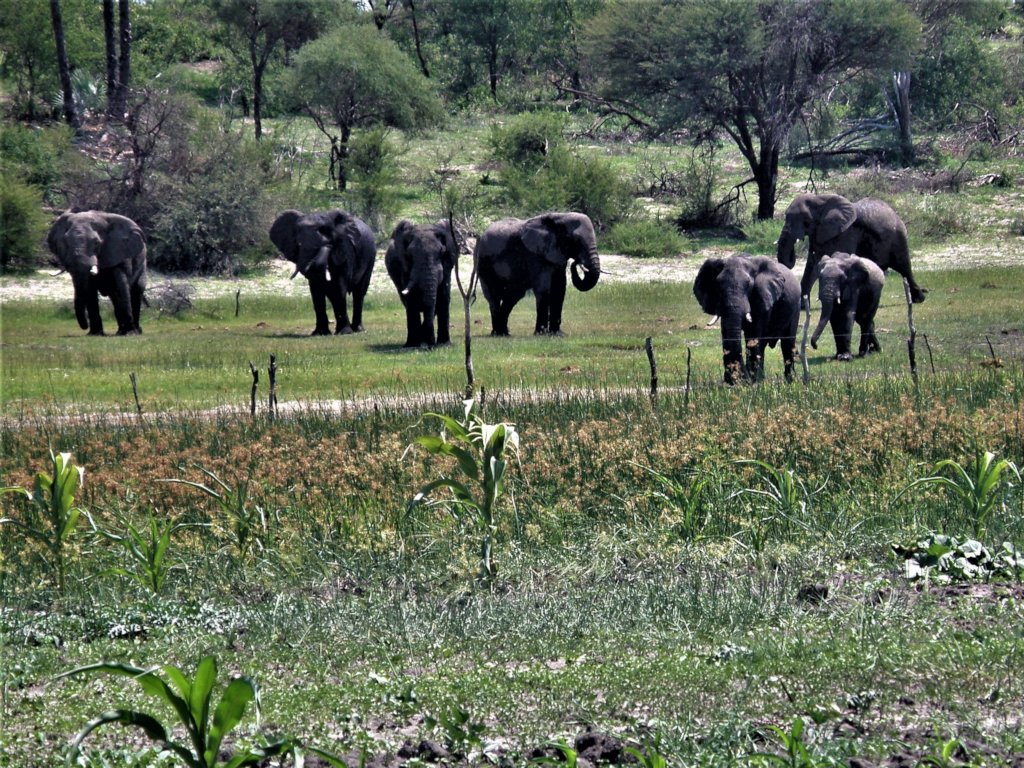
Conserving wildlife is more than about being in the field, it’s about using technologies to increase your impact! In Botswana’s Makgadikgadi Pans National Park, one of Africa’s most dynamic landscapes, shifting rainfall patterns, rising temperatures, and fluctuating food availability are transforming how elephants move, feed, and interact with their environment.
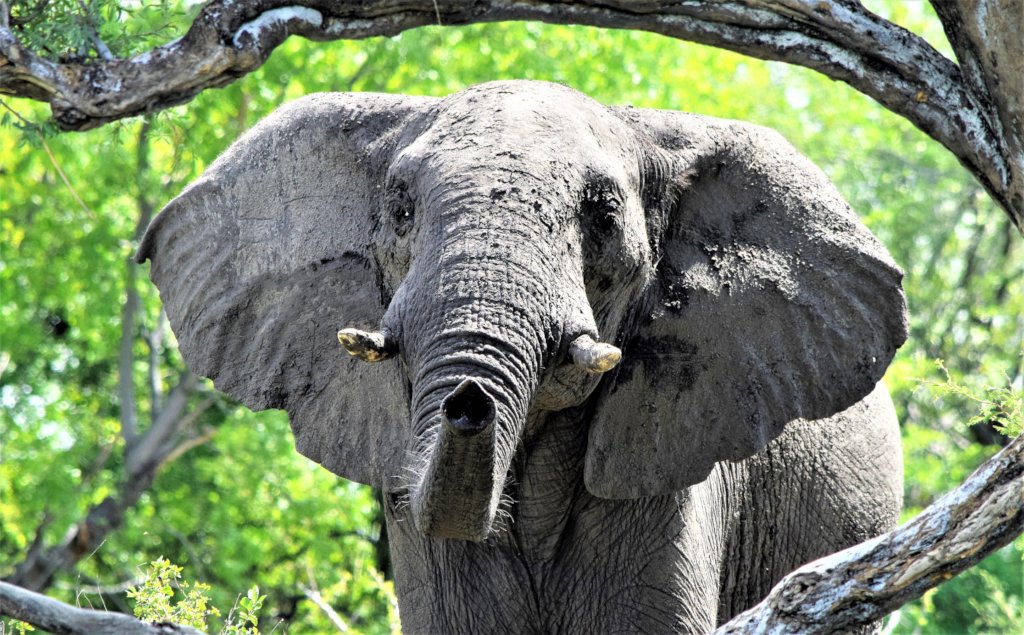
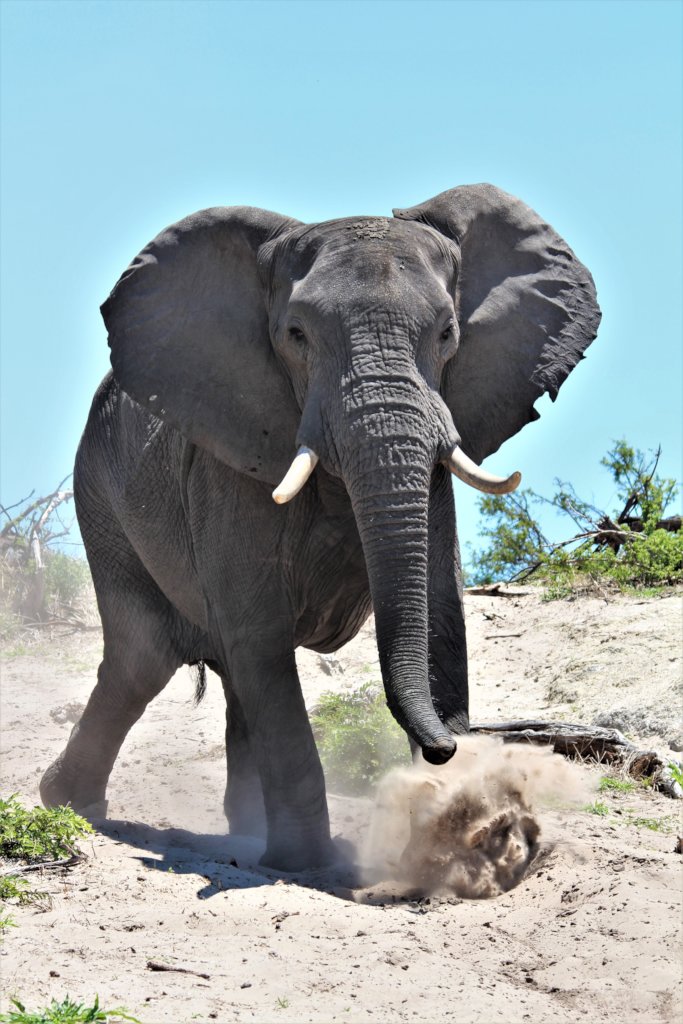
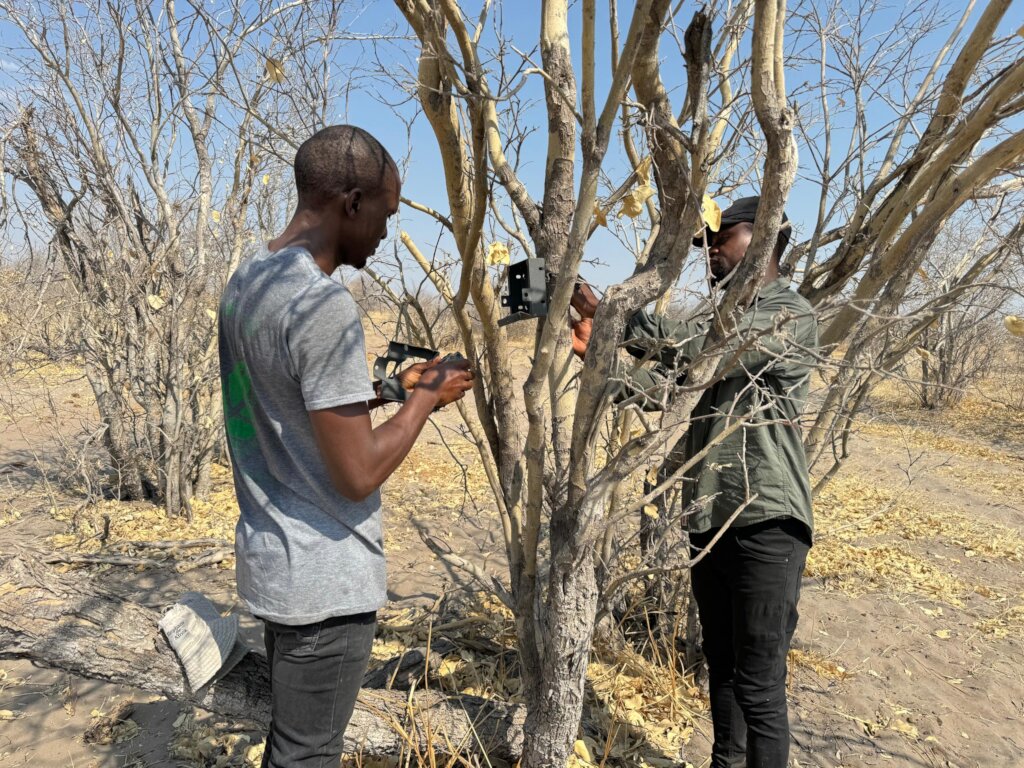
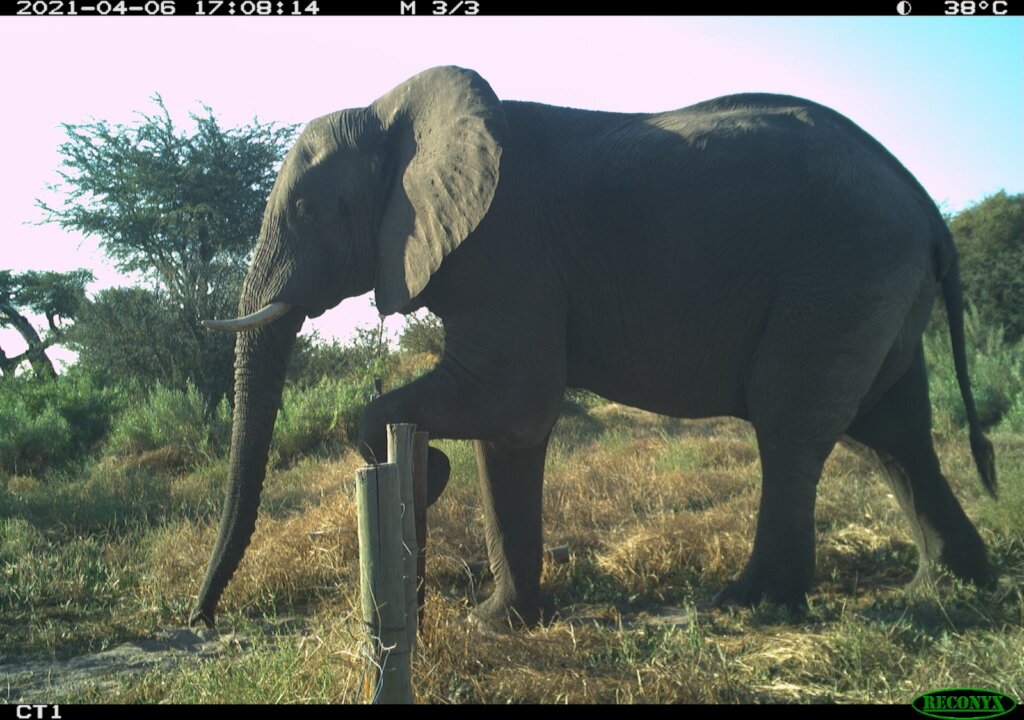
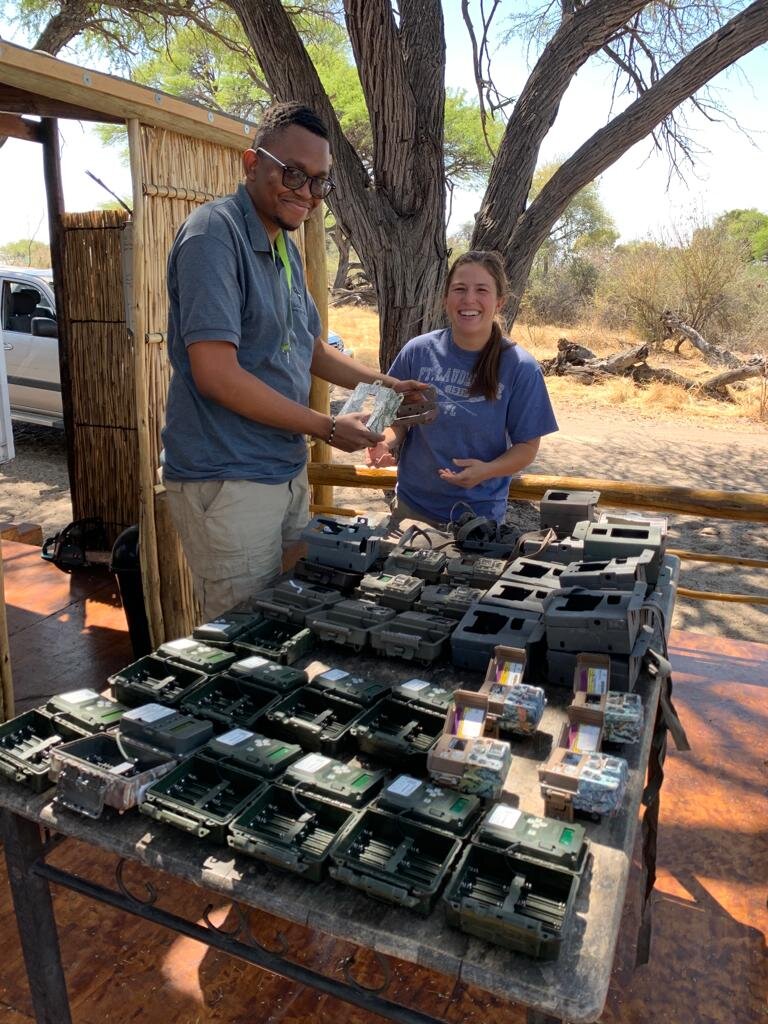
To better understand these changes, Elephants for Africa uses camera traps - small, motion-activated cameras that silently monitor key elephant pathways. These devices provide a window into the daily rhythms of wildlife while remaining non-invasive, allowing animals to move freely and behave naturally.
Each camera in our study was carefully positioned between 7 and 9 meters from elephant trails and calibrated to capture the full body of each elephant that passes. Over several months, these cameras have recorded thousands of images. Each frame contributes to a growing dataset that reveals patterns often invisible to the human eye.
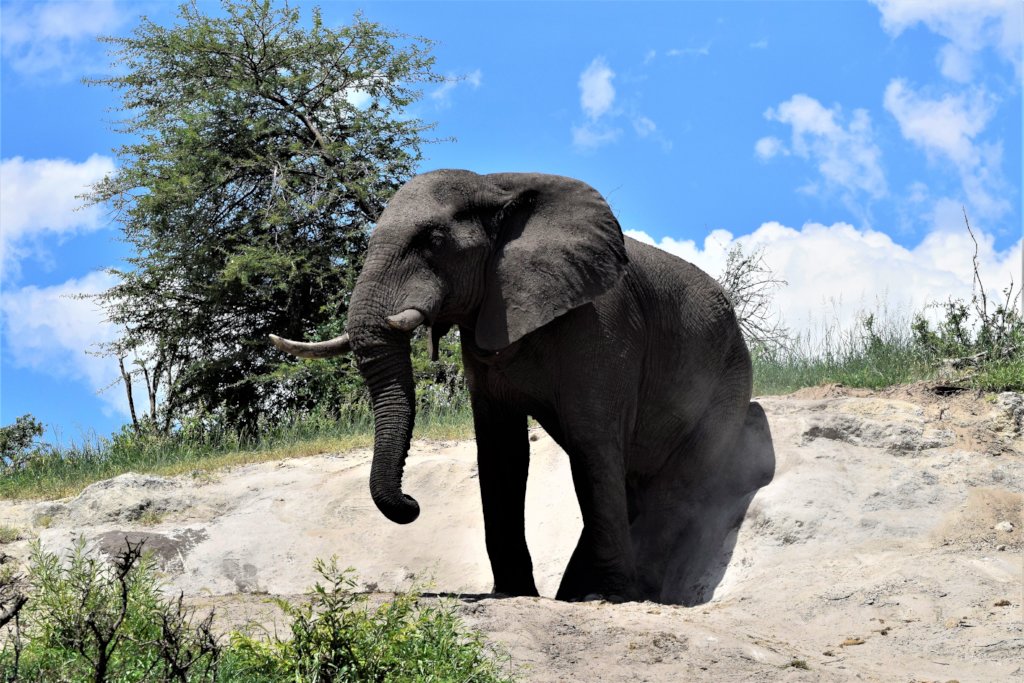
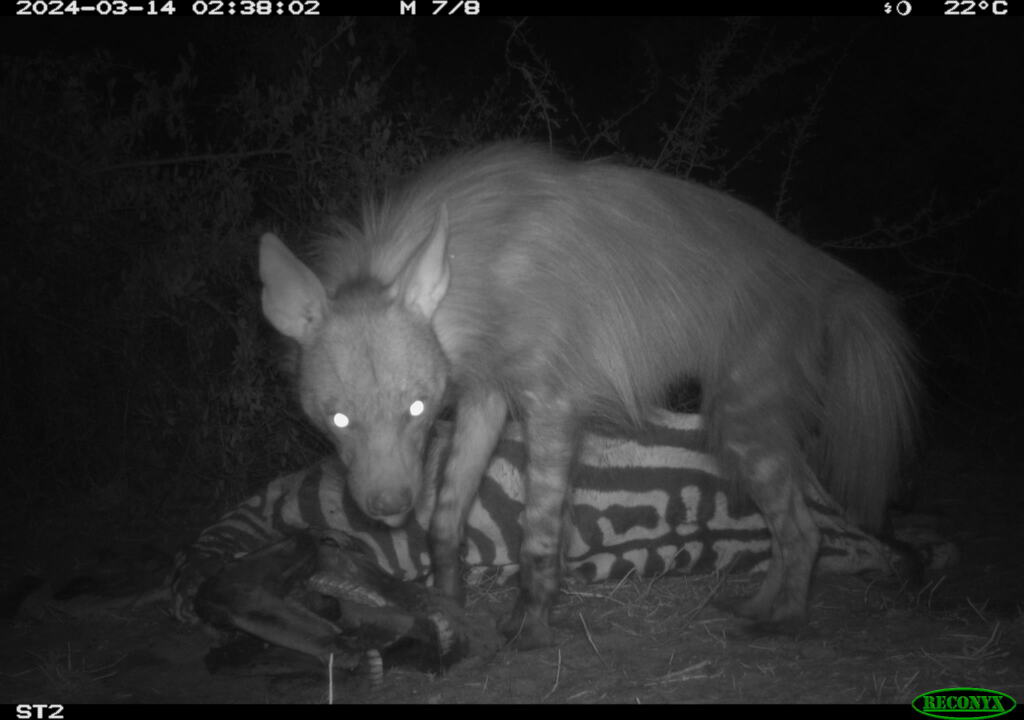
The early findings are fascinating. Breeding herds appear to travel more frequently at night, possibly to reduce exposure to human activity or heat stress during the day. Bull elephants often move alone or in small bachelor groups, sometimes lingering longer in areas with greener vegetation. In addition to elephants, our cameras have captured rare and elusive species such as wildcats, bat-eared foxes, aardwolves, and honey badgers. These sightings highlight the importance of elephant corridors as shared lifelines for many forms of wildlife.
The project is now in the data analysis phase, where we are identifying movement patterns, herd compositions, and seasonal shifts. This information helps us track population demographics, monitor ecosystem health, and understand how elephants and other species respond to environmental and human pressures.
Compared to traditional field observation, camera traps provide continuous, unbiased, and low-impact monitoring. They allow us to collect data from remote areas and across long time periods without disturbing the animals, which is particularly important for long-lived, wide-ranging species such as elephants.
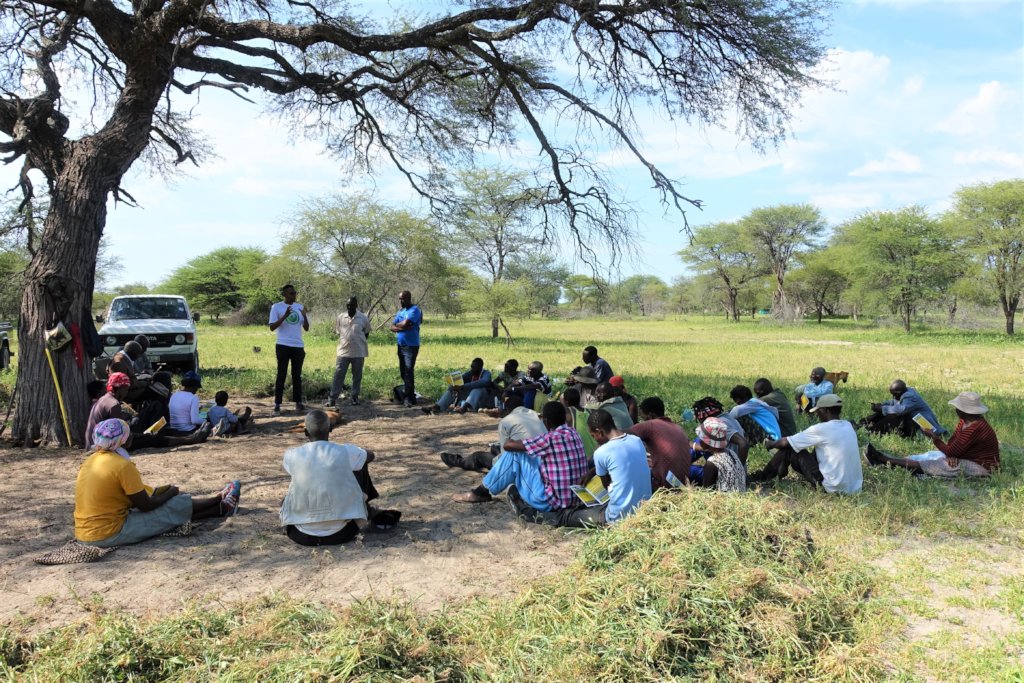
The insights gained from this research will help strengthen conservation planning, improve human-elephant coexistence strategies, and inform the work of local communities who share their landscapes with these remarkable animals.
This project and every image it captures are made possible through your support. Your donations fund camera maintenance, camera supplies, data analysis, field training for local assistants, and long-term monitoring essential for safeguarding elephants and their habitats.
Thank you for standing with us. Together, we are not only documenting wildlife but also shaping the future of conservation for the elephants of Makgadikgadi and the wild spaces that sustain them.
Project reports on GlobalGiving are posted directly to globalgiving.org by Project Leaders as they are completed, generally every 3-4 months. To protect the integrity of these documents, GlobalGiving does not alter them; therefore you may find some language or formatting issues.
If you donate to this project or have donated to this project, you can receive an email when this project posts a report. You can also subscribe for reports without donating.



Support this important cause by creating a personalized fundraising page.
Start a Fundraiser