By Jane Manson | Fundraising
My two colleagues, Ayesha and Parveen, have sent through case studies of families who badly need food rations.
It is festival time in Kolkata: the Pujas and Diwali bring families out to the shops and the markets. It is traditional to buy new clothes for the festive season as well as spending time and money eating and spending time with family and friends. Giant brightly-lit and colourful structures, called pandals, are built all over the city and families enjoy walking around enjoying the spectacle.
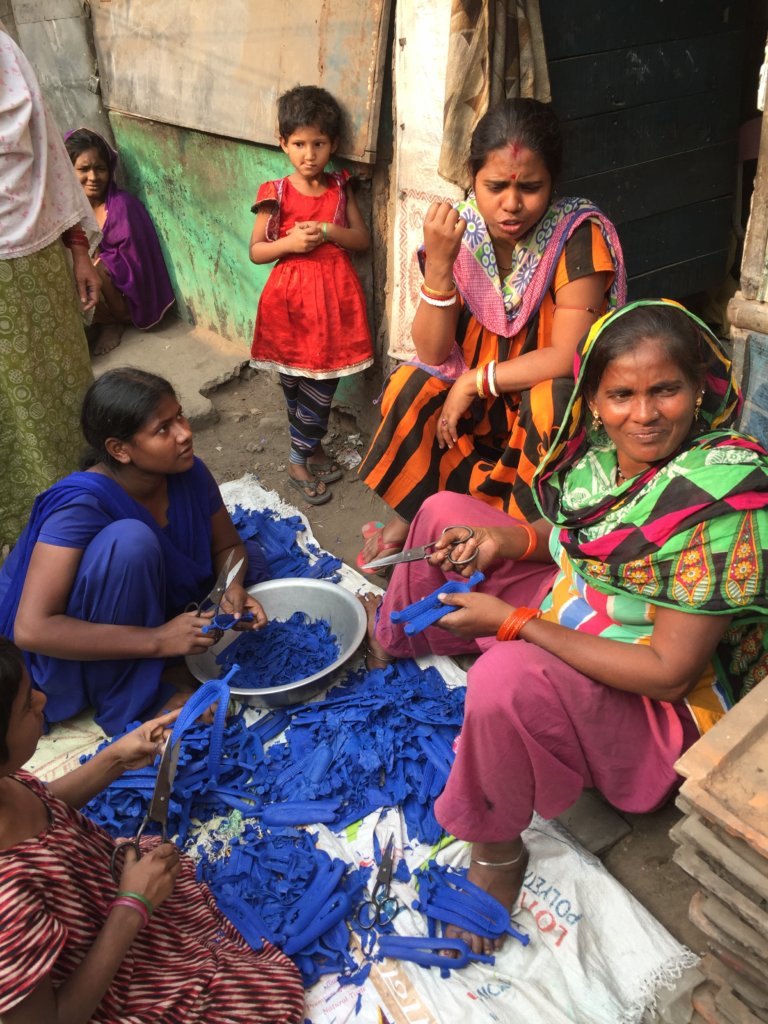
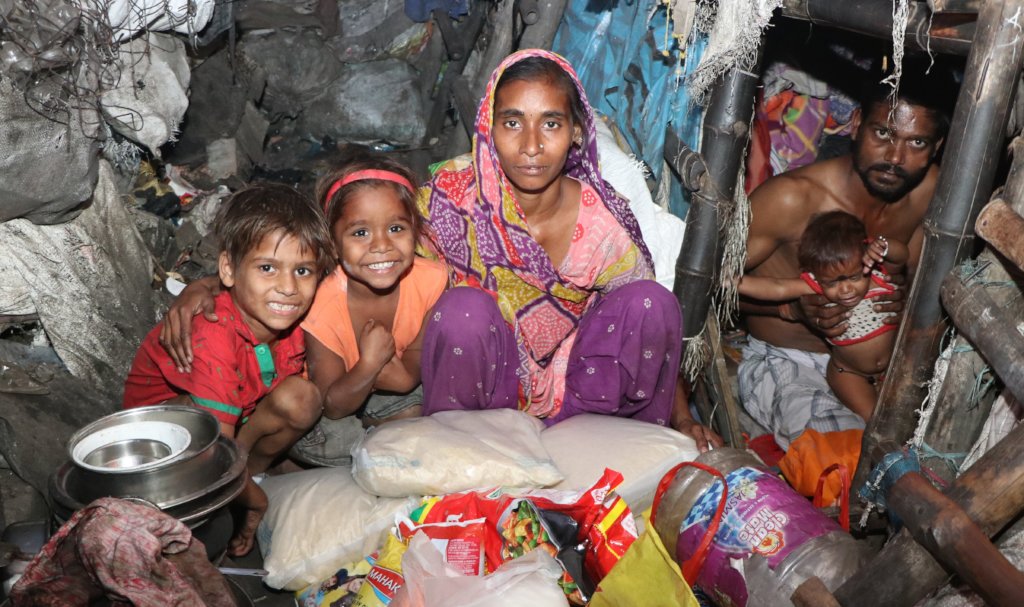
But I wonder how these two women have spent the holidays: Rabia is a widow. She is 61 years old and lives in a single room with her extended family of 8. This is what my colleague Ayesha writes: Rabia’s husband expired five years ago. Since then she herself takes care and full responsibility of the family. Her daughter Roshni (age 26) has been deserted by the husband and staying with the mother for the past two years. She prepares paper packets and sells them to the grocers and thus earns a little amount (£6 a month). She has two children. Due to financial crisis is unable to send them to good school. Rabia has 14 year old son who is a child labourer and works in a garage. Her sister Shakila is also a widow who is disabled and has to beg to help run the family. Rabia herself is a maidservant, earning $13/£10 a month. Her son earns another £10 and her nephew earns around $9/£7. Between the 8 of them, 4 are working and the total family income is about $39/£30. If any of them were to fall sick and need medical they would be in even more serious trouble.
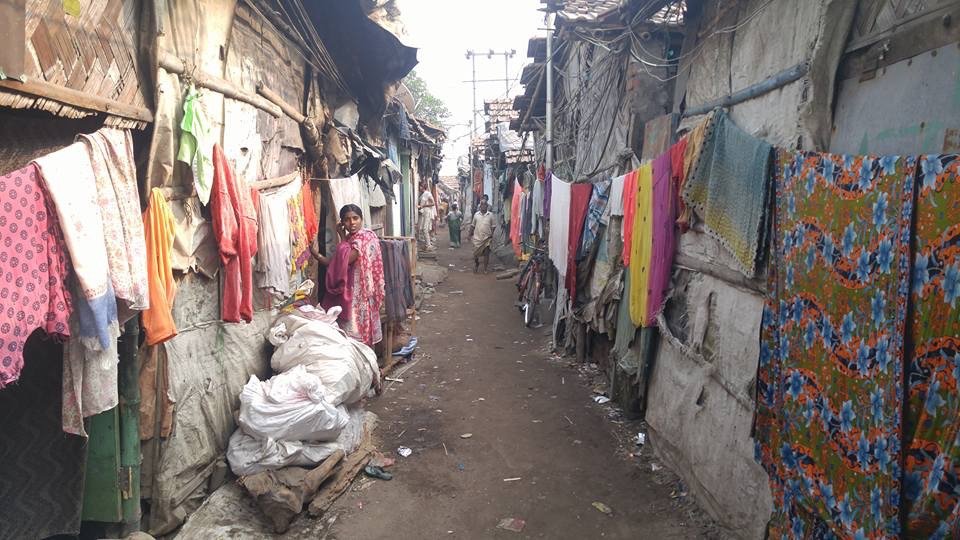
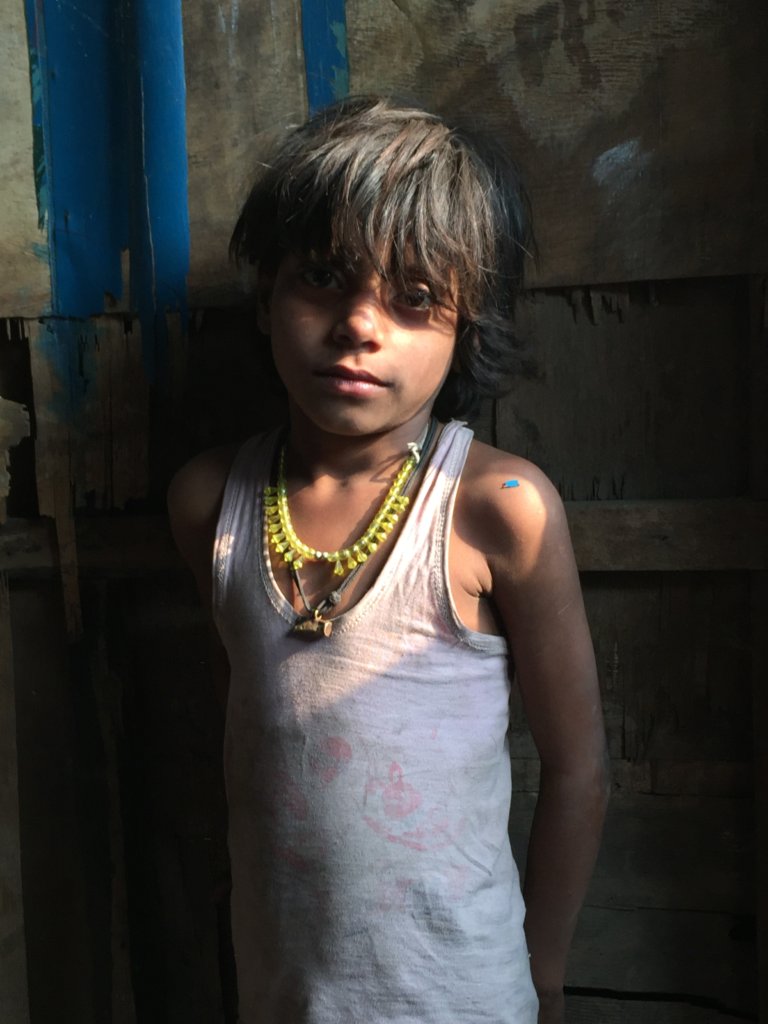
But perhaps Rabia and her family are lucky. Nagma lives on the street. She too lives with 7 other family members. Read what my colleague Parveen has written: There are 8 members in the family living on the foothpath. Nagma tries her best to make ends meet despite the challenges she faces. Her husband is a van puller and although earning approx. 3000/- ($42) in a month he hands over very little to the family. Mother is a domestic maid. She is often sick. She also begs near the mosque. Her brother Nehu has liver jaundice and was hospitalised recently. He is having medicines Another brother named Nasir has tuberculosis and recovered few months ago but is very weak and hence cannot work . Previously he used to wash taxis and contributed to the family. They face a lot of harassment living on the street and live in constant fear of eviction. The family is going through severe crisis and would be grateful if the emergency food is given to them.
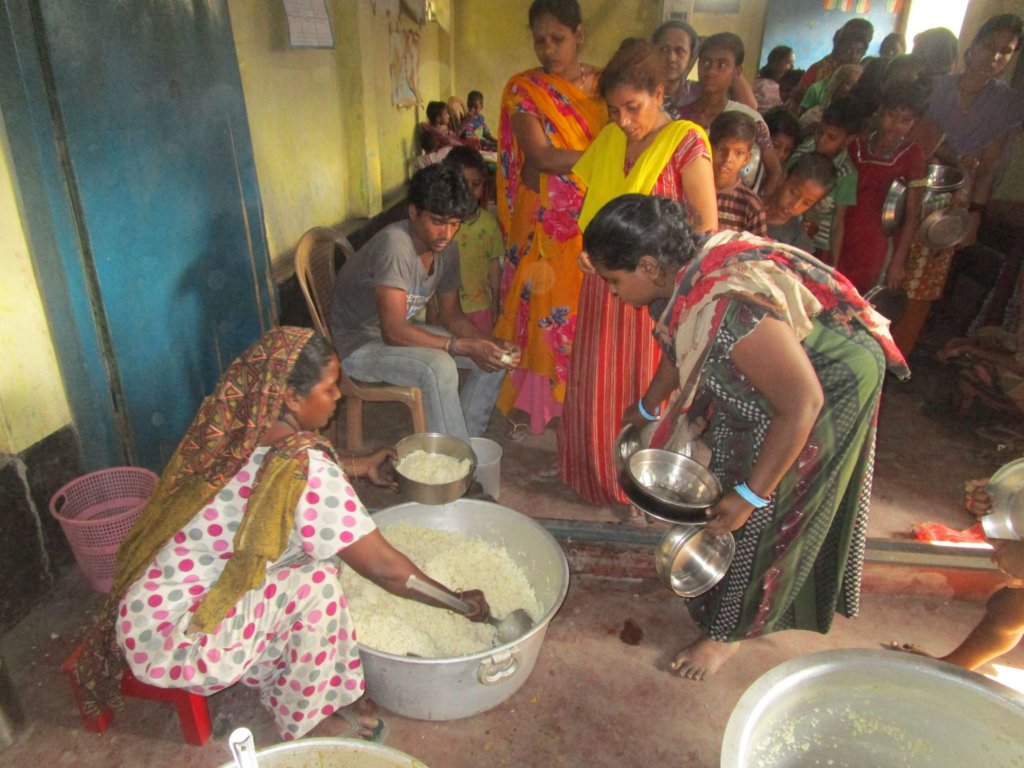
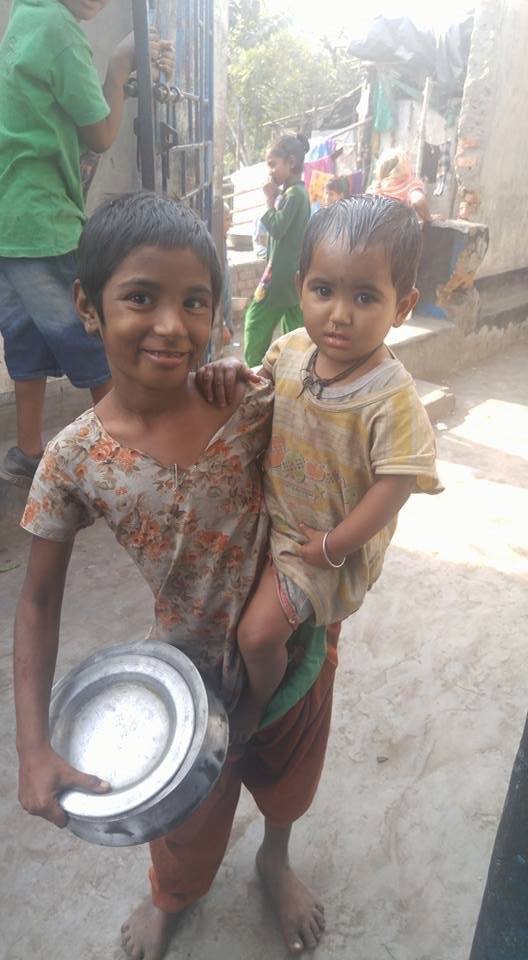
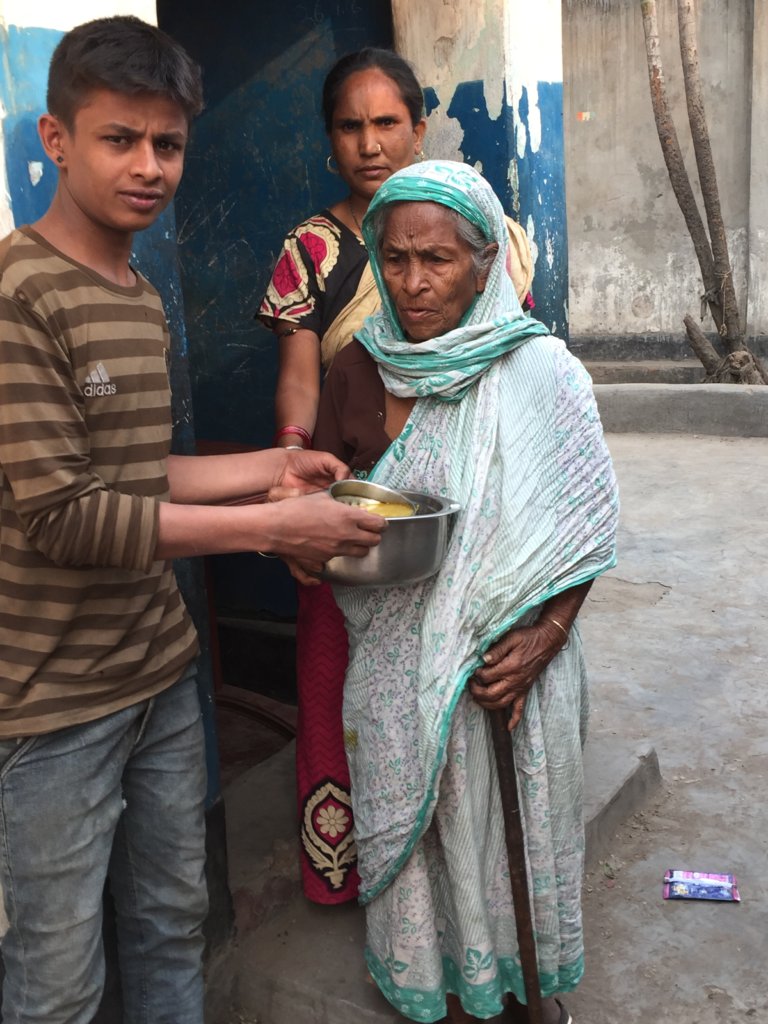
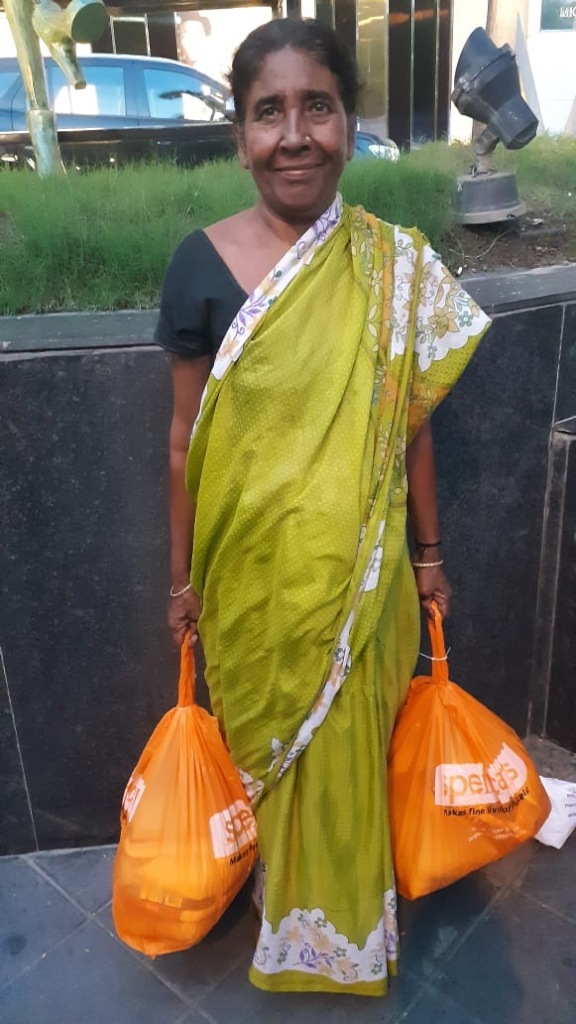
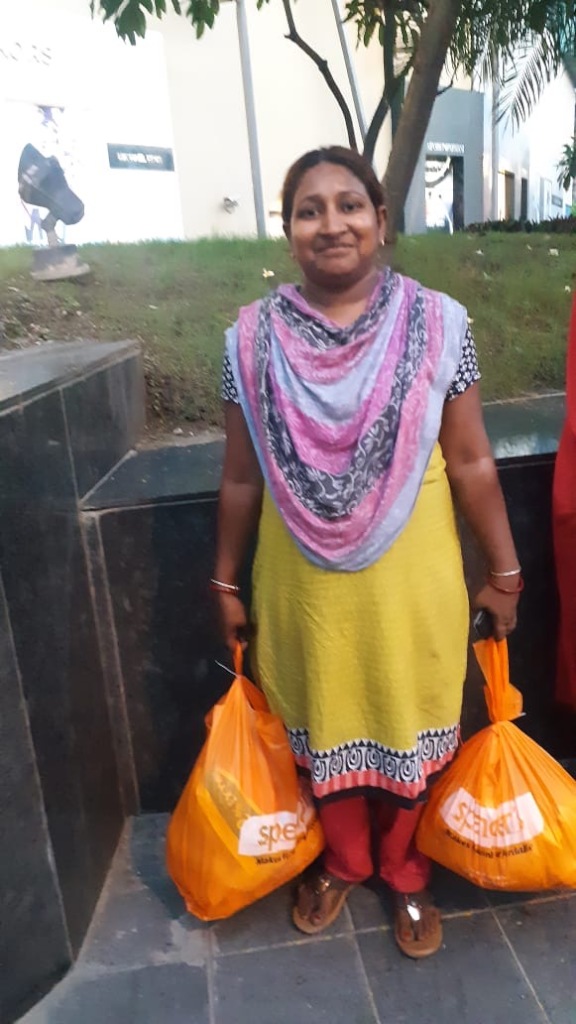
Thanks to your generosity, Tiljala SHED is able to provide emergency food rations and medical care for some of Kolkata’s most vulnerable families. Not only are the families very grateful but also my colleagues, who hate to turn away genuinely desperate families. Almost all Tiljala SHED’s funds are restricted to specific programmes providing education, training and small loans – and they are excellent programmes. But this project enables us to reach out quickly and efficiently to those in immediate and very present need of help. Thank you from the bottom of our hearts. PLEASE KEEP SUPPORTING KOLKATA’S MOST VULNERABLE
Project reports on GlobalGiving are posted directly to globalgiving.org by Project Leaders as they are completed, generally every 3-4 months. To protect the integrity of these documents, GlobalGiving does not alter them; therefore you may find some language or formatting issues.
If you donate to this project or have donated to this project, you can receive an email when this project posts a report. You can also subscribe for reports without donating.



Support this important cause by creating a personalized fundraising page.
Start a Fundraiser