By Summer Tan | Executive Director
The boy in the corner
In many rural schools in Yunnan, left-behind and vulnerable children have few places to process their emotions. Some act out. Some stay silent. They wrap their true feelings in noise, stubbornness, or silence.
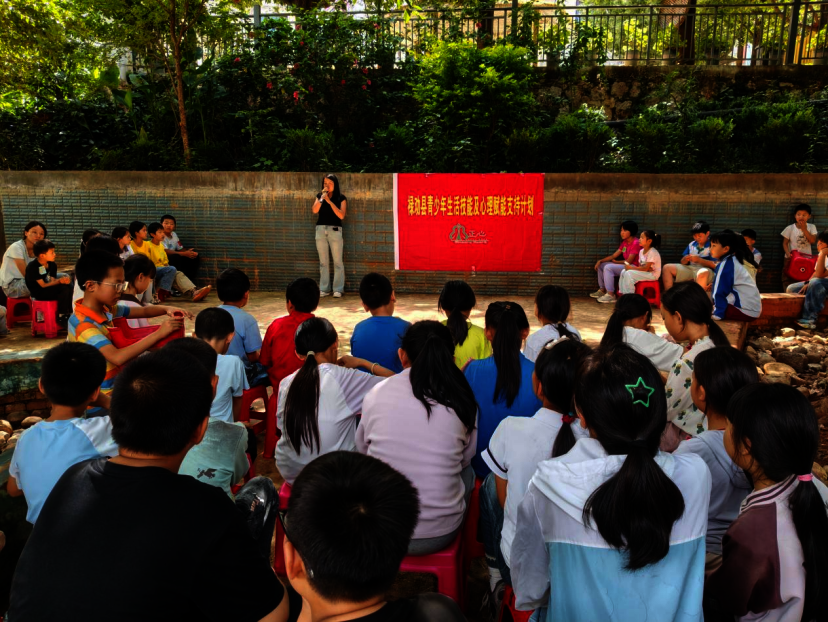
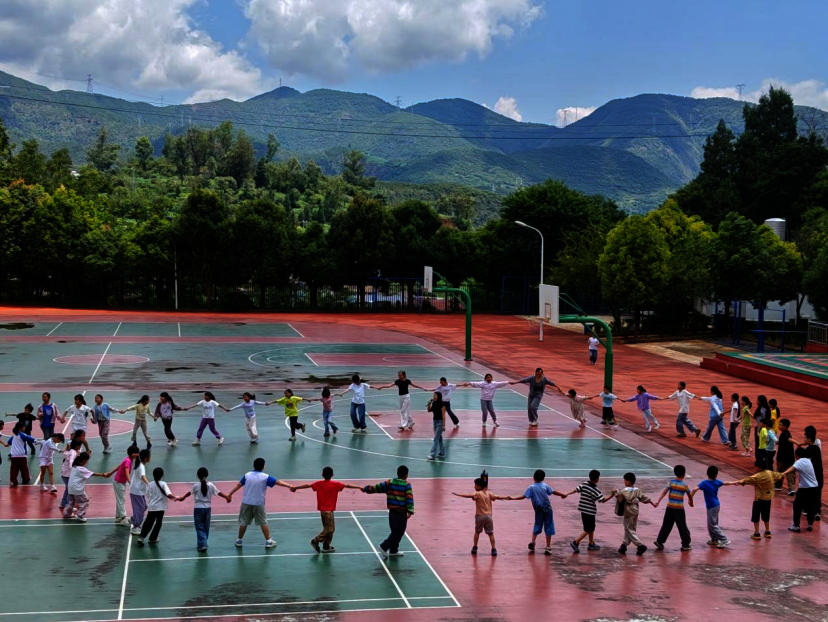
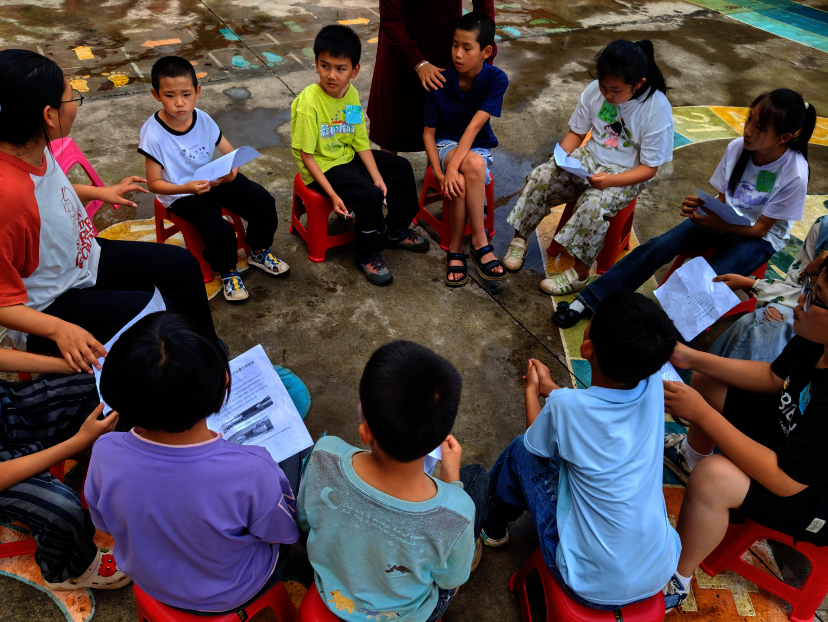
Last summer, we ran a 10-day mental health camp. That is where we met Xiao Zou, a boy about to enter sixth grade.
For the first few days, Xiao Zou sat alone in the corner of the classroom. For almost the entire ten days, he barely spoke. When people asked him questions, he only nodded or shook his head. It was as if he had built a protective shell around himself.
Our social workers noticed him. They didn't force him to speak. Instead, during group games and craft activities, they gently encouraged him and created small opportunities for him to join in. Slowly, he began to step out of the corner.
The breaking point
One day, during a game, Xiao Zou couldn't keep up with the rules. The group suggested he go on stage and perform as a "punishment." He was overcome with embarrassment. Being singled out in front of everyone was too much for him, and he broke down in tears, saying he didn't want to stay at the camp anymore.
Our social worker didn't scold him. She just sat quietly with him, let him cry, and then gently walked him through what had happened. Slowly, Xiao Zou calmed down and returned to the group. Something had shifted — he began to trust her.
A few days later, he was caught secretly taking some of the group's balloons. He immediately looked terrified, his eyes turning red, as if expecting to be punished. The social worker didn't shame him. She said gently, "If there is something you want in your heart, you can be brave and say it out loud. You don't have to hide it."
What was really happening
Later, we talked with his teachers.
Xiao Zou's mother had been away for a long time. His father was raising three children alone. At home, no one had the time or energy to truly listen to him, and he rarely heard a word of praise.
His silence, his taking things, his crying — these were not behavior problems. They were the instinctive reactions of a child who had never been affirmed, and who didn't dare to ask for what he needed.
When we understood that, we stopped trying to "fix" him. We started giving him what he had been missing: safety, respect, and a voice.
A small but real change
By the end of the camp, Xiao Zou had changed in small but real ways. When he faced a setback, he no longer broke down. When he wanted something, he began to gather the courage to ask for it.
He is still sensitive. He still gets nervous when people evaluate him in public. Ten days cannot undo years of silence. But a seed was planted.
This is what we believe at CWEF: we don't force introverted children to become extroverted. We give them a safe space, teach them to express what they feel, and walk with them through family, school, and community support.
Project reports on GlobalGiving are posted directly to globalgiving.org by Project Leaders as they are completed, generally every 3-4 months. To protect the integrity of these documents, GlobalGiving does not alter them; therefore you may find some language or formatting issues.
If you donate to this project or have donated to this project, you can receive an email when this project posts a report. You can also subscribe for reports without donating.


Support this important cause by creating a personalized fundraising page.
Start a Fundraiser