By Kristen Benoit | Project Assistant
Mercy in Action College of Midwifery’s Director of Education, Kristen Benoit, recently spent time on-site in the Philippines, and in this report we will experience a home visit firsthand as she describes what it is like!
Dear Friends,
Please come with me on a home visit to meet one of the children in our First 1,000 Days program and see the life-changing impact your support makes possible.
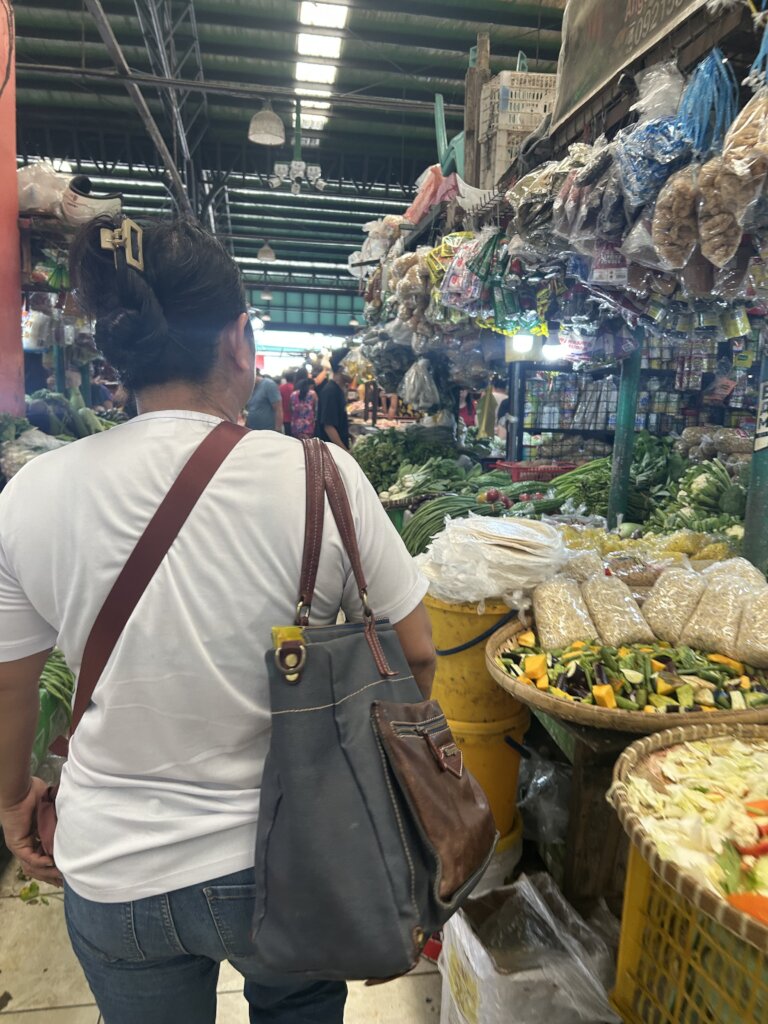
I leave the clinic first thing in the morning with Meddie, a Mercy in Action kasama (meaning companion, or accompanier). Although rainy season has begun, this morning the sun shines bright and hot, and we want to get started on the trip to the community we will visit before the heat gets unbearable. Climbing aboard a jeepney, we begin the trek across the city. The smell of diesel fumes mixes with the morning breeze as we press together in the tightly packed jeepney. Coins clatter in people’s hands as they pass their payment to the front, calling out “Bayad po” (“payment”) to the driver. Two jeepney rides and about 30 minutes later, we stop to buy some food at the market.
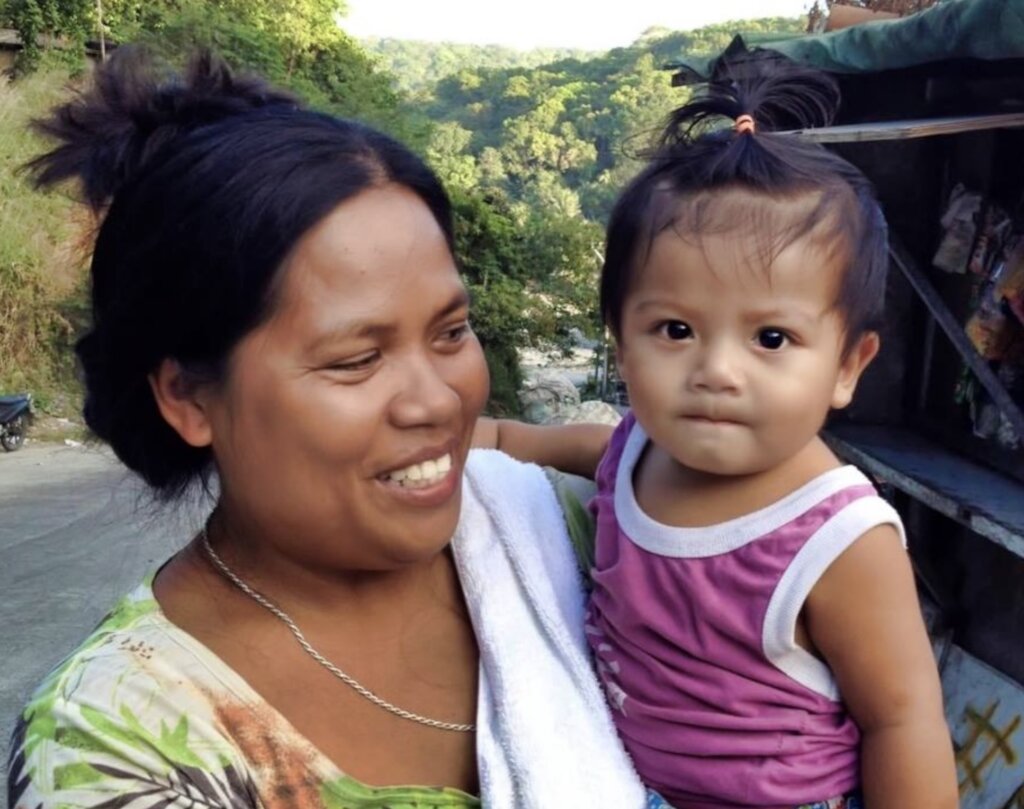
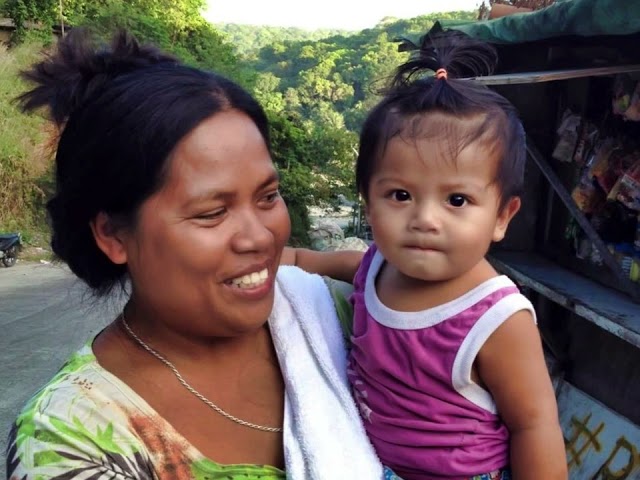
Grace, the toddler we are visiting today (not her real name) is on the “special care registry”, which means that her family will receive some extra support from us in the form of nutritious food for her. Grace was sick with diarrhea at her last visit, and she had lost a dangerous amount weight, causing her to drop off the road to health. For the poorest children living on the margins, an illness like diarrhea complicated by malnutrition can become a death sentence.
After purchasing eggs and mung beans (good sources of protein) and fresh bananas to bring the family, we hail a tricy driver (a sidecar attached to a motorcycle) and ride the rest of the way to the fishing village that sits at the edge of the ocean bay.
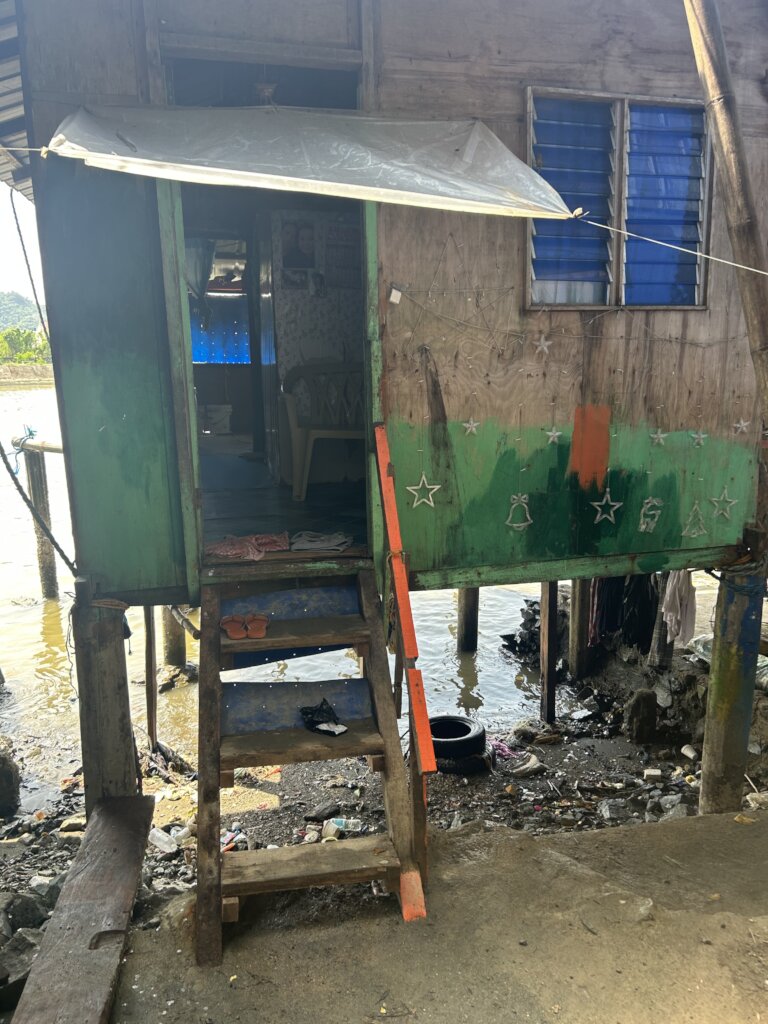
Ducking into a narrow alley, we walk through the community, receiving warm smiles and greetings from people as we pass by. The people in this community are extremely impoverished, with many of their homes (shacks) built on stilts due to the frequency of flooding. Mothers are washing their laundry, children are bathing (clothed) in tubs of water, a mother sits and lovingly removes lice from her daughter’s hair. Carefully stepping around a dead rat, we navigate the last few steps to Grace’s home, which is built up on stilts just steps from the edge of the water.
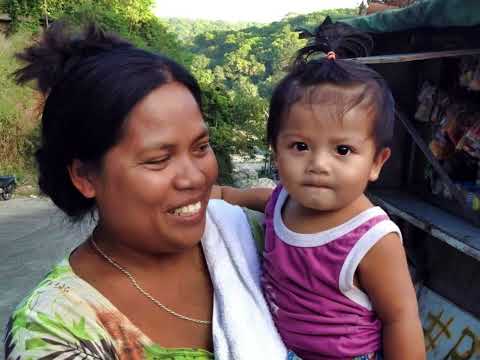
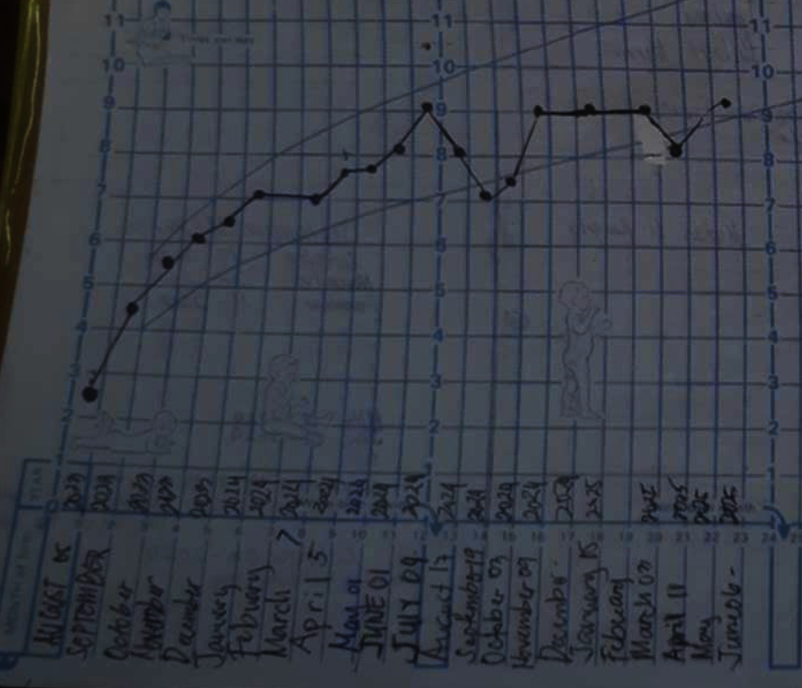
Grace’s father is at home caring for her today while her mother is at work. He is currently out of work – as a fisherman, rainy season and bad weather make it hard to earn a living when the conditions on the water are dangerous. We spend some time talking with Grace’s father, checking on her growth and development, and engage her in looking at pictures. She is shy and hides behind her dad, offering us a tentative smile. Reviewing Grace’s record, I can see that Grace first fell off road to health when she stopped breastfeeding at age one (she is now two months from turning two). After weighing Grace, we find that she has gained weight since Meddie’s visit last month, and she is now back on the road to health. However, her weight hovers dangerously close to the edge, and we talk with her father about the importance of continued healthy foods to help her weight continue to increase, as if she gets sick, she is at risk of quickly losing weight again. We review Grace’s immunization record and see that she is up to date, and encourage her father that they are doing a great job taking care of their little girl. After praying with them, we pack up our things with a promise to return for another visit next month – Grace only has a couple more visits before she will turn 2 and graduate the First 1,000 Days program!
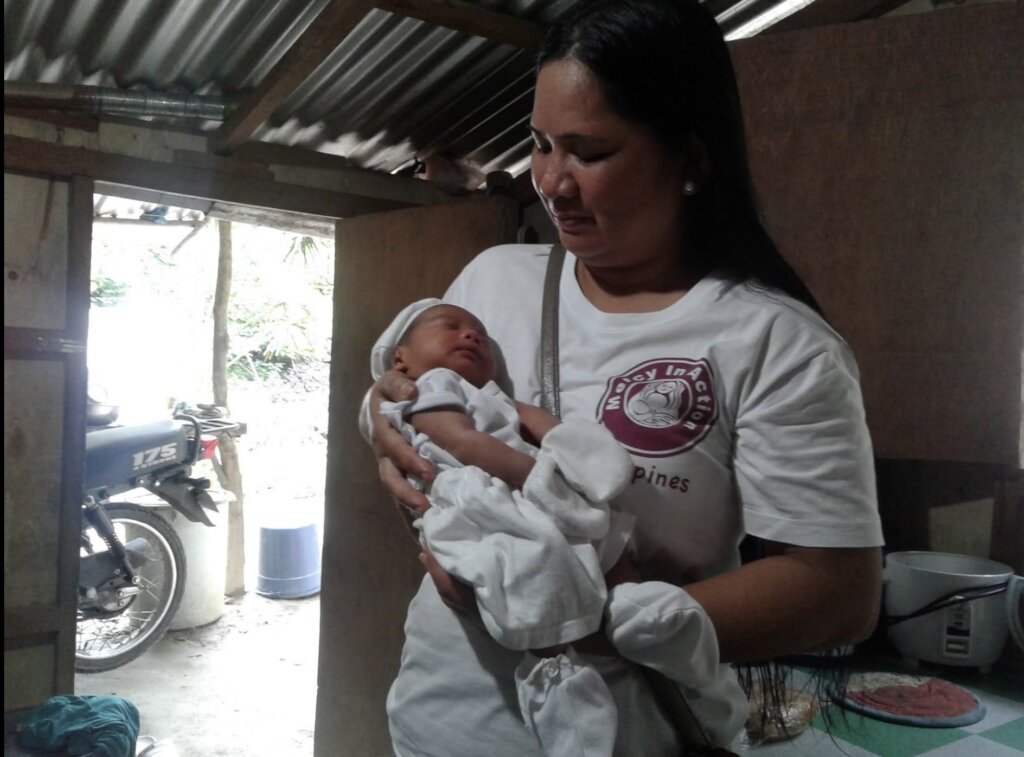
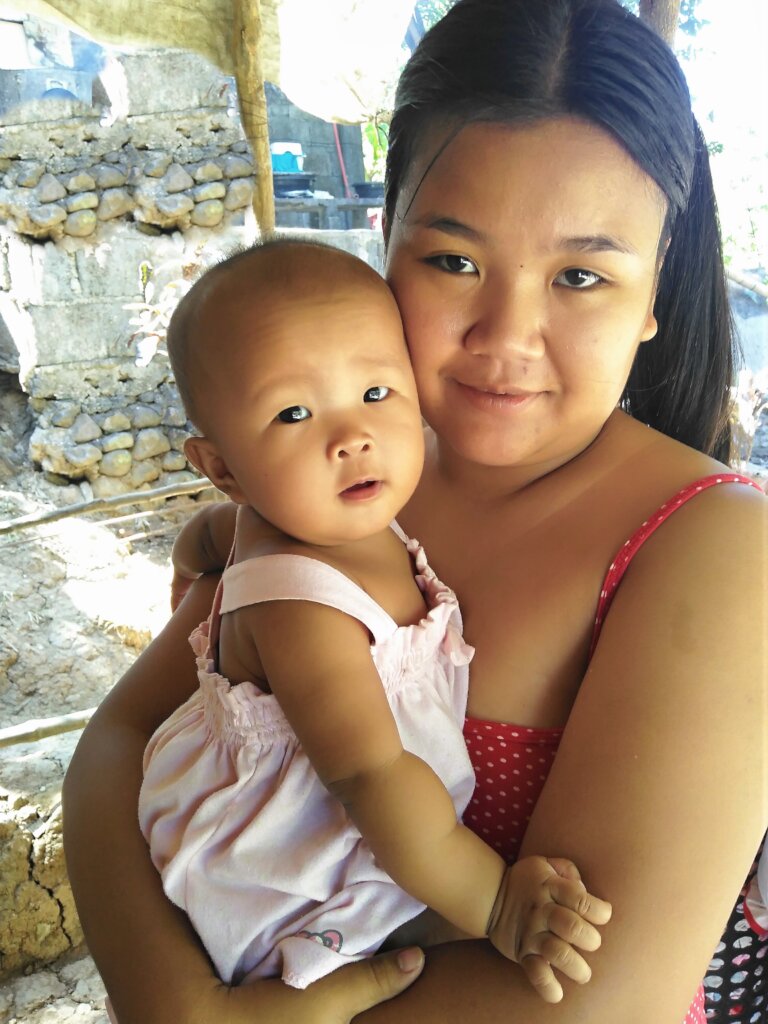
Grace is one of many children who live on the margins of society, at risk of dying in their first 1,000 days of life. Thanks to your support, our First 1,000 Days program can follow babies on three Philippine islands from the time their mother enters care with our midwives, through their second birthday. Our midwives provide care for the first approximately 300 days by offering compassionate and skilled midwifery care; the Mercy in Action kasamas follow the babies with monthly home visits until age two. During this time, they accompany parents by offering education and support for their child’s health and development, weighing the babies to be sure they stay on the road to health, ensuring they are up to date on vaccines, and providing additional support as needed if the babies are sick or malnourished.
Thank you for your kindness to the poor through your support!
With gratitude,
Kristen for the Mercy In Action Team
Links:
Project reports on GlobalGiving are posted directly to globalgiving.org by Project Leaders as they are completed, generally every 3-4 months. To protect the integrity of these documents, GlobalGiving does not alter them; therefore you may find some language or formatting issues.
If you donate to this project or have donated to this project, you can receive an email when this project posts a report. You can also subscribe for reports without donating.



Support this important cause by creating a personalized fundraising page.
Start a Fundraiser