By Ximena Flamenco | Project Officer
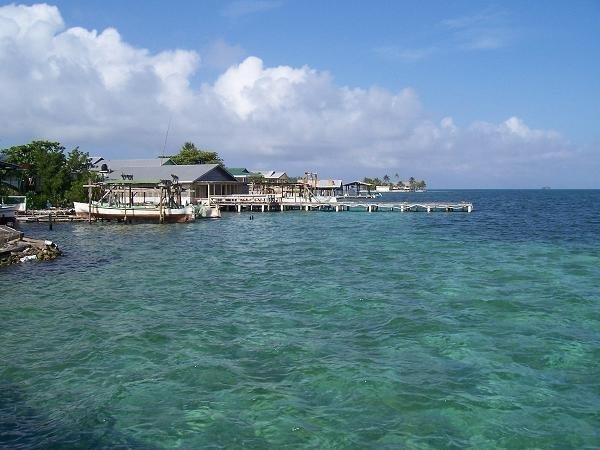
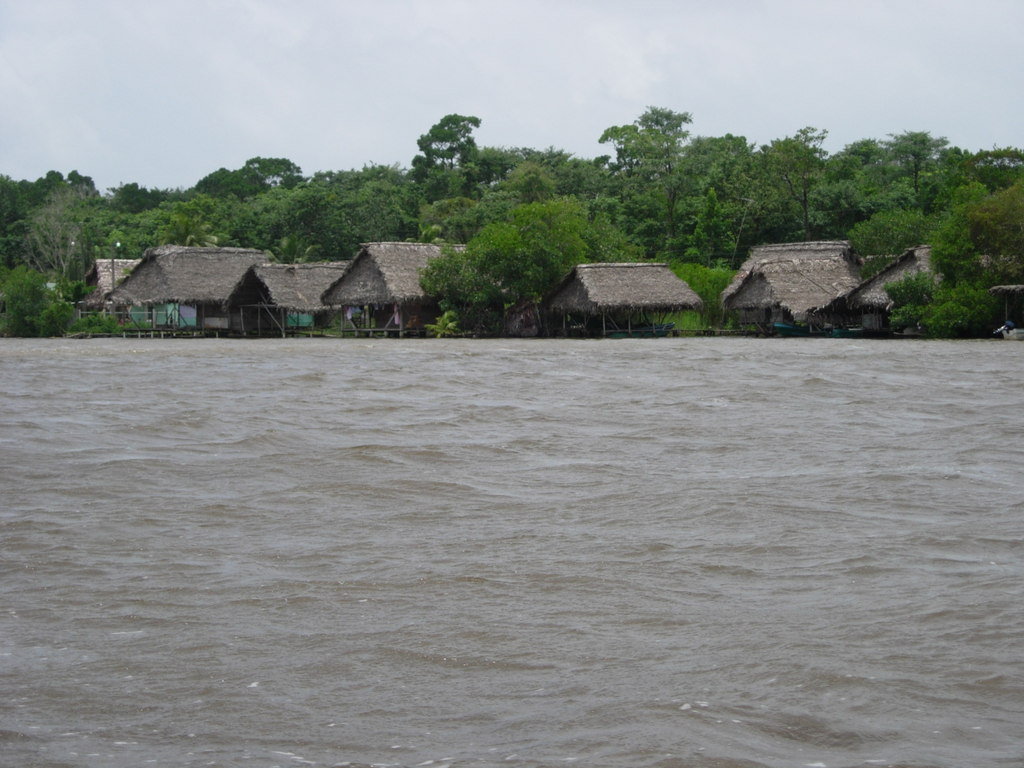
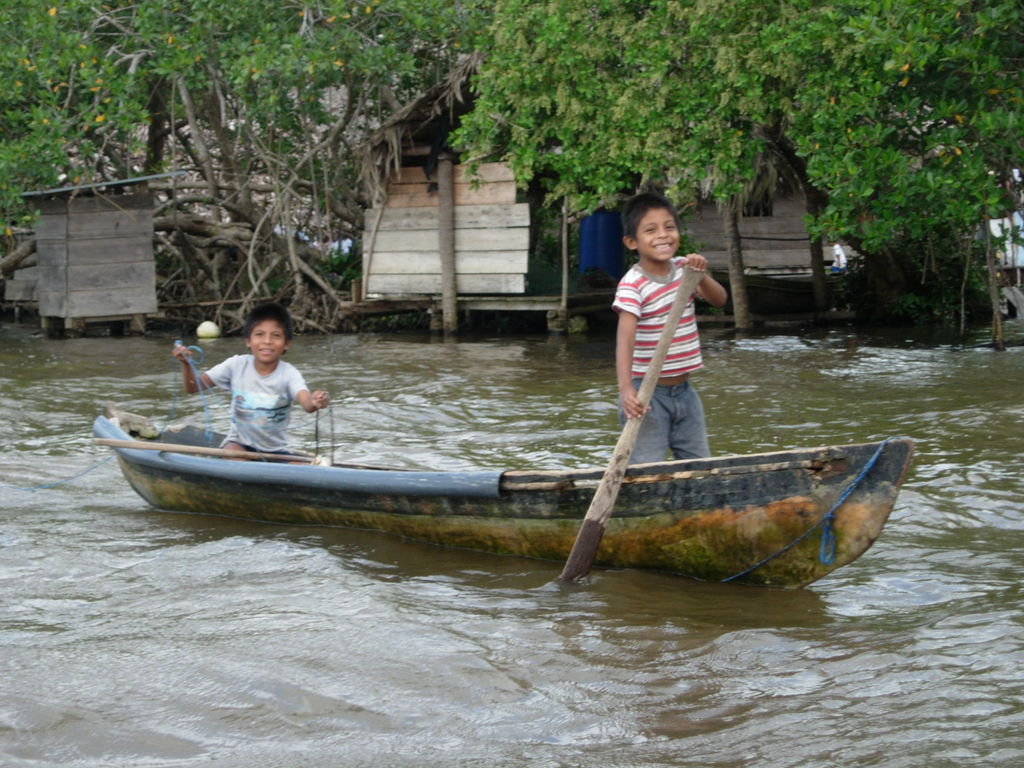
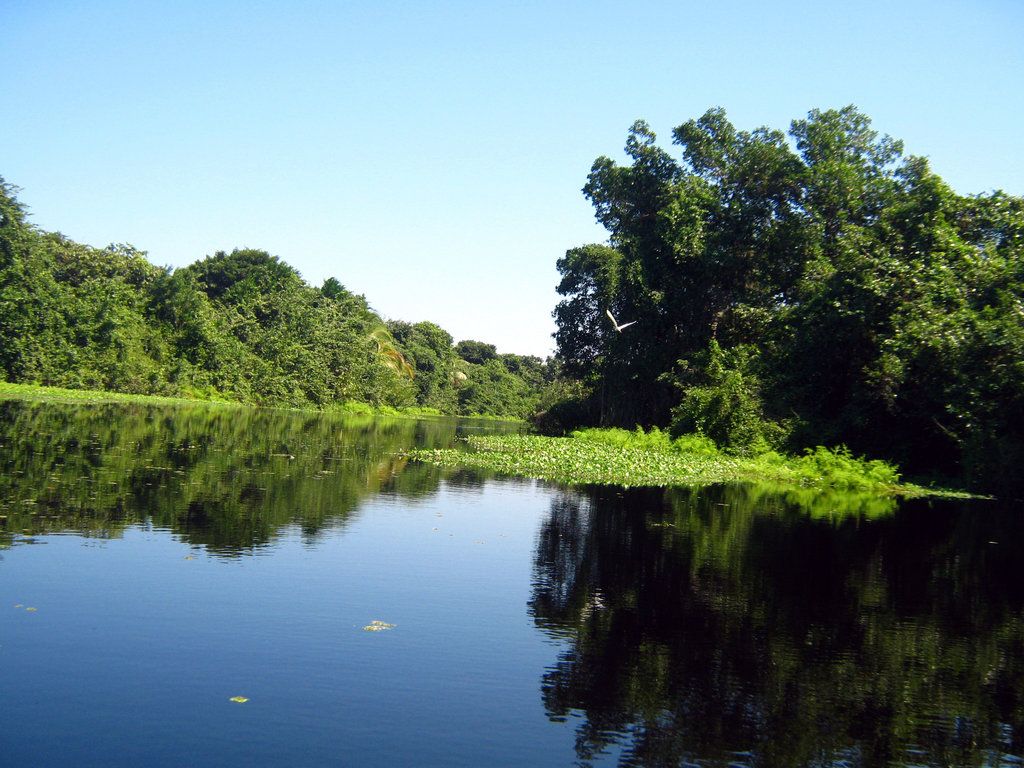
Working together with two countries, we find ourselves in the coasts of Belize and Honduras. Specifically in the Belize Barrier Reef and offshore atolls, and northwestern Honduras and adjacent deep waters.
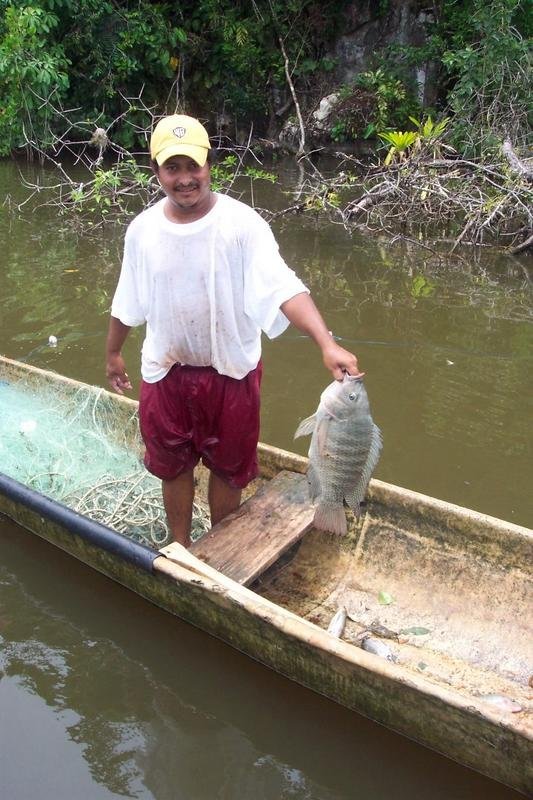
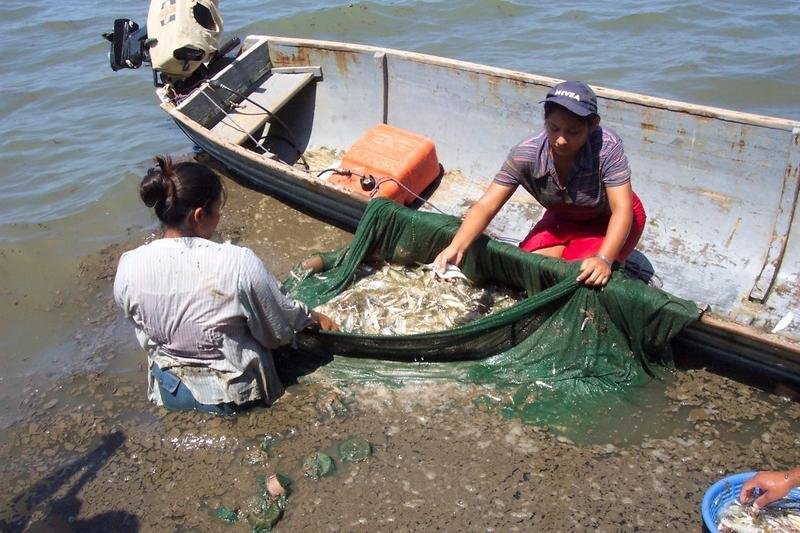
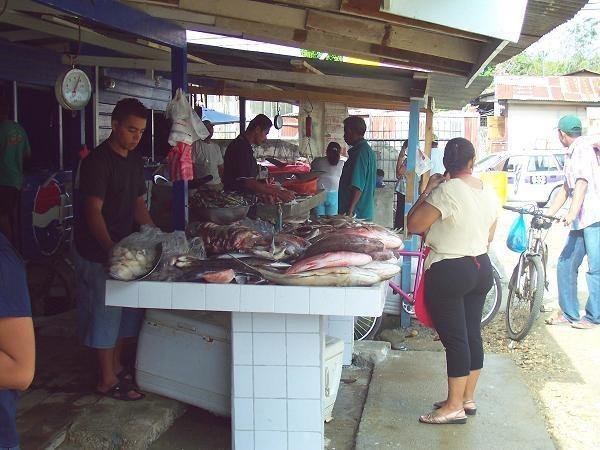
MarAlliance, an organization that explores, enables, and inspires conservation actions, is working on acquiring knowledge on deep-sea fishes (150-500 m) in the western Caribbean. As coastal fisheries in the Mesoamerican Reef (MAR) continue to decline and human populations increase, many fishers are increasingly dependent on the deep sea (>150 m) as a primary or alternative source of income. In Belize, deep-sea fisheries are undergoing rapid expansion, while in parts of Honduras the fishery is well-established.
In the MAR, deep-sea fisheries are expanding with little management, data on the species targeted and captured as bycatch are virtually unknown, and no region-specific data is available for the life history characteristics, abundance, genetic population structure, or distribution of the species. These basic data is vital for the management and conservation of marine fauna.
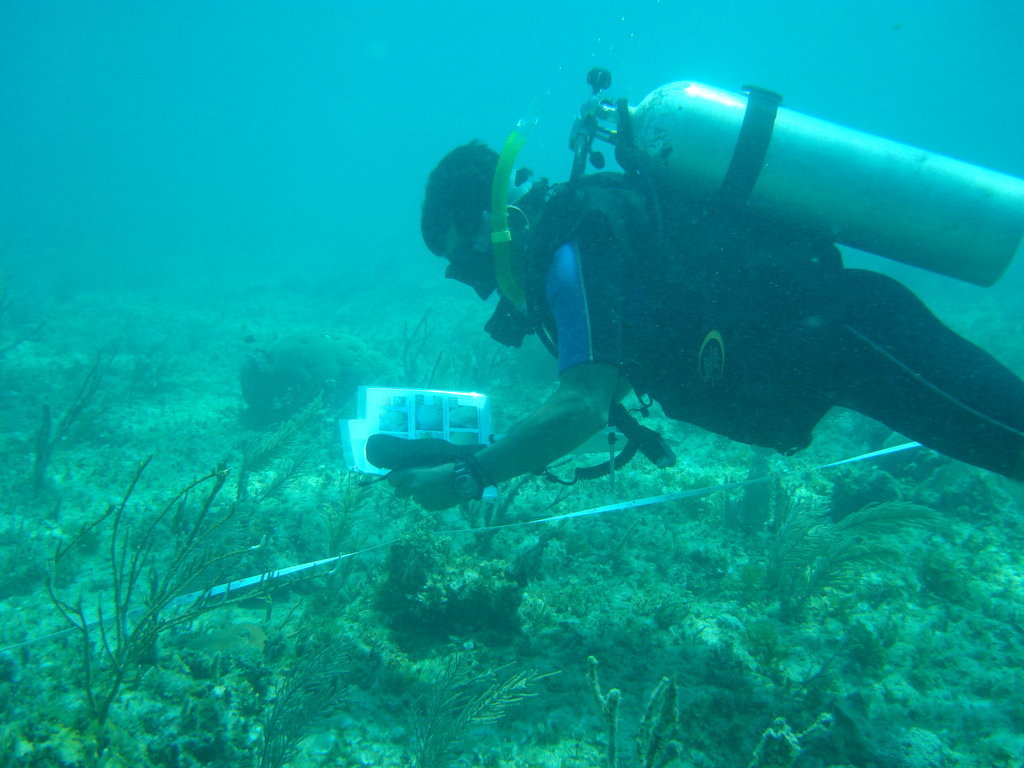
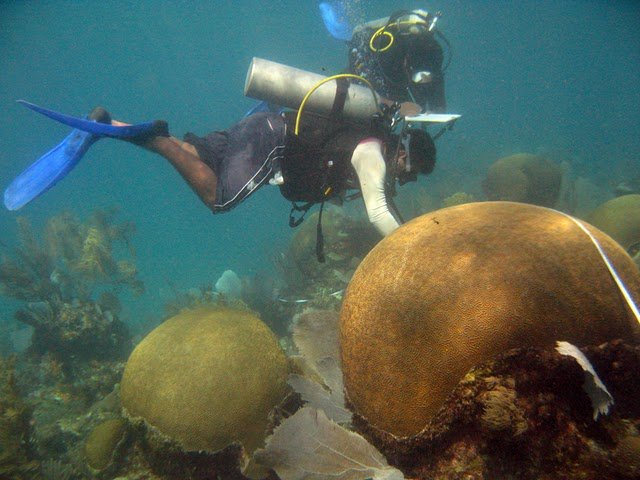
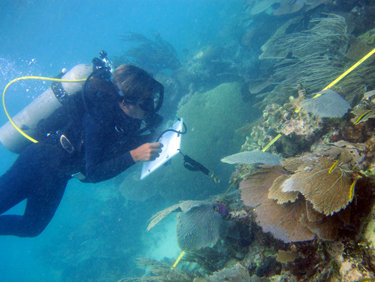
The goal of this project is to expand on ongoing research in the region focusing on the reproductive activity of deep-sea groupers and snappers to identify potential spawning aggregations in Belize and Honduras. Deep-sea snappers and groupers tend to grow slowly and mature late in comparison to their shallow counterparts. Because of their depth preferences, spawning activity cannot be easily identified for these vulnerable species. Using fishery independent methods (standardized scientific surveys) and dependent capture methods (data and/or samples collected by fishers during their normal fishing activities), along with novel camera installments, this monitoring will be the first to identify potential spawning aggregations of deep-sea snappers and groupers in the MAR. Coupled with state-of-the-art genetic analysis, MarAlliance will determine how gene flow influences the distribution of the species, and will identify critical spawning locations and times for these commercially important and unique species.
The objectives of this project are:
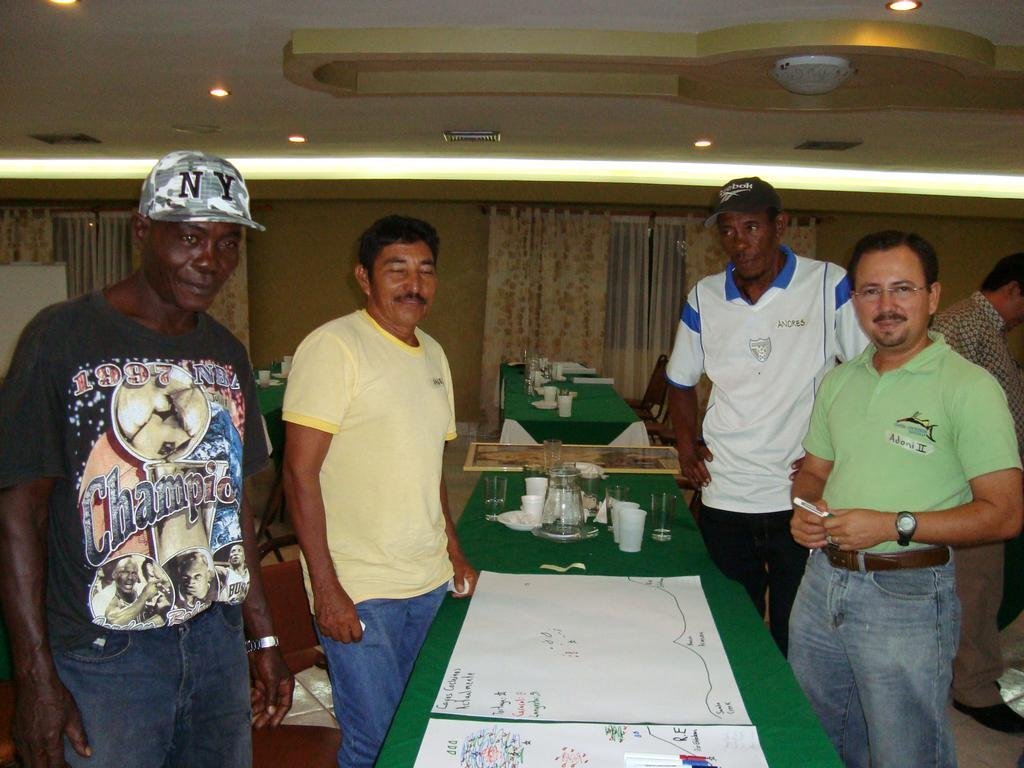
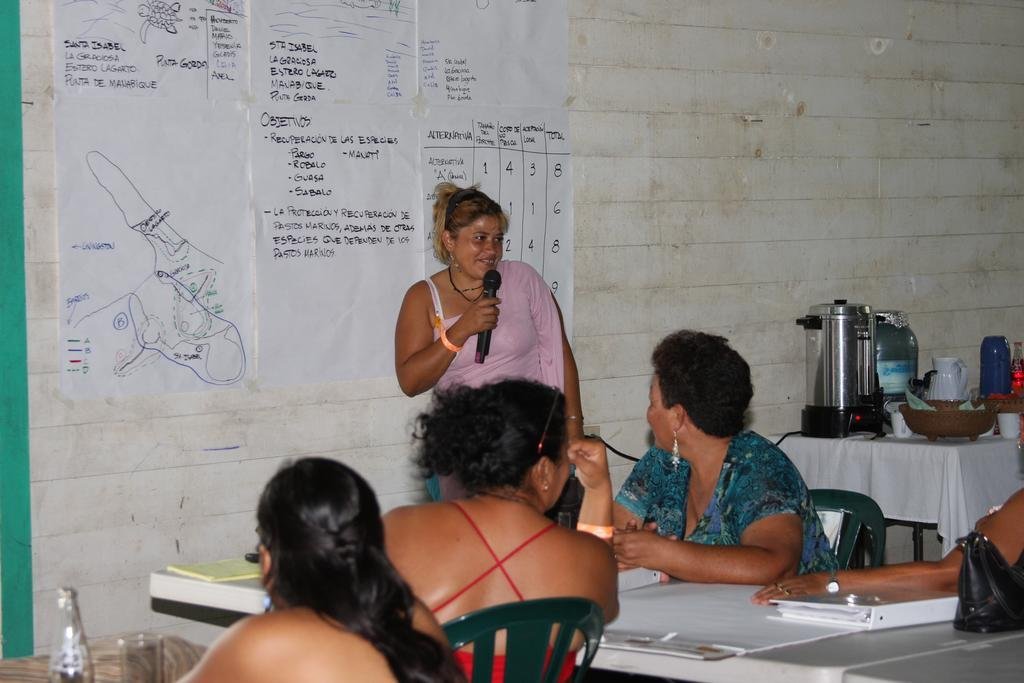
Involving fishers in the monitoring and sharing the knowledge will help empower them in the importance of these species. Also, identifying spawning aggregations in the deep-sea ecosystem of the MAR, will allow unprecedented management strategies in Honduras and Belize, and support replication in surrounding countries.
Supporting new monitoring to identify spawning aggregations in the deep-sea ecosystem, has been able due to your support, for this we are more than grateful. We´ll keep you posted on the results achieved with this project.
Thank you for your support
The MAR Fund Team.
Project reports on GlobalGiving are posted directly to globalgiving.org by Project Leaders as they are completed, generally every 3-4 months. To protect the integrity of these documents, GlobalGiving does not alter them; therefore you may find some language or formatting issues.
If you donate to this project or have donated to this project, you can receive an email when this project posts a report. You can also subscribe for reports without donating.



Support this important cause by creating a personalized fundraising page.
Start a Fundraiser